Overall impression CareOne at Cresskill elicits a mix of strong positive experiences and recurring operational concerns. The facility is frequently praised for its rehabilitation capabilities and the caring demeanor of frontline staff. Many current and former residents and family members describe measurable functional improvement after physical and occupational therapy and emphasize the supportive roles of nurses, nursing aides, and social-work staff in coordinating care and transitions.
Care quality and staff Clinical strengths center on rehabilitation services: physical therapy, occupational therapy, and related therapy teams receive consistent, high marks for expertise and measurable progress. Nursing staff are often described as compassionate and attentive, with several reviewers highlighting 24-hour monitoring, on-staff physicians, and individualized care plans. At the same time, there is notable variability in clinical performance and responsiveness. Reviewers describe gaps in staff availability during nights and weekends, delays in responding to call bells, and isolated concerns about staff competency for complex-device care. These patterns suggest reliable daytime coverage and strong therapy resources, coupled with staffing inconsistencies that can affect after-hours care.
Dining and activities Dining receives generally favorable feedback, with multiple comments about enjoyable meals and accommodating food service; however, some residents found the food average and chose to supplement with brought-in items. Activities programming, including spiritual accommodations such as Bible reading, is viewed positively. The facility’s activity department and social services are frequently singled out for promoting engagement and emotional support.
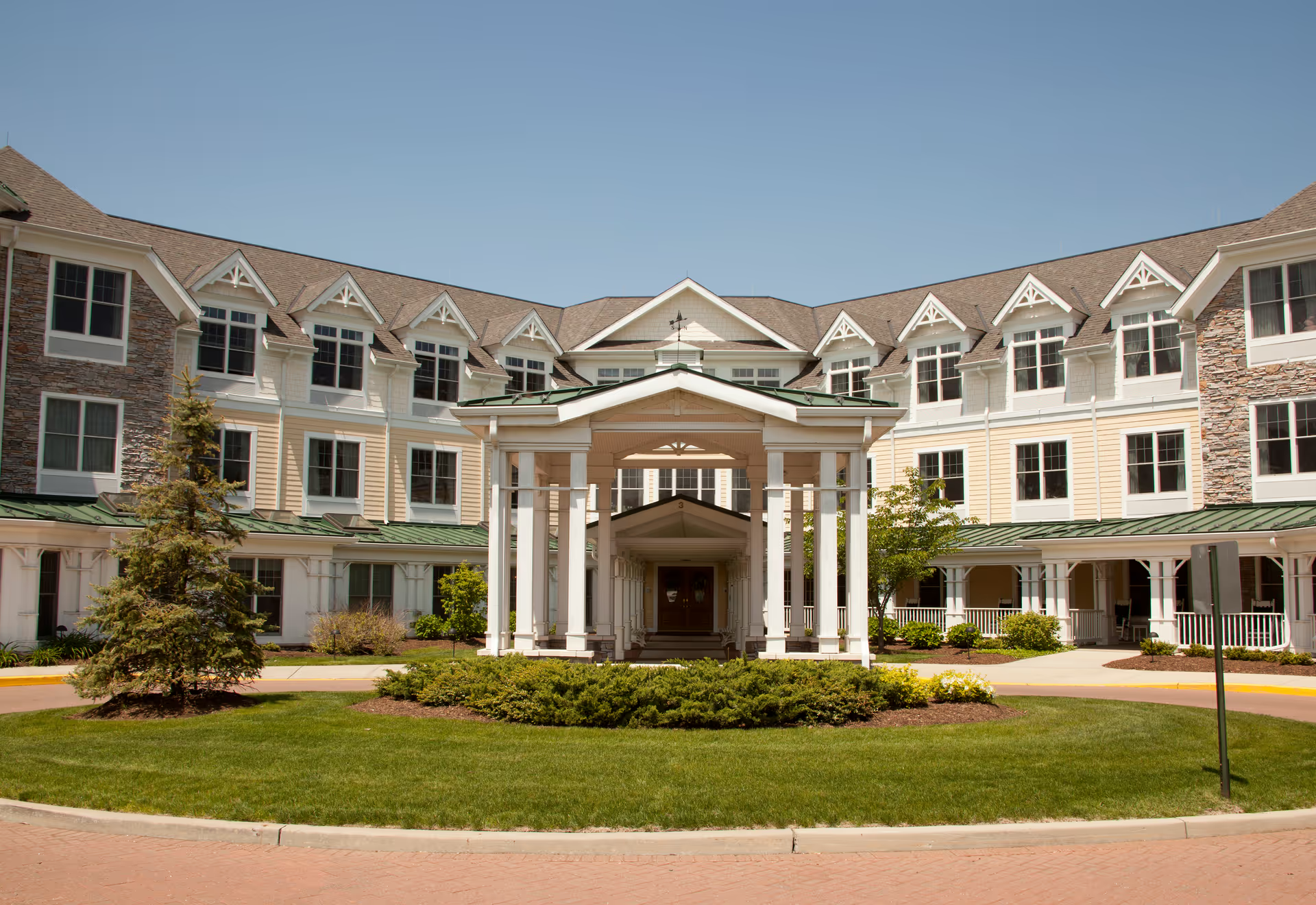
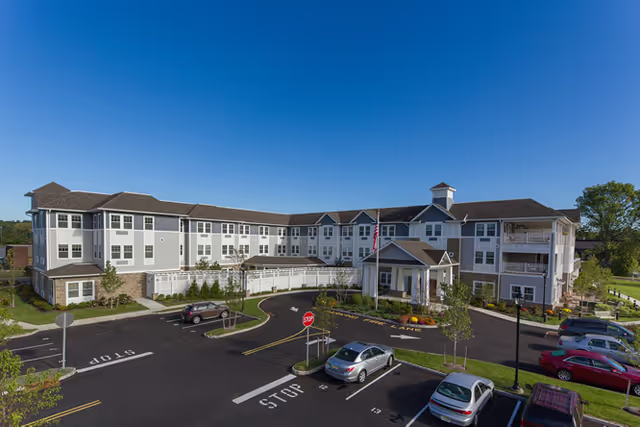
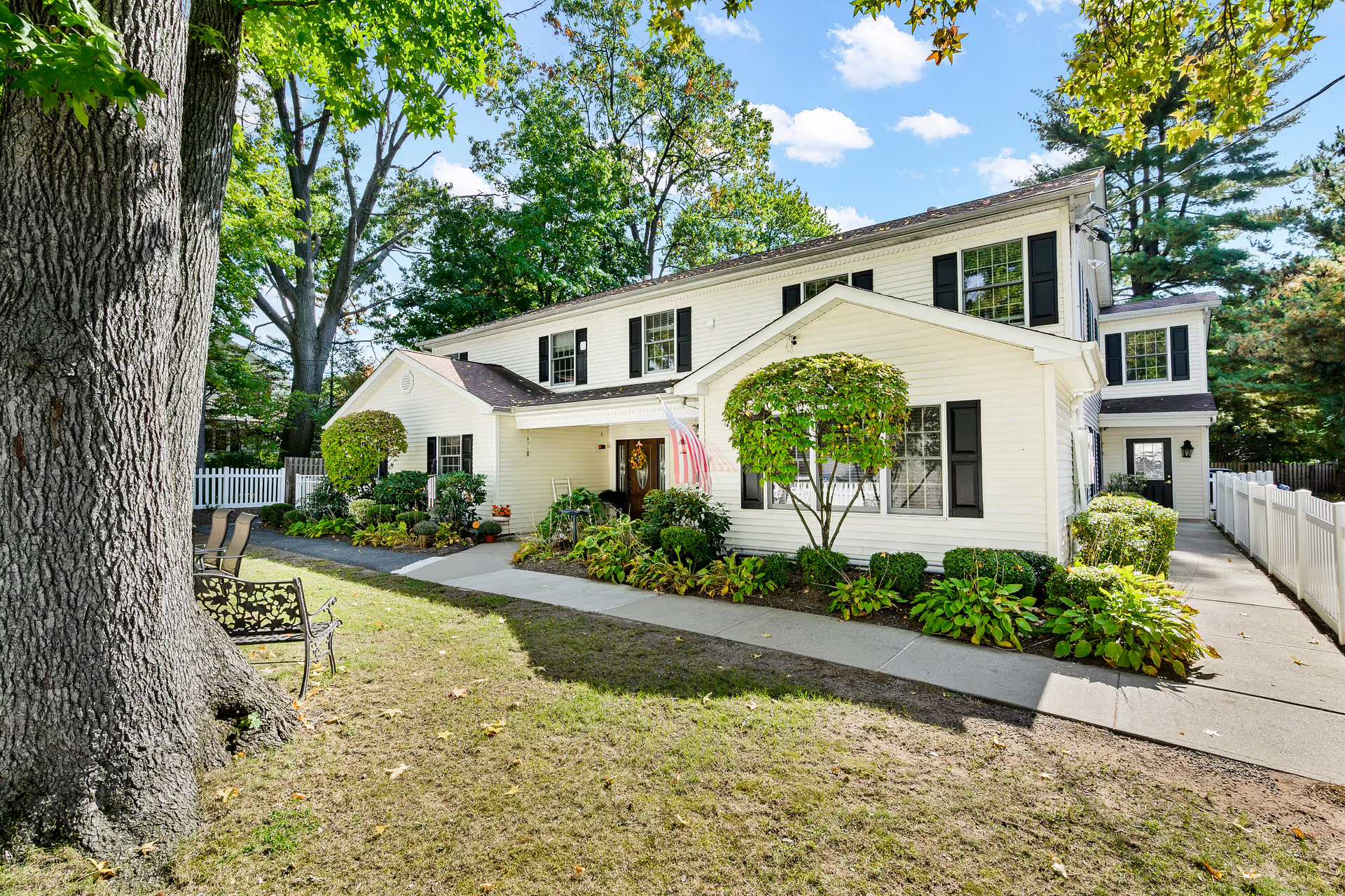
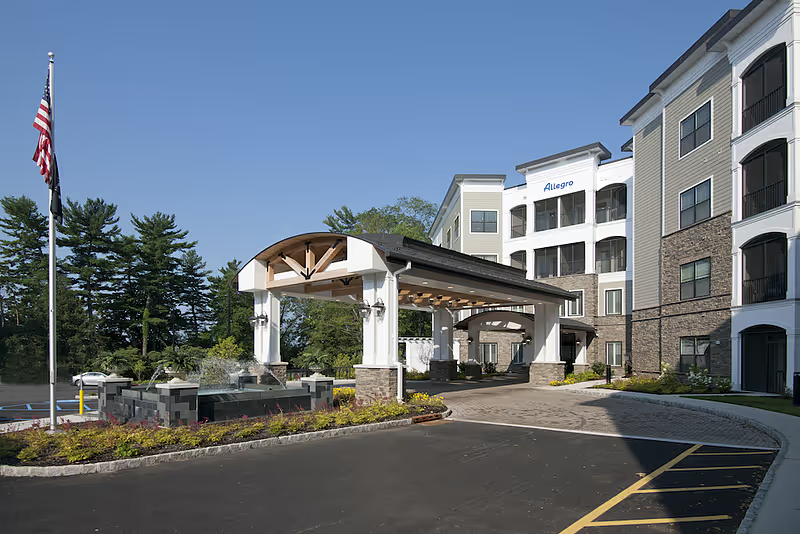
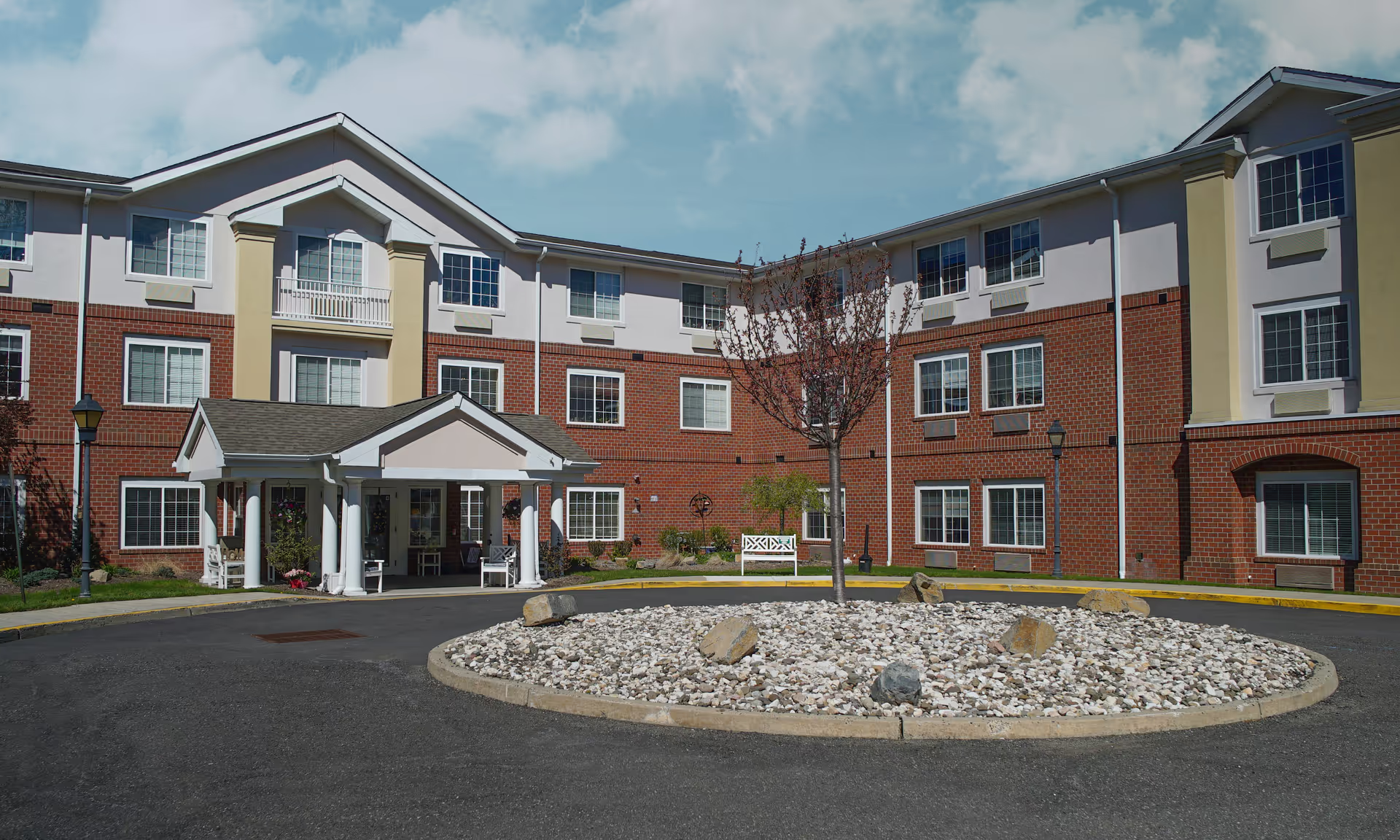
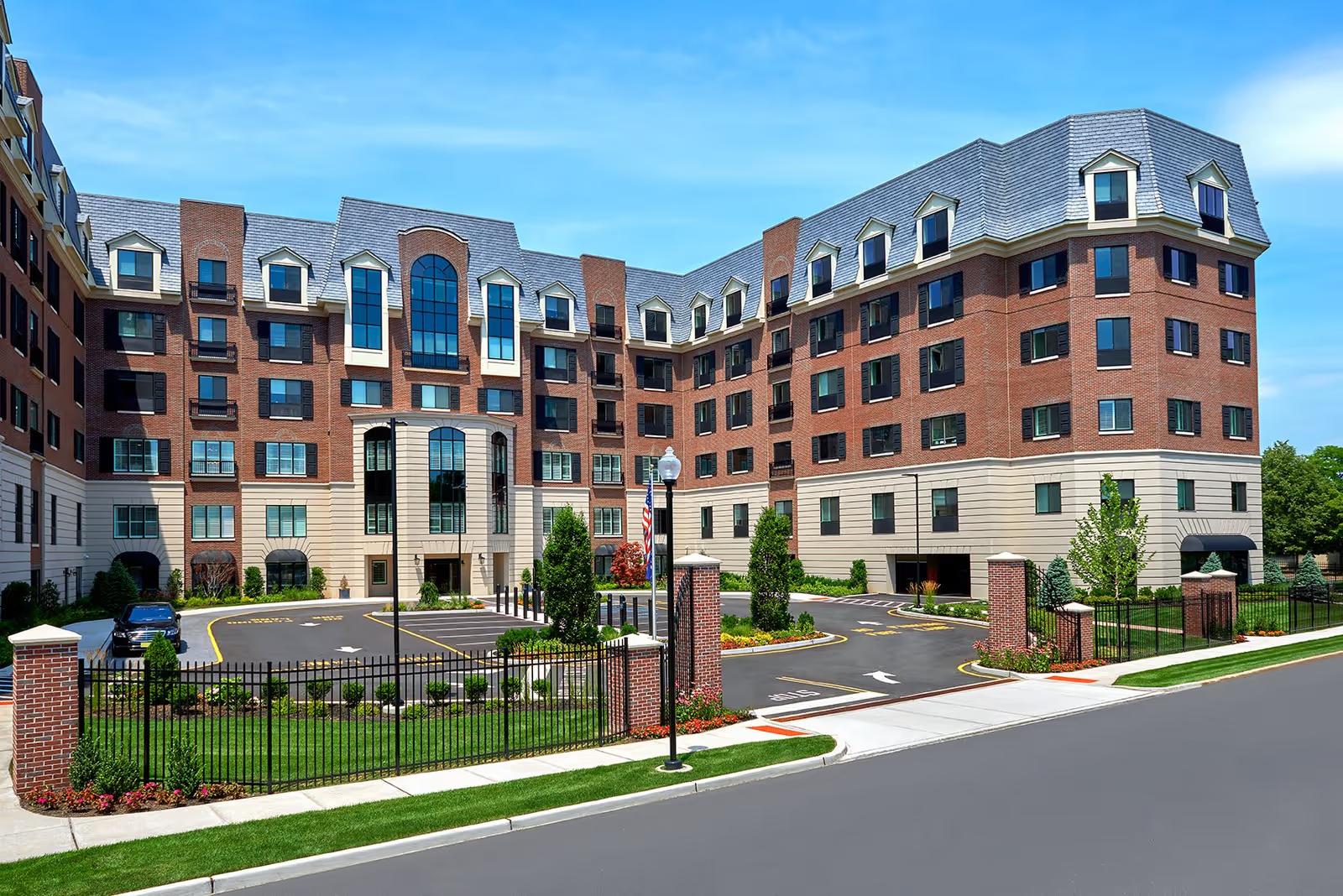
Facilities and amenities Many reviewers describe the building as clean, bright, and well-maintained, with pleasant common spaces and sunny rooms. Conversely, several accounts identify the property as an older building with limited modern conveniences — examples include requests for mini-fridges, concerns about mattress/bedding comfort, and instances of visible wear or damage in some areas. Noise and parking issues were mentioned by a minority of visitors. Overall, the physical environment is functional and welcoming in many parts, but maintenance and amenity gaps appear to be uneven across the campus.
Management, communication, and accountability Families credit particular leaders and staff — named social workers and administrators — with proactive support, helpful admissions, and insurance/Medicare assistance. At the same time, a recurrent theme is inconsistent communication: unanswered or delayed calls, unclear discharge updates, and coordination problems related to medications and transport. Several reviewers raised serious operational concerns including billing transparency and missing personal items; there are also a small number of serious individual allegations, including concerns following a resident’s death. These items suggest areas where management responsiveness and formal accountability processes may need reinforcement.
Notable patterns and guidance for families The dominant positive pattern is strong rehabilitative care and a culture of compassionate hands-on staff during daytime hours. The dominant negative patterns are operational: inconsistent staffing coverage (nights/weekends), variable cleanliness and amenity standards across units, communication and discharge coordination gaps, and occasional competency limits for specialized device care. Prospective residents and families who prioritize intensive therapy and attentive daytime nursing are likely to find strengths here. Those for whom consistent after-hours responsiveness, device-specific nursing expertise, or uniformly modern amenities are essential should inquire specifically about staffing ratios by shift, call-bell response times, medication and discharge procedures, device-care training (e.g., LVAD competence), personal-item safeguards, and any recent corrective action plans.
In sum, CareOne at Cresskill demonstrates notable rehabilitation and caregiver strengths alongside operational variability. Direct, targeted questions during tour and admissions conversations can help families assess whether the facility’s current staffing patterns, clinical competencies, and administrative practices align with the prospective resident’s needs.