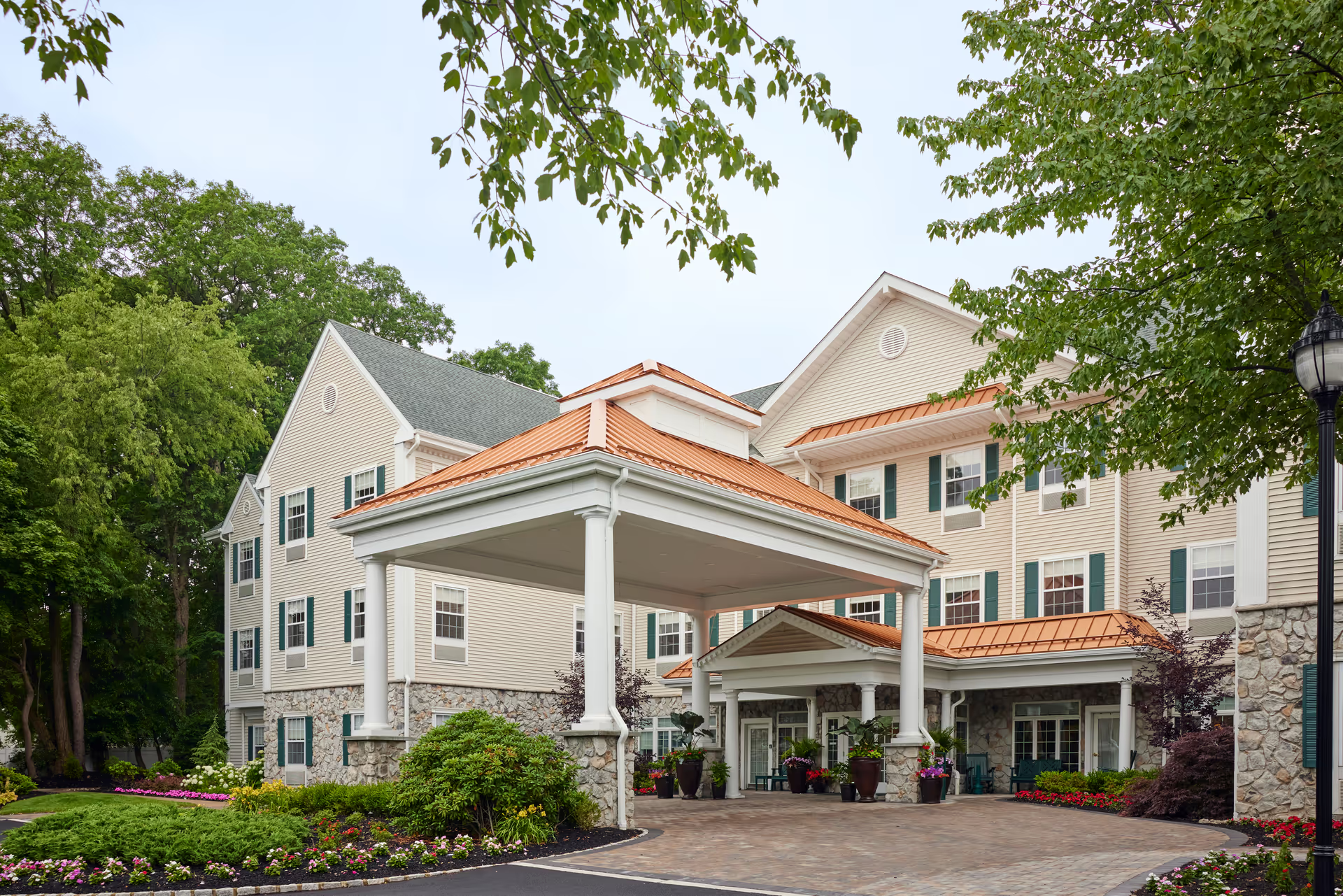
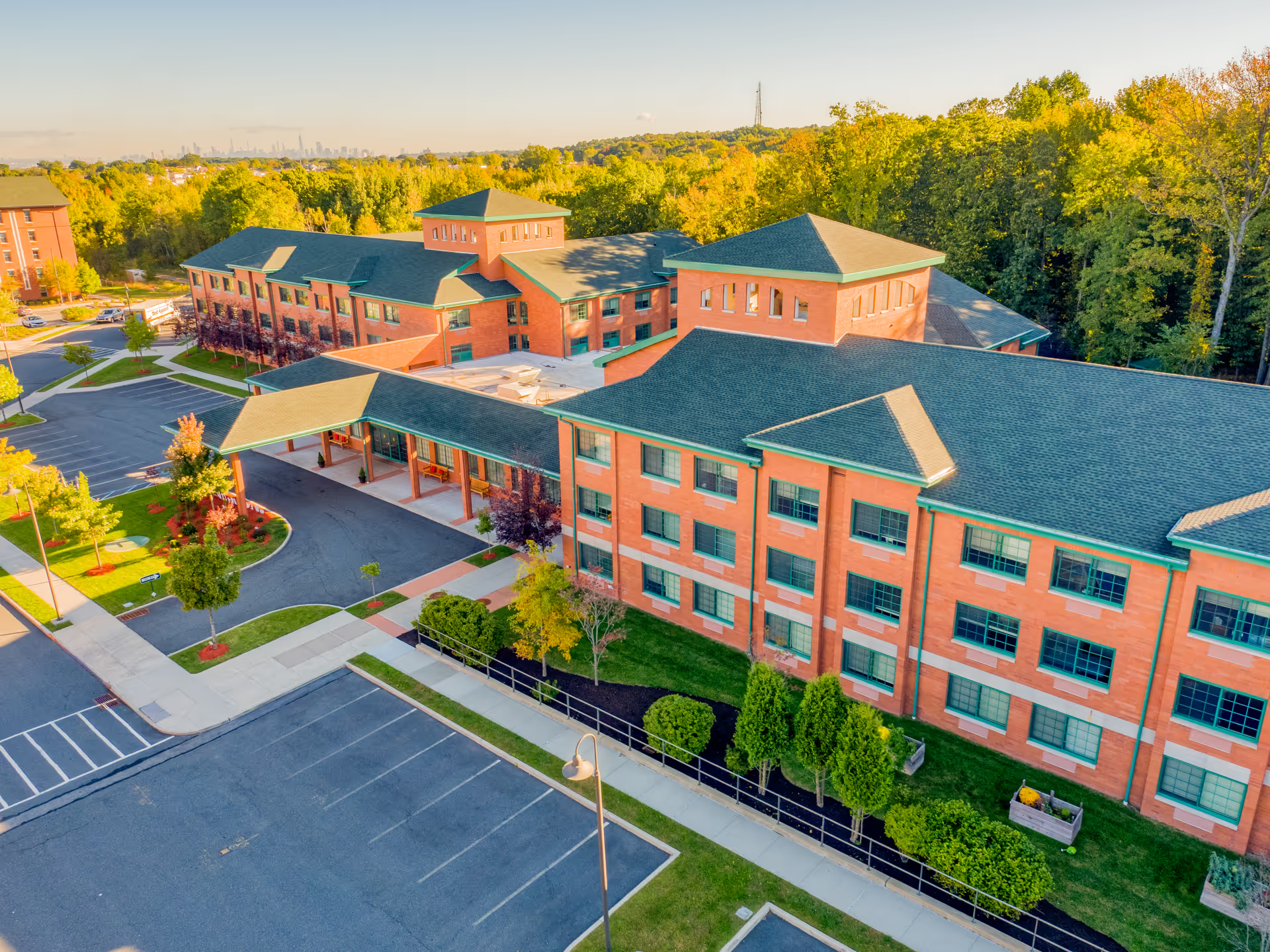
The reviews for Center for Hope Hospice present a predominantly positive picture of end-of-life care, with repeated praise for compassionate, hospice-focused caregiving and a warm, home-like environment. Many families emphasize attentive nursing (including daily nurse visits), quick admissions, and hands-on support from social work and office staff. The facility’s setting is frequently described as serene and comfortable, which families linked to peaceful end-of-life experiences.
Staff performance is the most consistently highlighted strength. Reviewers commonly praise attentive, professional staff who provide individualized attention; several named clinicians and team members were called out for going "above and beyond." Family-centered practices and collaborative care coordination are frequently noted, as is responsiveness when families need admission or last‑days support. At the same time, a minority of reviewers expressed serious concerns about staff conduct and compassion in particular cases, indicating inconsistency in interpersonal care and tone.
Dining and daily living elements receive favorable comments. The presence of in-house meal preparation and kitchen staff is repeatedly mentioned, with families describing thoughtfully prepared food and a homey dining feel. Common areas are described as clean and well maintained, and the overall ambience is often called comforting. Activity programming is not a major theme in these summaries; the emphasis is primarily on social and emotional support rather than structured recreational programming.
Facility and management observations are mixed. The building is characterized as older but generally well cared for; reviewers appreciate the open, pleasant spaces and cleanliness while noting the facility’s age. Operational issues raised in the reviews tend to relate to communication and clinical decision-making: families described gaps in communication during critical events, concerns about medication and treatment management in specific situations, and variability in perceived care quality between different staff or shifts. A few reviewers also cited inconsistent bereavement or family-support follow-up after difficult events.
Taken together, the pattern is one of strong hospice expertise and many instances of compassionate, attentive care, accompanied by occasional, but consequential, inconsistencies in staff conduct, communication, and treatment processes. Prospective residents and families will likely find the facility’s strengths in personalized end-of-life care, home-like dining, and a serene environment appealing. When evaluating placement, families may wish to ask about the facility’s communication protocols during critical events, medication-management safeguards, staff training and supervision practices, and bereavement support to better understand how the facility addresses the inconsistencies noted by some families.