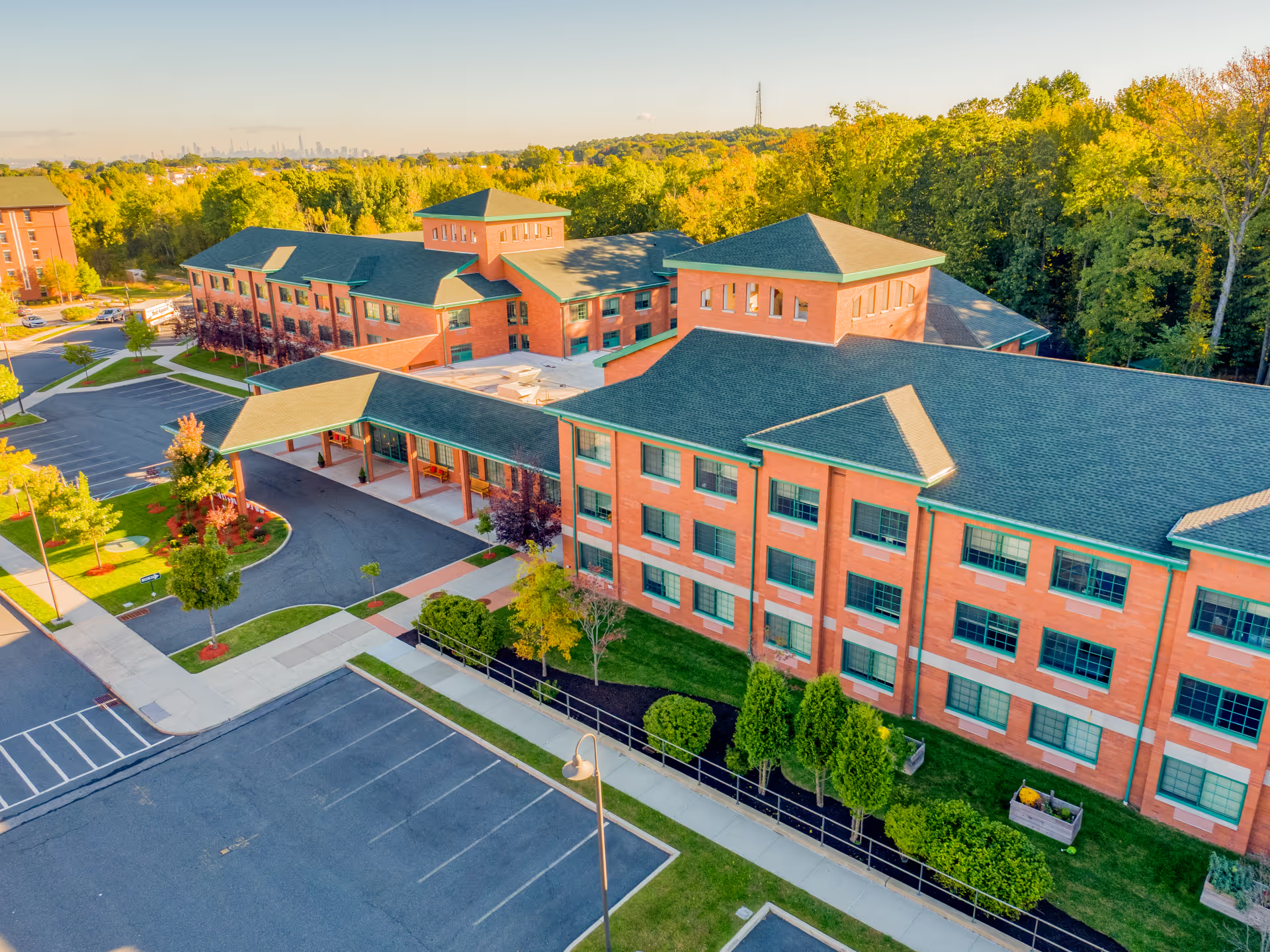
Overall impression Elizabeth Nursing and Rehabilitation Center elicits a mixture of strong praise and serious concern. A substantial portion of families and former residents describe high-quality, rehabilitation-focused care delivered by engaged therapy teams and compassionate nursing staff. At the same time, other accounts point to operational gaps — principally around staffing, infection-control practices, and communication — that create variability in the experience depending on unit assignment and timing.
Care quality and staff The facility's strongest and most consistent positive theme is its clinical rehabilitation capability and the dedication of frontline caregivers. Reviewers frequently highlight effective PT/OT/speech therapy programs that contributed to measurable mobility and functional gains, as well as CNAs and nurses who provided patient, respectful hands-on care. Several individual staff members and administrators received specific praise for responsiveness and family communication. Counterbalancing this, reviewers describe variability in staff conduct, tone, and responsiveness; examples include delayed clinical attention, inconsistent personal-care routines, and concerns about how certain incidents were handled. Staffing shortages and uneven coverage were cited as contributors to those delays and inconsistencies.
Dining and activities Dining and programming are notable strengths for many families. The kitchen is frequently described as accommodating dietary preferences (including a kosher program), and many reviewers praised balanced, appetizing meals. The activities department is described as active and creative, offering events from social gatherings to special attractions that support resident engagement. That said, dining experiences were not uniform: some accounts cite substandard meals and inconsistent service, suggesting dining quality may vary by shift or unit.
Facilities and infection control Facility condition reports are mixed. Several reviews describe recently renovated, bright private rooms with private bathrooms and a well-kept environment; others describe older, crowded units with cramped multi-bed rooms, dated fixtures, and localized sanitation or odor concerns. Infection-control and PPE adherence were highlighted positively by some families (particularly during COVID-19), while other reviewers raised serious concerns about PPE availability, cleaning practices, HVAC/air issues, and overall infection-control consistency. These discrepancies point to uneven maintenance and protocol adherence across different units or periods.
Management, communication, and notable patterns Management and social-work support receive both strong endorsements and critical notes. Many families commend admissions staff and social workers for clear discharge planning, Medicare guidance, and regular updates. Conversely, there are accounts of inconsistent family notification about incidents and delays in communicating clinical changes. A small number of reviews contain serious claims surrounding post-mortem handling and follow-up communication; those are characterized here as allegations and warrant direct inquiry and review of official investigation or inspection records. Overall, patterns suggest that experiences at Elizabeth can be highly positive when staffing, unit condition, and communication align well, but there is meaningful variability that prospective families should probe.
Guidance for prospective residents and families When evaluating Elizabeth Nursing and Rehabilitation Center, consider specific, unit-level questions: current staffing ratios for the intended unit, recent infection-control audits and PPE policies, sample meal plans and kitchen accommodations (including kosher offerings), activity schedules, and the availability of private rooms versus shared rooms. Ask to review recent state inspection reports and any corrective-action plans, and request names of therapy and nursing staff who would be assigned. Visiting the exact unit where a placement is likely to occur will give the best sense of environment and staffing consistency.
In summary, Elizabeth demonstrates clear strengths in rehabilitation, individualized care, activities, and certain renovated areas, paired with variability in staffing, cleanliness, infection-control adherence, and communication. These mixed patterns make direct inquiry and an on-site unit-level assessment important steps before placement.