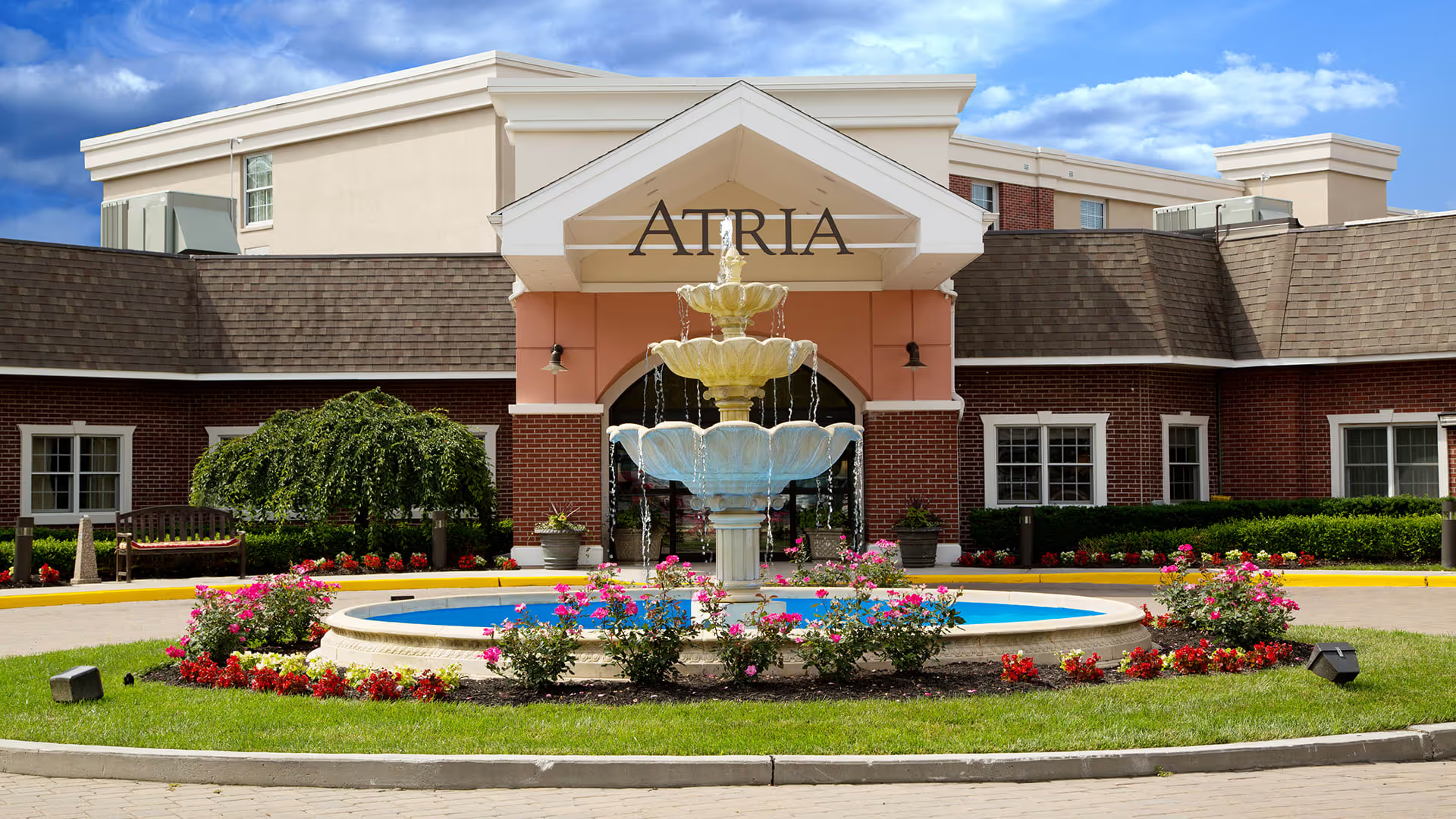
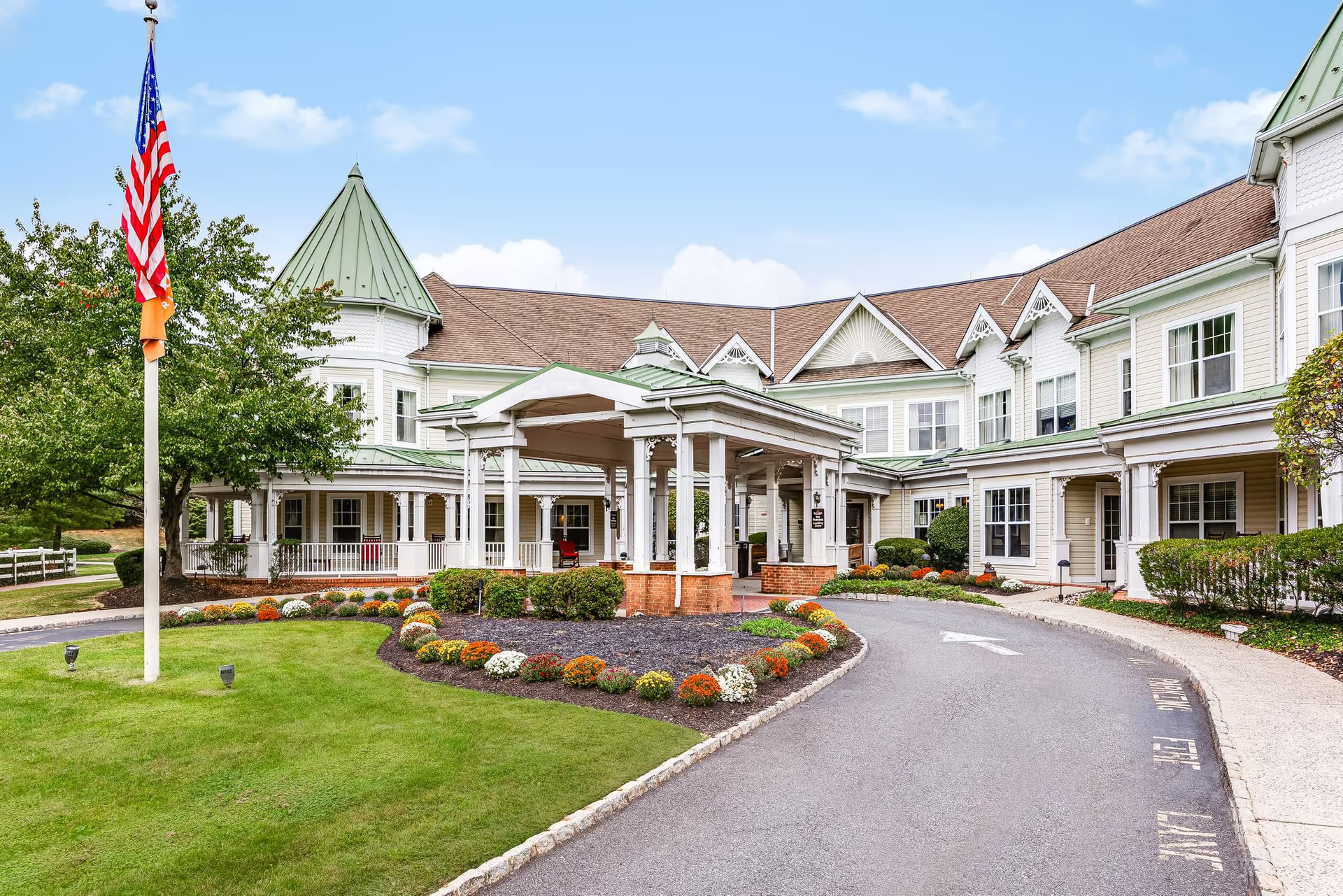
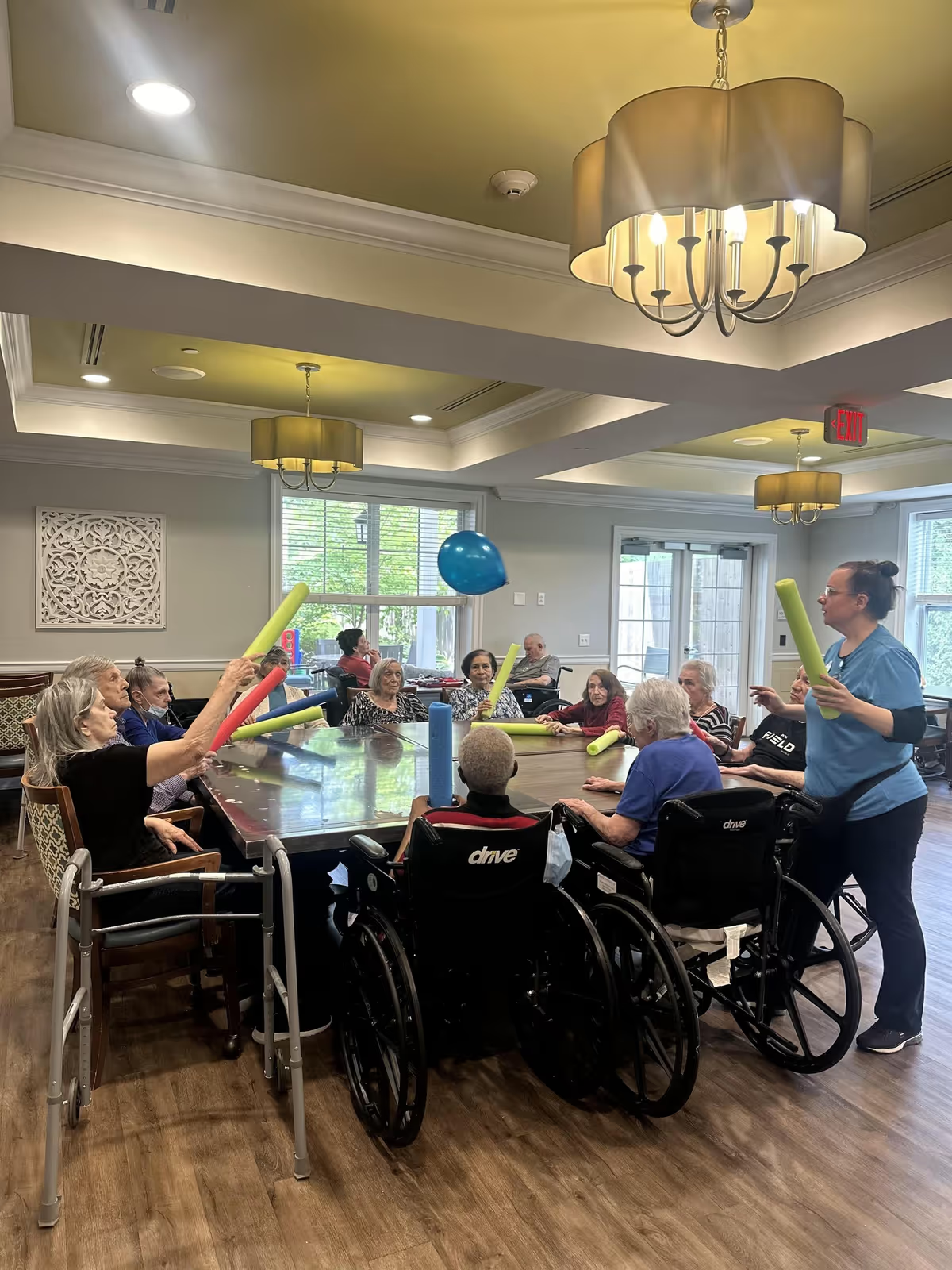
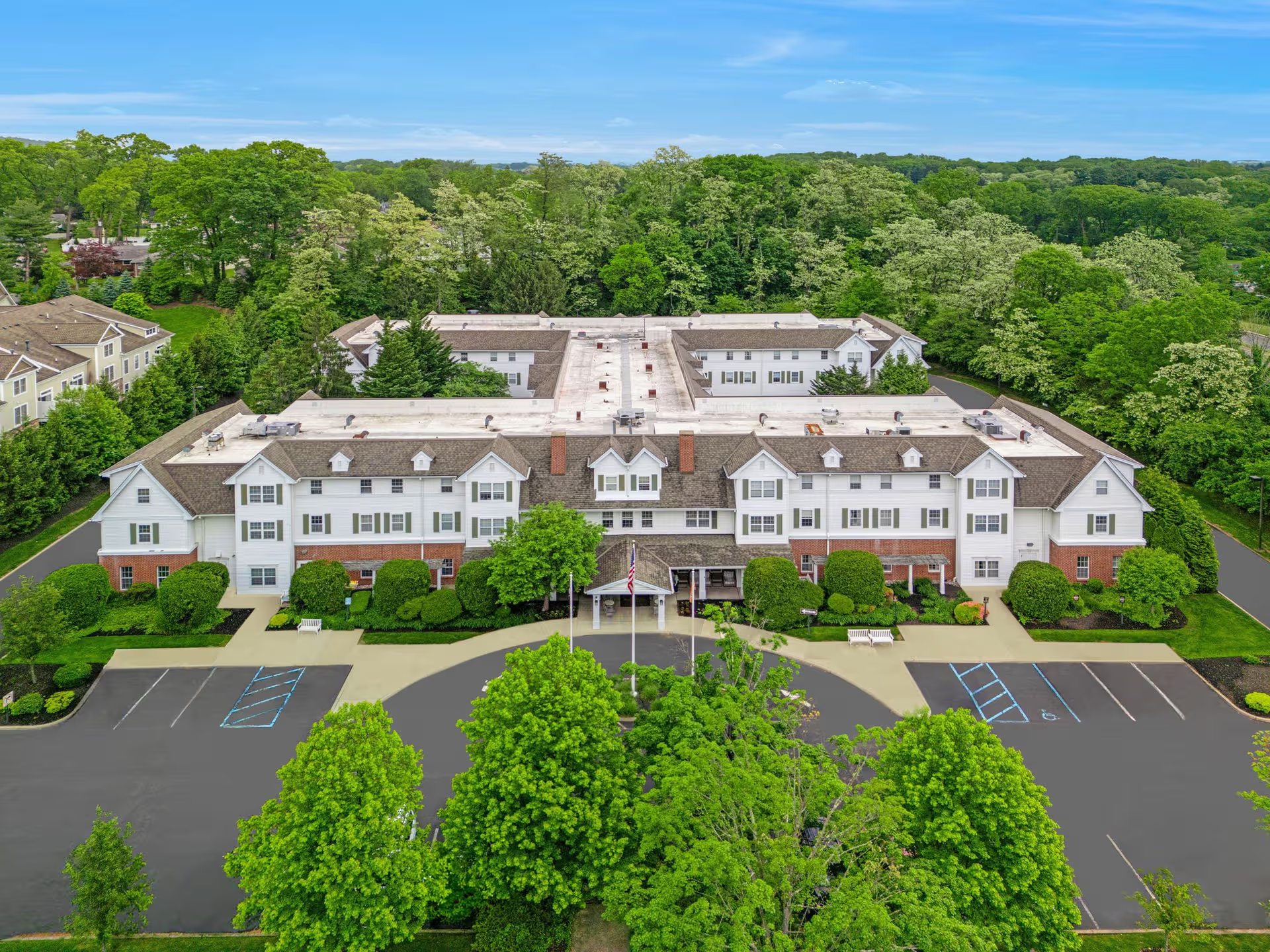
The collected reviews present a strongly polarized picture of Elmora Hills Healthcare & Rehabilitation Center. Many families and former residents praise the facility’s rehabilitation program, therapy teams, and individual caregivers for producing measurable mobility gains and successful discharges home. Reviewers frequently highlight a welcoming admissions experience, well-appointed common areas, a clean and bright interior on entry, and an active activities program that contributes to resident engagement. Multiple accounts describe staff members who are compassionate, knowledgeable, and personable, creating a family-like atmosphere for some residents.
At the same time, a substantial number of reviews describe operational weaknesses that affect day-to-day care. The most consistent concerns involve uneven staff performance across shifts, with higher variability attributed to second/third shifts and to recent staff turnover. Families report gaps in communication—both between clinical shifts and between staff and families—leading to coordination problems around discharge, medication, and incident reporting. Several accounts describe slow responses to call lights and to continence needs, which point to inconsistent responsiveness during busy periods.
Dining and sanitation are another area of mixed feedback. Many reviewers praise good meals and attentive dietary accommodations, while others cite repeated meal errors, failures to follow prescribed diets, and inconsistent handling of linens and room cleanliness. These contrasting impressions suggest variability in kitchen and housekeeping operations rather than a uniformly poor or uniformly excellent program. There are also isolated but serious clinical concerns reported, including wound-care and medication-process inconsistencies and safety events such as falls and transfer-related injuries; these items highlight gaps in clinical oversight and incident reporting systems.
Management and administration receive both positive and negative comments. Several reviewers commend hands-on administrators and responsive leaders who address family needs; others describe unresponsive or ineffective supervisory follow-up, particularly around staffing problems and family complaints. Communications infrastructure—switchboard and voicemail handling—was noted as an operational weakness in multiple accounts, exacerbating family frustration when timely answers are needed.
For prospective residents and families, the pattern suggests that Elmora Hills has substantive strengths in rehabilitation, therapy-driven outcomes, and certain caregiving relationships, but also carries notable variability in staffing consistency, communication, sanitation processes, and safety oversight. A recommended approach when evaluating the facility is to schedule a multi-hour visit that spans different shifts, ask specific questions about staffing ratios and turnover, review dietary and linen protocols, request current staffing schedules and incident-reporting policies, and inquire about recent regulatory follow-up or corrective actions. Those steps can help determine whether the facility’s strengths align with an individual resident’s clinical and safety needs and whether the administrative responsiveness meets family expectations.