Overall impression Plaza Healthcare and Rehab Center elicits strongly mixed impressions. Many families and resident-visitors describe high-quality clinical care, an attentive and compassionate staff, successful rehabilitation outcomes, and an active recreational program. At the same time, a subset of reviews raises operational and safety-related concerns that point to variability in the resident experience. Prospective residents and families will find both clear strengths and identifiable weaknesses to weigh when considering the facility.
Care quality and clinical responsiveness A substantial portion of feedback highlights skilled nursing, effective wound care, and rehabilitation teams that produce measurable recovery and discharge-to-home outcomes. Social work and case-management support are frequently described as proactive and helpful in discharge planning. However, there are also reports indicating delays in recognizing or escalating acute medical changes and in arranging hospital transfers. These accounts suggest gaps in clinical escalation processes and inconsistent timeliness of urgent medical response. Families who prioritize rapid medical escalation and continuous monitoring should ask about on‑call physician coverage, transfer protocols, and incident escalation pathways during their tour.
Staff, communication and leadership Staff behavior and leadership receive many positive mentions: nurses, CNAs, therapists, housekeeping, and front‑desk personnel are often described as professional, warm, and trustworthy. Several reviews single out individual caregivers and administrative leaders for exemplary service. Conversely, reviewers also describe variability in staff professionalism and communication tone, particularly across different shifts. Phone and access responsiveness problems are noted in some accounts, which may affect families’ ability to reach staff promptly. Overall, leadership and the administration are frequently praised, but execution appears uneven in certain operational areas.
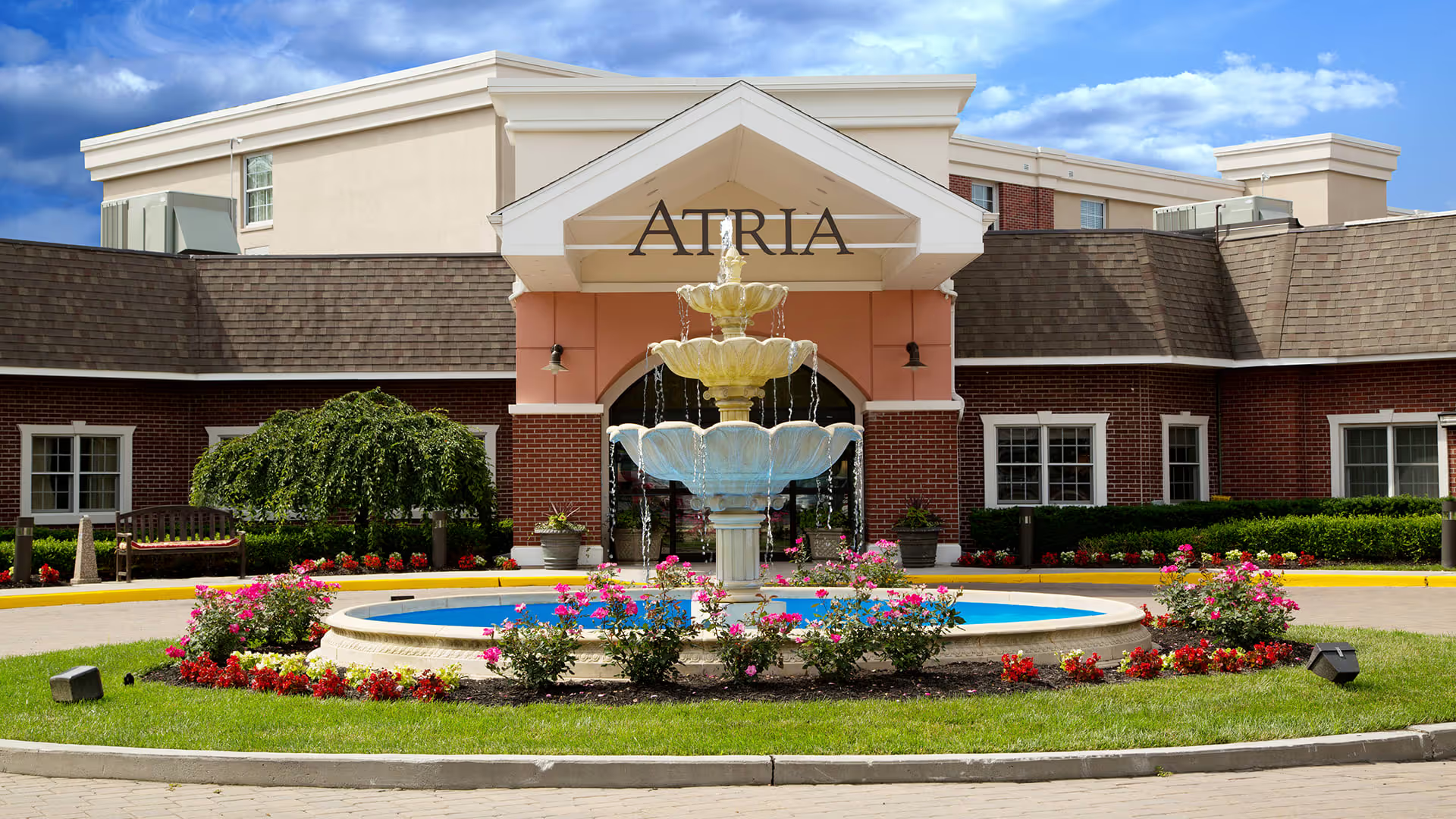
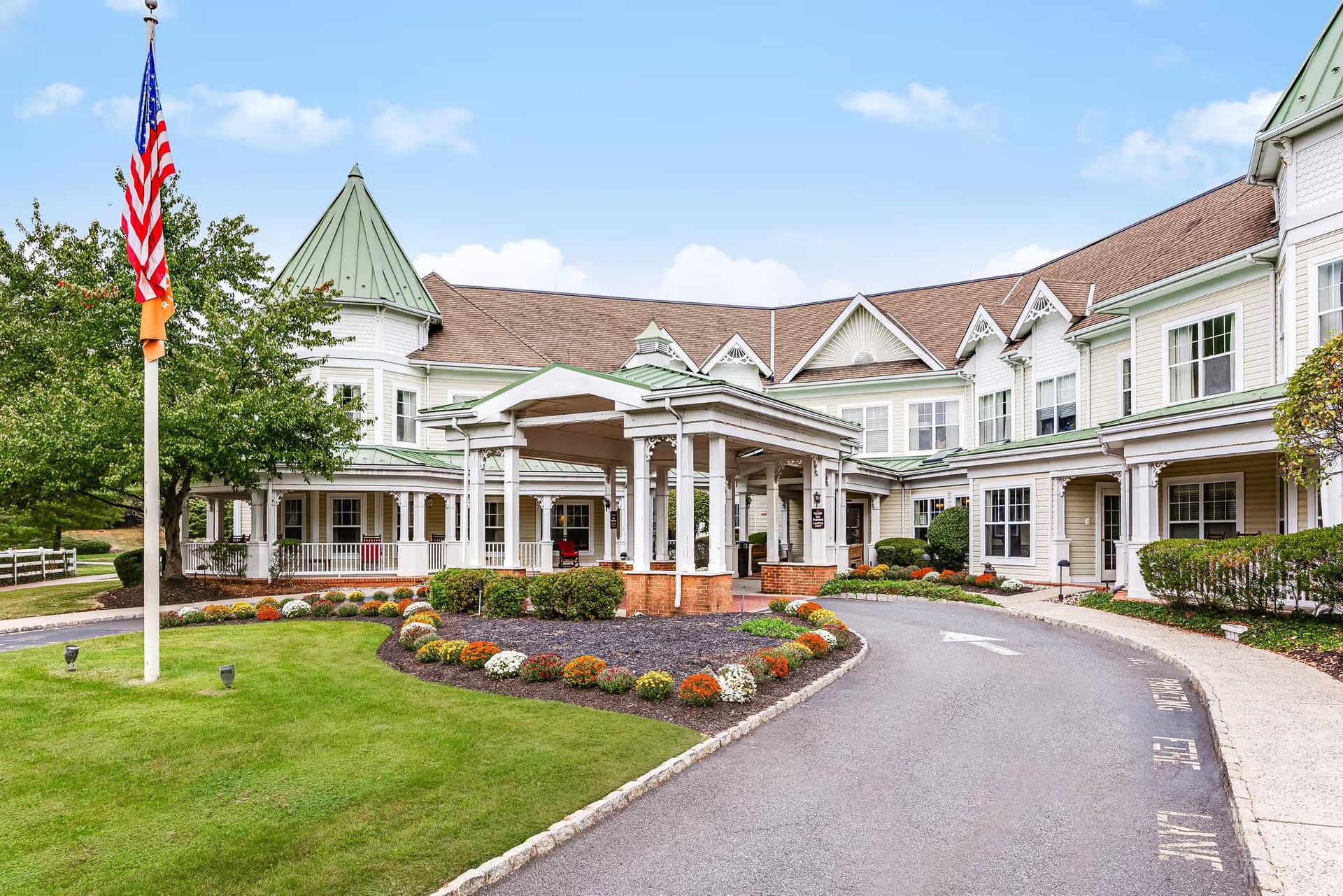
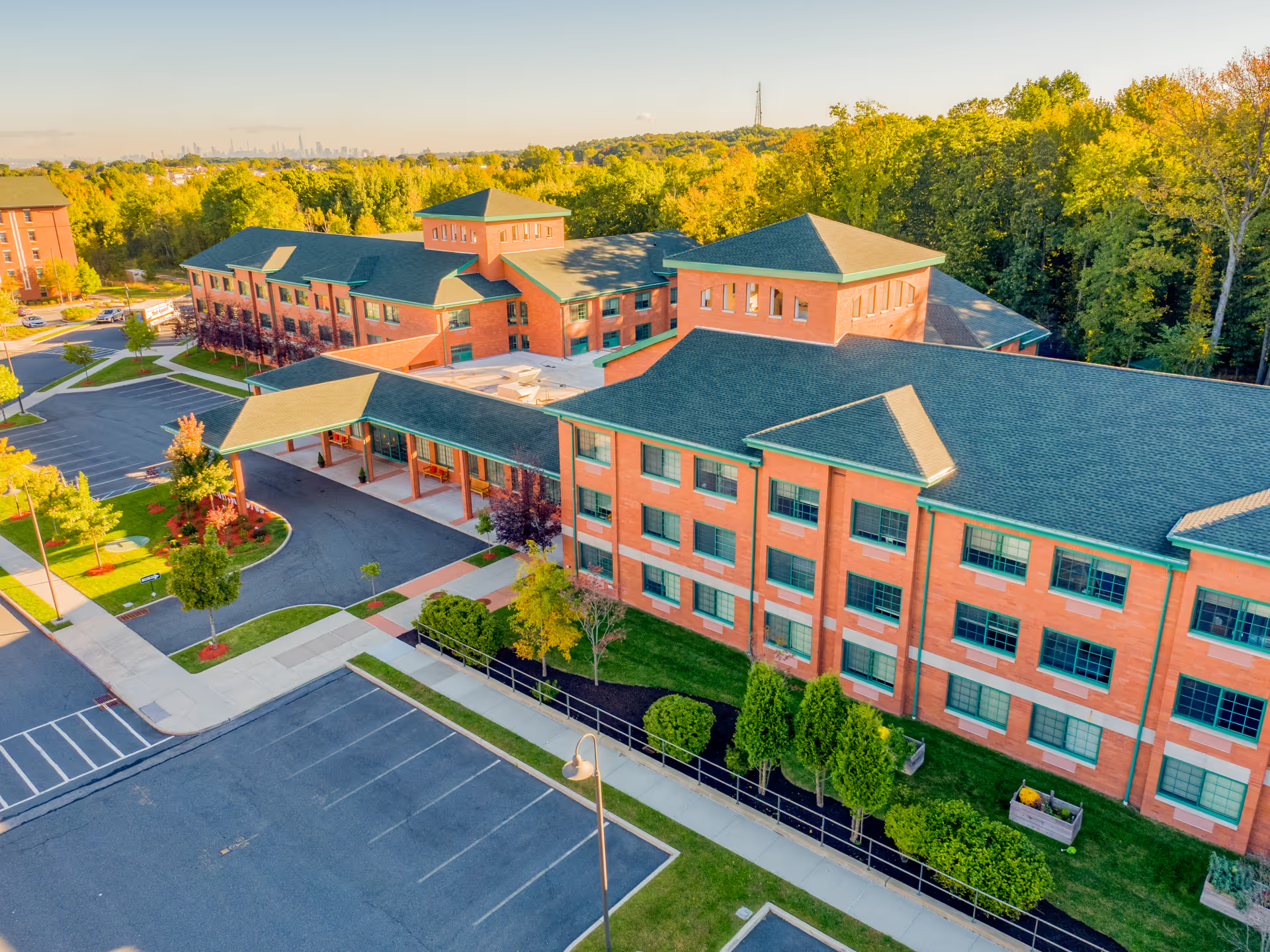
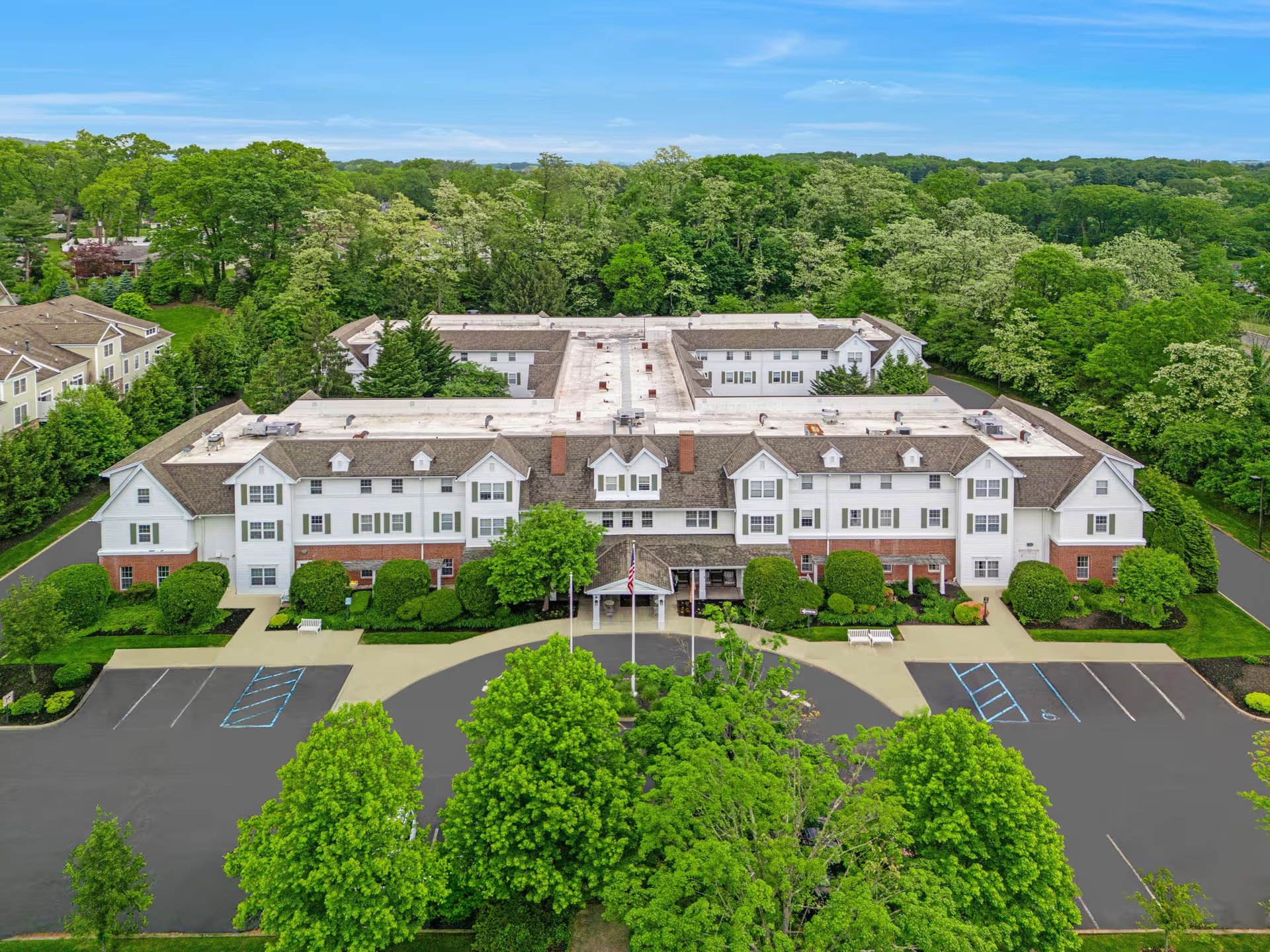
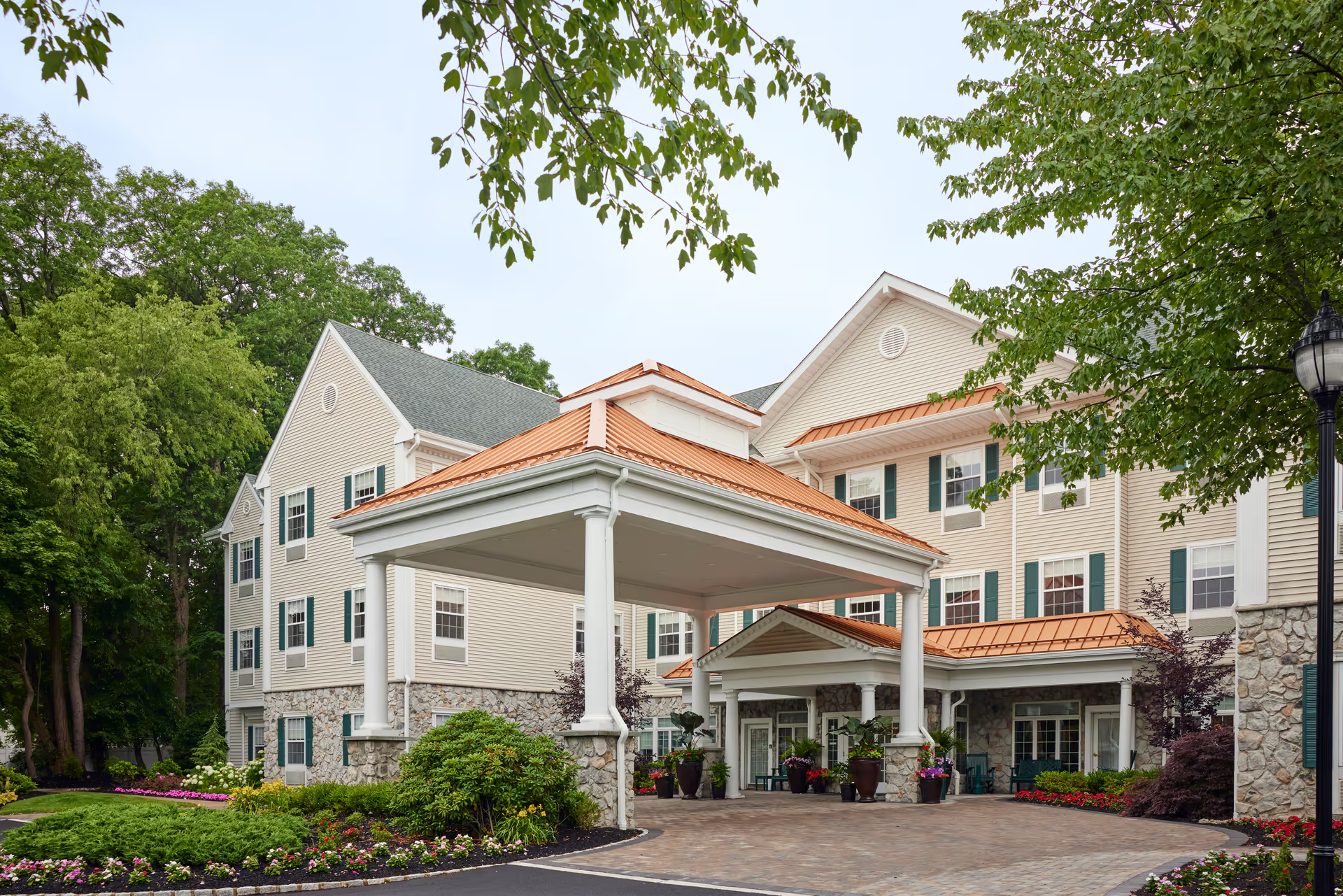
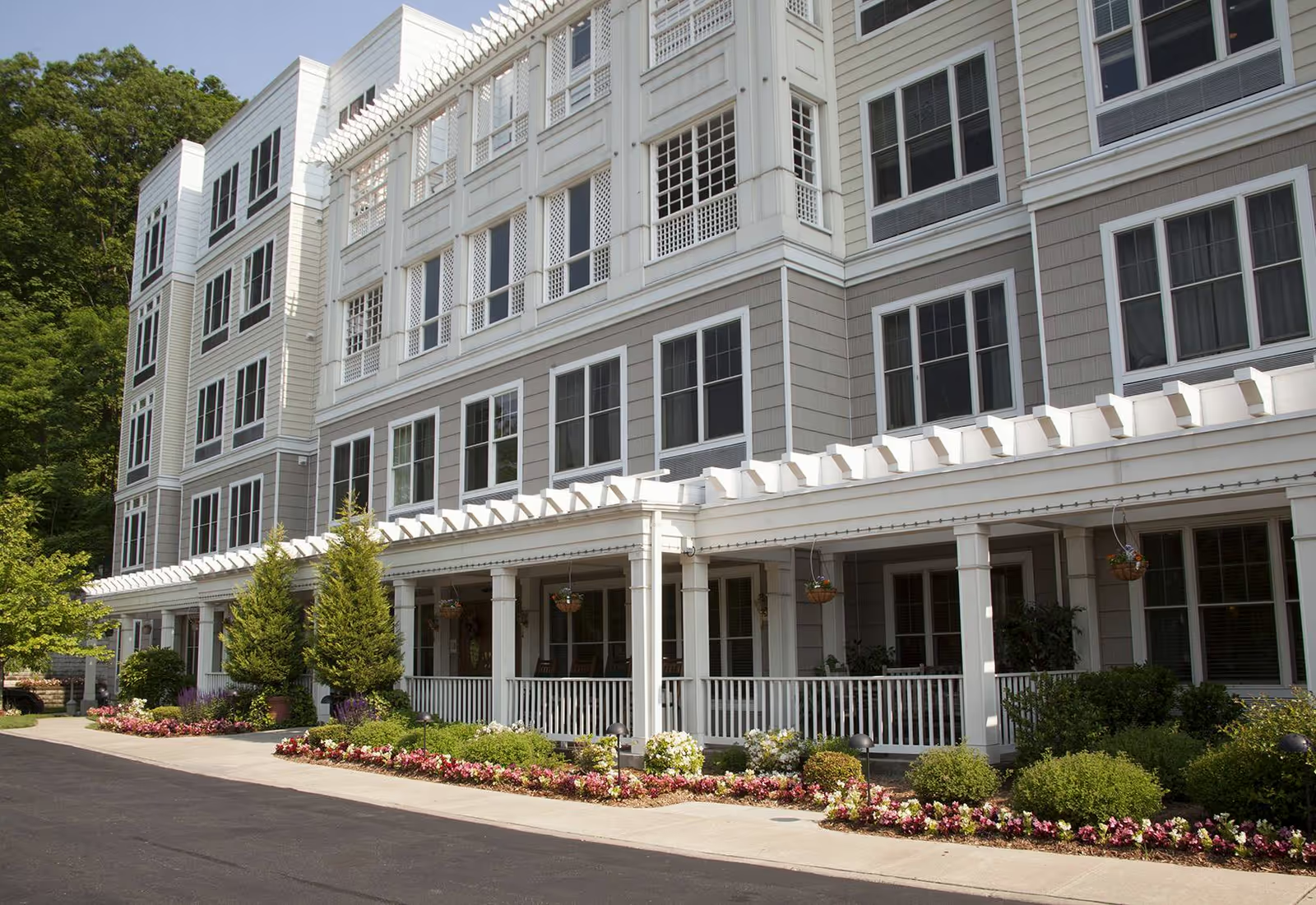
Facilities, maintenance and sanitation Numerous comments praise the facility’s cleanliness, outdoor spaces, and well‑kept common areas. Housekeeping and laundry services receive repeated positive feedback. Nevertheless, other comments identify sanitation concerns, odor issues in some areas, pest‑control concerns, and equipment- or maintenance-related deficiencies (for example, broken lifts, worn fixtures, or rusted hardware). These maintenance and sanitation issues are operational traits rather than isolated aesthetic complaints and could affect resident comfort and safety if not addressed consistently.
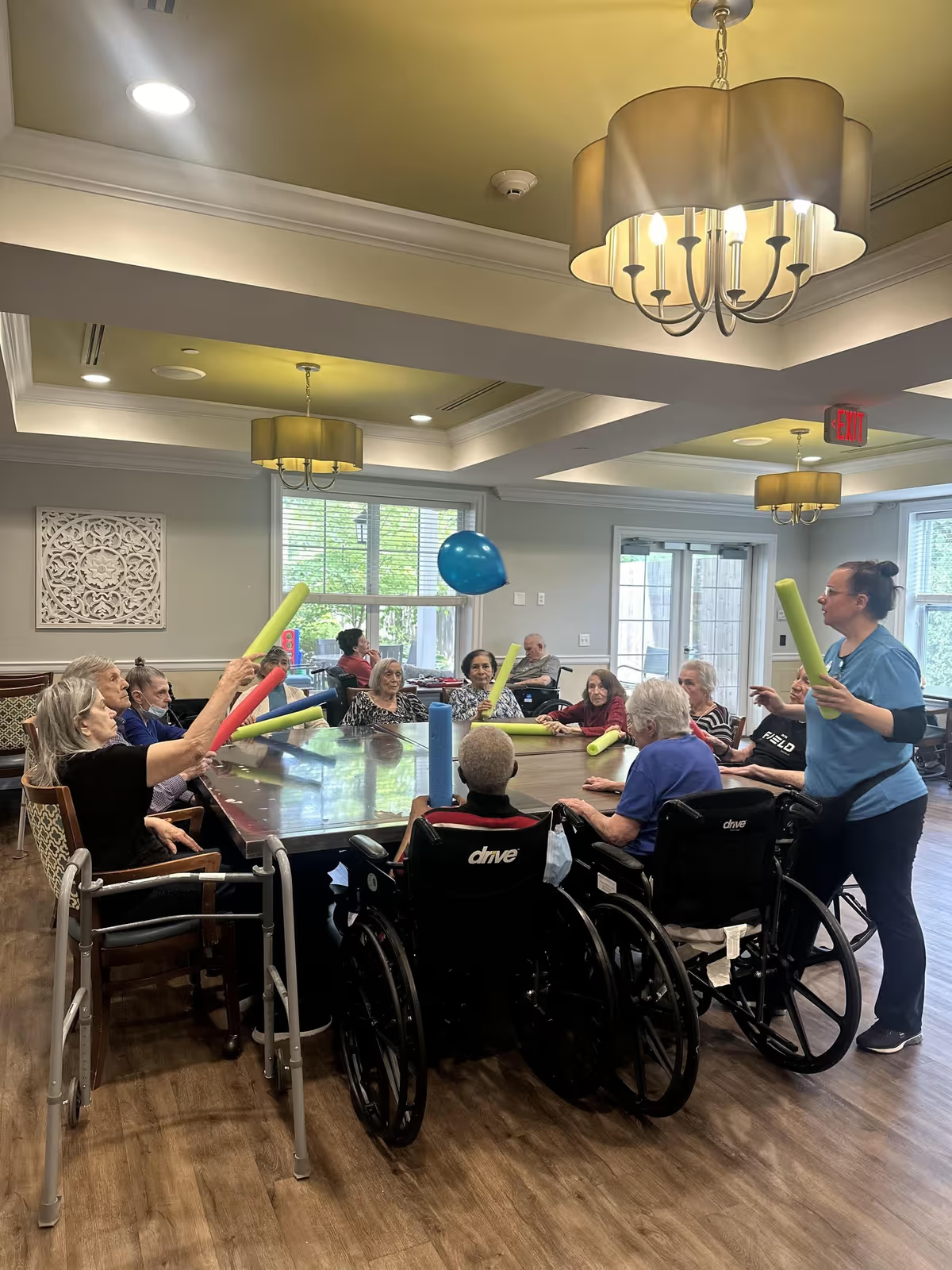
Dining, activities and daily life Dining receives generally favorable remarks, with several reviewers calling the meals ‘‘amazing’’ while others describe inconsistent food quality. The recreation and activities program is commonly described as vibrant and a significant contributor to residents’ quality of life. Many families characterize the environment as welcoming and family‑like, and staff engagement in social programming is a recurring positive theme.
Notable patterns and recommendations for families The dominant positive patterns are strong rehabilitation outcomes, compassionate direct-care staff, active recreation, and visible administrative leadership. The dominant negative patterns are variability—across shifts and units—in sanitation, maintenance, staff conduct, and clinical escalation responsiveness. For decision-making, families should balance the facility’s strong clinical and therapy capabilities against the identified operational inconsistencies. Practical inquiries during a visit include asking about recent corrective actions for maintenance and pest control, staffing levels and supervision by shift, protocols for clinical escalation and hospital transfer, phone/visitor access reliability, and meal-service consistency. These targeted questions can help determine whether the facility’s strengths align with a prospective resident’s care priorities.