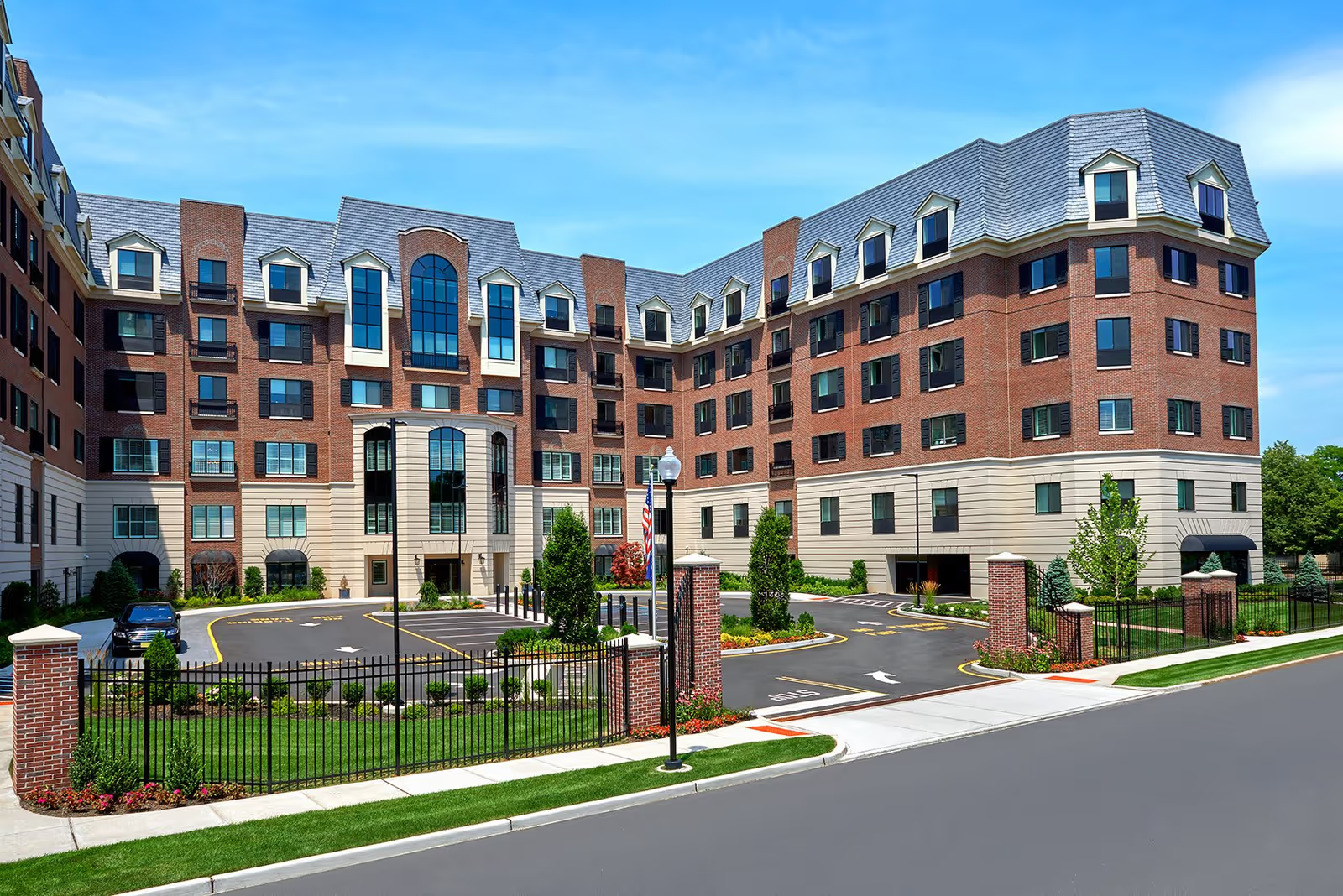
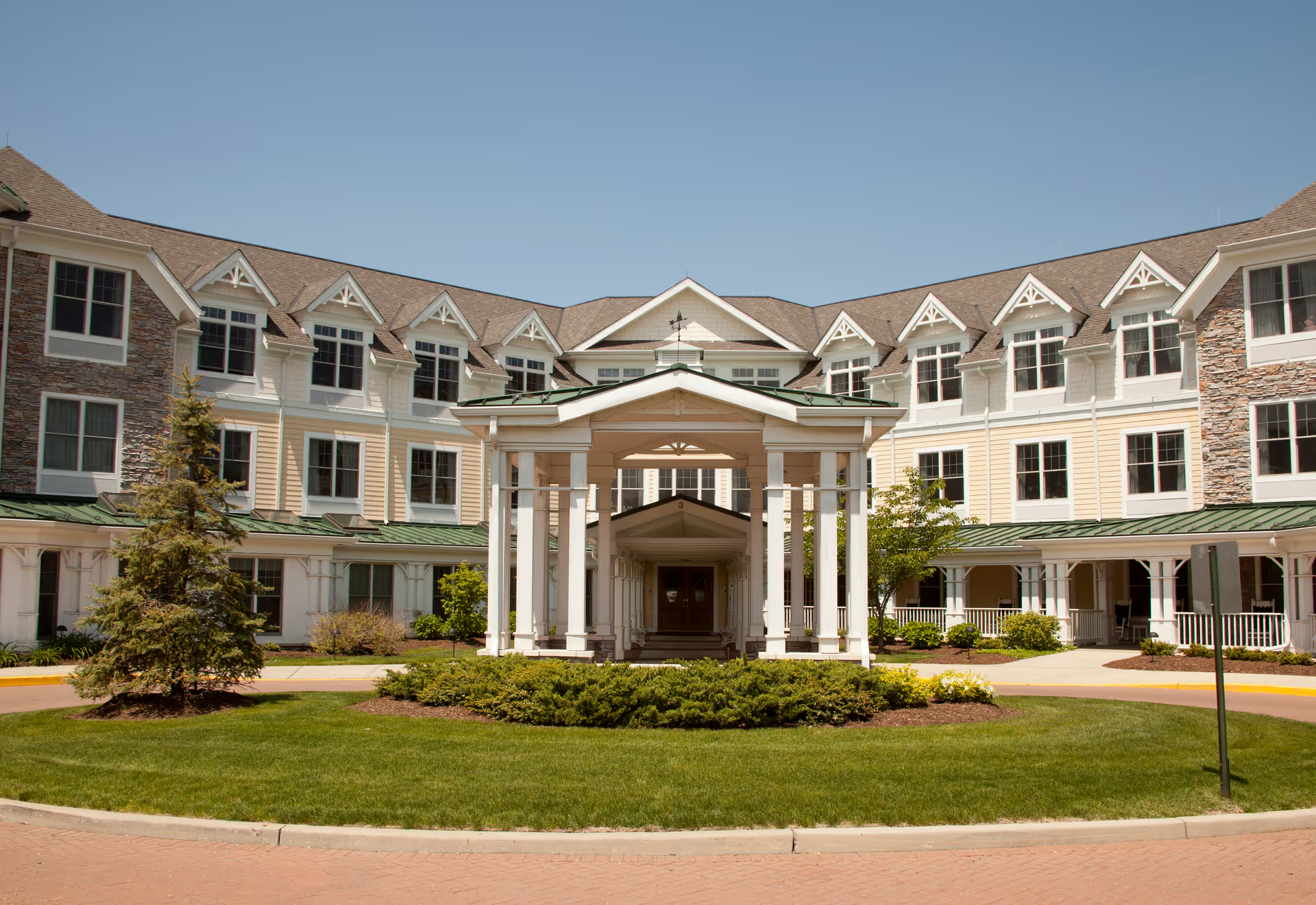
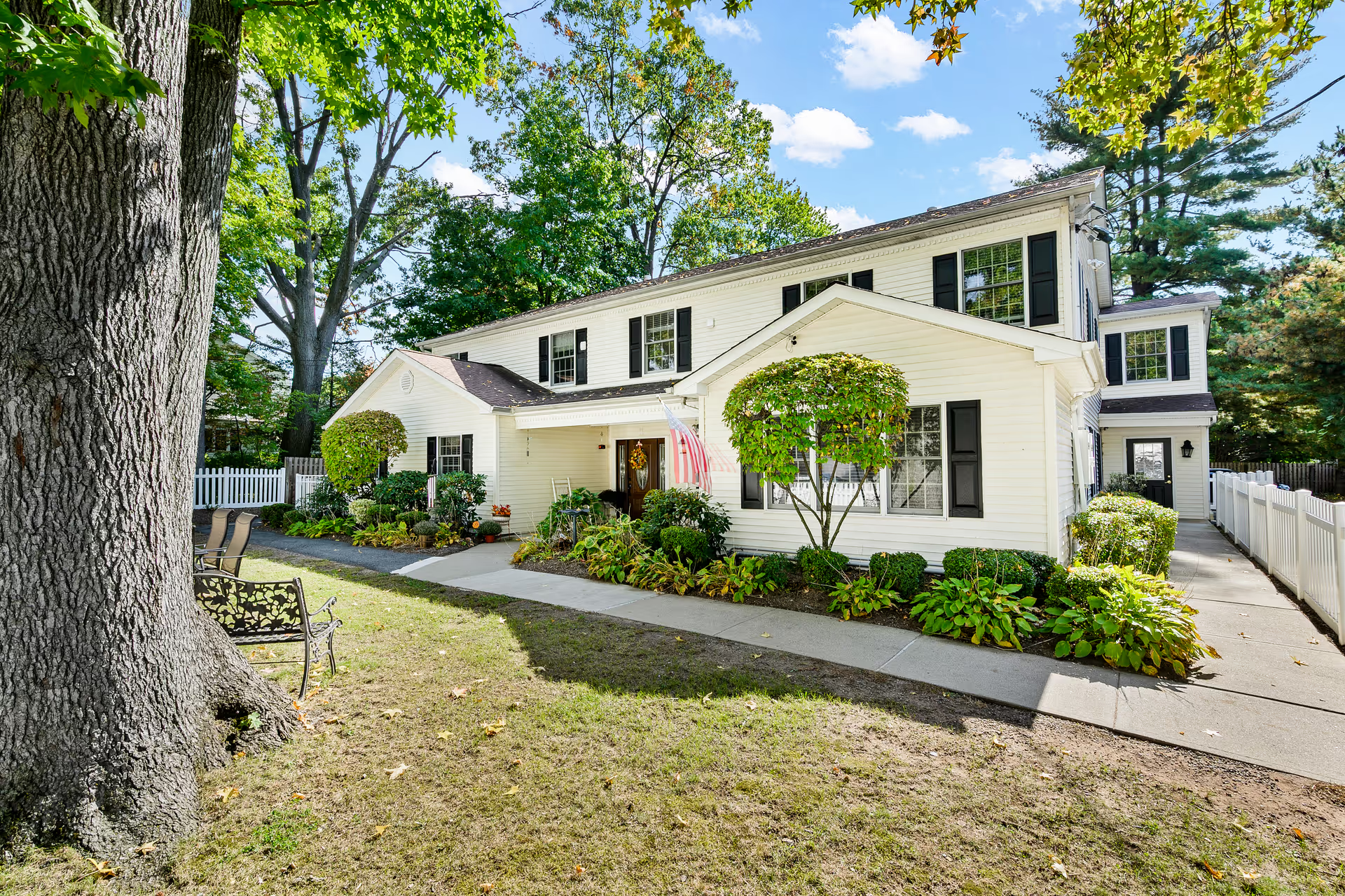
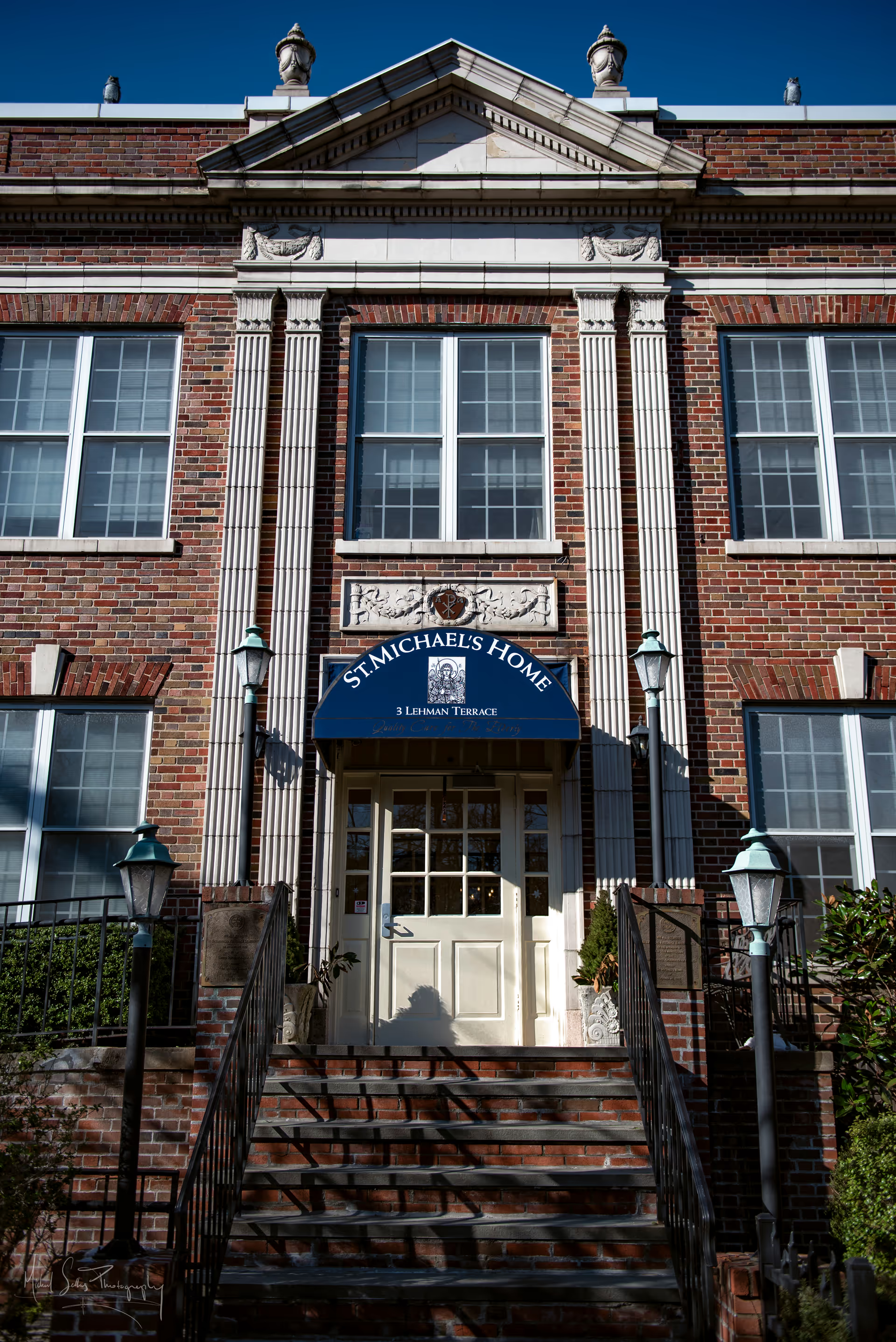
Overall impression: Reviews portray a facility with consistently strong caregiving and rehabilitative strengths alongside operational inconsistencies that prospective families should evaluate. Most accounts emphasize compassionate, attentive nurses and aides, a capable rehabilitation team, and a welcoming, home-like environment. Many families described successful recoveries, measurable clinical improvements, and helpful discharge planning. Cleanliness and private-room comfort are frequent positives, and recent upgrades (notably a renovated first floor) and attractive dining receive favorable comment.
Care quality and clinical patterns: Clinical strengths include effective physical therapy and short-term rehabilitation services, individualized care plans, and staff who are described as knowledgeable and supportive. However, there are repeated concerns about medication management and timeliness of pain-control interventions; examples include delays in ordering or administering medicines and instances where medication processes did not function smoothly. Limited on-site physician availability was also noted, which can affect clinical decision speed. Families should ask about current protocols for medication reconciliation, pain-management response times, and physician coverage during a tour.
Staff, communication, and management: The facility is widely praised for warm, communicative staff and responsive admissions and social-work support. Nonetheless, reviewers describe variability in staff tone and professionalism — while many staff are characterized as courteous and proactive, a minority of accounts indicate less constructive interactions. Communication between shifts, between nursing and physicians, and with families shows room for improvement, particularly around medication orders and incident reporting. There are also remarks pointing to gaps in incident-response procedures; a small number of serious accusations were raised that families may wish to review directly with management and ask how the facility investigates and documents such events.
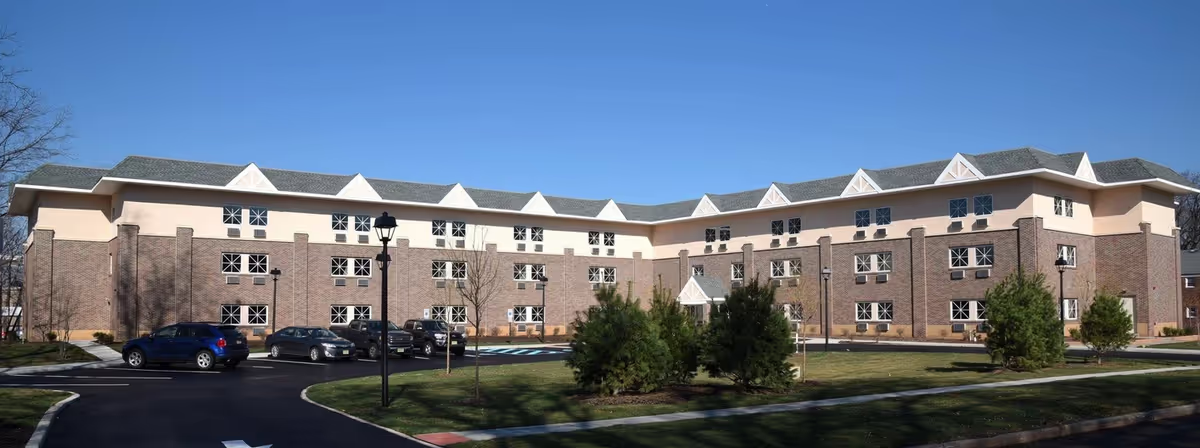
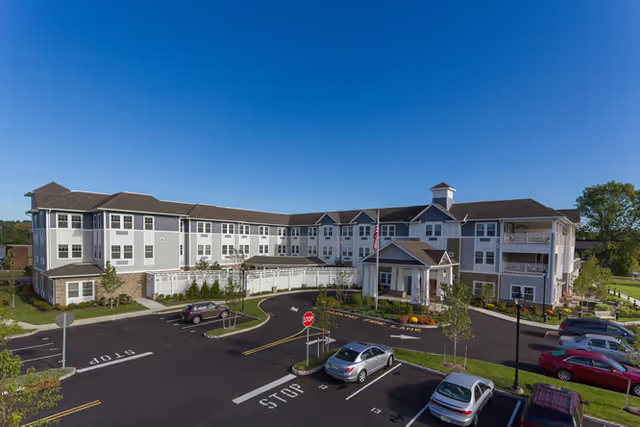
Dining, activities, and facilities: Dining is generally seen as nutritious and improved over time, with an inviting dining area and menu accommodations for individual needs; a few reports cite cold meals or limited portions at times. The activities program is a clear strength, described as engaging and supportive of independence. Facility condition is mixed: parts of the building and grounds are well kept and bright, while other areas appear dated or in need of cosmetic maintenance. Outdoor space is limited and older in some sections. Accessibility concerns, particularly limited handicapped parking, were mentioned and should be clarified during a visit.
Notable patterns and guidance for families: The dominant positives are strong caregiving, effective rehab, cleanliness in many areas, and good family communication when staff perform well. The dominant operational issues relate to medication and pain-management processes, inconsistent staff conduct, uneven physical plant condition, and limited physician presence. Prospective residents and their families should tour multiple units (newer and older areas), meet the therapy and nursing leads, ask about staffing ratios and on-site clinical coverage, review recent inspection/survey results, inquire about medication administration protocols and incident-response policies, and check parking and accessibility for their needs. These steps will help determine whether the facility’s strengths align with the prospective resident’s clinical and personal priorities.