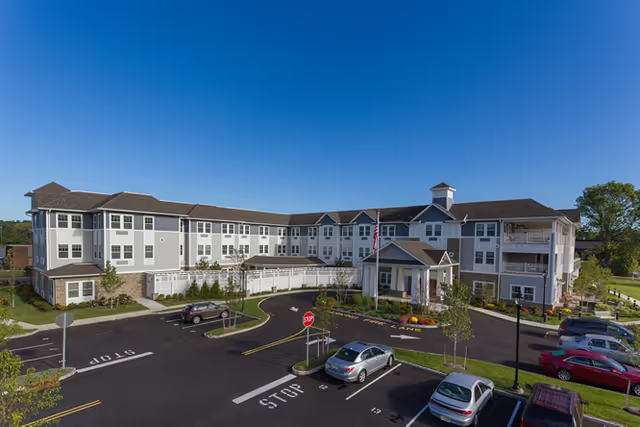
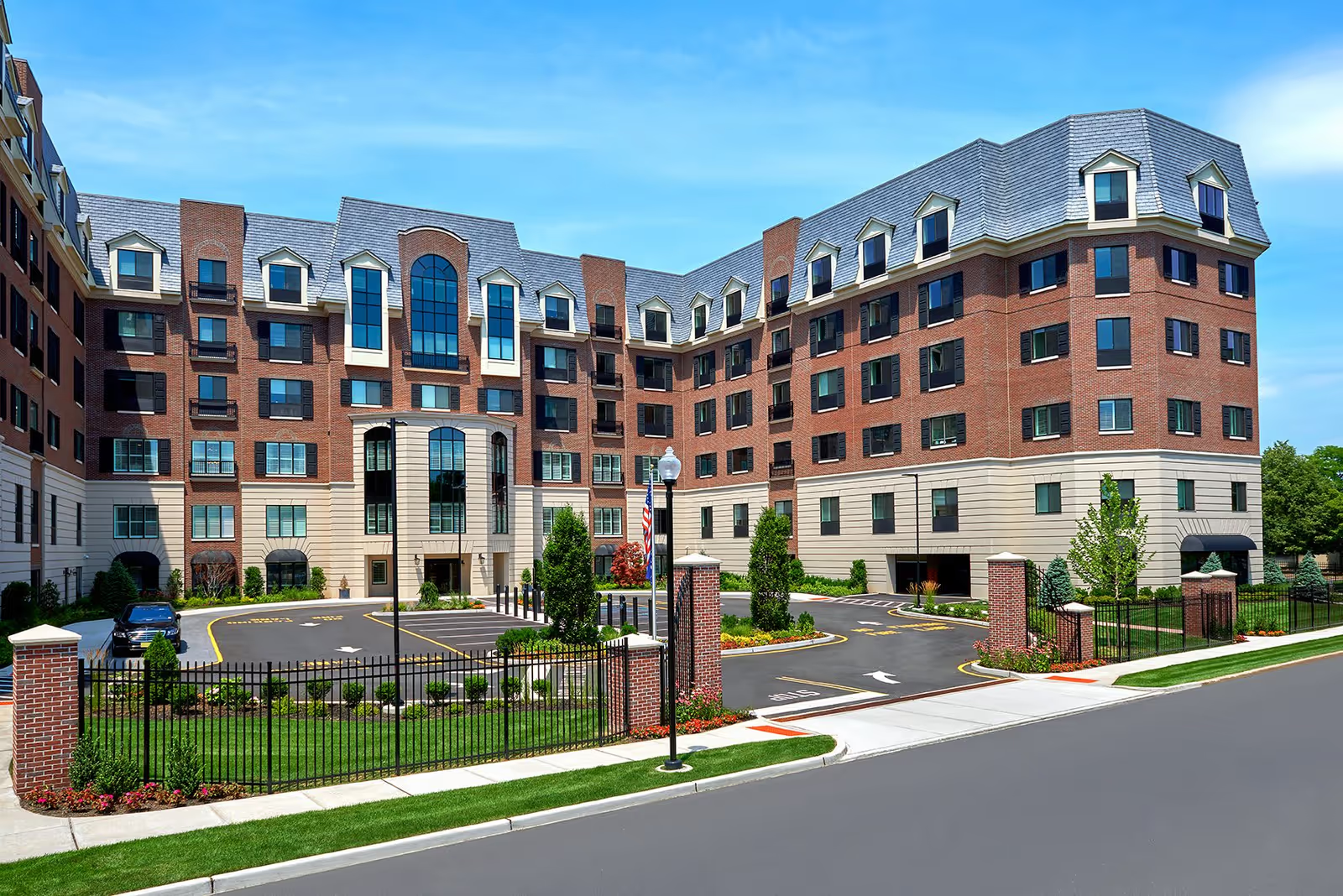
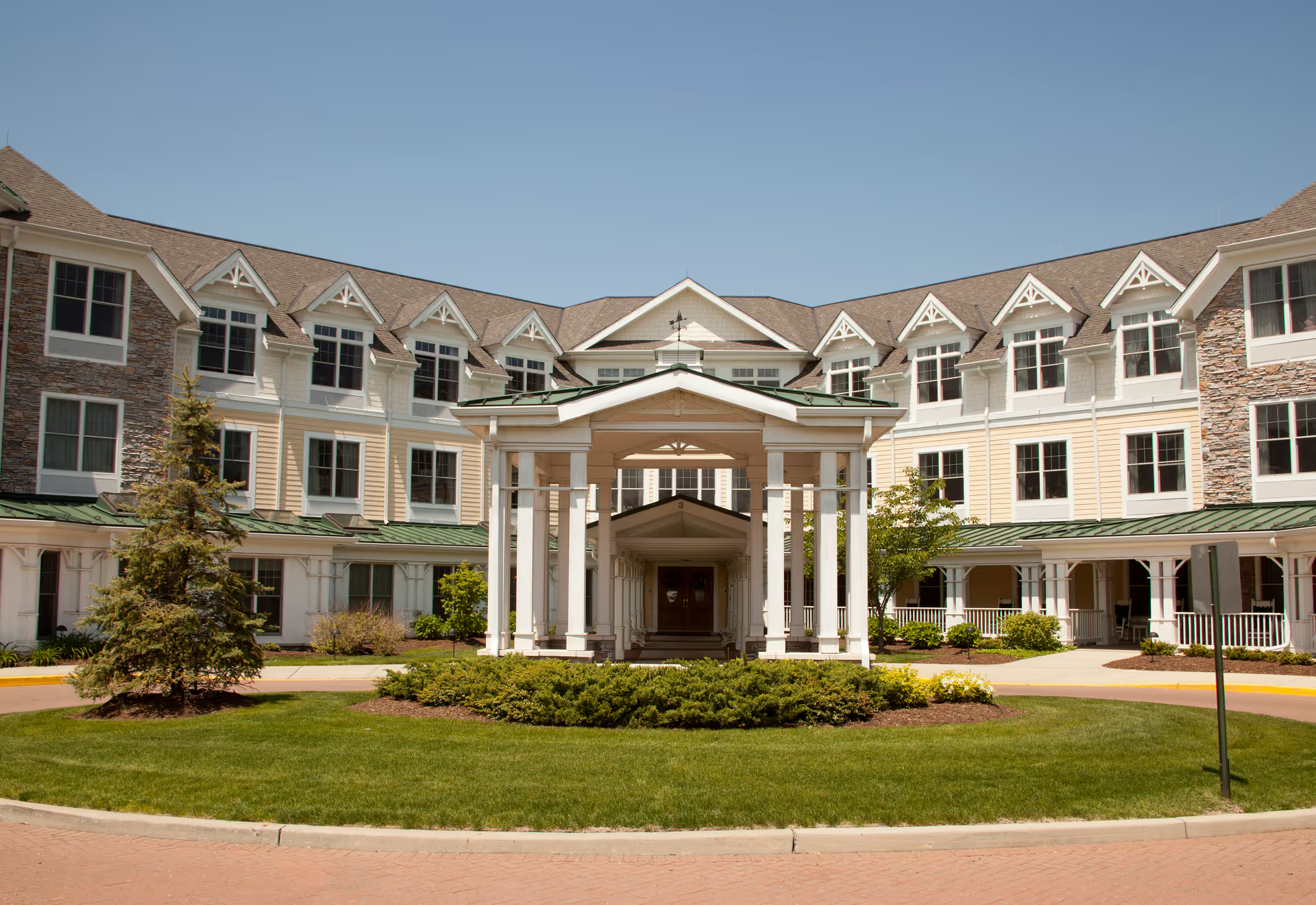
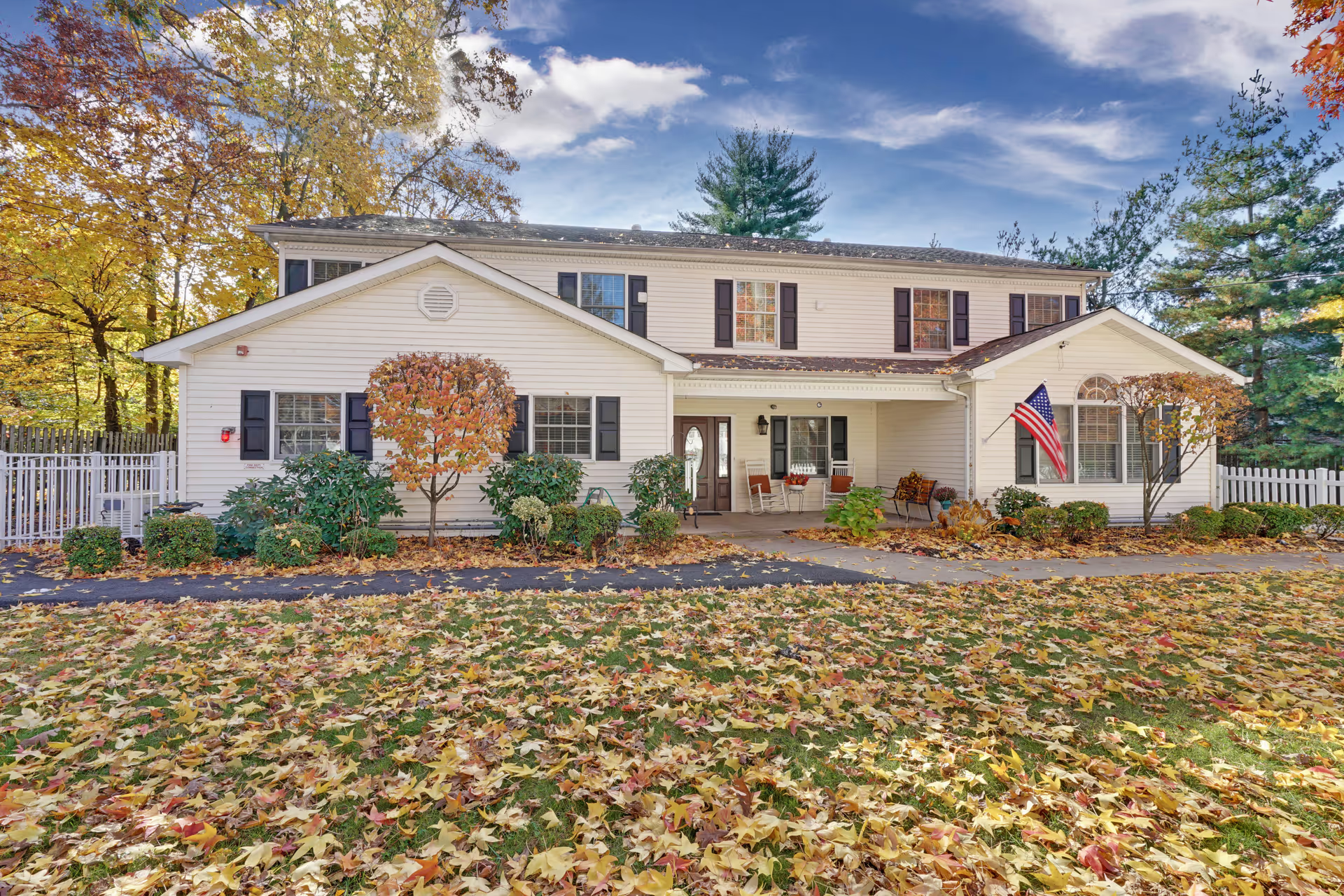
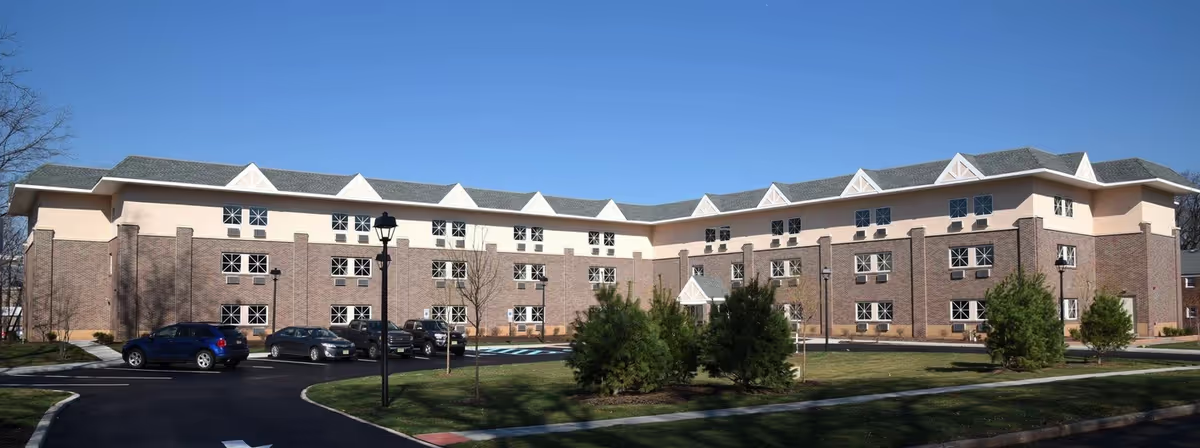
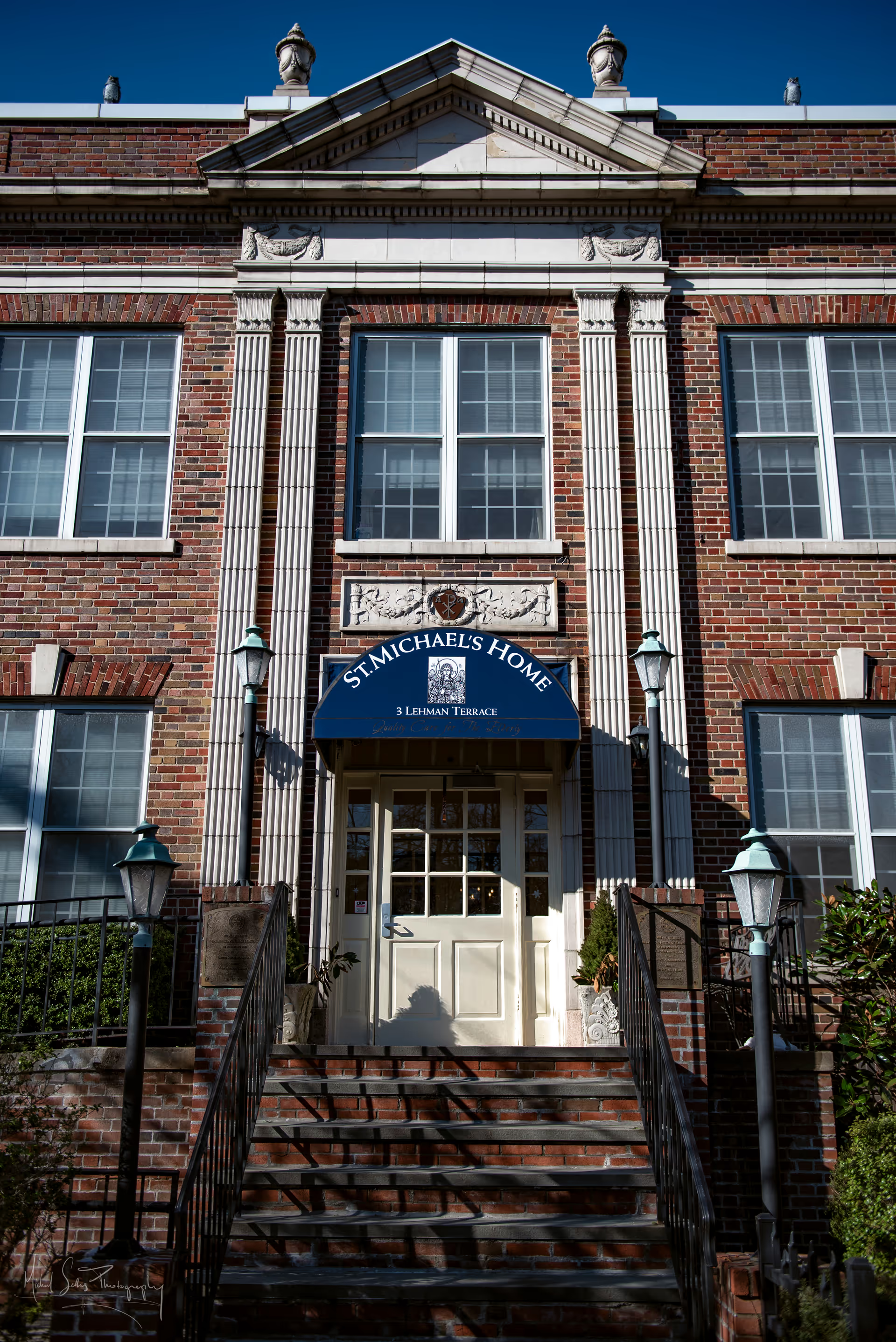
The Actors Fund Home elicits a broadly mixed but instructive overall picture. Many families and residents highlight a high level of individualized attention from nursing and caregiving staff, coordinated social-work support, and strong rehabilitation services (PT/OT) that support recovery and return-home goals. The campus and newer buildings are frequently praised: attractive, well-maintained grounds, walkable paths, renovated common areas, and organized entertainment and activity calendars contribute to a reassuring environment for many residents.
Clinical care and day-to-day caregiving are recurring strengths for a significant number of accounts. Reviewers commonly describe attentive, compassionate nurses and aides, proactive social-worker communication, personalized care plans, and staff efforts to involve families—especially during infection-control periods. Physical and occupational therapy programs receive consistent positive mention for effectiveness and responsiveness, and several families appreciated coordinated transportation and discharge-planning support. Memory-care programming and a small-facility, familiar atmosphere are additional assets cited by multiple families.
At the same time, reviewers identify patterns of operational variability. Staffing levels and shift coverage appear uneven, with delayed responses to call bells and difficulty reaching unit management reported; this variability is linked to concerns about timely assistance, grooming, and repositioning practices that can affect pressure-injury risk. Some residents experienced sanitation concerns and pest-control issues in individual rooms, and others described variability in room size and natural light—factors that affect comfort and suitability. Short-term rehab services are generally praised, but weekend therapy availability and continuity of therapy were flagged as inconsistent in some cases.
Additional themes include management and billing frictions: families describe inconsistent responsiveness from leadership when raising concerns, occasional difficulties with Medicare timing or billing clarity, and questions about financial accessibility given the facility's cost. Infection-control policies (notably strict visitation and quarantine practices during outbreaks) were experienced as protective by some and isolating by others. There are also isolated, serious allegations including discrimination and concerns following a resident's death; these are not the dominant narrative but warrant direct inquiry during a tour. Prospective residents and families should confirm current staffing ratios by unit and shift, weekend therapy availability, specific room dimensions/lighting and pest-control measures, care-plan review processes, infection-control visitation policies, and billing/Medicare procedures before committing. This facility demonstrates many strengths in clinical rehabilitation and compassionate caregiving, but variability across units and shifts suggests the need for targeted questions and, where possible, direct observation during different times of day.