Maple Glen Center elicits a wide spectrum of experiences. A dominant strength across many accounts is the facility’s rehabilitative capability: physical, occupational, and speech therapy teams are frequently described as effective, attentive, and instrumental in patients’ functional recovery. Families also credit wound-care staff, hospice coordination, and social services for providing comfort and clear clinical direction during transitions and end-of-life care. Admissions and business-office staff are often highlighted as helpful and knowledgeable, and many reviewers praise multilingual support and housekeeping that keep common areas orderly.
Clinical care narratives are mixed. Numerous families describe compassionate nurses and aides who provide attentive, dignified care; at the same time, there are recurring concerns about staffing consistency. Short-staffing and uneven staffing patterns are linked to delayed responses to call bells, slower bathroom assistance, and perceived variability in medication timing. Reviewers cite nights and weekends as times when supervision and responsiveness are more likely to degrade. Communication tone and staff conduct are described as inconsistent — some interactions are professional and warm, while others are perceived as brusque or dismissive — and language barriers have contributed to intermittent communication challenges.
Dining and activities present a similarly mixed picture. Many families report good, well-portioned meals and praise the dining environment, while others find meal quality plain or not initially tailored to special diets such as diabetic needs. The activities program is active in many areas — with scheduled events, live music, beauty services, and social gatherings — but engagement varies by unit; families of residents with cognitive impairment sometimes find programming less robust or appropriately tailored.
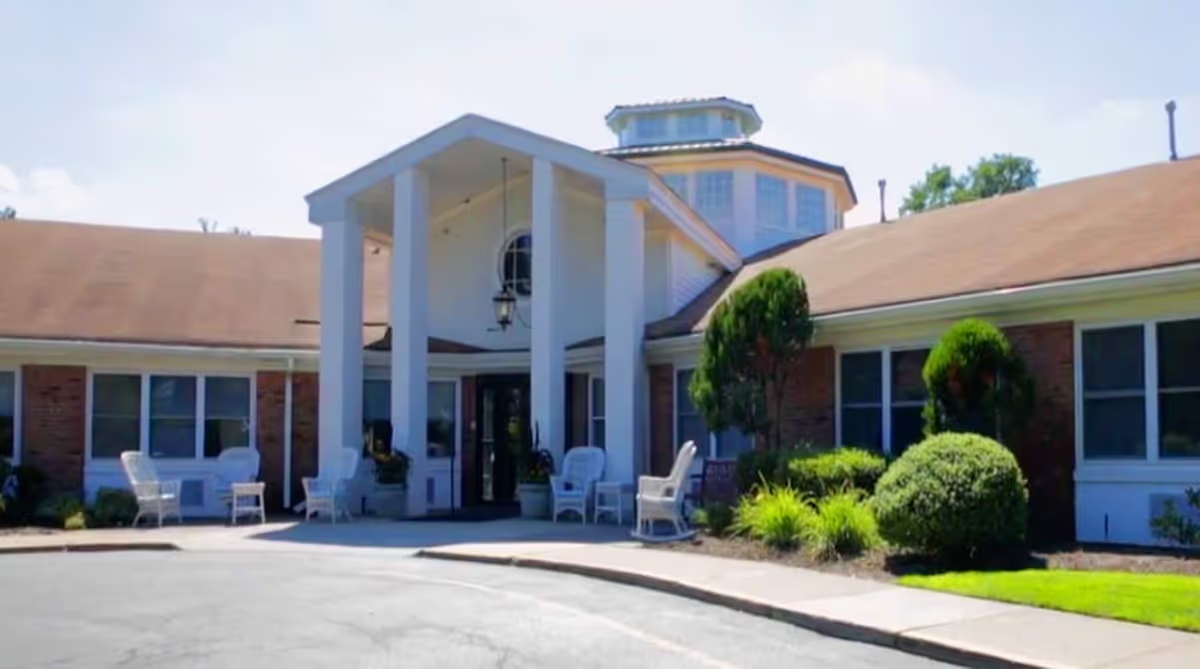
Facility condition and sanitation concerns are notable themes. Several reviewers describe clean, well-maintained common spaces, but others identify aging infrastructure, cramped four‑bed rooms, outdated furnishings, and ventilation or odor concerns in parts of the building. There are also mentions of pest-control needs and occasional lost personal belongings, indicating variable environmental and housekeeping performance across units.
Management and systems-level issues produce strong, polarized impressions. Some families report transparent communication, timely clinical updates, and proactive case management; others describe inconsistent administrative responsiveness, confusing billing interactions, and concerns that prompted escalation. There are also allegations of serious clinical incidents and pending legal matters, which underscore the importance of direct inquiry around safety protocols and incident follow-up when evaluating the facility.
Overall, Maple Glen Center shows particular strengths in rehabilitation, therapy-led recovery, and compassionate care from many frontline staff. However, prospective residents and families should investigate operational consistency before deciding: ask about staffing ratios (especially nights/weekends), call‑bell response times, medication administration processes, infection-control resources, pest-control measures, options for room upgrades, dietary accommodations, activity programming for cognitive impairment, and billing/insurance practices. Visiting different units in person and requesting recent inspection or quality reports can help clarify which portions of the facility align with a family’s expectations for clinical reliability and living conditions.