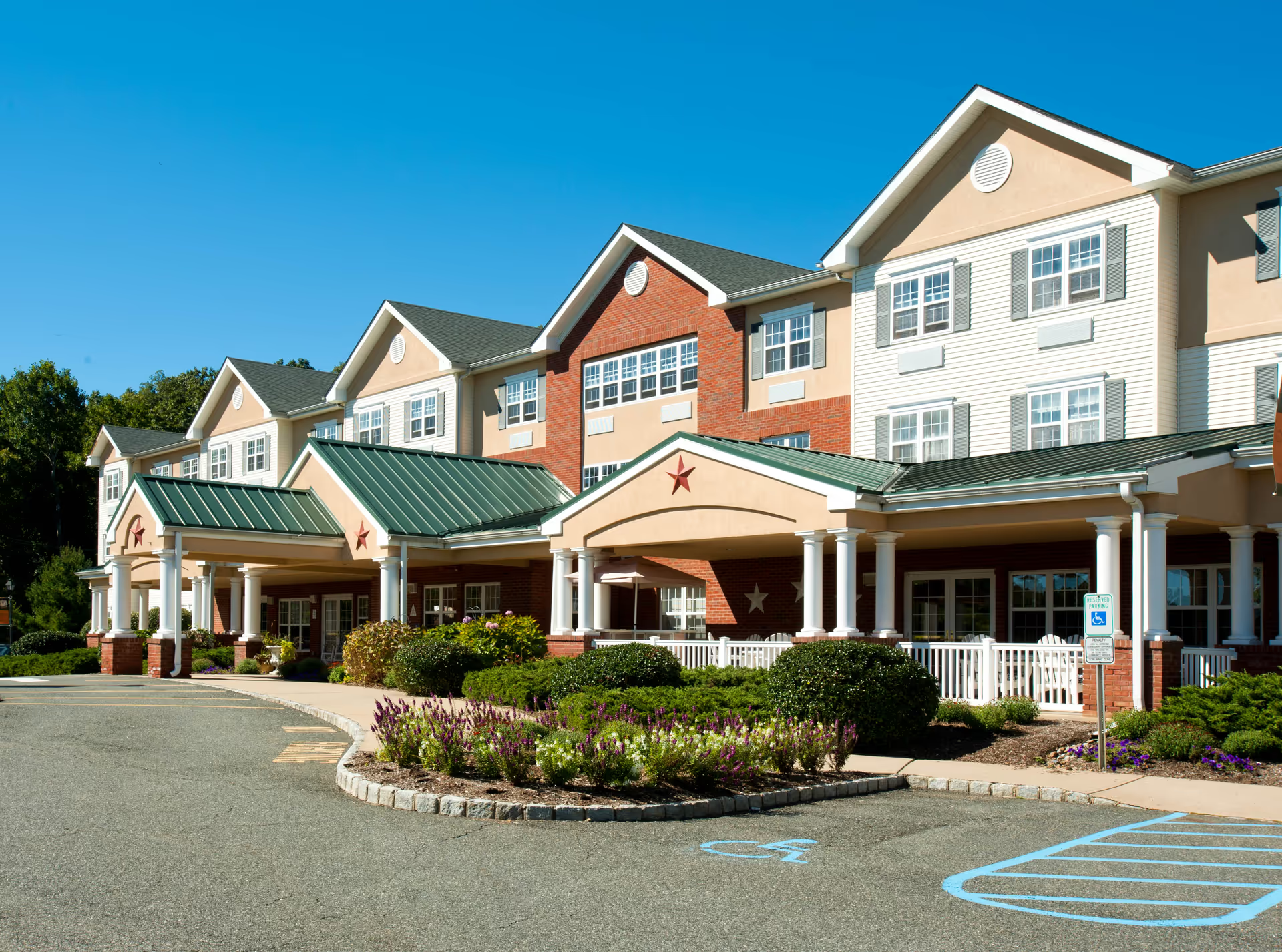
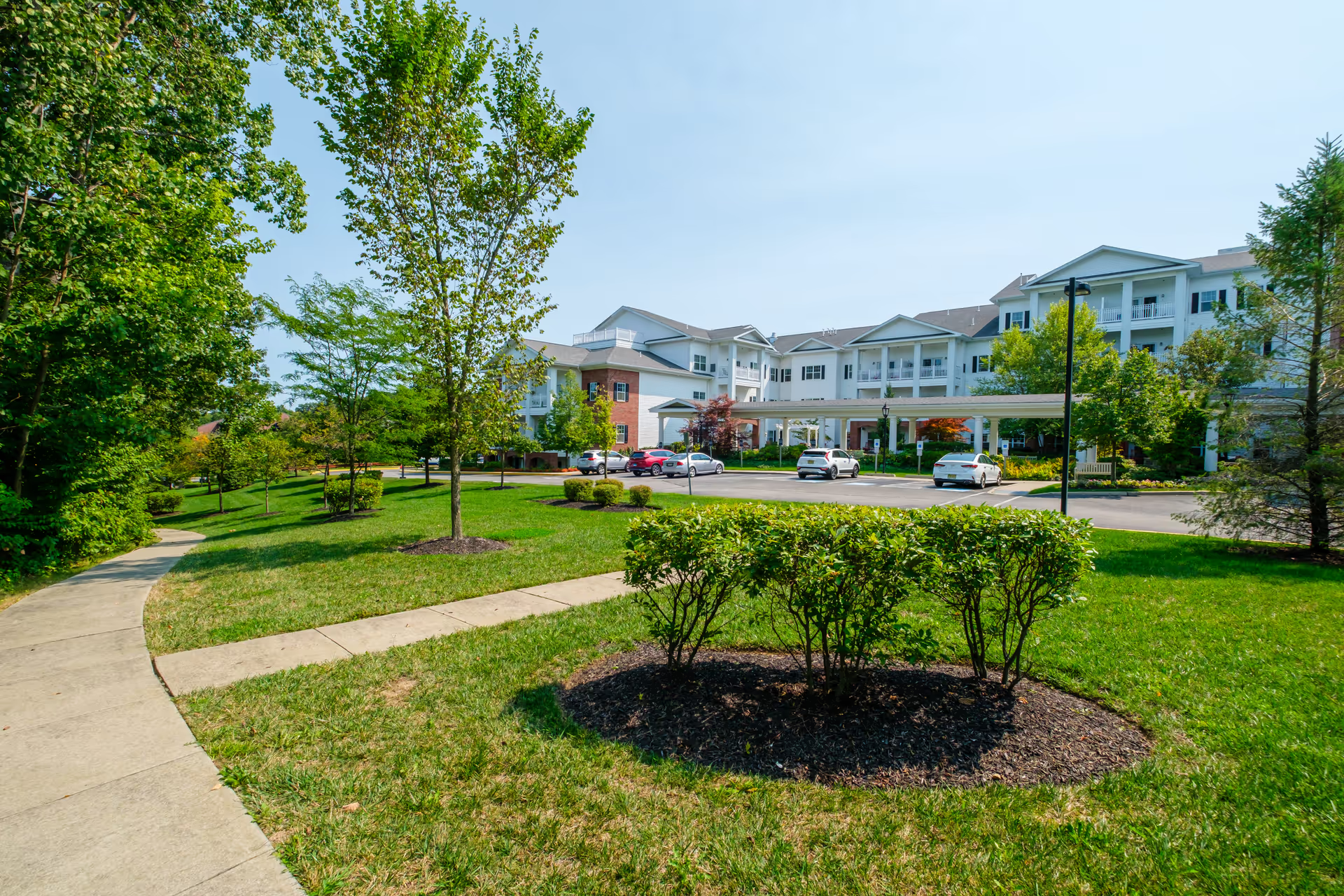
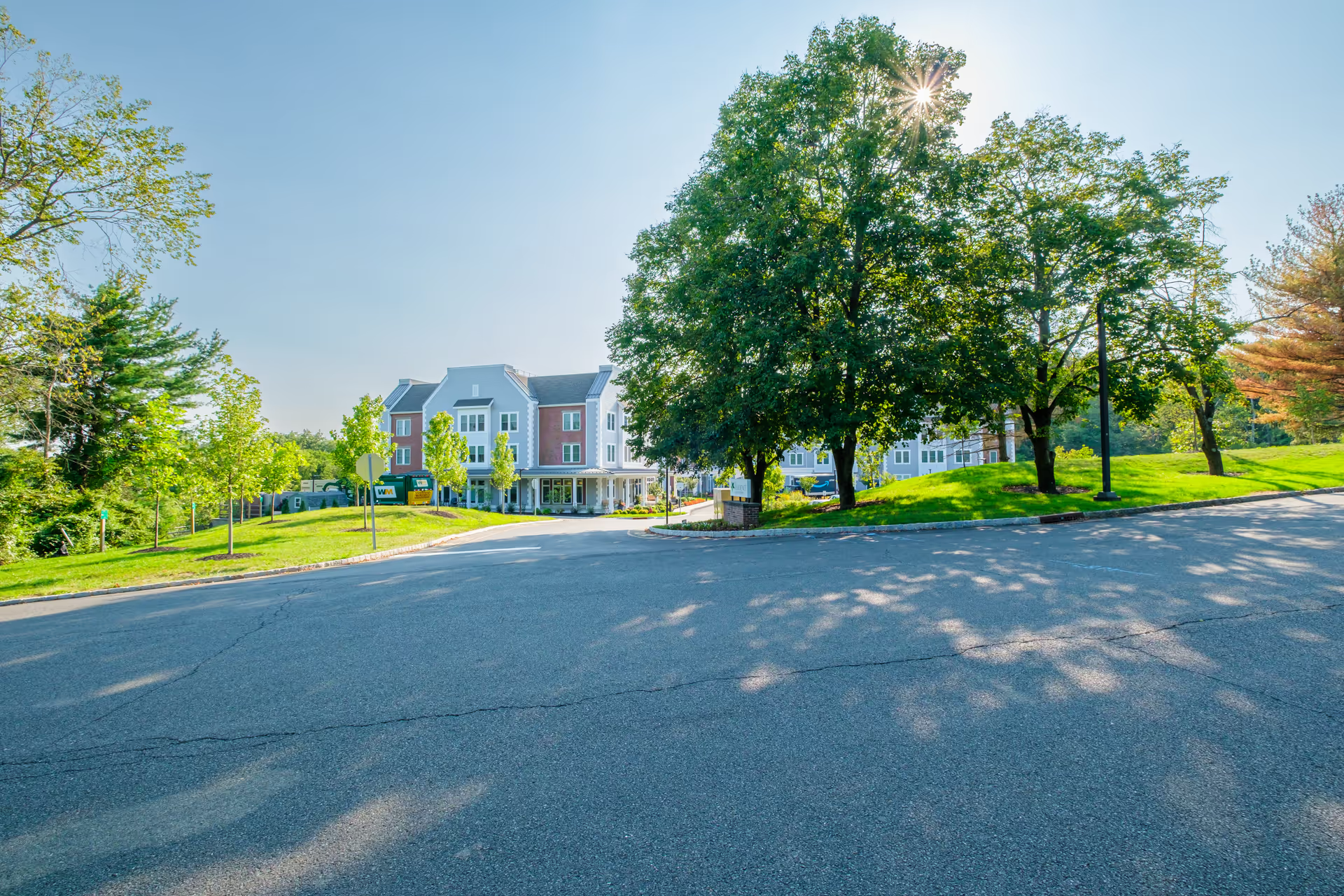
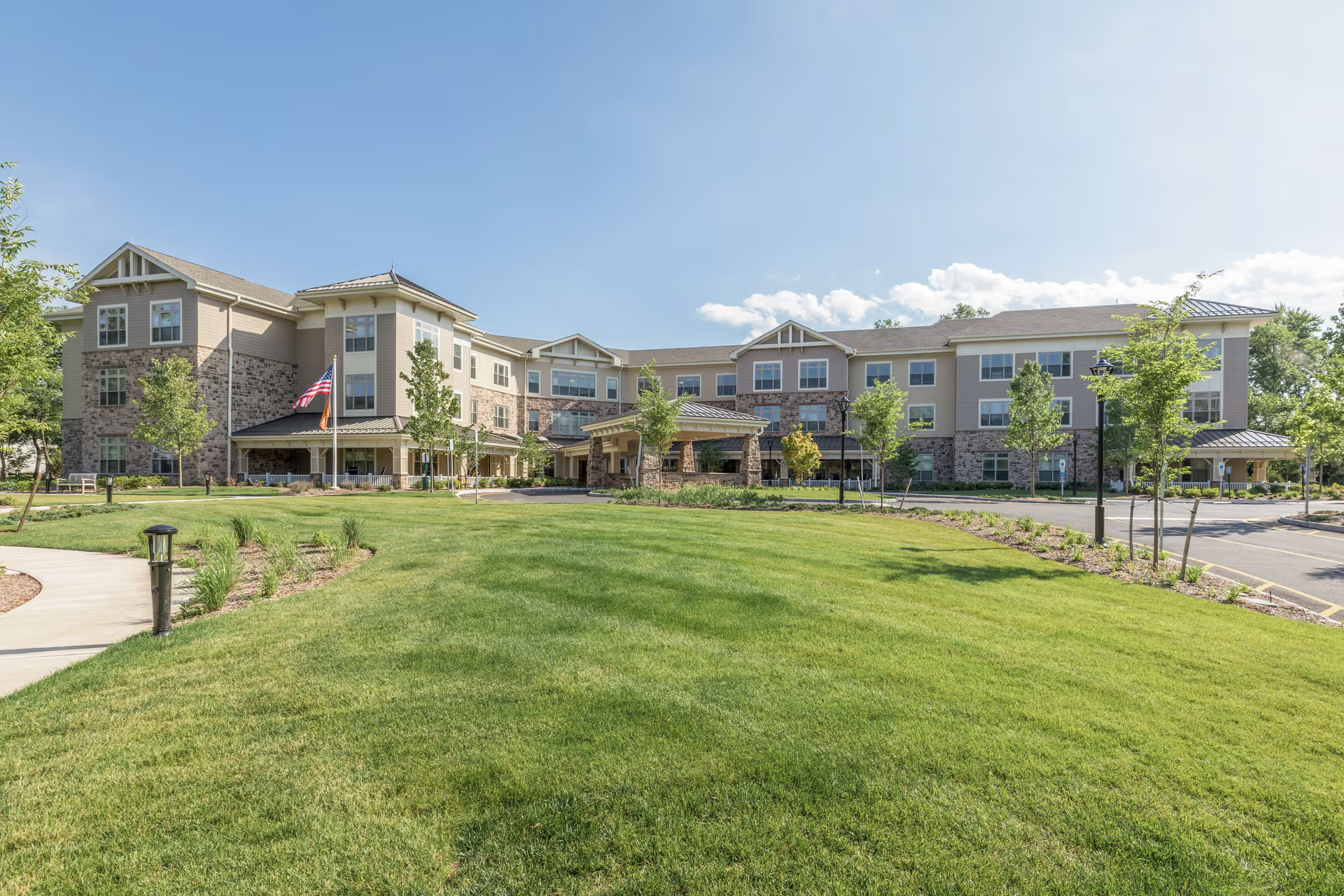
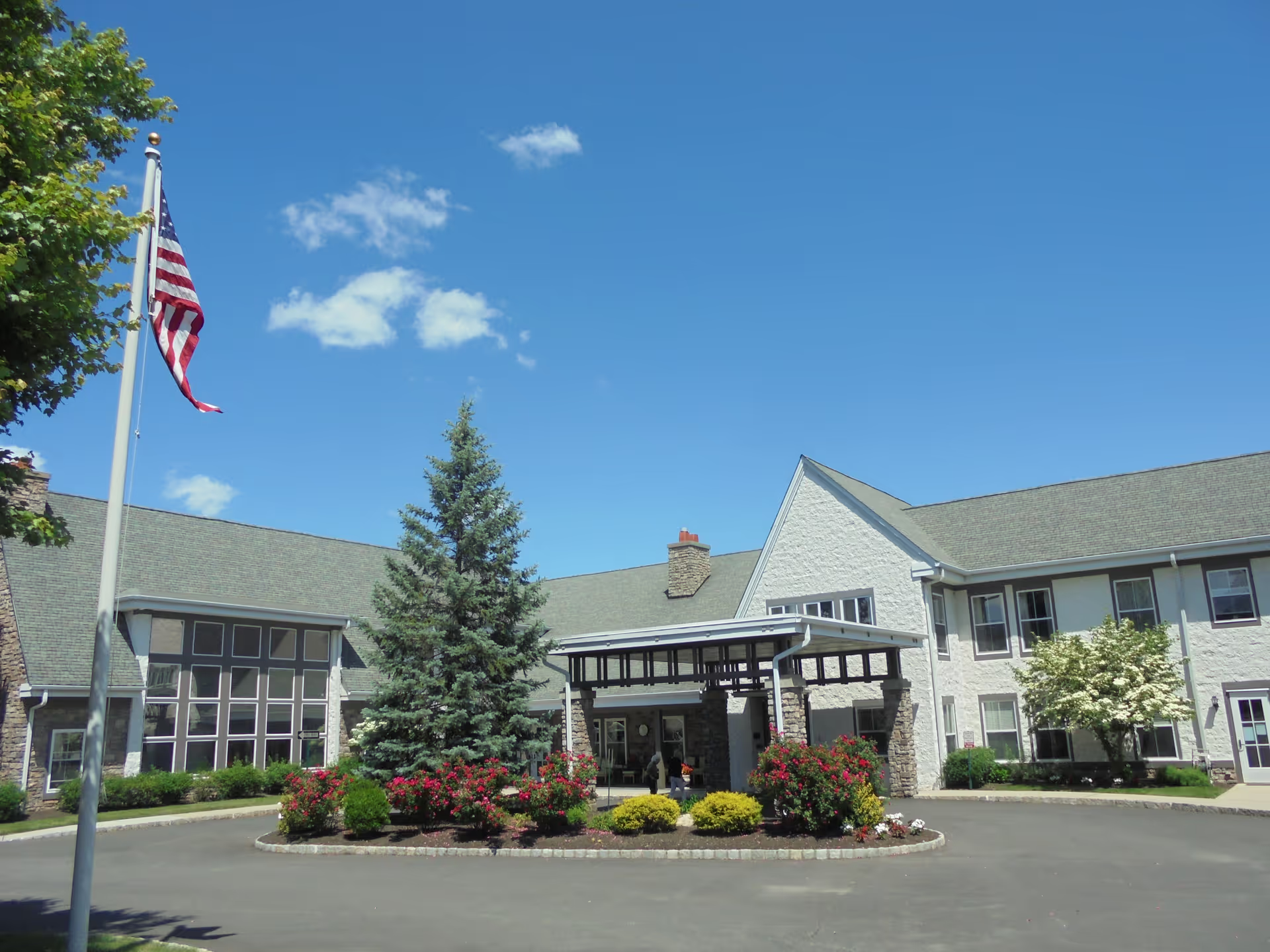
Colonial Manor Hackettstown is described overall as a small, home-oriented assisted living community with a strong emphasis on personalized, hands-on care. Families frequently highlight the staff’s attentiveness and the owners’ accessibility; reviewers describe staff interactions as respectful and caring, and several accounts emphasize individualized attention, including one-on-one care and responsive support during end-of-life/hospice situations. Cleanliness and upkeep are commonly noted, and the facility’s aesthetic—often characterized as a bed & breakfast or cottage-style setting with greenery—appears to contribute to a welcoming, quiet environment.
Facility amenities and accommodations receive positive mention: private rooms with en-suite bathrooms, new cottages, on-site animals, a movie room, and occasional special events such as dances and game nights. Transportation for shopping and library trips is available, and medical/provider visits are described as punctual. Many families perceive the community as good value for the price, particularly for those seeking a smaller, more personal alternative to larger assisted-living complexes.
Dining and activities show mixed feedback. Several reviewers appreciate regular social activities (movie nights, bingo, card games, prom dances), but others cite limited variety and reduced programming compared with expectations—some exercise classes and larger-group events reportedly diminished after COVID. Dining quality is described as variable: while a new cook has been credited with improvements in some accounts, other comments point to under-seasoned food, limited meal options, or minimal meal service at times. These patterns suggest that meal quality and program breadth can differ depending on staffing and scheduling.
Care limitations and patterns to note include an operational boundary around residents with advanced memory impairment; the community appears to restrict admissions or care for people with severe Alzheimer’s or advanced dementia. In addition, while many families report consistently good care, there are isolated, strongly negative accounts indicating variable satisfaction and, in some cases, moves prompted by fit or care concerns. Because the facility is small, prospective residents who want extensive social programming or a larger peer group may find social opportunities more limited; small size also appears tied to occasional turnover when resident needs or expectations do not match the setting.
For prospective residents and families, Colonial Manor presents as a clean, personal, and well-kept option with attentive staff and a homelike atmosphere. Important due-diligence topics for a tour and conversation with management include the community’s dementia-care policy and thresholds, current activity and exercise schedules, detailed meal menus and meal-service practices, staffing patterns that affect care consistency, and the differences in services and costs across unit types. The pattern in reviews suggests many families are pleased with the environment and care, particularly when individualized attention and a quieter, cottage-style setting are priorities; families seeking robust memory care or extensive programming should confirm those capabilities before committing.