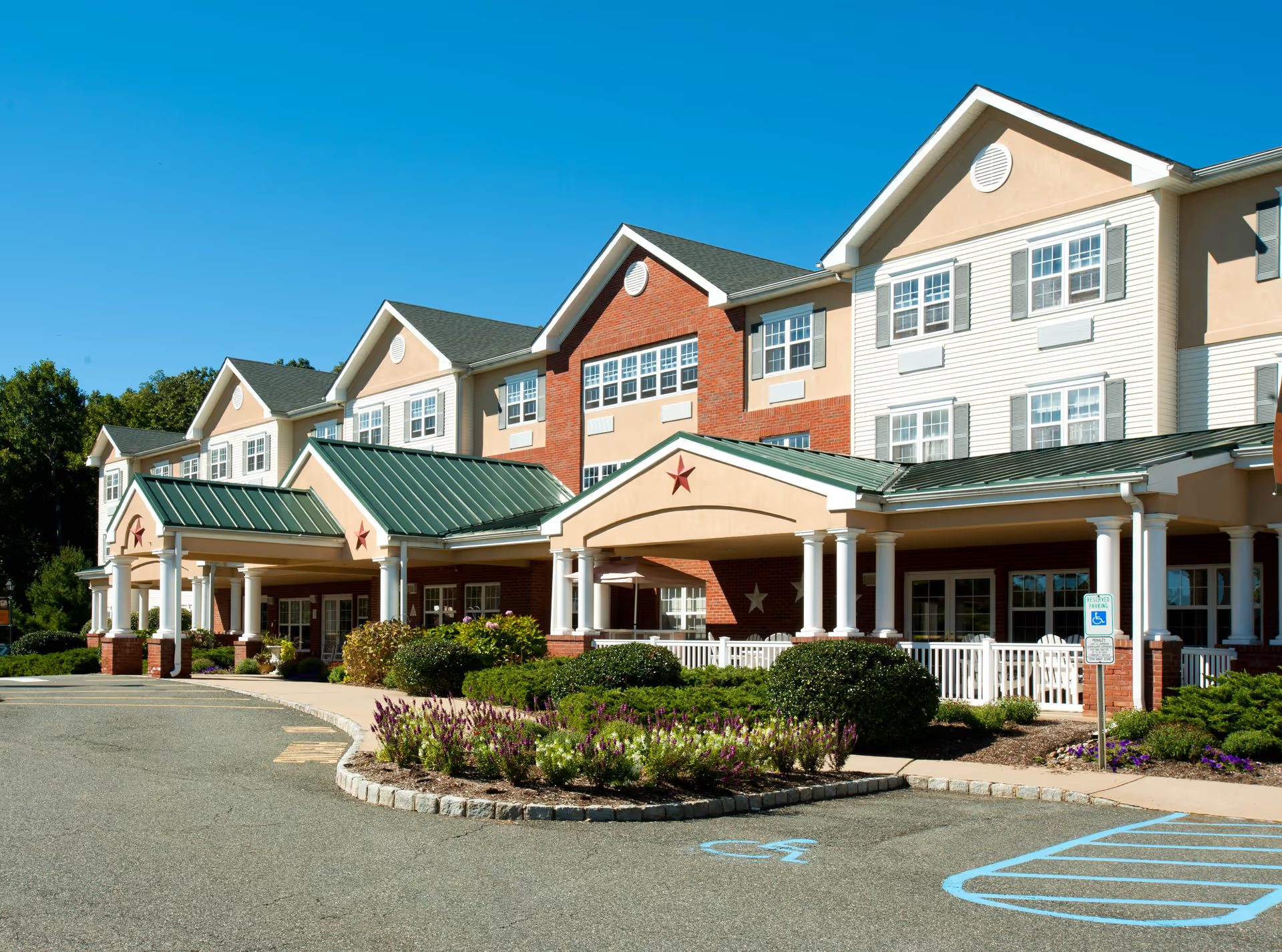
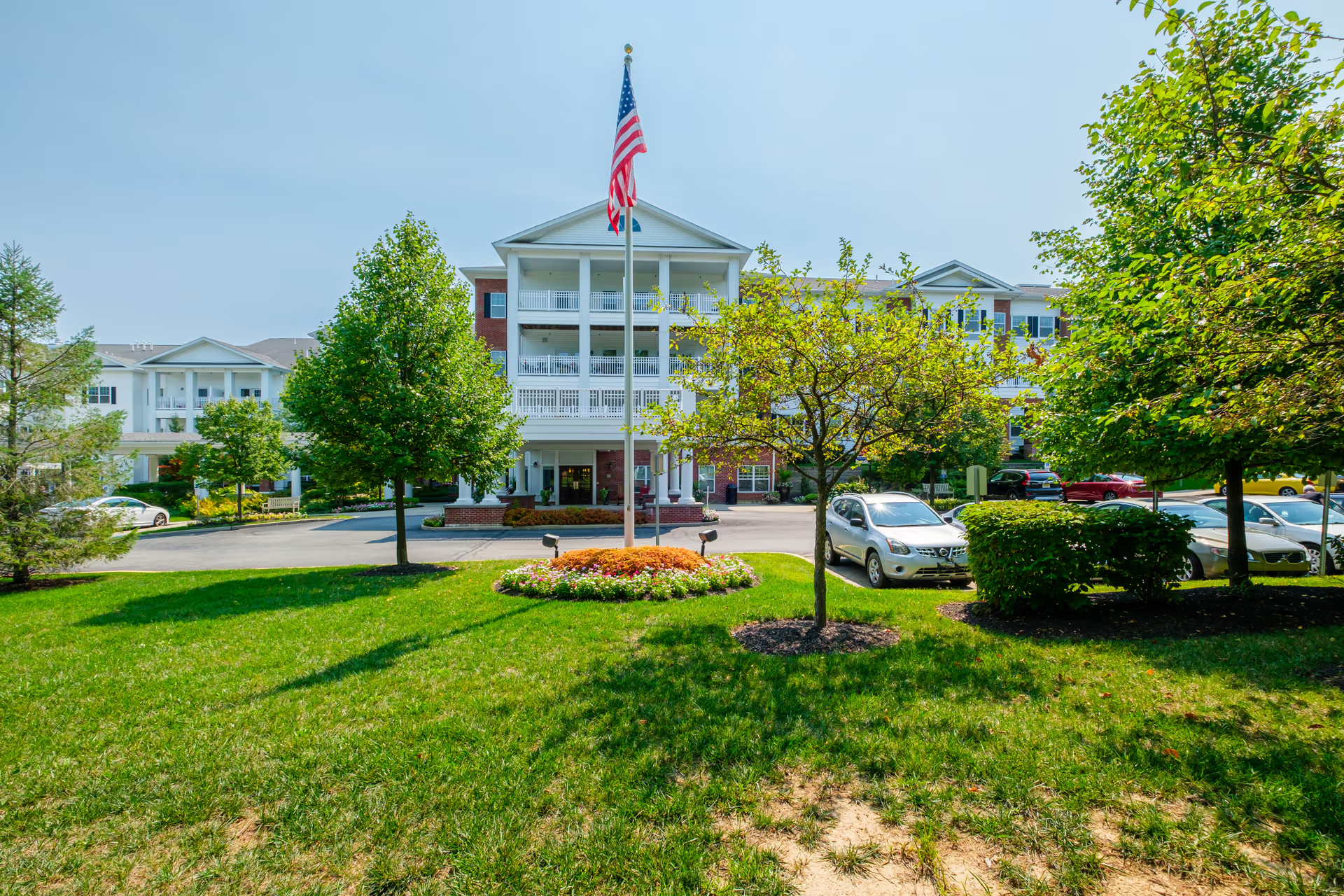
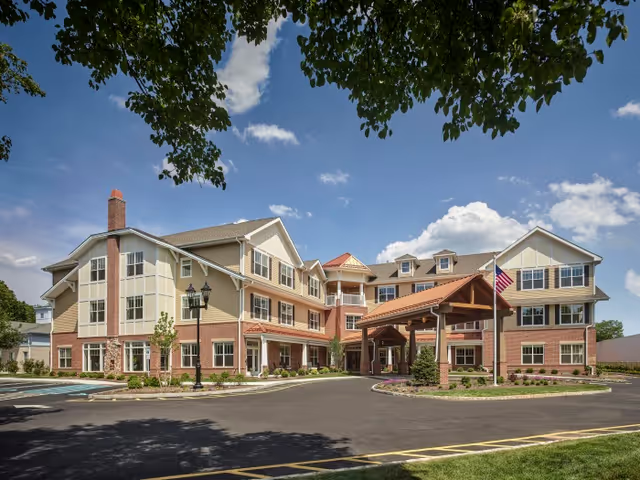
Heath Village presents as a high-amenity retirement and rehabilitative campus with consistently noted strengths in physical environment, housekeeping, and therapy services. Many families and residents describe an attractive, well-kept property with hotel-like interiors, multiple on-site dining venues, varied social programming, and specialized therapy equipment that supports strong post-acute recovery. The availability of a continuum of care on campus (rehabilitation, memory care, hospice) and frequent transportation options for shopping and outings are recurring positive features.
Clinical and caregiving quality appears mixed. Numerous accounts praise compassionate, experienced nursing and therapy staff who facilitate good rehab outcomes and supportive end-of-life care. At the same time, there are frequent descriptions of inconsistent aide performance, delays in attending to resident needs, and variability in daily-care tasks. These patterns suggest operational gaps in frontline staffing levels, training, or supervision that translate into uneven resident experiences across different wings and units.
Communication and care transitions are another recurrent theme. Families cited clear, thorough care plans and good medication communication in many stays, but other accounts describe poor discharge coordination, limited hospital–facility handoffs, and gaps in family updates. There are also concerns about therapy scheduling consistency (notably limited weekend coverage) and about discharge timing and billing-related processes; these issues point to variability in administrative processes surrounding transitions of care.
Dining and activities are generally strong assets, with multiple restaurants, a café, and diverse daily and off-campus programming (bus trips, clubs, entertainment, therapy-dog visits). However, meal quality and nutritional variety appear inconsistent: some reviewers report appetizing, varied options while others describe cafeteria-style offerings with limited fresh produce or cold-served items. Housekeeping and facility maintenance receive high marks overall, though there are isolated pest-control and food-safety concerns that warrant verification during a tour or pre-admission inspection.
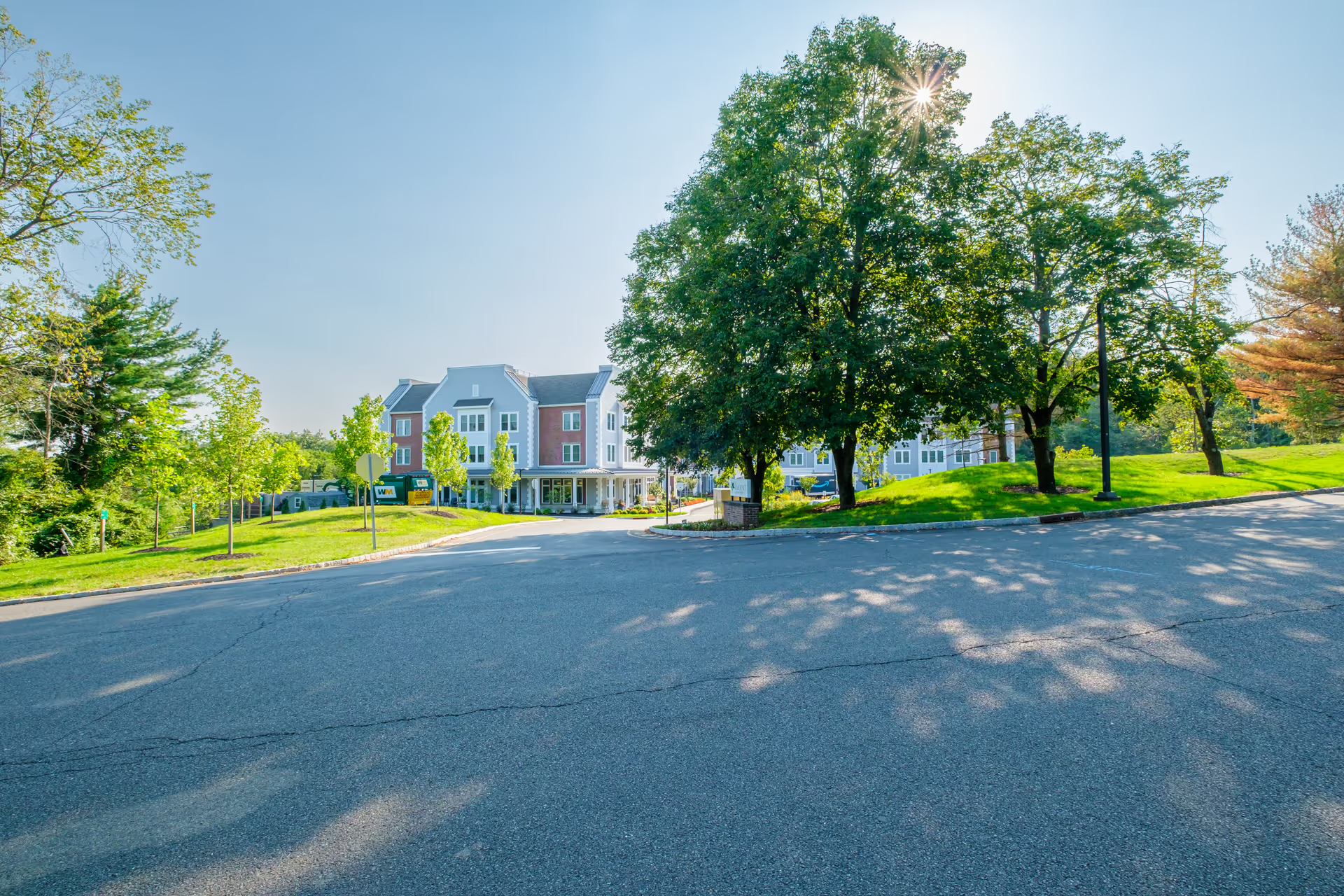
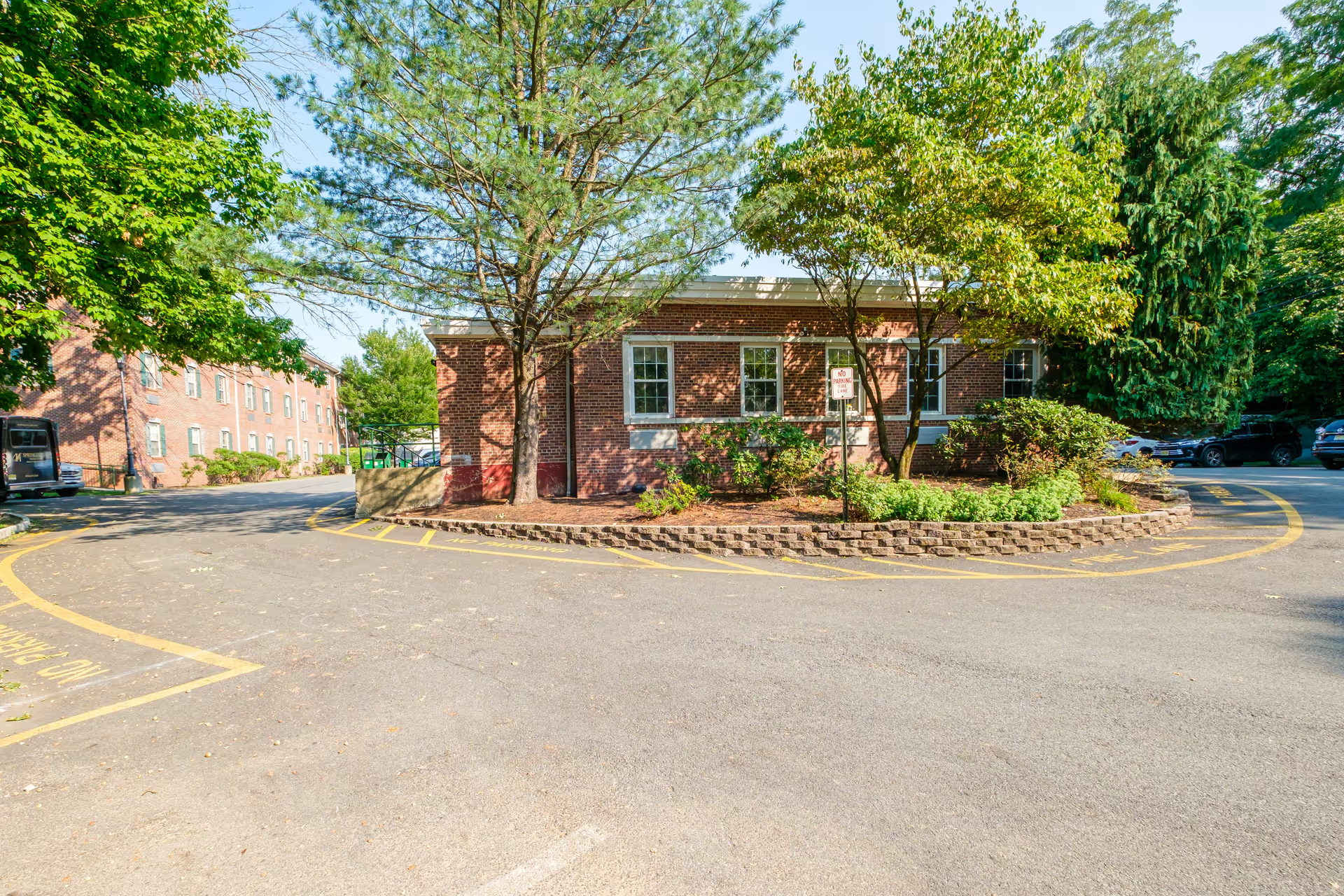
The campus layout supports an active independent-living lifestyle for mobile residents but presents accessibility challenges for those with limited mobility. The property is large and hilly, buildings are dispersed, and parking or apartment access may require uphill walks or scooter limitations; prospective residents with mobility impairments should assess transportation support (golf-cart service or shuttles) and unit location carefully. Cost is a consistent consideration: the community is privately funded with annual rate increases, which some families find high or restrictive.
In summary, Heath Village offers substantial amenities, robust rehabilitation services, and many examples of attentive, long-tenured staff, making it appealing for independent living and post-acute rehabilitation. Prospective residents and families should balance those strengths against documented operational concerns: variability in frontline caregiving, staffing stability, communication and discharge processes, dining consistency, and accessibility on a large, hilly campus. A focused tour, discussions with unit managers about staffing, therapy schedules, dining samples, and a review of contract/billing terms will help clarify whether the facility’s strengths align with an individual’s care needs and priorities.