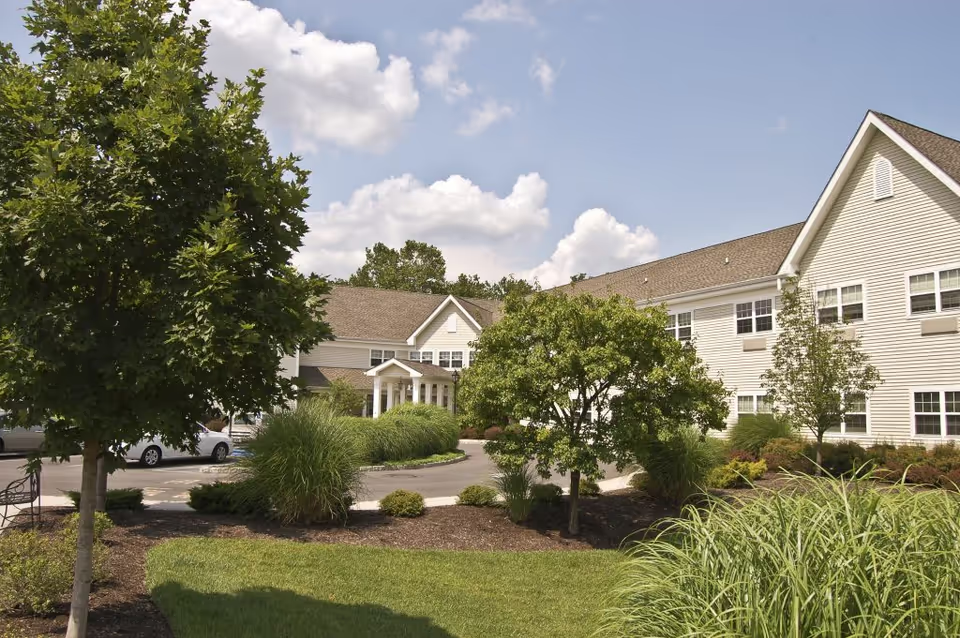
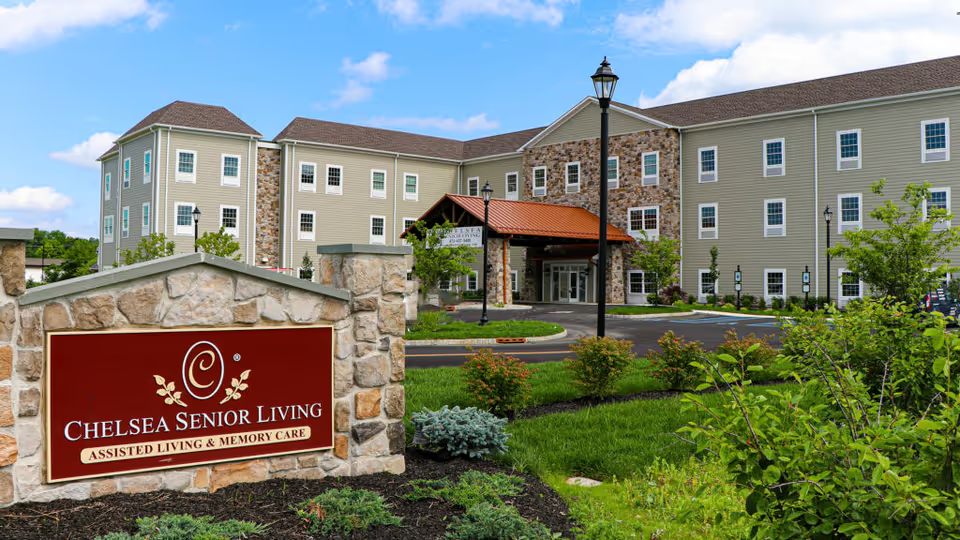
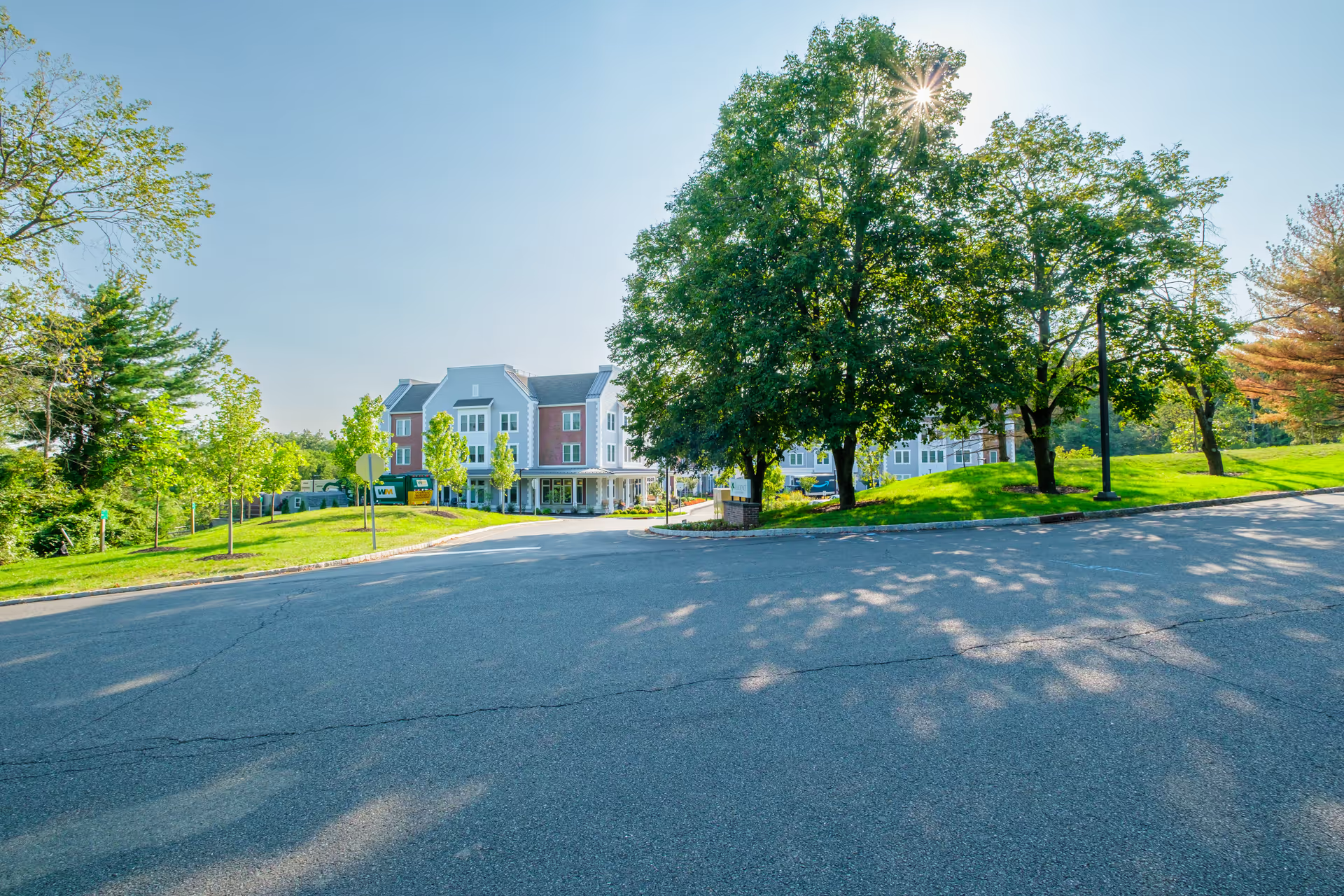
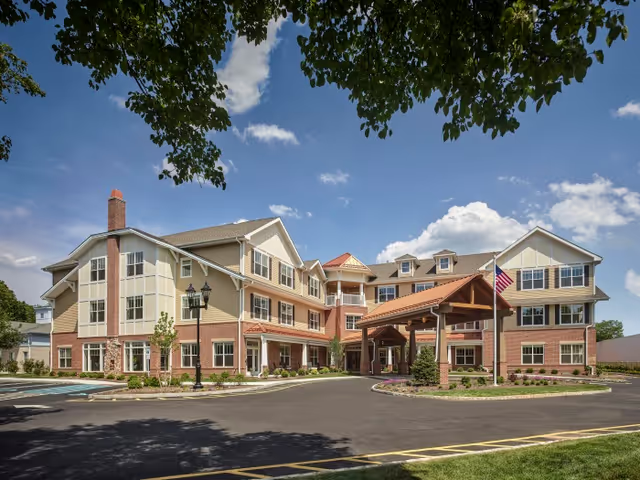
Riverwalk Village at the House of the Good Shepherd elicits a mix of strong praise and serious operational concerns. Many reviewers highlight consistently positive day‑to‑day features: staff are described as compassionate, approachable, and helpful; maintenance and admissions staff receive frequent praise for responsiveness and transition support; apartments and common areas are repeatedly described as renovated, spacious, and well maintained with attractive river views. The campus setting and available outdoor spaces are a recurring strength, and spiritual-care options and COVID-era visitation accommodations were also appreciated.
Clinical and rehabilitative services draw both commendation and concern. Several families singled out effective physical therapy and a skilled therapist when available, and wellness offerings such as strength, balance, and flexibility classes are credited with measurable functional benefits. At the same time, there are clear patterns of inconsistent continuity in clinical therapies and rehabilitation access. Some accounts describe sporadic therapy availability or premature transitions in level of care that affected recovery and led to additional family burdens and costs. Prospective residents should ask for a current overview of on-site therapy staffing, caseloads, and continuity guarantees.
Dining and activities generally contribute positively to residents' quality of life: reviewers described accessible dining formats, private dining opportunities, social luncheons, and a broad activity roster including music, fitness, arts, and community outings. However, a number of comments indicate perceived decline or variability in food quality and inconsistent delivery of programming across time, suggesting that culinary and activity experiences may fluctuate.
The most significant and recurring concerns relate to management decisions and communication. Several reviewers raised issues about abrupt closures of higher-acuity units (skilled nursing and Medicaid/CPC wings), policy changes following ownership transitions, rent increases, and what families perceived as insufficient notice or transparency around those decisions. These operational changes resulted in involuntary resident relocations for some families, eroding trust and prompting anxiety about long‑term placement guarantees. Related themes include unclear financial and lifetime-care policy language and perceived delays or gaps in handling complaints.
Staff conduct and staffing stability are mixed themes. While many reports emphasize warm, individualized attention and highlight specific staff members by name for exemplary service, other accounts note concerns about staff tone, responsiveness, or limited staffing levels at times. This suggests variability in staff performance or coverage depending on shift, unit, or period. Interested families should inquire about current staffing ratios, staff turnover, and procedures for escalating concerns.
In summary, Riverwalk Village offers many tangible strengths — a scenic, renovated campus; engaged social programming; several praised caregiving and therapy staff; and attentive move‑in support — that make it a good fit for many residents seeking an active, supported lifestyle. At the same time, recent operational changes and inconsistencies in clinical-service continuity, communication transparency, and policy clarity are notable patterns that prospective residents and families should address during tours and contract discussions. Recommended pre‑visit questions include current status of skilled-nursing and Medicaid-level services, therapy staffing and schedules, written language about lifetime-care and involuntary discharge policies, notification practices for unit changes, dining sample menus, and a point of contact for escalation of family concerns.