Fox Trail Memory Care at Paramus is described predominantly as a small, home-like memory-care setting that many families find welcoming for residents with early-to-moderate dementia. Positive comments emphasize personalized attention, warm staff–resident relationships, frequent photo updates to families, and an intimate atmosphere that some relatives describe as more like a house than an institution. The dining experience is frequently praised for home-cooked meals, the ability to accommodate blended textures, and pleasant kitchen aromas; activity highlights include music, dancing, and visible social engagement among residents.
Care and staffing present a mixed picture. Several families report compassionate, hands-on caregivers who know residents by name, assist with toileting and transfers, and coordinate with families and hospice when needed. At the same time, recurring operational concerns include limited clinical oversight (notably the absence of a full-time nurse and onsite psychiatrist), medication-timing inconsistencies, and reports of high staff turnover that can affect continuity of care. Some accounts raise questions about the facility’s ability to safely manage higher-acuity medical needs and about the consistency of staff training.
Safety, emergency response, and security are areas that warrant close inquiry. A number of descriptions indicate delays or variability in emergency procedures and concerns about residents exiting the facility unsupervised; reviewers also note the absence of technological safeguards such as bed alarms or cameras. These items, together with the small physical layout and limited outdoor space, suggest the facility is better suited to residents who require supportive, socialized memory care rather than intensive medical monitoring or secure staffing arrangements.
Management and financial practices produce divergent impressions. Some families praise transparent base pricing and responsive intake staff, while others allege pressure around contracts, unexpected fee increases, and limited transparency about additional charges for aides or higher levels of care. There are also mentions of personal-property handling issues. The director’s on-site presence and administrative responsiveness are described as variable, and several reviewers encouraged prospective families to verify current leadership and oversight practices in person.
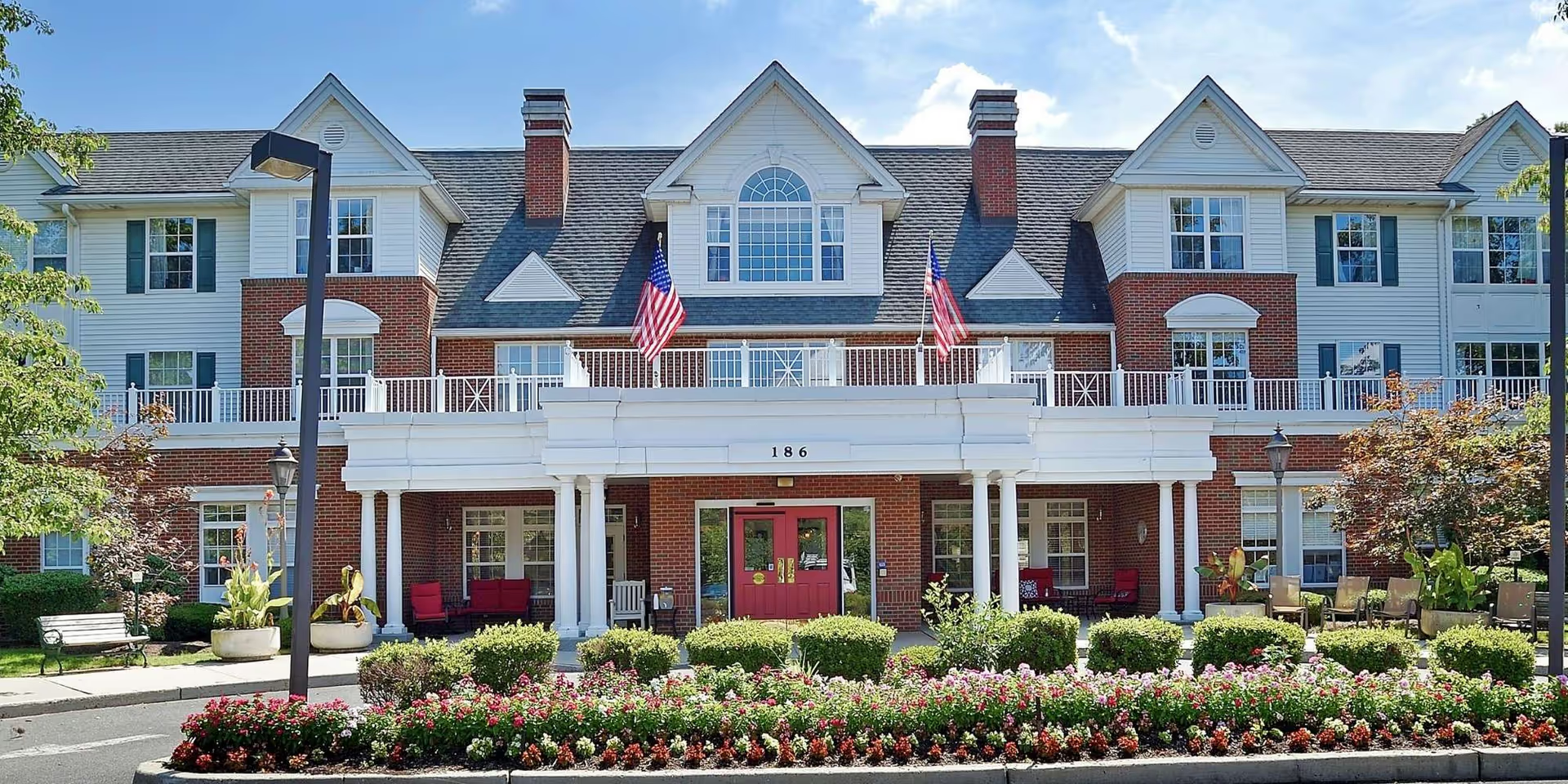
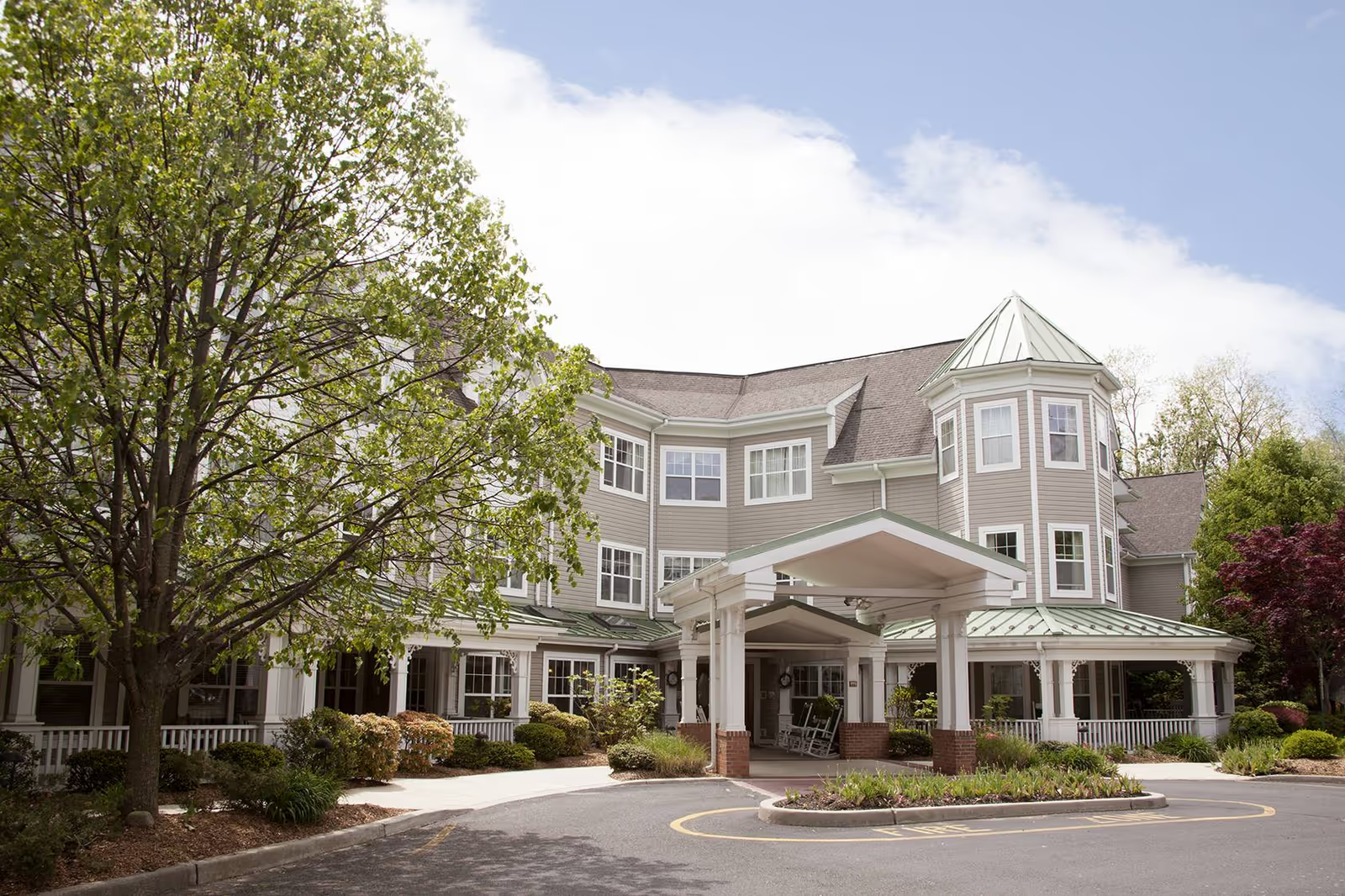
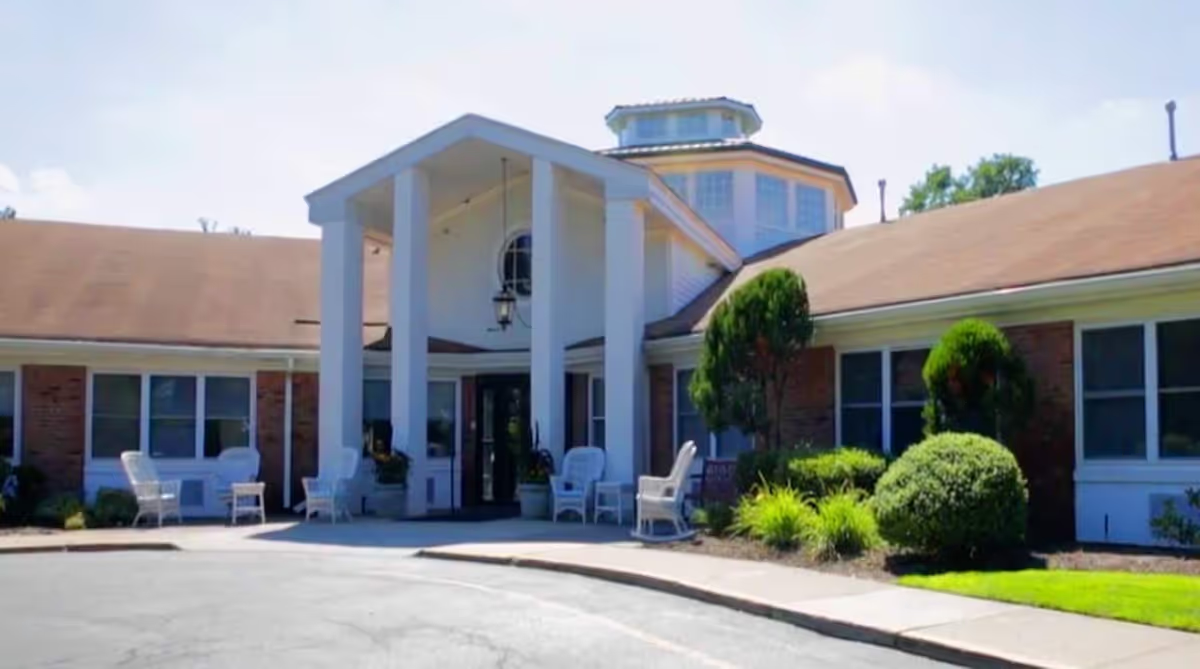
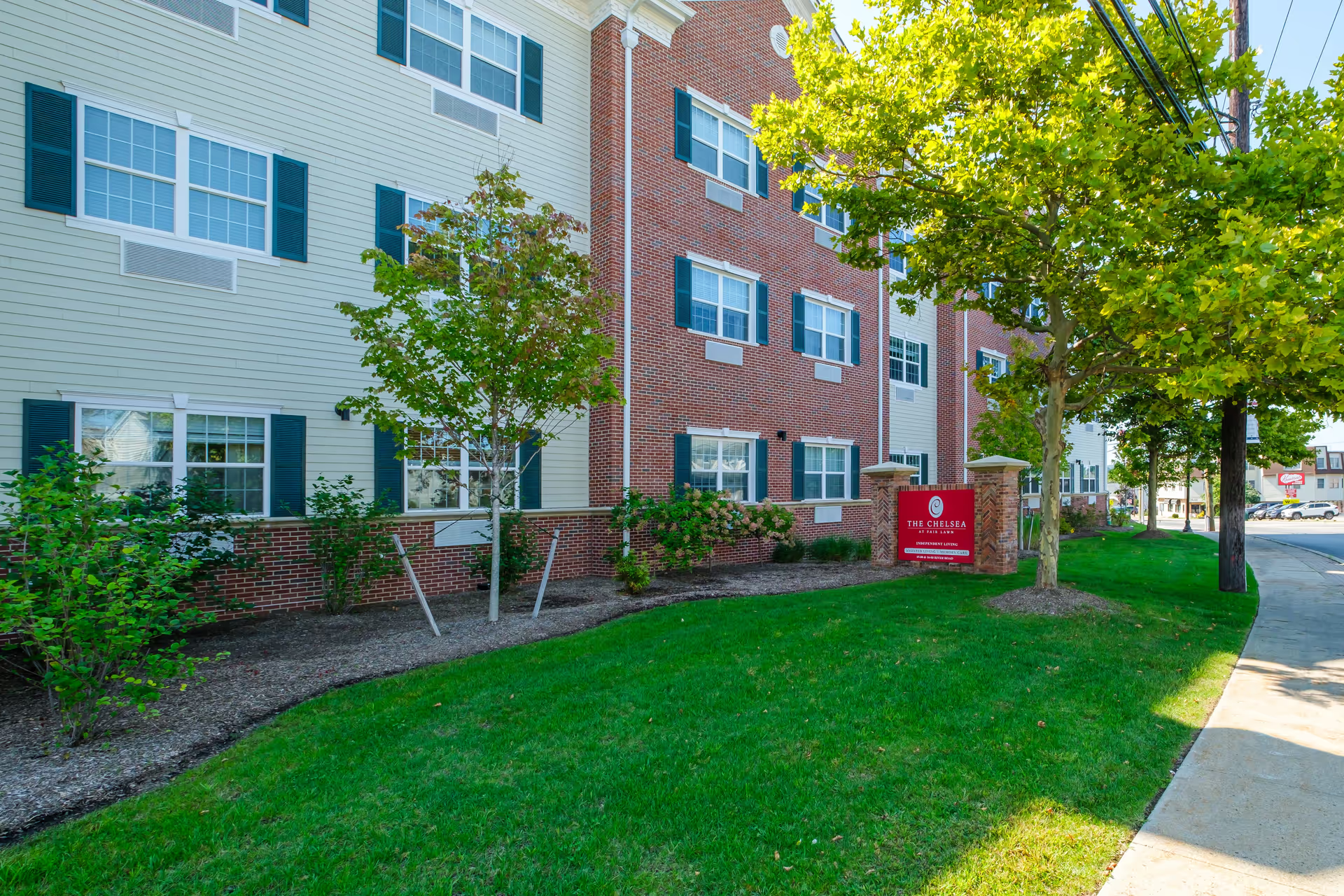
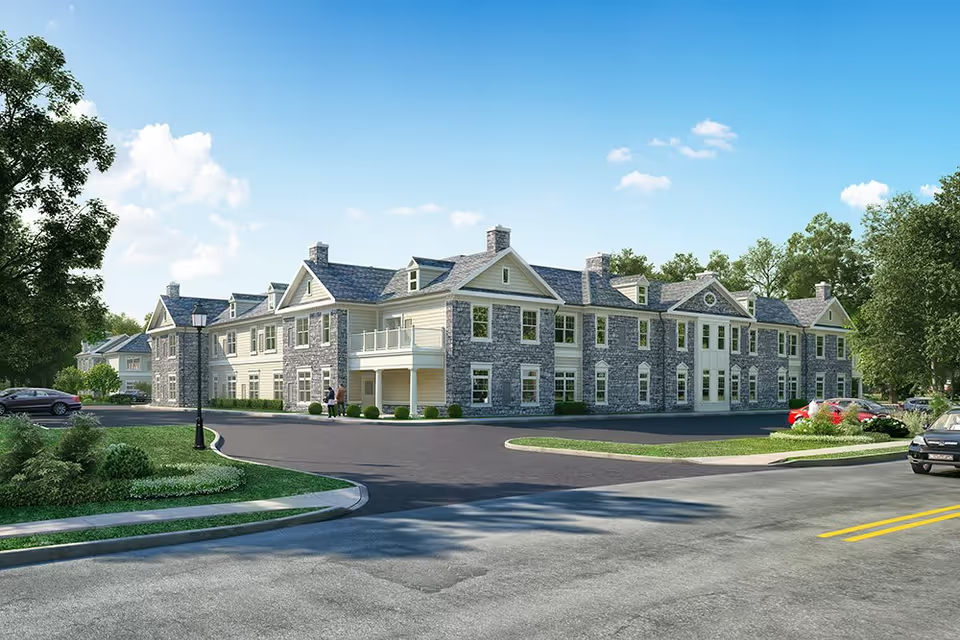
Facilities and logistics reflect the small-scale model: clean, well-kept interiors with a homelike design, but small resident rooms, limited parking, and a compact backyard adjacent to a busy street. This layout contributes to the welcoming, noninstitutional feel that many families appreciate, though it may feel claustrophobic for others or limit outdoor activity options.
Overall pattern: the facility appears to work well for families seeking an intimate, person-centered memory-care home with strong social programming and hands-on caregivers. However, the service model has persistent operational limitations around clinical oversight, emergency procedures, security measures, staffing continuity, and billing transparency. Prospective families should tour the home, ask specific questions about on-site clinical coverage, emergency protocols, staffing continuity, security measures for residents who wander, and the full fee structure before deciding whether it matches their loved one’s level-of-care needs.