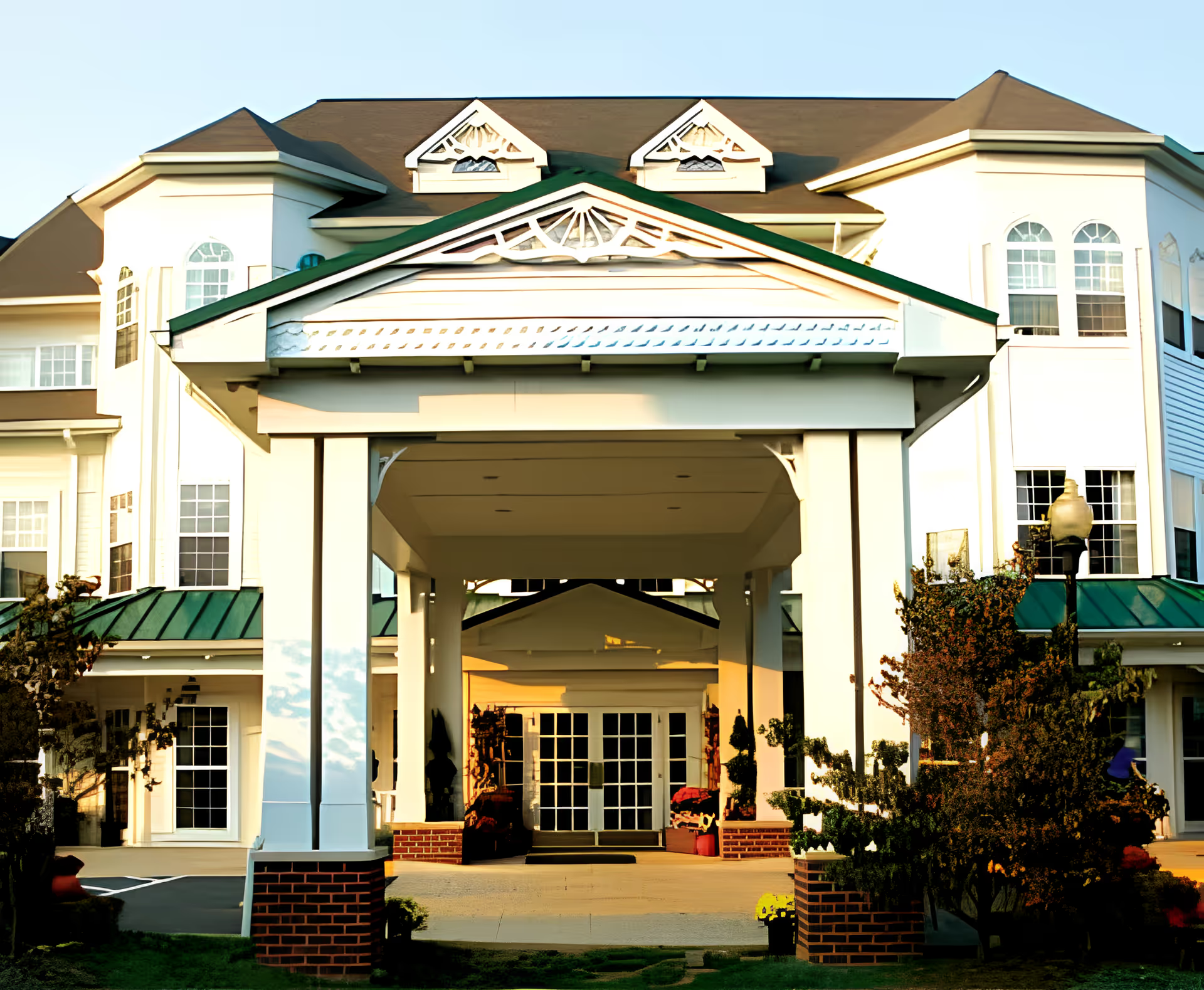
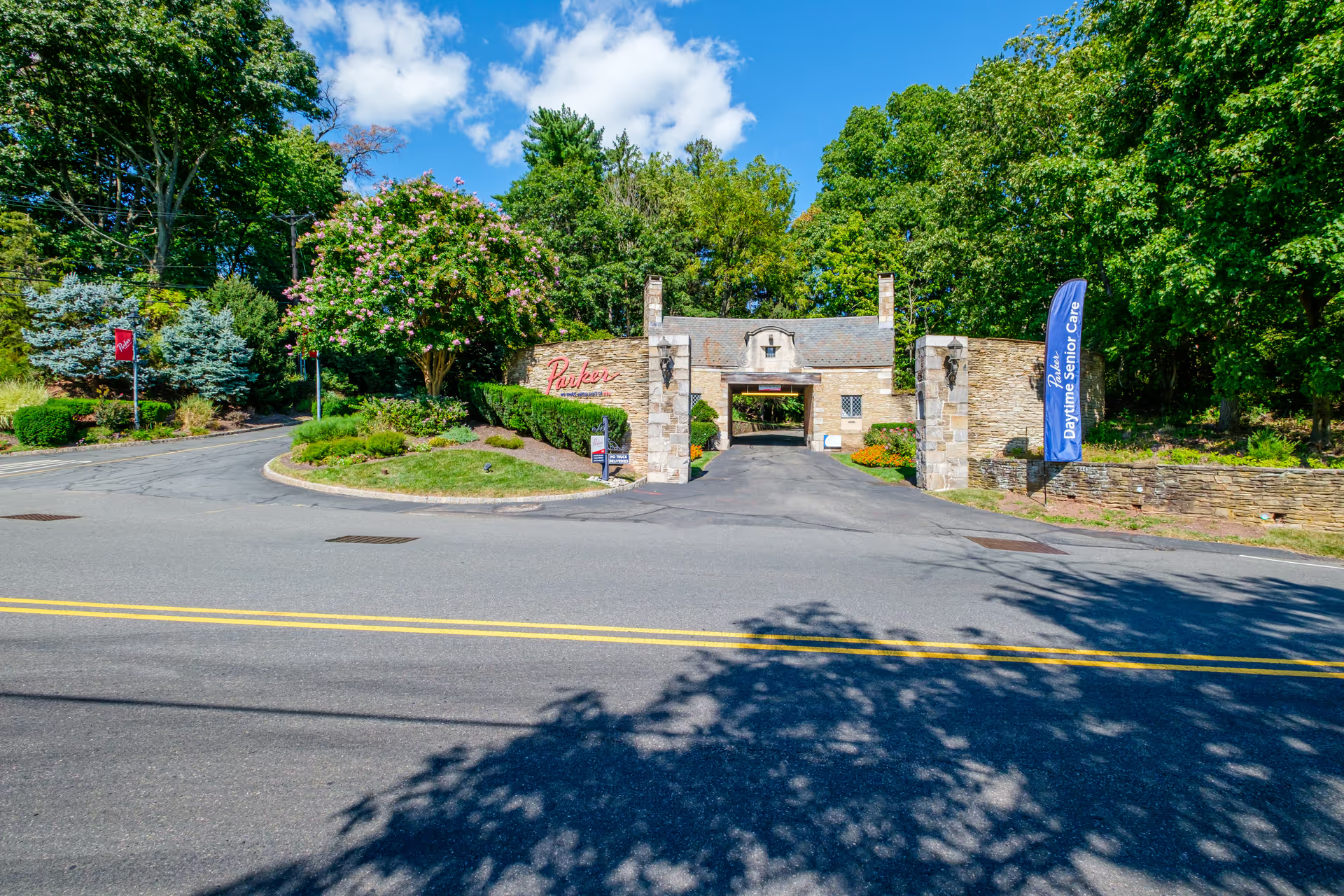
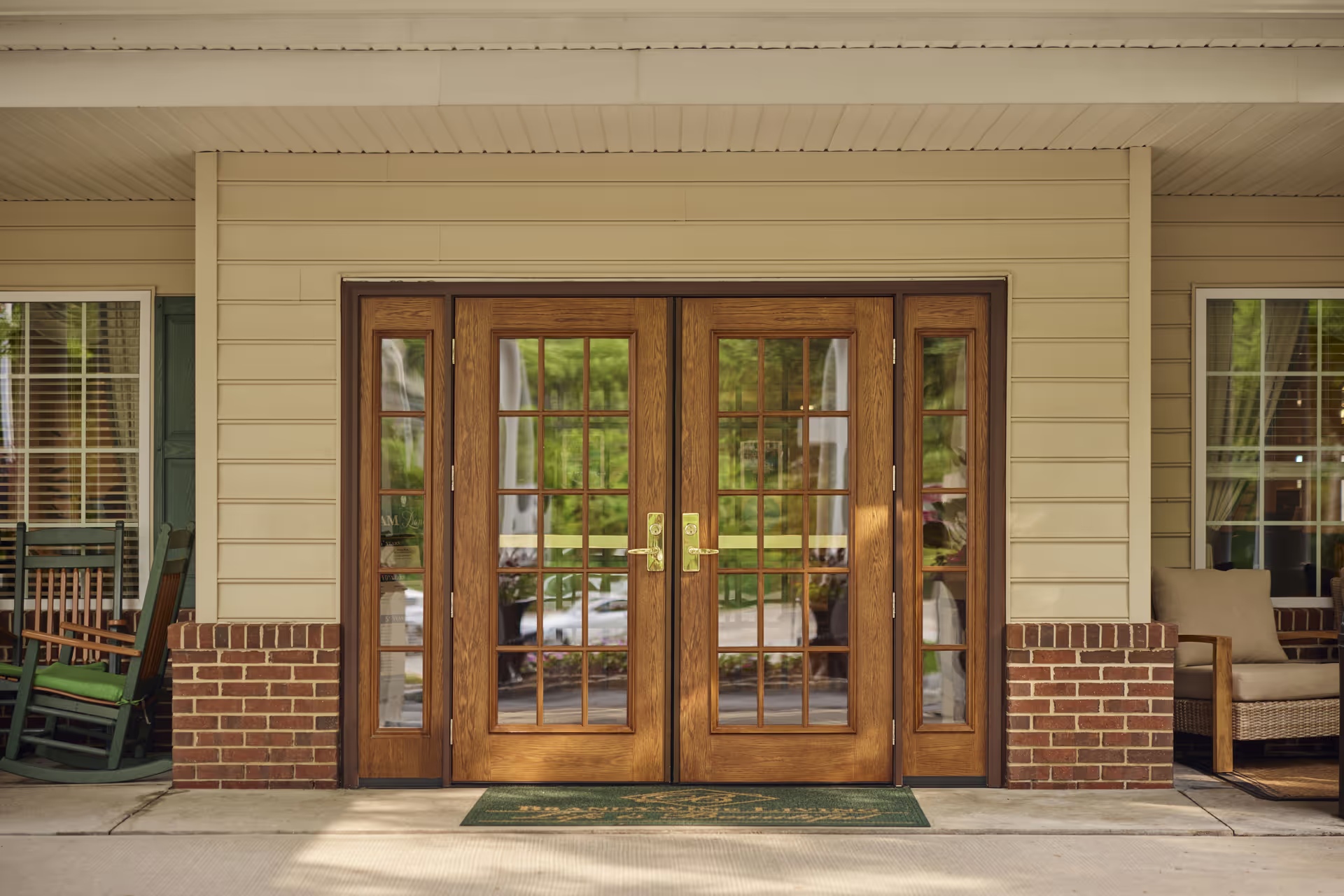
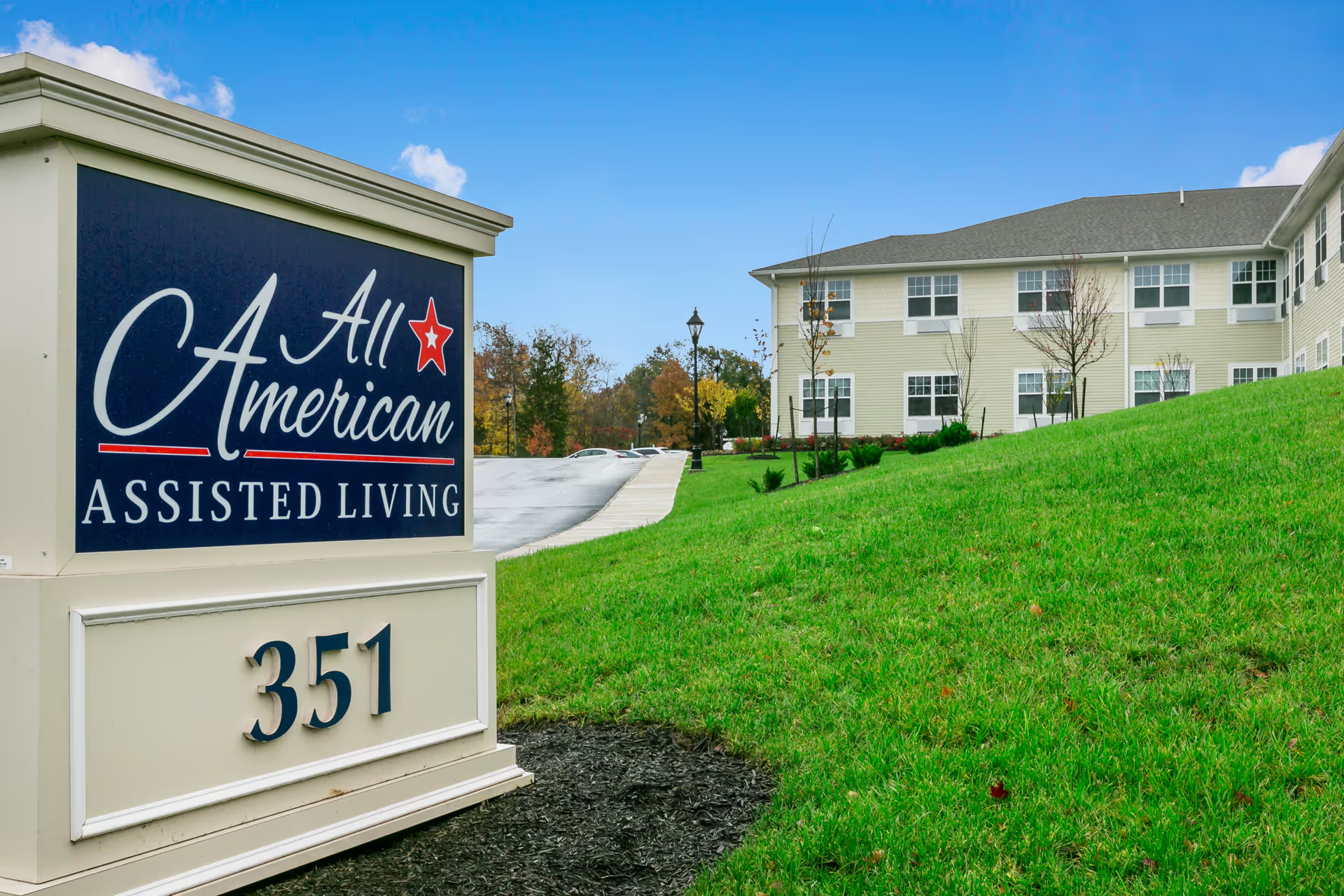
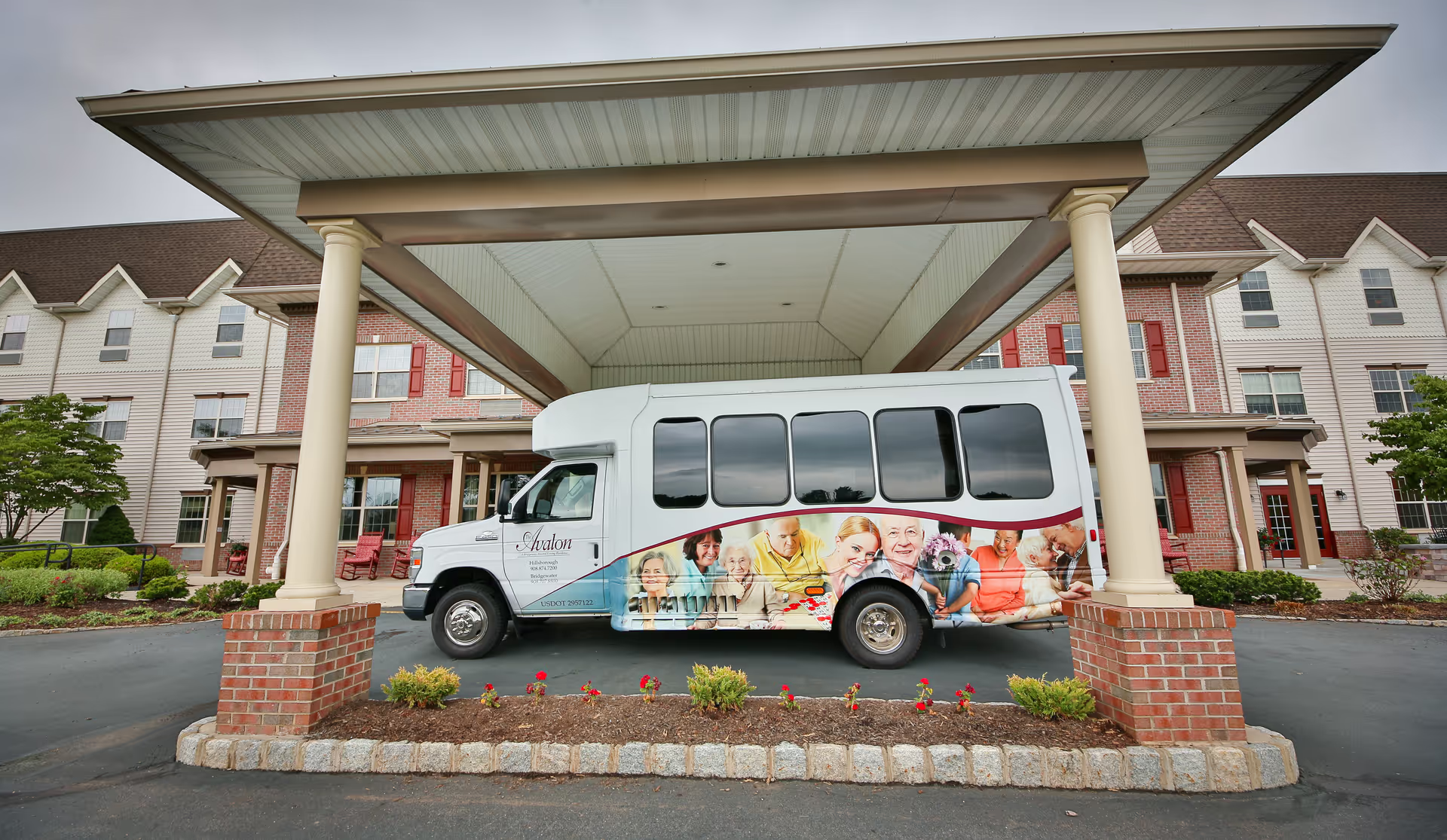
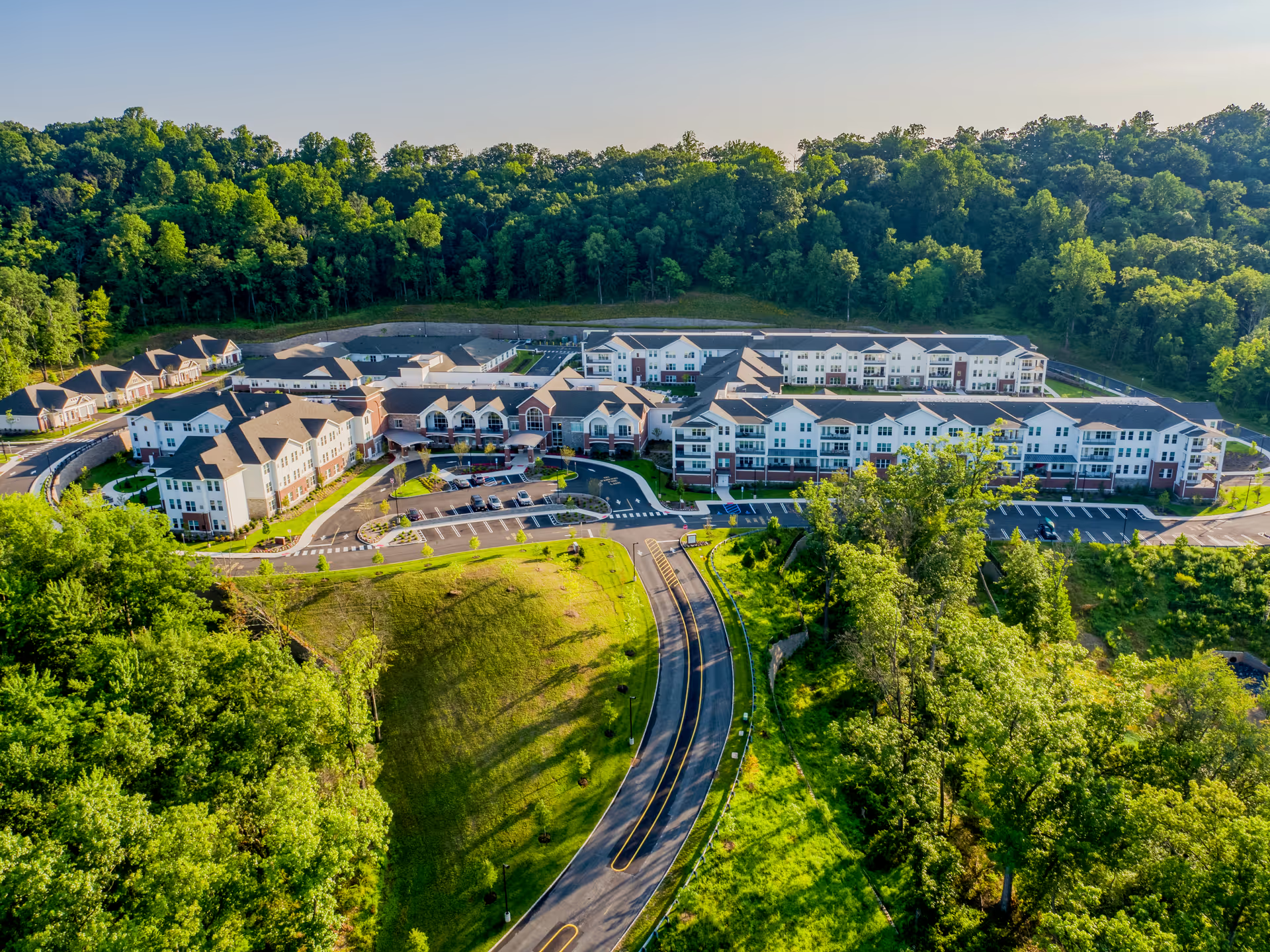
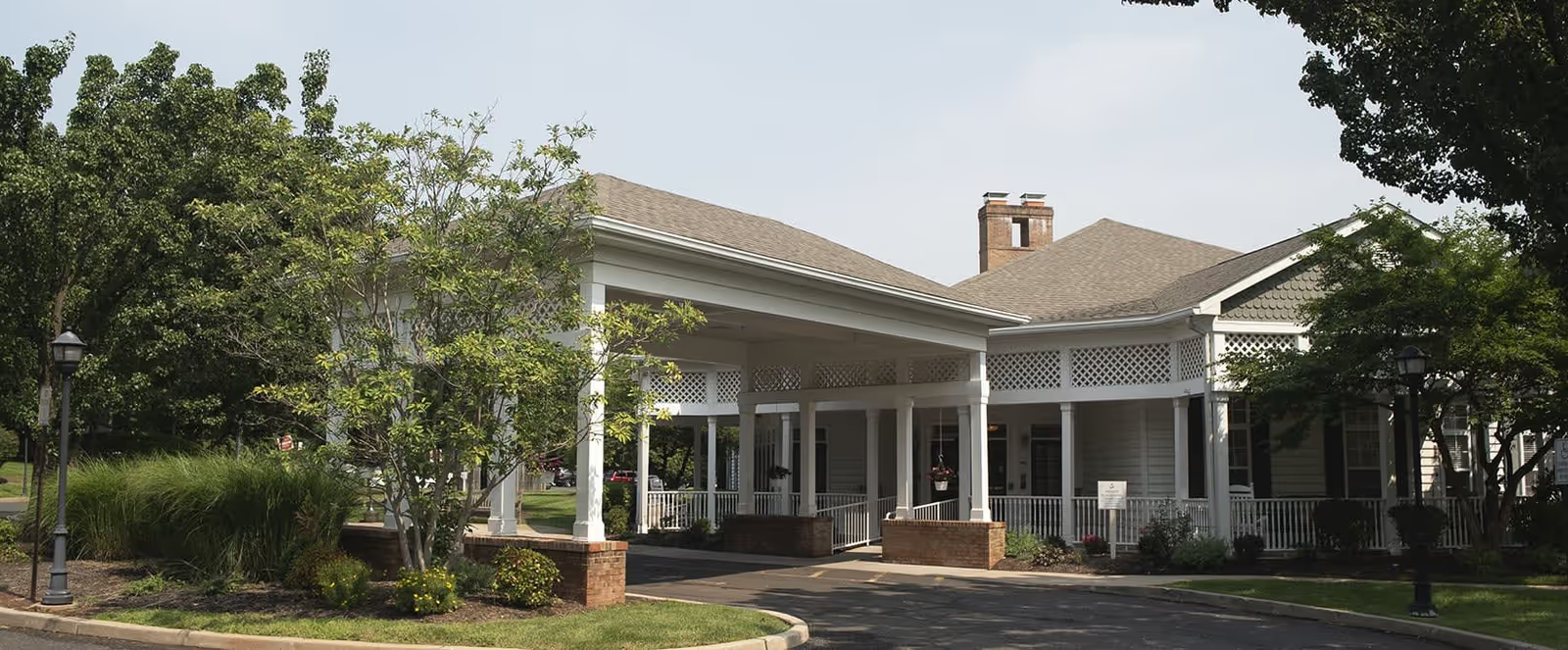
The collected reviews describe a facility with substantial clinical and amenity strengths alongside recurring operational weaknesses. Strengths commonly cited include an effective, goal-oriented rehabilitation program (physical, occupational, and speech therapy), many individual clinicians and aides who are described as compassionate and skilled, and a comfortable, hotel-like environment with private rooms, an expansive rehab gym, attractive grounds, and a new outdoor patio. Dining and activity offerings are frequently praised — reviewers note kosher and standard meal options, special holiday menus, white-tablecloth dining, and a broad schedule of recreational programming (arts, crafts, games, entertainers) that contribute to a family-like atmosphere for many residents.
Care quality accounts are polarized. Numerous families and former residents report meaningful clinical progress (regaining mobility, discharge with a walker, successful short-term rehab) and attentive, personalized care from therapists, nurses, social workers, and admissions staff. Several named staff and leaders receive strong commendations for communication, follow-up, and visible involvement. At the same time, a substantial set of reviews raises operational concerns that have clinical implications: inconsistent staffing and turnover (including use of agency staff), delays responding to call bells and care needs, and lapses in medication administration and follow-up. Reviewers describe instances where wound-care management, infection response, and emergency transfer coordination did not meet expectations. Those themes point to variability in the reliability of baseline nursing and clinical processes across shifts and units.
Dining and housekeeping impressions are generally positive but not uniform. Many reviewers praise the kitchen and dining experience, while others report meal-quality inconsistencies (overcooked or overly salty items, occasional spoiled produce) and delayed housekeeping tasks. Cleanliness and odor concerns are raised intermittently; these descriptions suggest uneven performance in sanitation and incontinence-care practices rather than a facility-wide constant condition.
Management and communication present a mixed picture. Some families highlight proactive owner or director involvement, clear admission and discharge coordination, and helpful social-work engagement. Conversely, other reviews describe poor administrative follow-through, delayed responses to family inquiries, and inconsistent documentation or medical-record handling. Taken together, these comments indicate that leadership presence and communication effectiveness vary depending on timing and staff coverage.
Notable pattern: experiences are highly variable. Many reviewers provide five-star endorsements based on successful rehab outcomes, long-term residency satisfaction, and specific staff members who "went above and beyond." Simultaneously, a number of serious individual clinical concerns are described, including allegations related to pressure injuries, delayed transfers, and medication errors. Prospective residents and families should weigh both types of accounts, tour the facility, ask about unit-level staffing ratios, wound-care and medication protocols, emergency-transfer procedures, recent regulatory inspection results, and turnover rates for nursing and aides to get a clearer picture of current operational consistency.