The reviews present a mixed picture of Providence Nursing & Rehab. Several accounts praise individual caregivers for dedication and for providing attentive, comfort-focused care—some staff members are described as going above and beyond to make residents feel safe and supported, and there are reports of timely, life-saving clinical interventions. At the same time, there are recurring operational concerns that families should weigh carefully.
Care quality appears uneven. Positive experiences emphasize compassionate nursing and responsive bedside assistance, but multiple accounts describe inconsistent responsiveness to clinical needs, missed off-site physician appointments, and gaps in medication administration and documentation. There are also concerns about coordination with external providers and about how emergencies and urgent transport decisions are handled, which suggests variability in clinical decision pathways and escalation procedures.
Staffing and staff conduct emerge as polarizing elements. While some caregivers earn strong praise for individualized attention, reviewers also describe times when staff were unavailable during meetings or breaks, and when families encountered unclear or unsatisfactory communication tone. Difficulty reaching the social worker or care manager and being redirected between departments were common themes, indicating unclear points of responsibility for family communication and care coordination.
Facility operations and logistics show notable weaknesses. Several reviews indicate problems with linens, missing personal clothing, and shortages of basic supplies, pointing to supply-chain or laundry-management shortcomings. Administrative inefficiencies also surface: incorrect main phone numbers or poor phone routing, delayed or ignored transfer requests, and prolonged discharge/transfer processing times. These operational gaps amplify clinical concerns when timely transfers, external appointments, or medication changes are required.
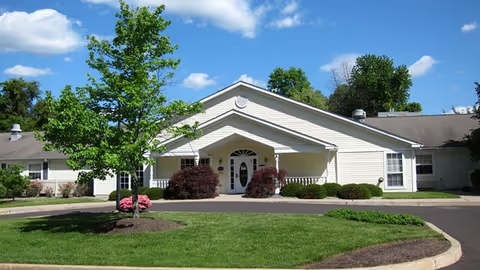
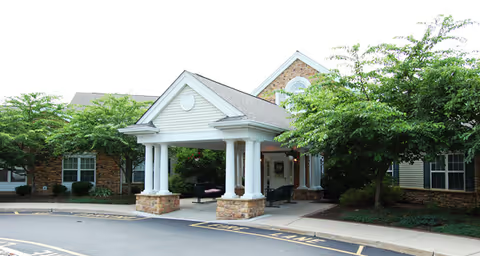
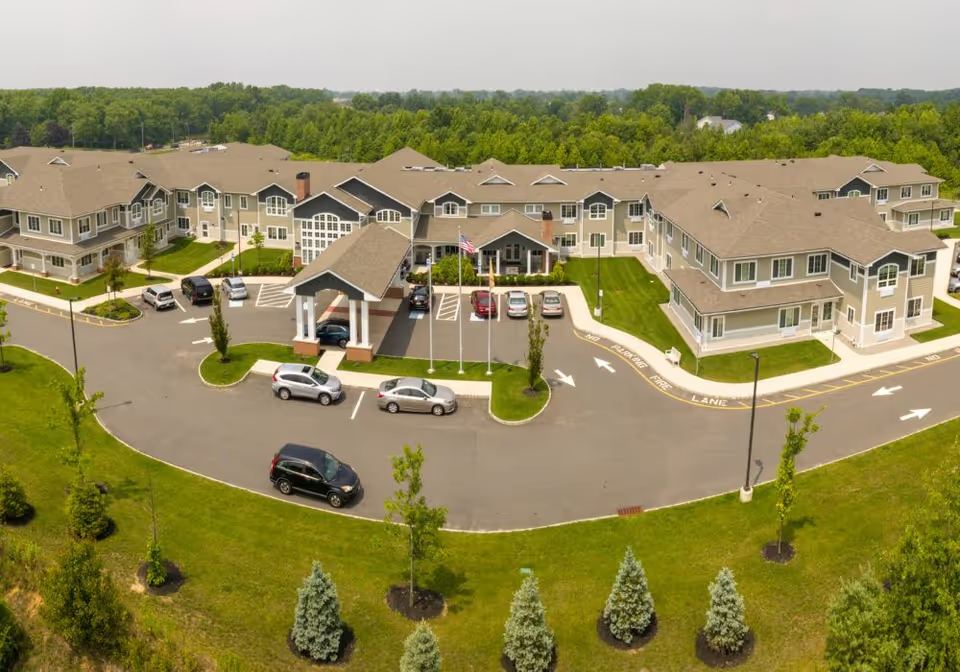
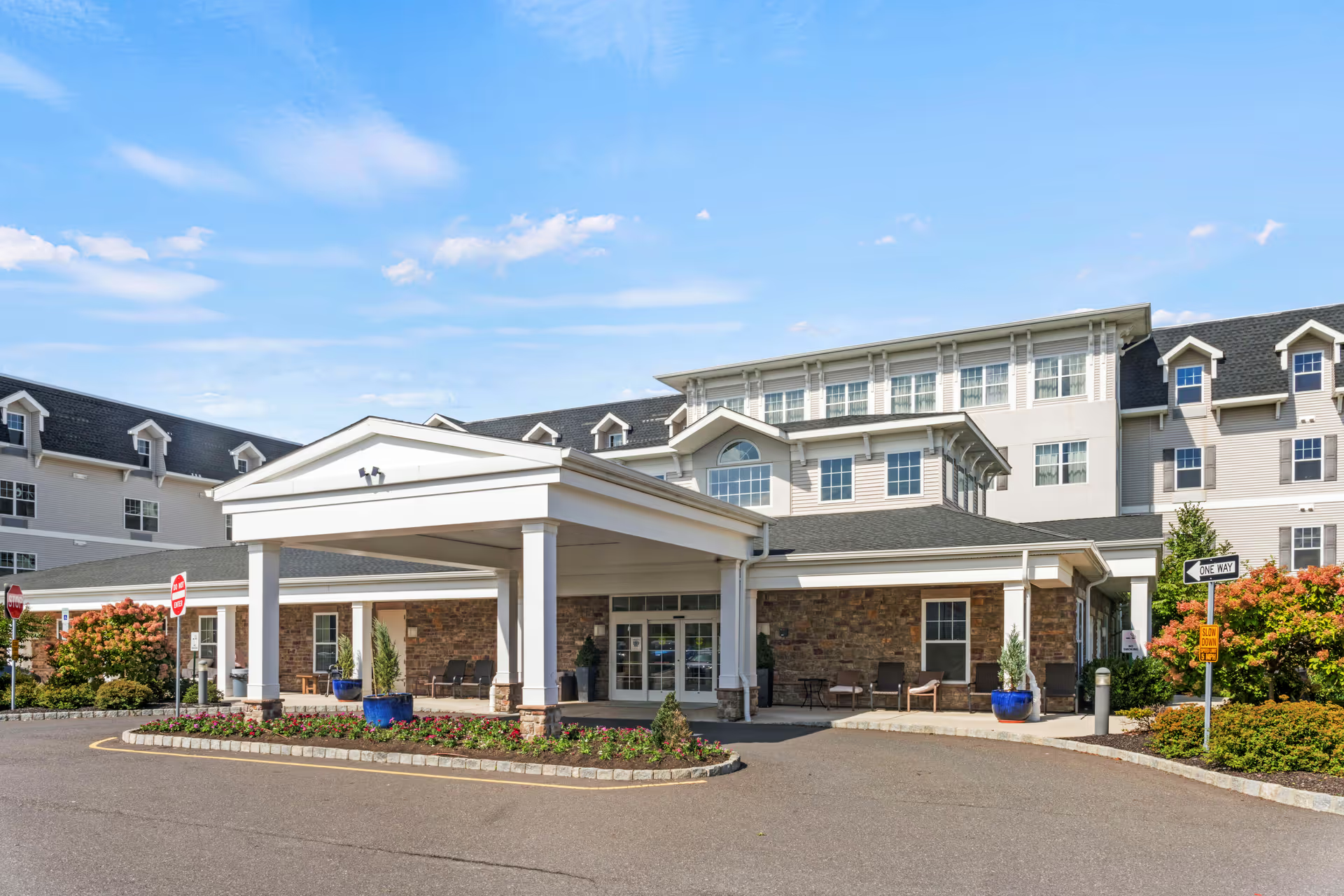
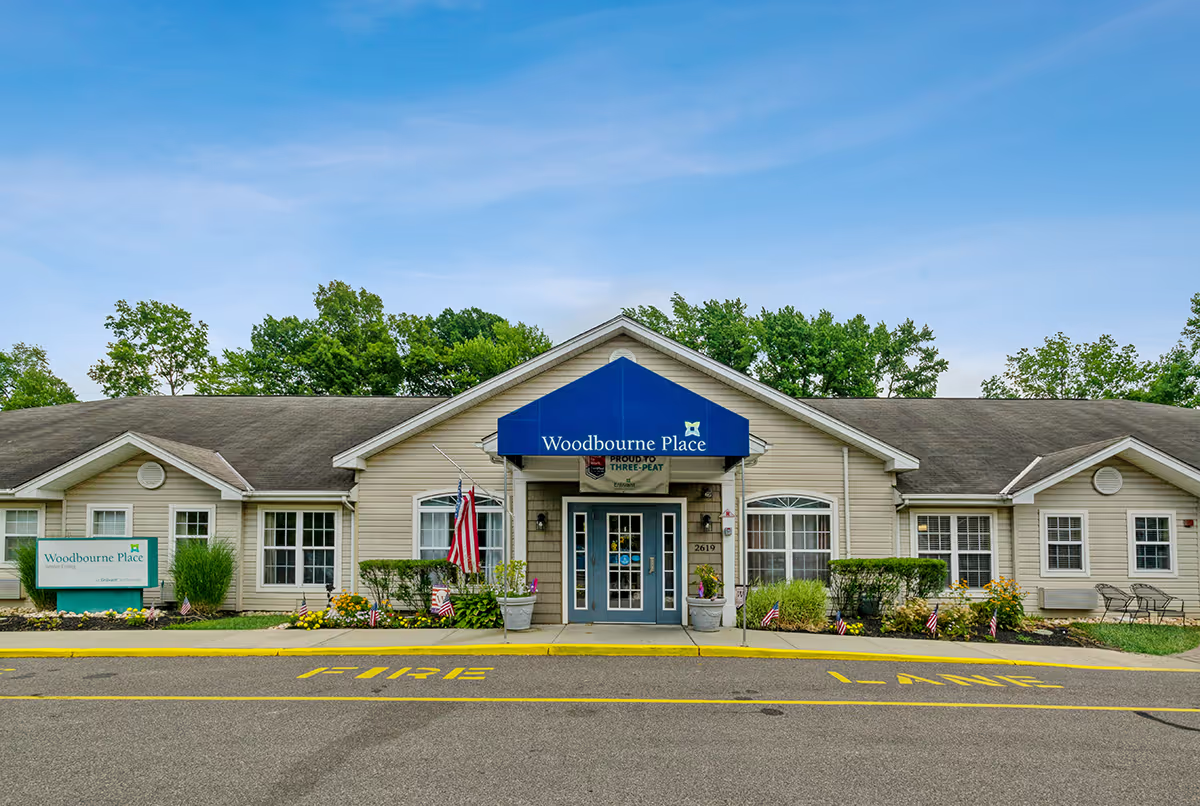
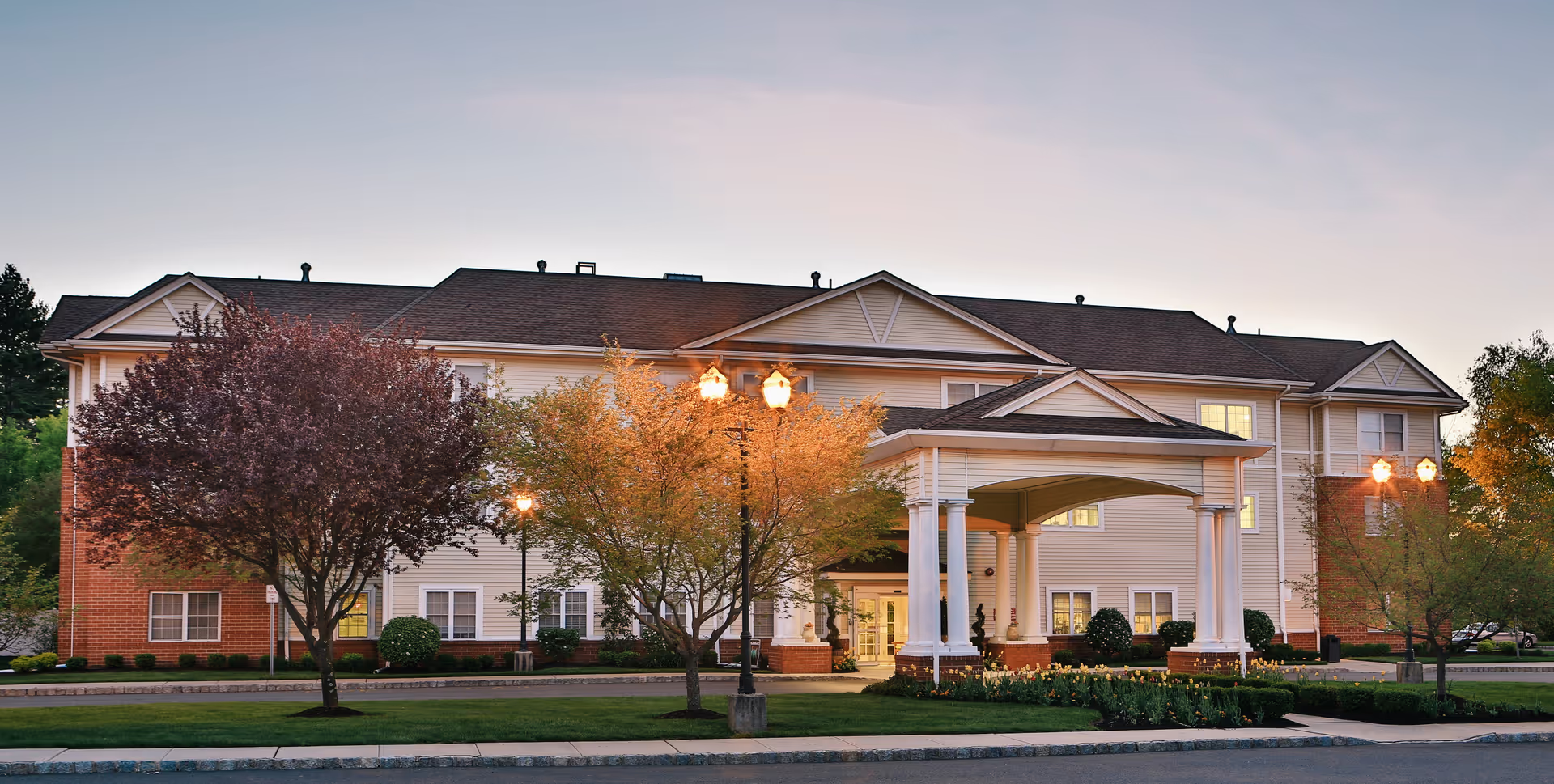
There is limited direct feedback about dining, activities, or the physical environment in the provided summaries; what is highlighted most pertains to clinical care, staffing, and administration. Prospective residents and families should directly inquire about meal service routines, activity programming, and room/facility maintenance during a tour.
Notable patterns to consider: (1) a split between highly committed individual staff and broader systemic inconsistency; (2) recurring communication breakdowns both internally (between departments) and externally (with families and outside providers); and (3) operational issues involving supplies, linens, and transfer/discharge logistics. Families considering this facility may want to meet key staff (nursing leadership, social work, and admissions), verify medication reconciliation and emergency protocols, confirm contact numbers and escalation pathways, and ask about laundry and personal-belongings procedures before admission.