Reviewers present a polarized picture of Genesee Center for Nursing & Rehabilitation. Many accounts highlight compassionate, attentive caregivers, effective rehabilitation services, strong wound care on particular units, and an active social program with arts, crafts, and outings that residents enjoy. Families frequently praise quick, organized admissions and check-in procedures, engaged social-work coordination, and staff who create positive day-to-day interactions and maintain grooming and personal appearance for residents. The therapy department (PT/OT) and some nursing teams are repeatedly credited with measurable clinical improvement for post-surgical and rehabilitative patients.
At the same time, a substantial portion of feedback raises facility-level operational concerns. Staffing consistency is a recurring theme: reviewers describe insufficient coverage on certain shifts and weekends, which manifests as slow response times to call bells, delays in assistance with toileting and bathing, and uneven medication administration including delayed pain relief. These process gaps have produced pronounced variability in the quality of hands-on care and dignity-preserving assistance. In several accounts this variability extends to sanitation and housekeeping practices; while some units and rooms are described as clean and well-maintained, others are characterized by cleanliness and odor concerns.
Dining and therapy experiences are similarly mixed. The facility offers regular activities and social opportunities that many residents enjoy, but meal quality, temperature, and variety are inconsistent: reviewers mention limited menu options, cold meals, and dissatisfaction with food preparation alongside separate accounts of good dining experiences. Therapy services are often praised for competence and outcomes, yet there are also reports of delayed therapy starts, scheduling interruptions, and insurance-related therapy management issues that affect rehabilitation continuity.
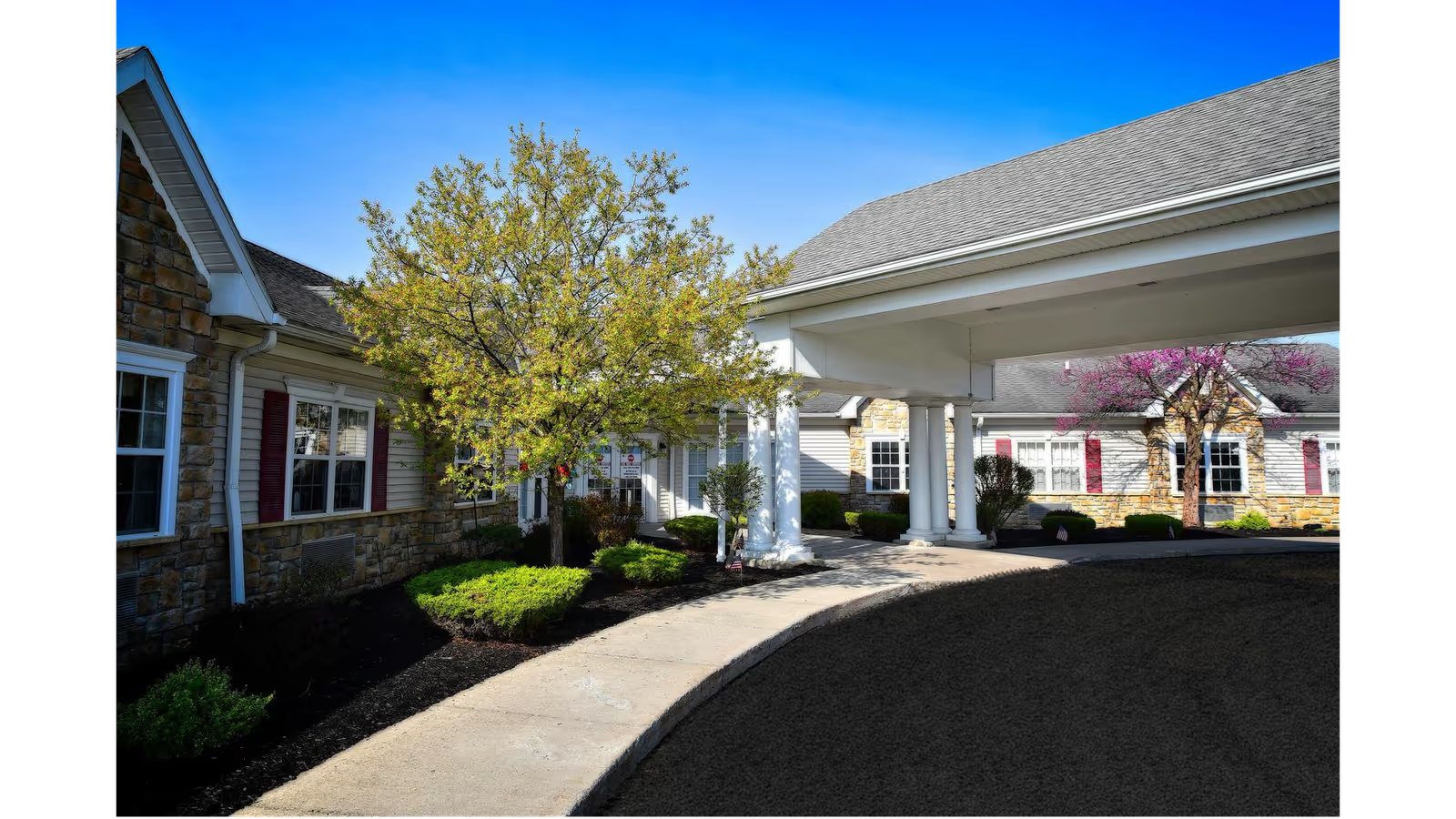
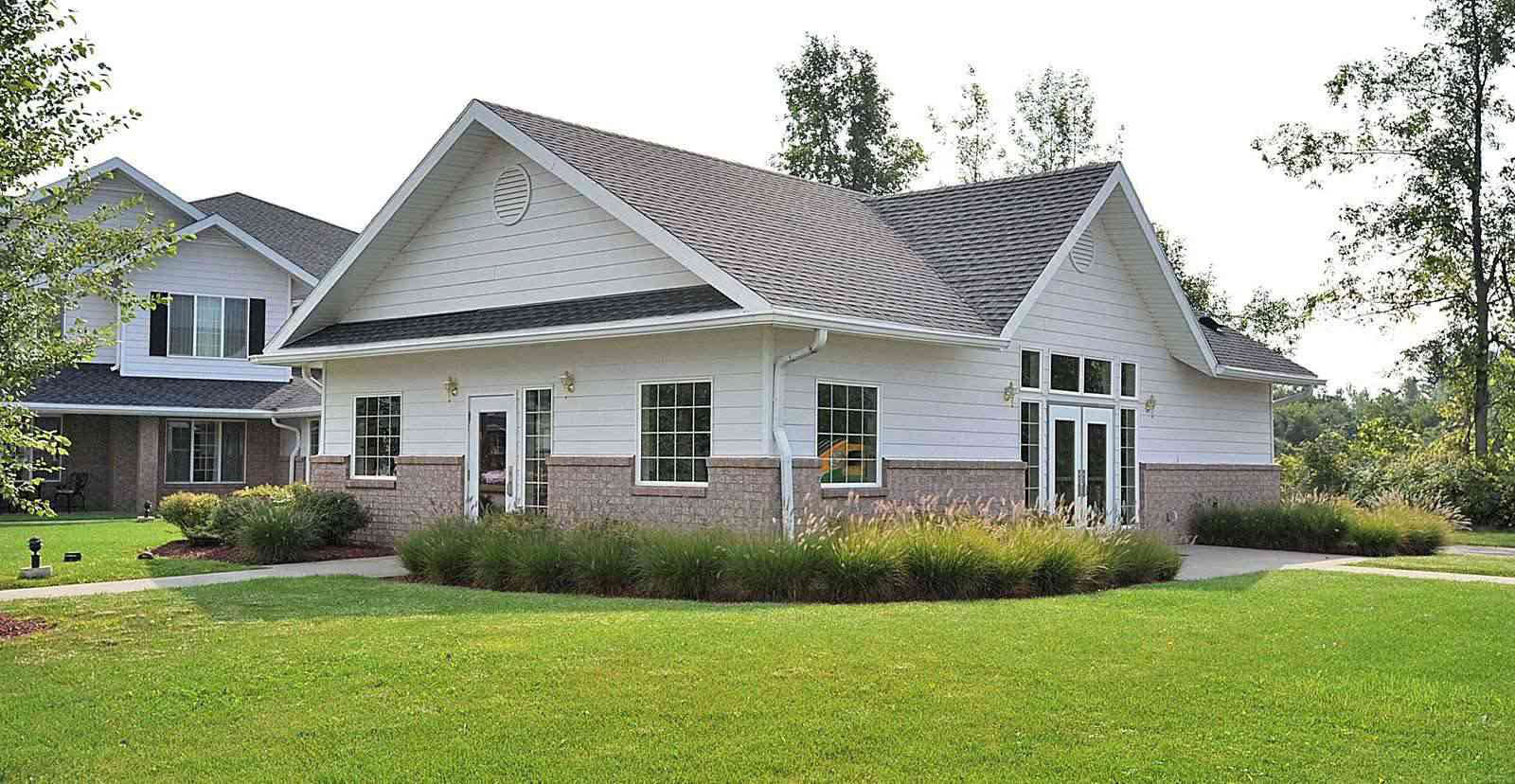
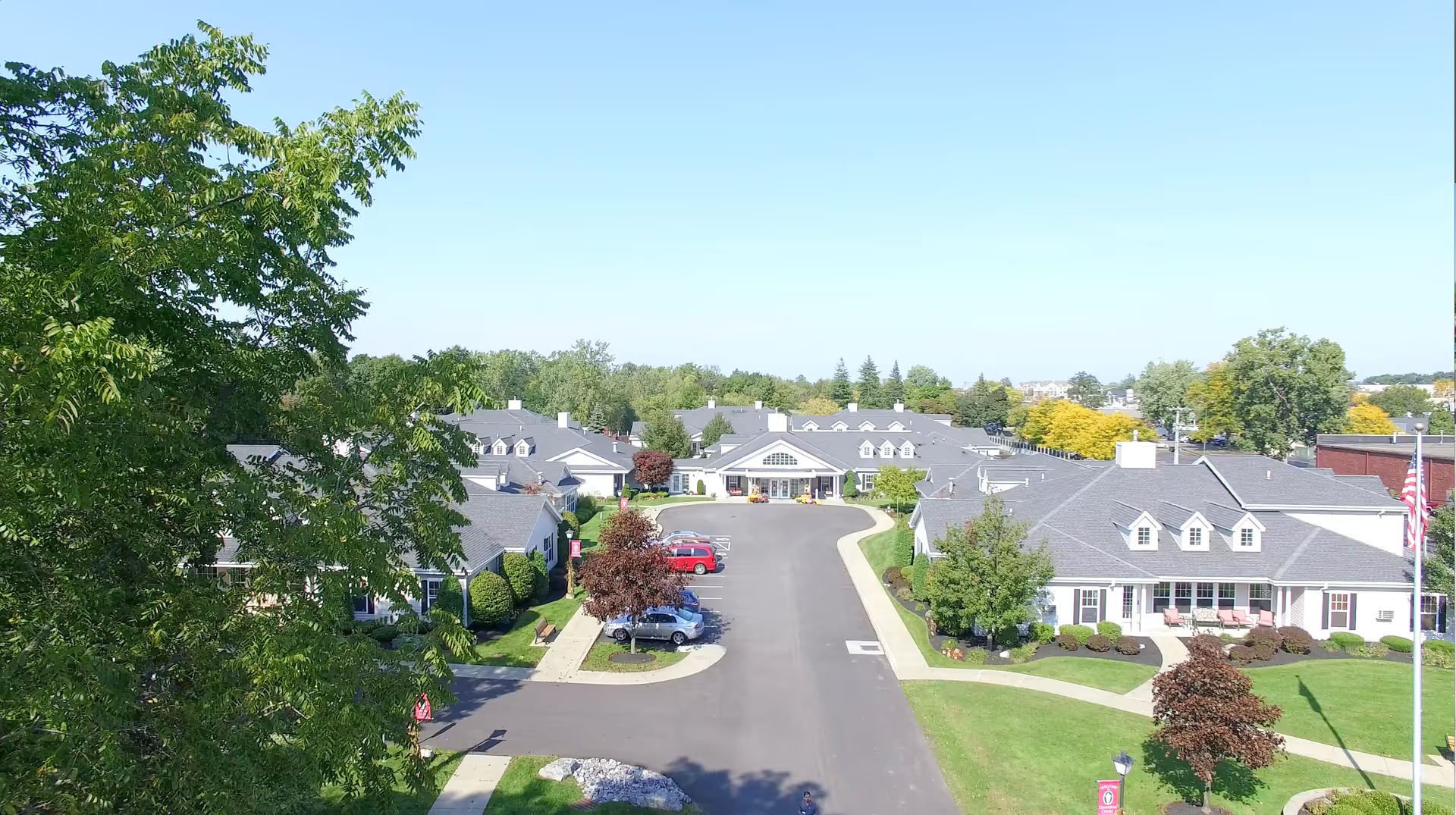
Physical plant and management issues appear in multiple accounts. Some reviewers note older rooms, limited climate control (including reports of overheated rooms), and occasional leaks or maintenance shortcomings. Administrative impressions vary widely: some families describe responsive, organized leadership and helpful social work, while others characterize management as defensive, uncommunicative, or insufficiently responsive to clinical and safety concerns. Several reviews point to weaknesses in clinical-incident response and documentation (for example, test-results follow-up and incident reporting), and there are serious, specific allegations regarding staff conduct and safety that stand apart from routine care complaints; these allegations warrant careful inquiry by prospective residents and families.
Overall, experiences at the facility appear to be highly dependent on unit, shift, and specific staff on duty. Strengths include committed caregivers, effective therapy teams, active programming, and strong support from certain social-work and nursing staff. Risks to consider include inconsistent staffing and responsiveness, variability in hygiene and sanitation practices, intermittent issues with food service and physical plant, and mixed reports about management responsiveness. Prospective residents and families should visit multiple units, ask about current staffing ratios and weekend coverage, review incident-response policies, and seek specifics about therapy schedules and clinical oversight to assess whether the facility’s strengths align with the resident’s clinical and safety needs.