King David Center for Nursing and Rehabilitation presents a mixed but instructive profile. Many families and patients praise the center as a strong rehabilitation environment: physical and occupational therapy programs are repeatedly described as effective, with multiple therapists named for contributing to measurable mobility gains. The nursing and CNA teams receive frequent positive mention for compassion, attentiveness, pain management and hands-on care. Concierge and patient-advocate roles (admissions, social work and unit liaisons) are highlighted as a meaningful source of family communication, discharge planning and coordination. The recreation department and holiday programming are consistently cited as vibrant — concerts, cultural events, Chanukah activity boxes and daily groups contribute to social engagement and resident morale.
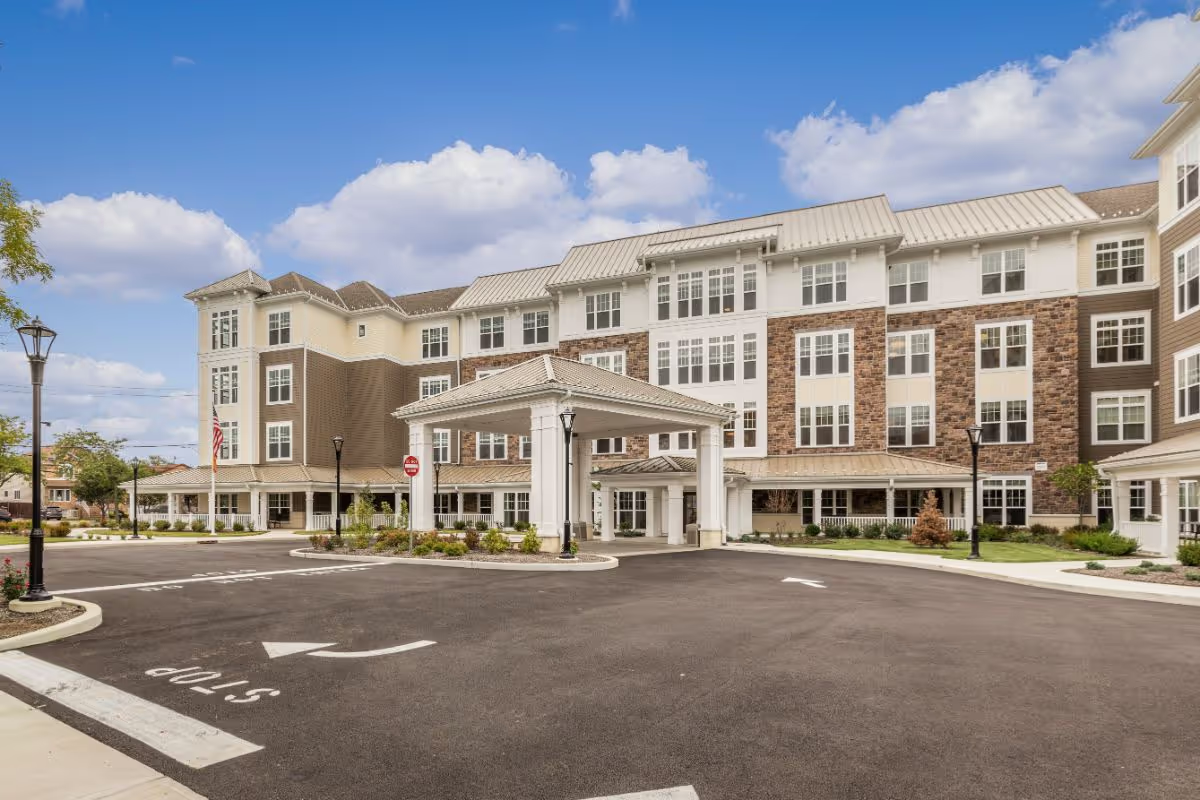
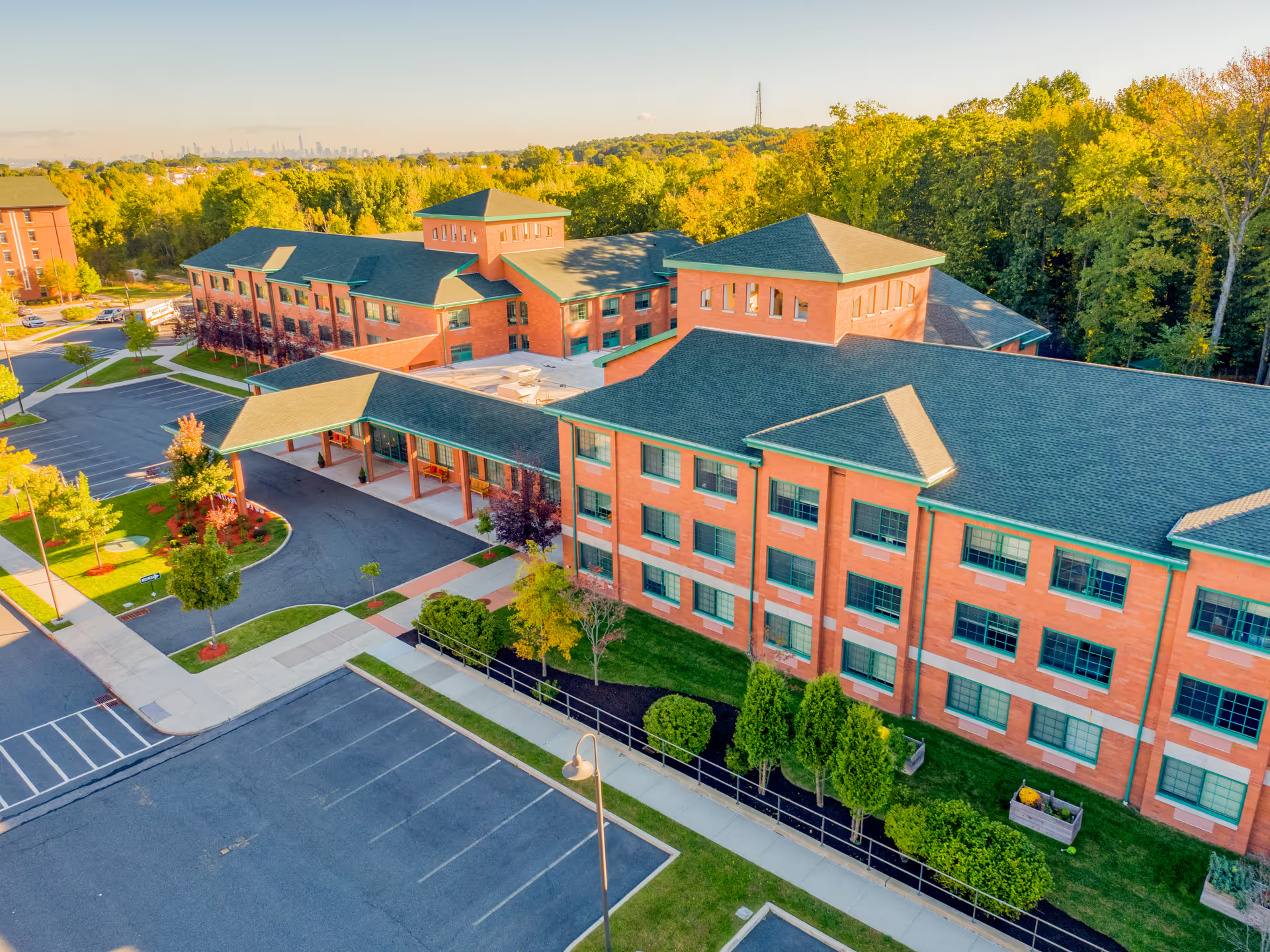
Dining and facilities draw similarly polarized feedback. Many reviews emphasize a clean, recently renovated building, comfortable rooms, a welcoming lobby, on-site salon and gym, and secure entry procedures. The kosher and culturally tailored menus (with Mediterranean influence and some Chinese options) are repeatedly noted as a strength, and families sometimes single out warm, appealing meals. At the same time, reviewers describe inconsistent meal quality, missed diet orders or substitutions, cold plates, and periodic shortages of specific items. Maintenance and infrastructure items receive praise for updates and cleanliness in many areas, while isolated complaints describe water leaks, HVAC or elevator issues and slower repair response on some units.
The predominant negative themes are operational and consistent with facility-level process weaknesses. Staffing levels and coverage are described as inconsistent: understaffing, reduced weekend coverage and high nurse-to-resident ratios are linked with delayed responses to call bells, slow assistance for personal-care needs and limited therapy access at times. Medication administration and pharmacy coordination are another recurrent concern: reviewers describe delayed deliveries, medication timing inconsistencies, and challenges getting specialized nutrition or diabetes-related supplies. Families also raised issues around property control and documentation: missing or misplaced belongings, discharge paperwork errors and billing/administrative mistakes appear as recurring administrative vulnerabilities. In a subset of accounts, there are concerns about staff conduct and communication tone or cultural insensitivity; these describe variability in staff approach rather than a uniform culture.
Taken together, the pattern suggests a facility with clear strengths in clinical rehabilitation, engagement programming and concierge-style family communication, but with operational variability that can affect clinical safety and day-to-day experience. Prospective residents and families should weigh the center’s rehabilitation track record and active programming against the potential for inconsistent staffing, medication/pharmacy delays, and unit-level maintenance or sanitation lapses. When evaluating the facility, visitors may wish to ask specific questions about staffing ratios on the intended unit and shift, medication and pharmacy turnaround procedures, diet-adherence practices, property-inventory controls, and language or cultural supports; meeting the social-work or concierge contact during a tour can help clarify discharge planning and real-time communication processes.