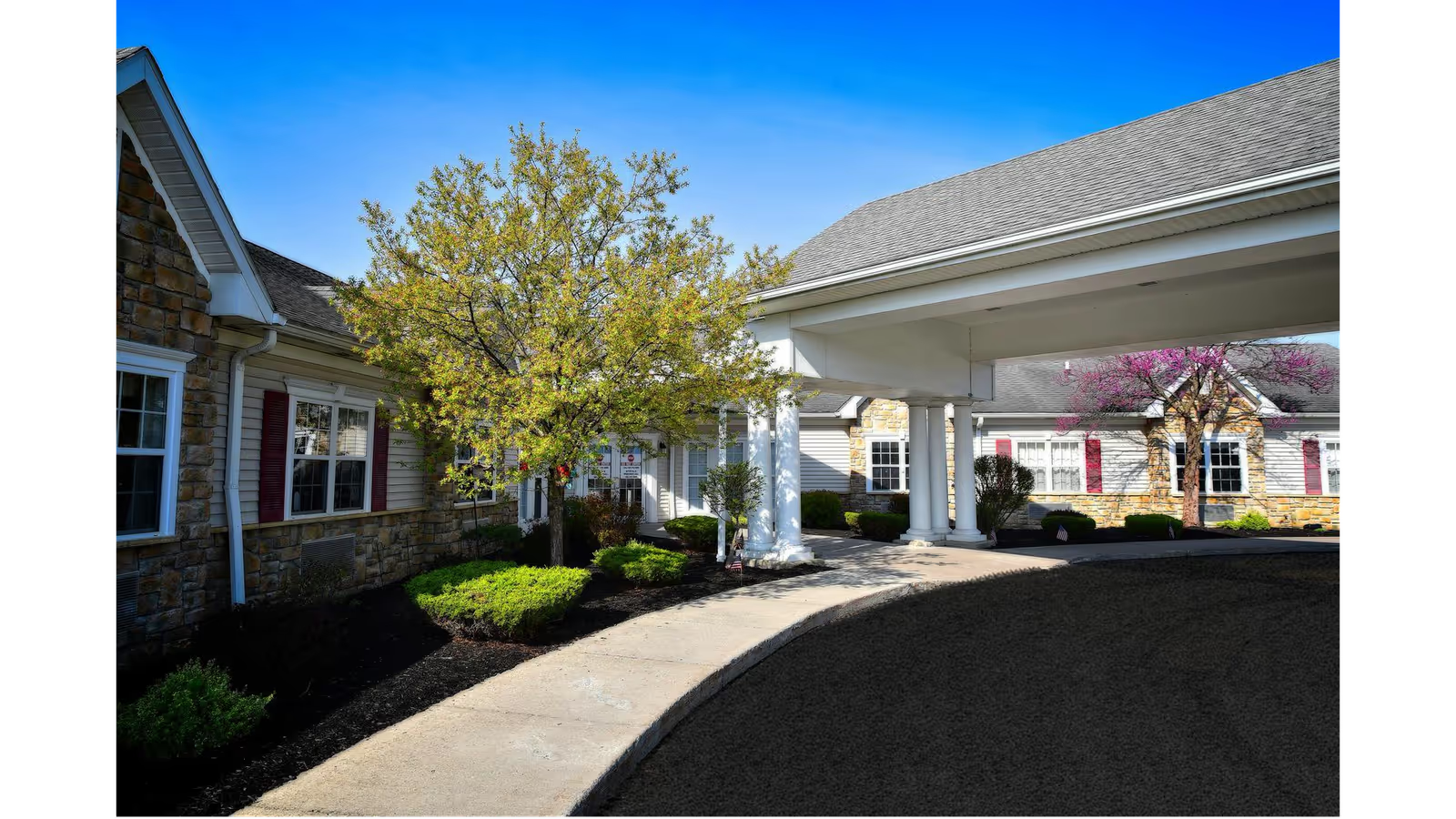
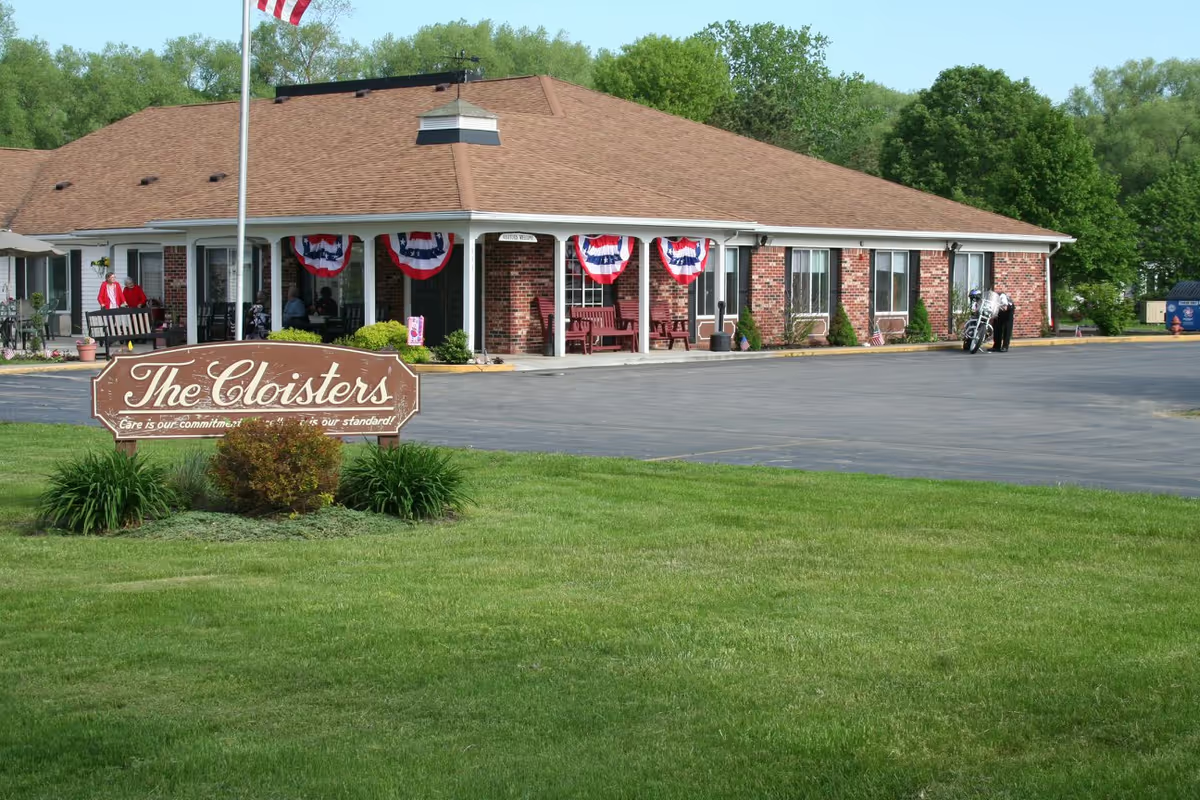
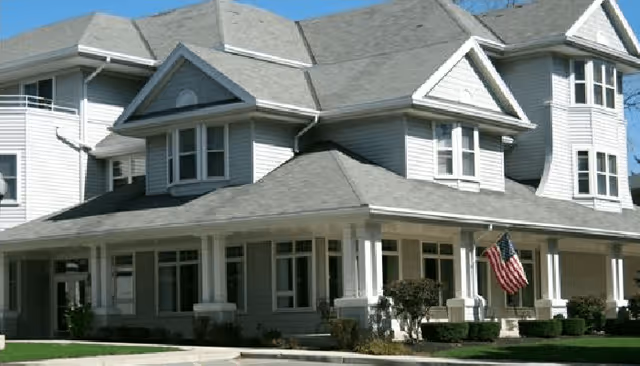
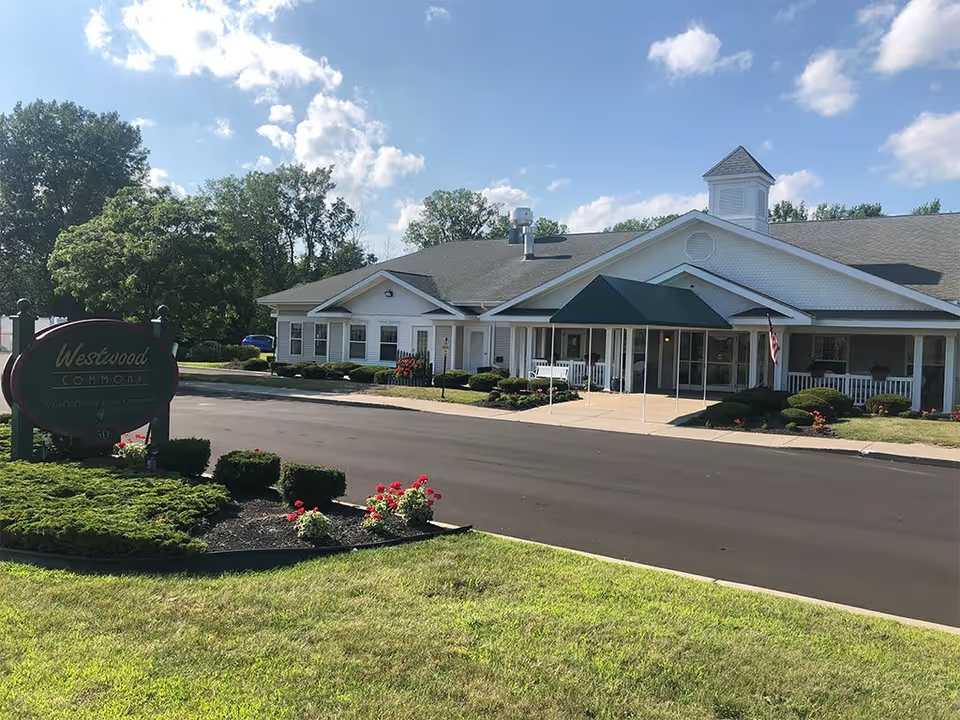
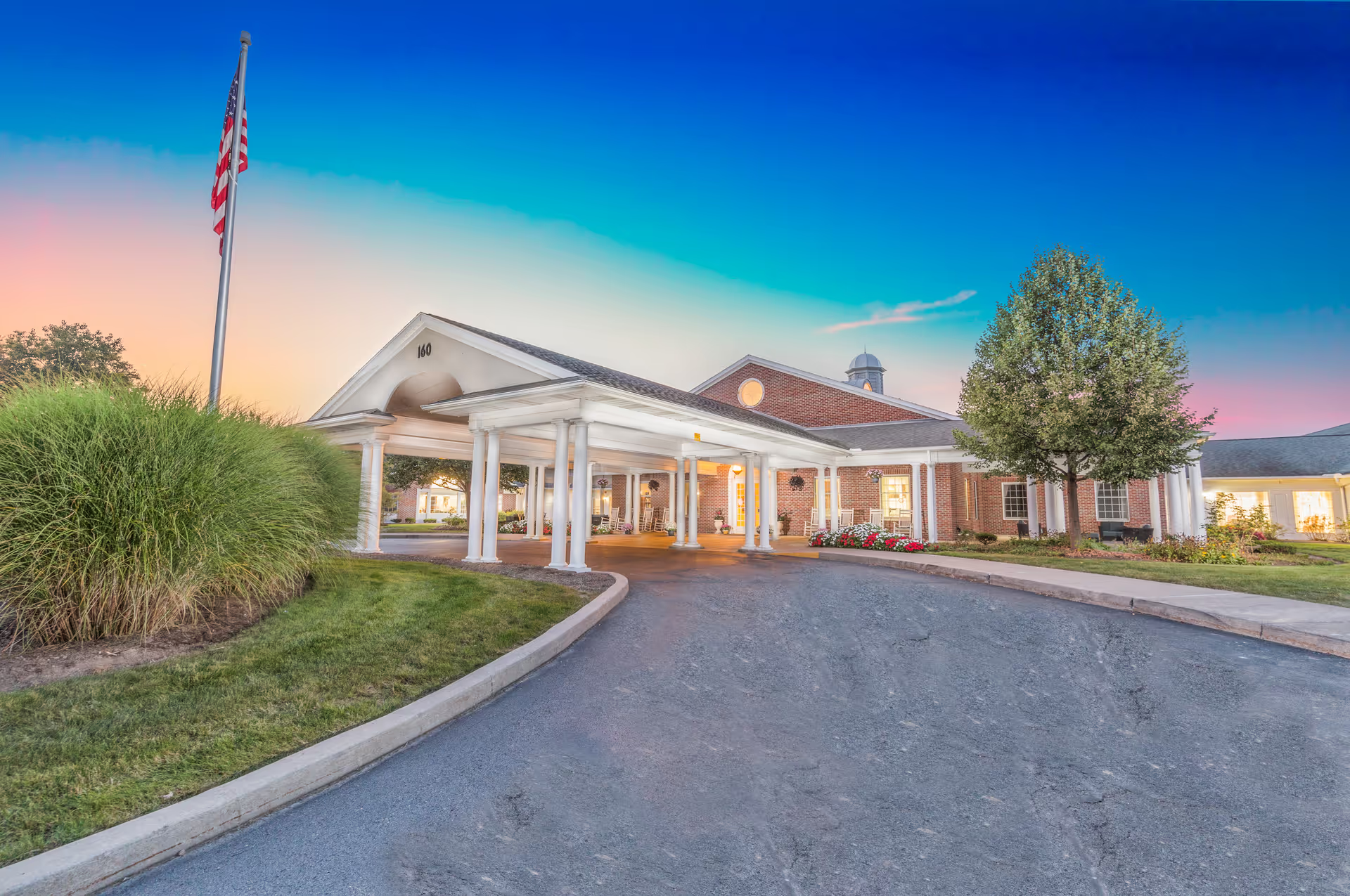
Livingston County Center presents a mixed but discernible profile: many families and visitors highlight strong clinical and hospitality elements while others point to operational inconsistencies and environmental shortcomings. The facility's neighborhood-model layout and several on-site amenities (restaurant, coffee shop, gift shop, barber, computer room) create a campus feel that some find welcoming. Large rooms and areas described as well kept coexist with accounts of darker, dated sections that would benefit from updating.
Care quality and staffing surface as the facility's most polarizing dimensions. Positive comments emphasize compassionate, attentive nursing and caregiving staff, prompt responses to call bells, and a dedicated rehabilitation team that supports measurable recovery for short-term patients. The center is also noted for hospice capability and being an appropriate option for post-acute rehab or 24-hour nursing. Counterbalancing those strengths are patterns of inconsistent personal-care quality and variable staffing levels or skill mix; families should anticipate variability in day-to-day caregiver performance and some need for ongoing oversight.
Dining and activities are generally described as strengths. Meals are served individually and described as responsive to resident preferences; an on-site restaurant and ancillary services support resident choice. A broad activities program, including bingo and arts-and-crafts offerings, was frequently mentioned and contributes to social engagement. These programmatic areas are often cited as reliable positives by those who had favorable experiences.
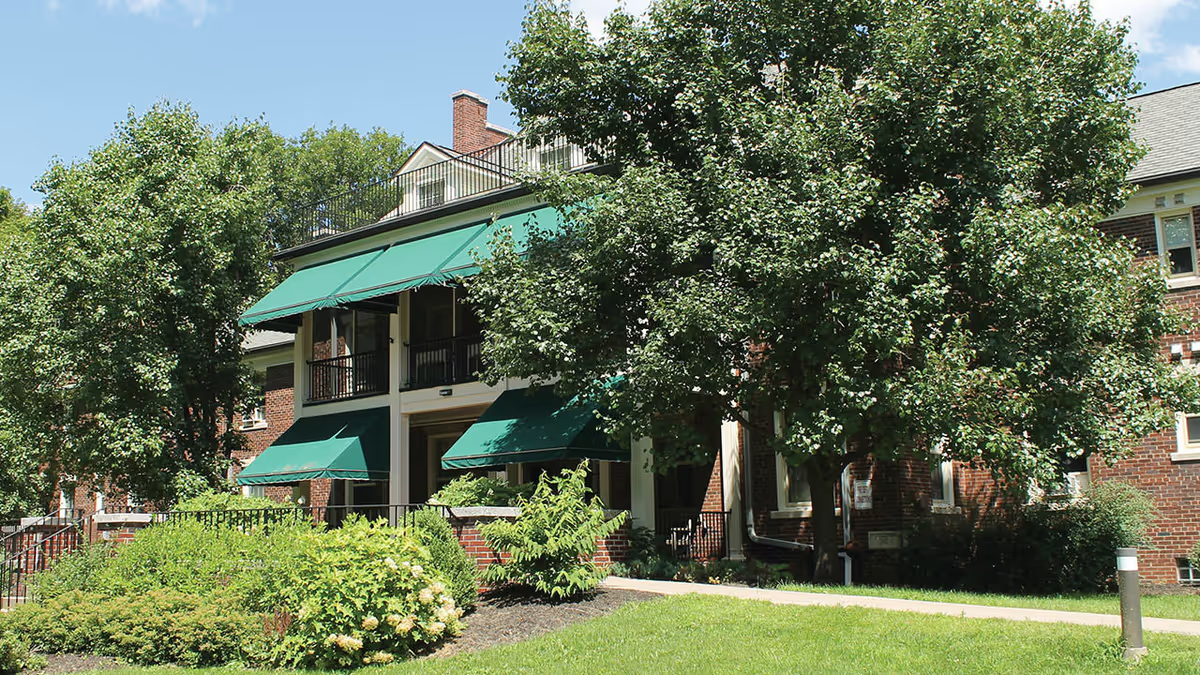
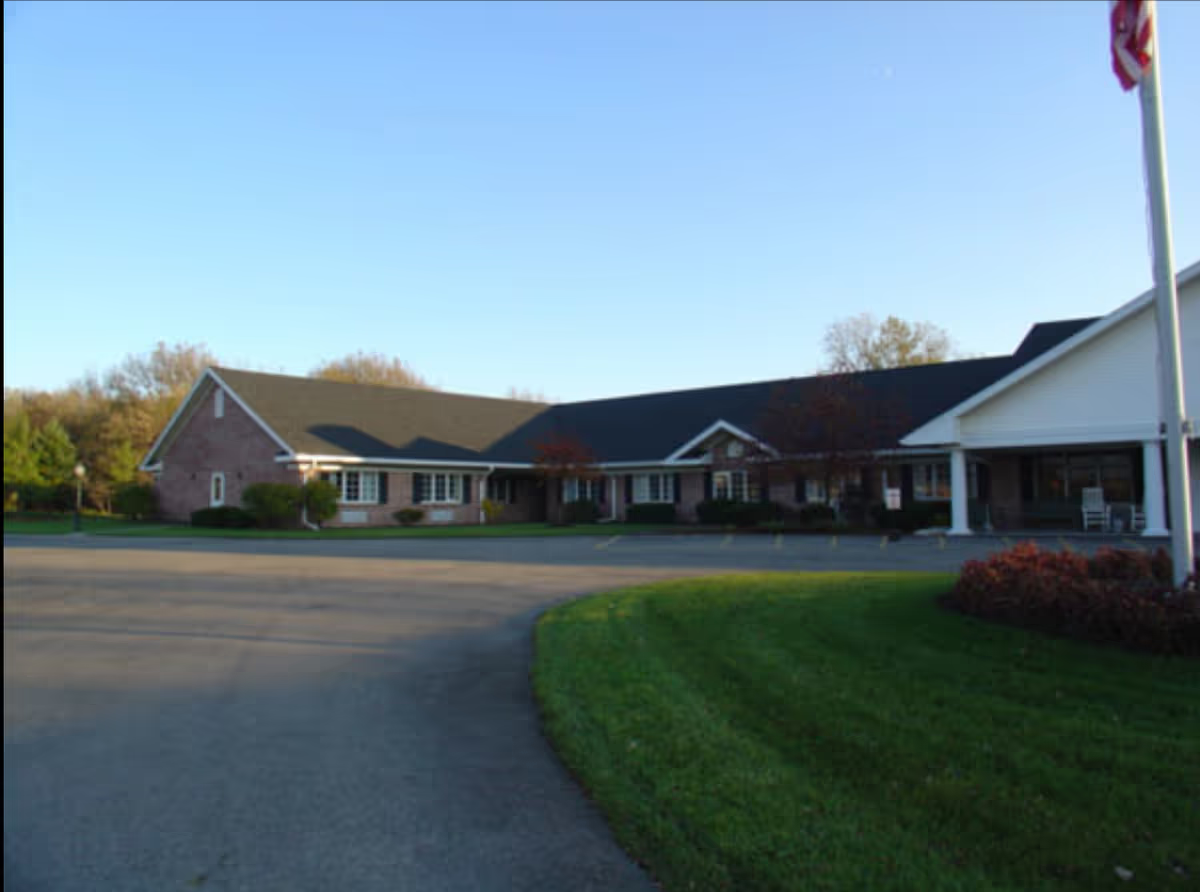
The physical environment shows divergence between well-maintained spaces and areas in need of improvement. While some reviewers call the building beautiful and well cared for, others describe parts of the facility as dated, sparsely furnished, and lacking adequate light or updates. Sanitation and odor concerns were raised for certain common areas, indicating inconsistent housekeeping or maintenance in places. On-site amenities mitigate some environmental limitations but do not eliminate the perception of uneven upkeep.
Management and operational patterns warrant attention. Several accounts point to communication gaps between staff and families and to deficiencies in incident response and administrative follow-through; some families felt compelled to monitor care closely to achieve acceptable outcomes. Safety-related concerns, including transfer and mobility practices, were also mentioned, suggesting prospective residents should evaluate transfer protocols and staff training. A number of frontline staff members received individual praise for kindness and attentiveness, indicating that strong caregivers are present but that their presence may not be uniform across all shifts or units.
Recommendations for prospective residents or families: tour multiple neighborhoods within the facility at different times of day, observe staffing levels and response times, ask for recent inspection and staffing-ratio information, review sanitation and infection-control procedures, inquire about transfer-safety protocols and rehabilitation outcomes, and discuss family communication channels and incident-notification policies. These steps will help clarify whether the center's strengths align with an individual resident's needs and whether identified operational weaknesses are being actively addressed.