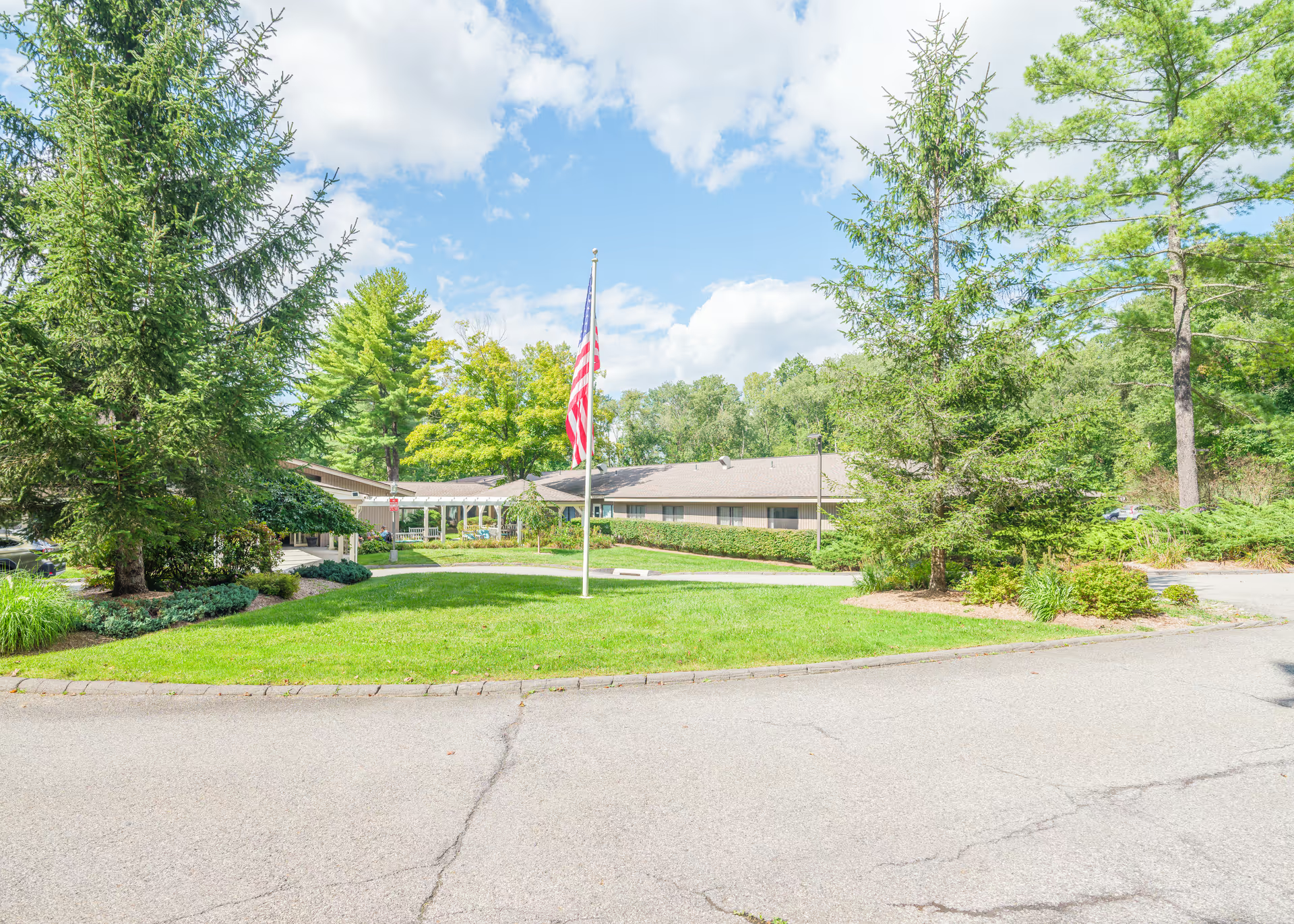
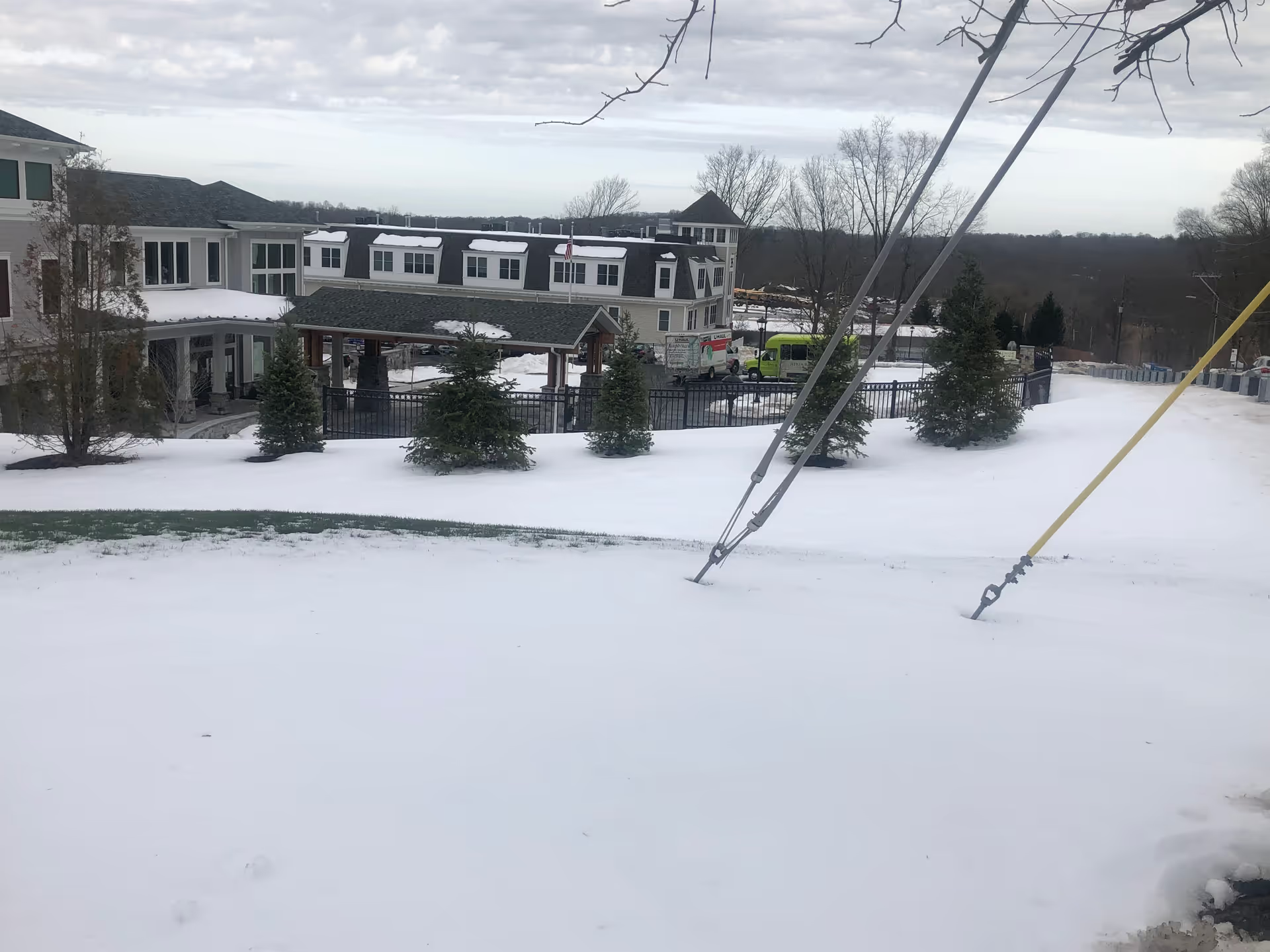
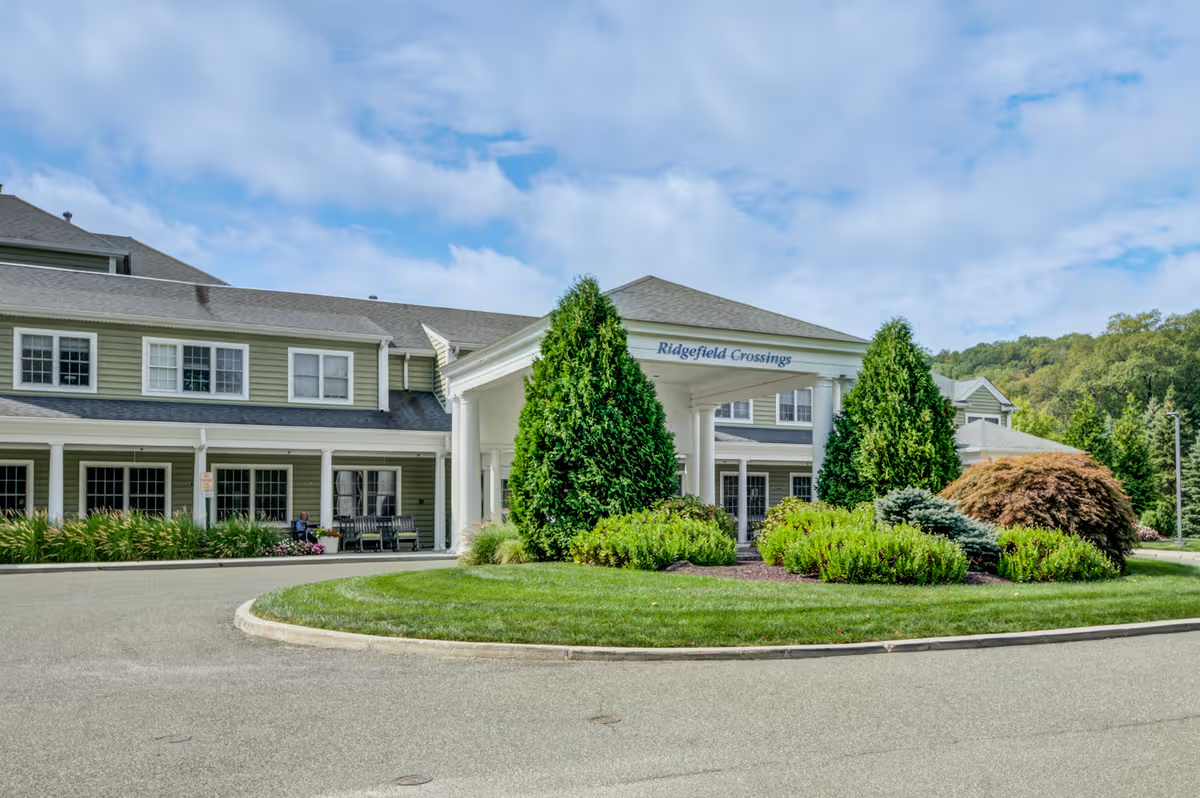
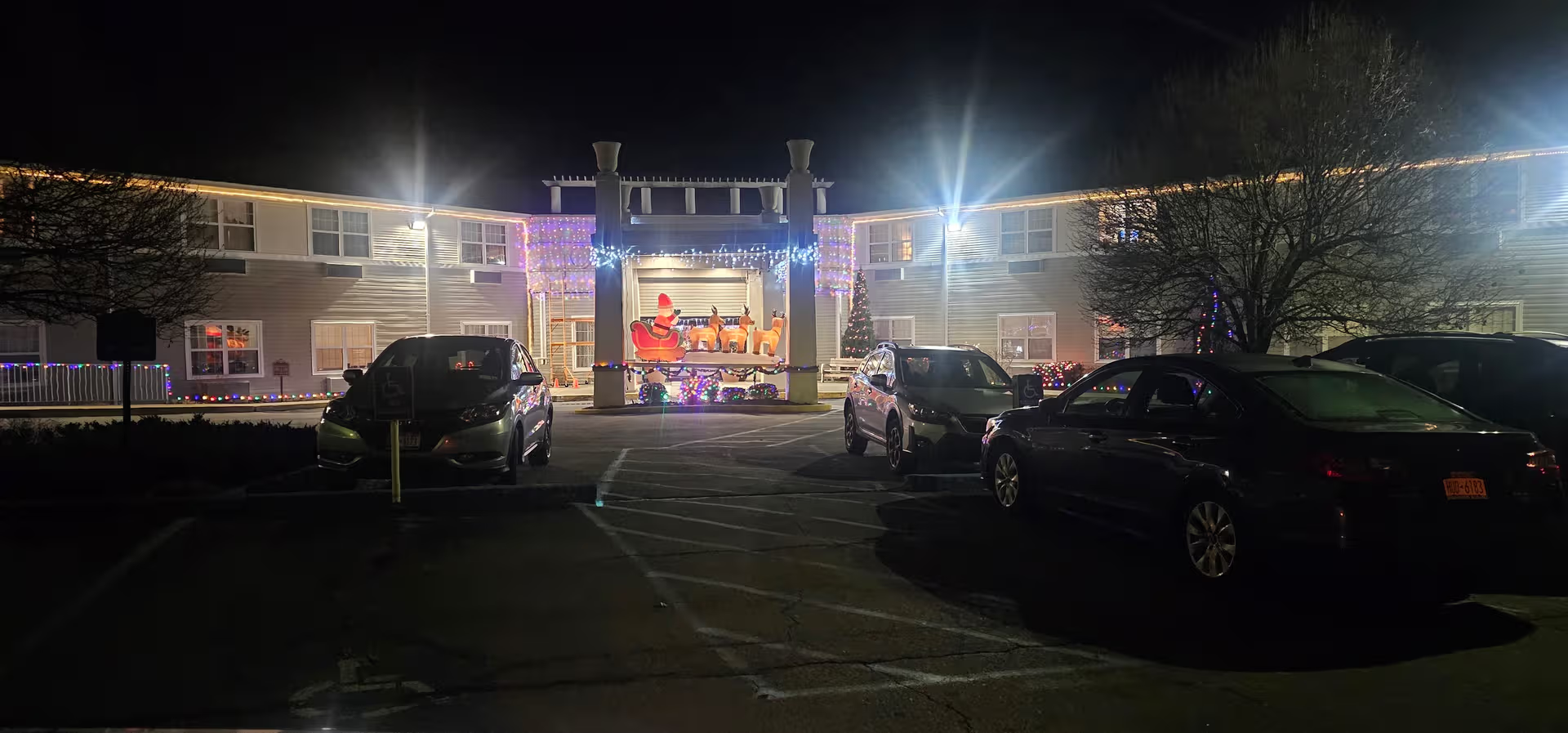
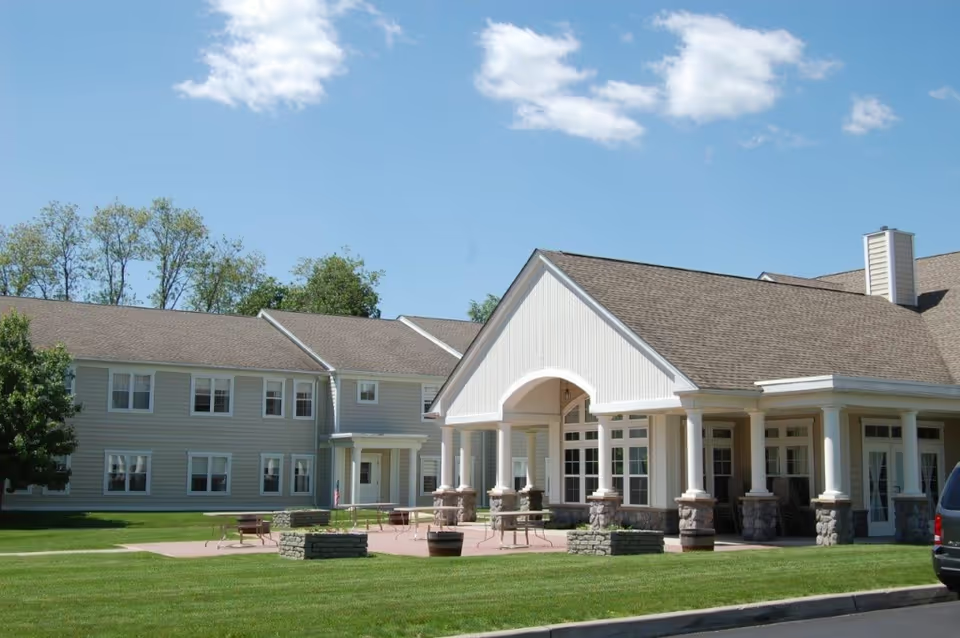
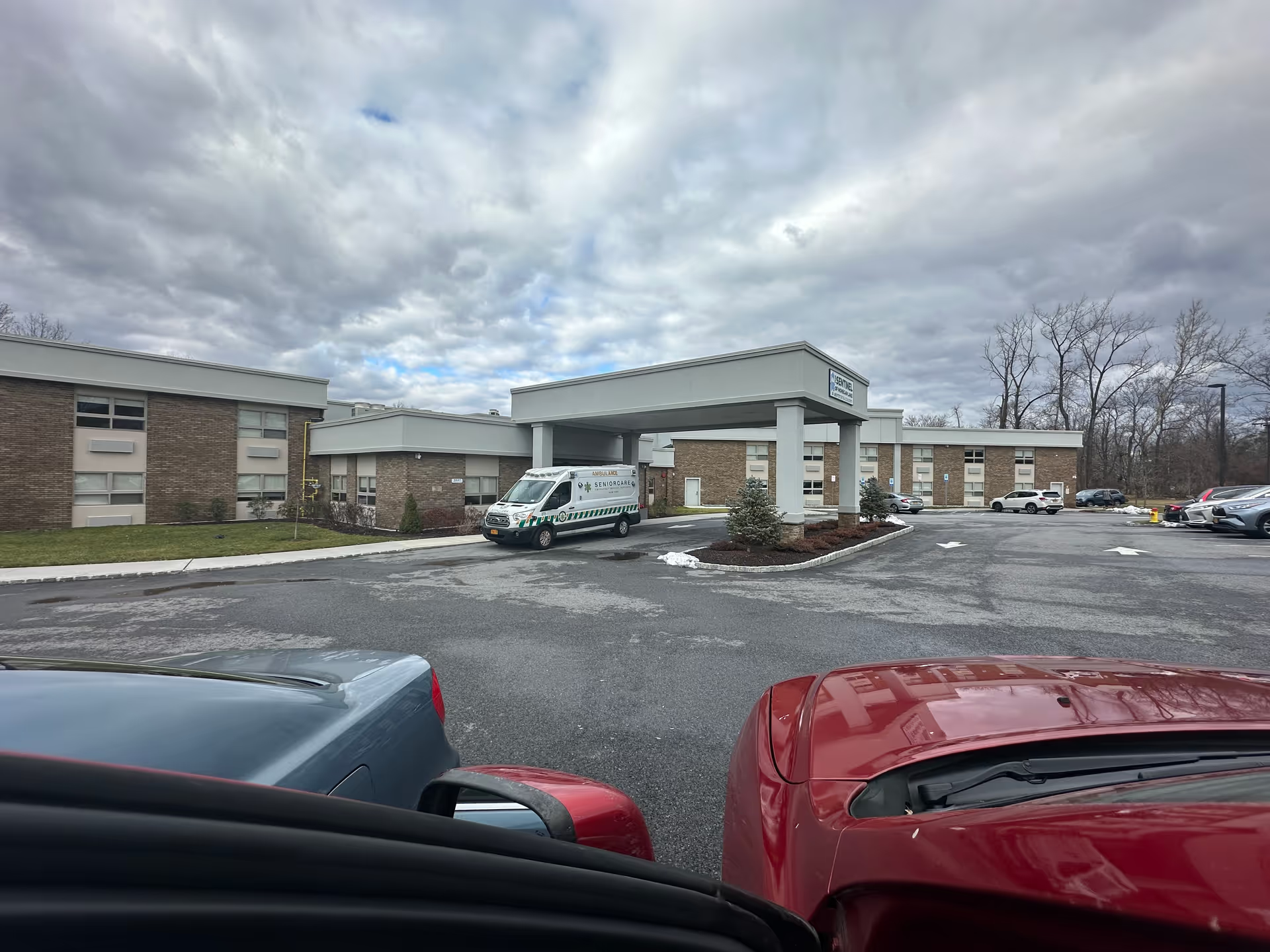
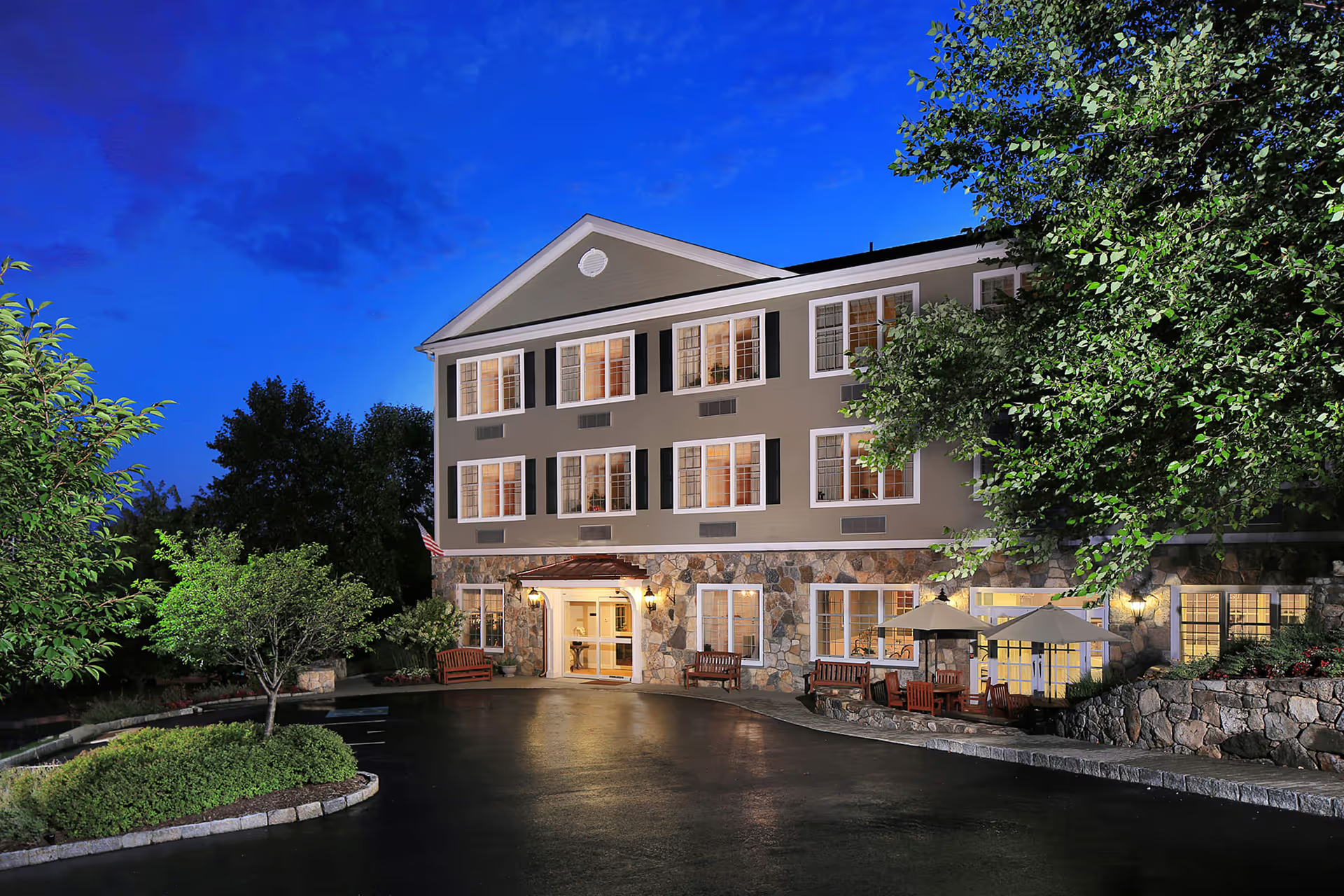
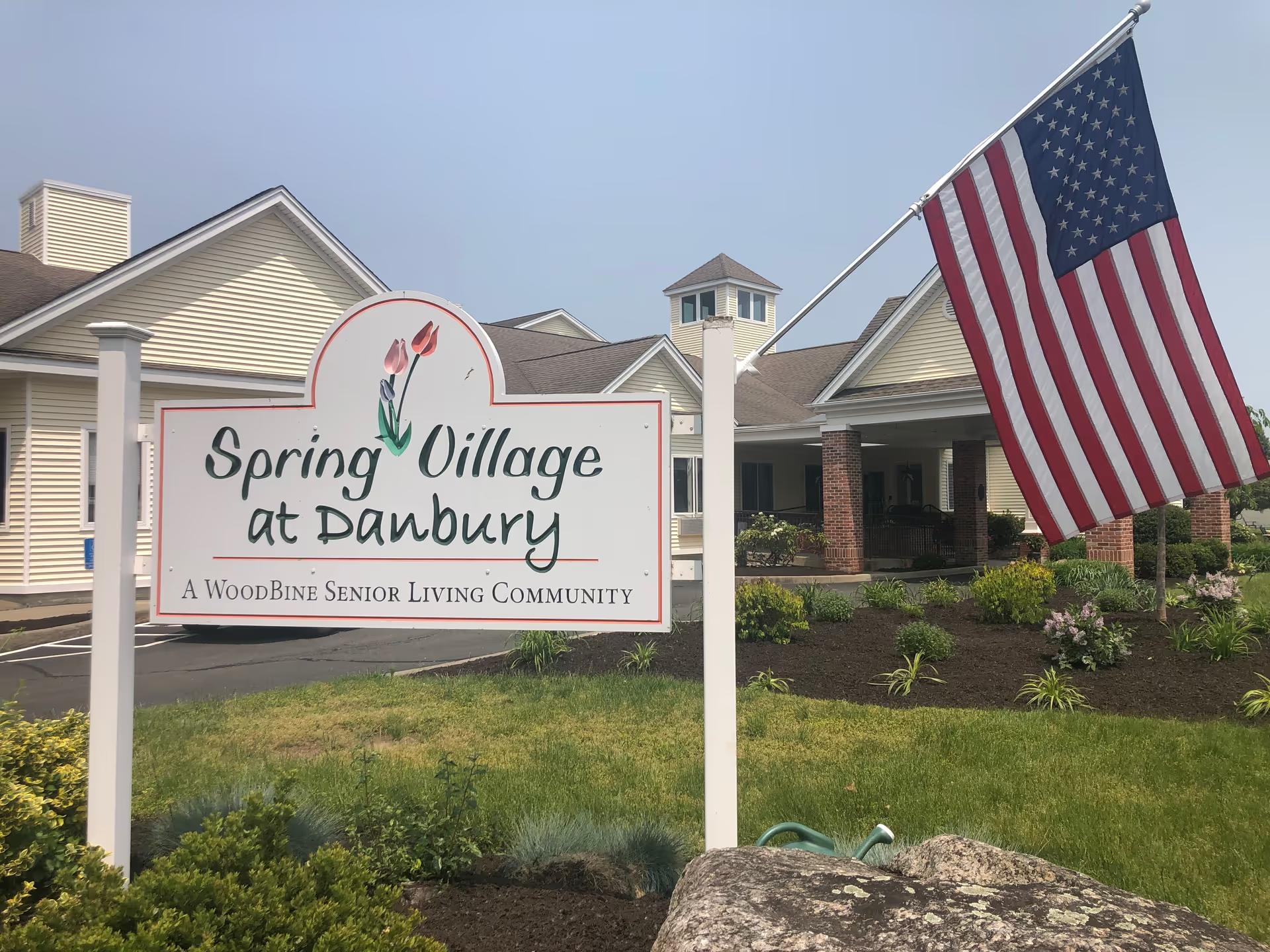
Salem Hills Rehabilitation and Healthcare elicits a mixture of consistently praised strengths and recurring operational concerns. Families and proxies frequently highlight the compassion and attentiveness of the nursing, therapy, and caregiving teams, and several clinicians and staff members are named positively for their bedside manner and rehabilitation skills. The facility runs an active activities program and many reviewers note a warm, family-like environment, pleasant grounds, and a hotel-like appearance in parts of the campus that contribute to resident well-being and social engagement.
Care and staffing present a nuanced picture. On the positive side, rehabilitation outcomes and therapy staff—including specific rehab clinicians mentioned by name—are described as effective and encouraging. Social work and admissions staff are commonly described as responsive and helpful, and many families report clear communication and peace of mind. At the same time, there are repeated service-pattern concerns: delays in responding to call bells or requests, instances of inconsistent assistance with activities of daily living (including feeding assistance), and variability in staff training and availability. These line-oriented issues suggest episodic understaffing or scheduling strain rather than uniformly poor caregiver behavior.
Dining and activities are often cited as strengths, with multiple mentions of enjoyable meals, daily programming, and special events that engage residents. However, reviewers also describe variability in food quality and menu options, including desires for more heart-healthy choices and less heavy preparation styles. The activities calendar and entertainment offerings are generally well regarded and contribute to a positive day-to-day atmosphere.
Facility condition and infection control are mixed. Housekeeping and custodial teams receive frequent praise for cleanliness, and many areas are described as well maintained. Conversely, odor concerns on specific floors, complaints about ventilation or air quality, and references to infection and contagious illness outbreaks point to inconsistent environmental controls and infection-prevention practices. Room size and décor are uneven across the campus; some areas are described as elegant and hotel-like while others are characterized as dated and compact.
Safety and management practices are an important pattern to note. Reviews include concerns about medication-administration errors, clinical monitoring lapses, falls, and bed-safety protocol gaps. There are also mentions of distressing billing communications timed insensitively around difficult family events. Taken together, these items indicate areas where clinical oversight, staff training, and communication protocols could be strengthened to improve reliability and family confidence.
In summary, Salem Hills offers clear strengths in compassionate caregiving, effective rehabilitation services, engaging programming, and generally well-maintained grounds. Prospective residents and families should weigh these positives against documented operational weaknesses: intermittent staffing and responsiveness issues, variable infection-control and ventilation performance, inconsistent meal quality, and some clinical-safety process gaps. Visitors and decision-makers may find it helpful to tour multiple units, ask about staffing ratios and infection-control protocols, review recent quality and incident data, and discuss individualized care plans and communication expectations before making a placement decision.