Reviewers present a mixed portrait of Waterview Hills Rehabilitation and Nursing Center. Strengths consistently cited center on the caregiving and rehabilitation teams: many described nursing and aide staff as compassionate, personable, and responsive, and praised the facility’s physical and occupational therapy program for producing good short‑term rehabilitation outcomes. Several reviewers noted an upbeat, supportive therapy atmosphere and functional amenities that support recovery, including an onsite gym, therapy spaces, library, beauty parlor, and large common rooms.
At the same time, recurring operational concerns were described that affect day‑to‑day resident experience. Staffing levels and consistency emerged as a common issue; understaffing and variable shift coverage were linked to delays in routine personal care (for example, bathing and changing) and inconsistency in assistance. Cleanliness and sanitation lapses were reported in some resident areas and on certain floors, and reviewers raised odor concerns in communal spaces. These facility‑level sanitation and housekeeping issues were described as intermittent rather than uniform.
Dining and dietary management drew mixed commentary. Some praised the dining room and cafeteria setting, but many described inconsistent food quality, limited variety, and preparation problems. Reviewers also raised concerns about dietary controls and labeling for special diets. Infection‑control practices were another pattern of concern: accounts referenced quarantine events and hand‑hygiene or cross‑contamination risks that reviewers felt were not consistently managed.
Clinical oversight and management communication were additional areas of concern. Several reviewers described situations in which acute changes in a resident’s condition were not recognized or escalated promptly; a few families reported severe outcomes that followed delayed clinical attention. Reviewers also described gaps in management responsiveness when issues were raised, and instances of pre‑admission room descriptions or move‑in provisioning that did not match expectations (for example, room setup and supplies). These accounts point to broader weaknesses in training, supervision, and administrative follow‑through.
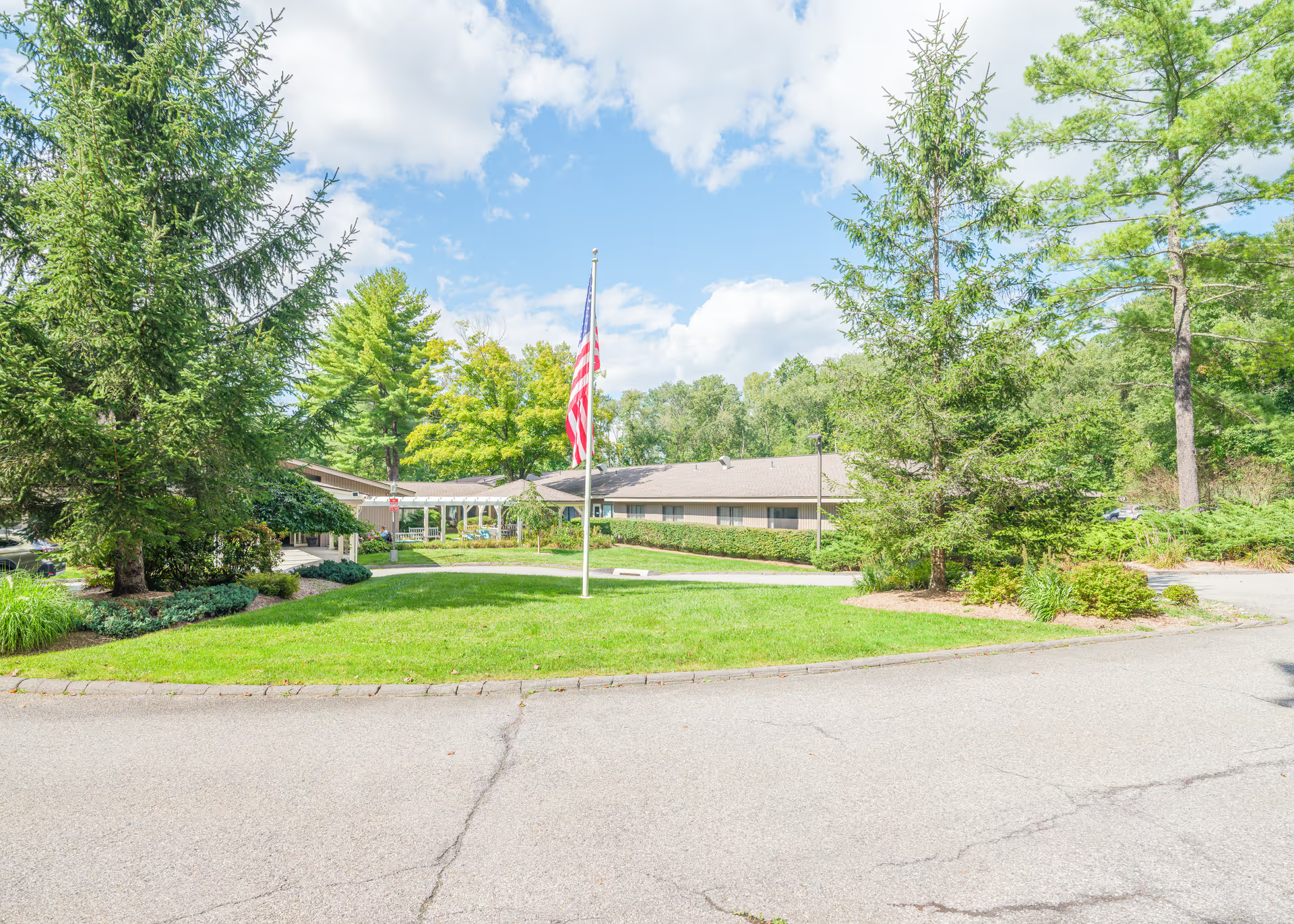
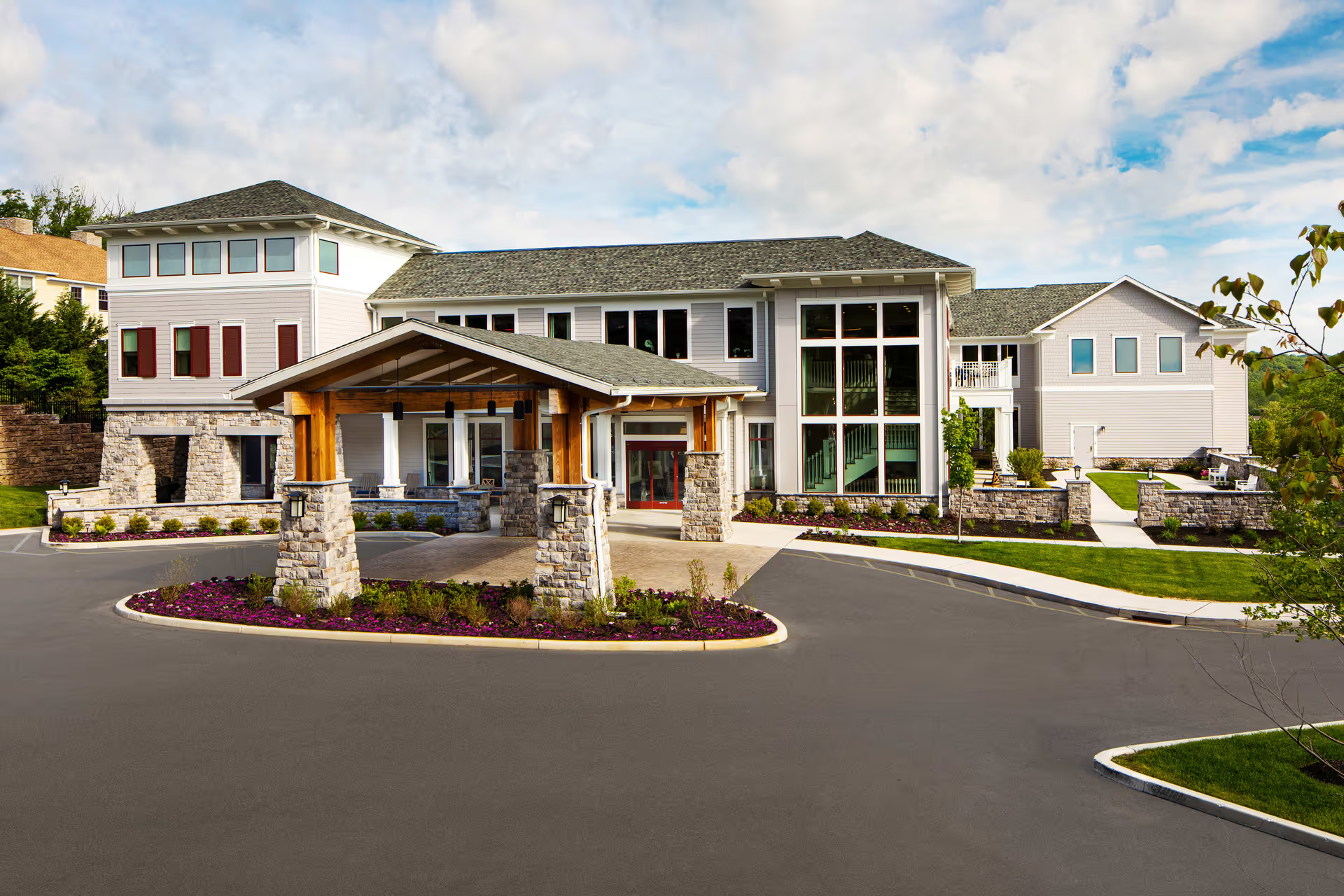
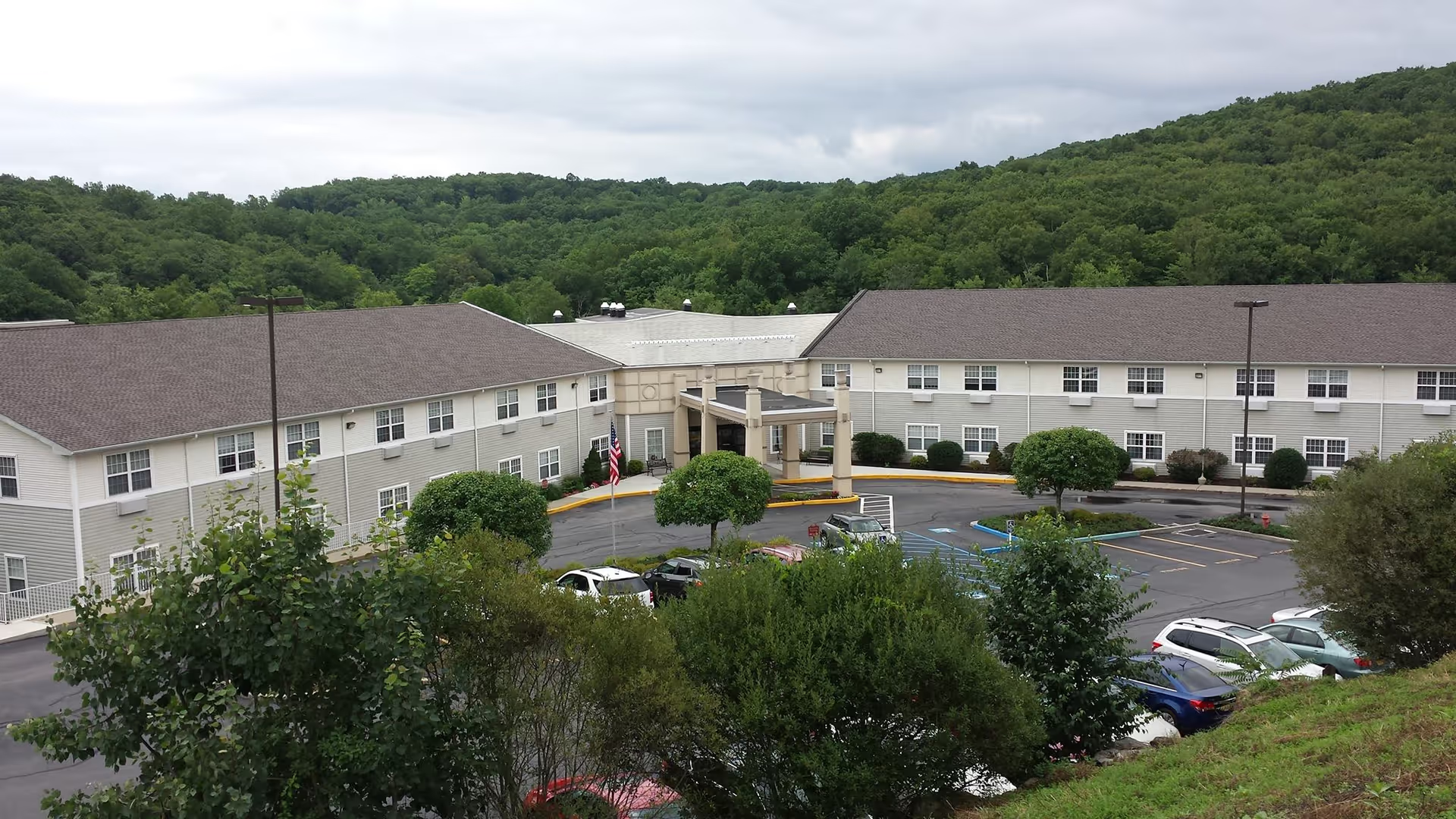
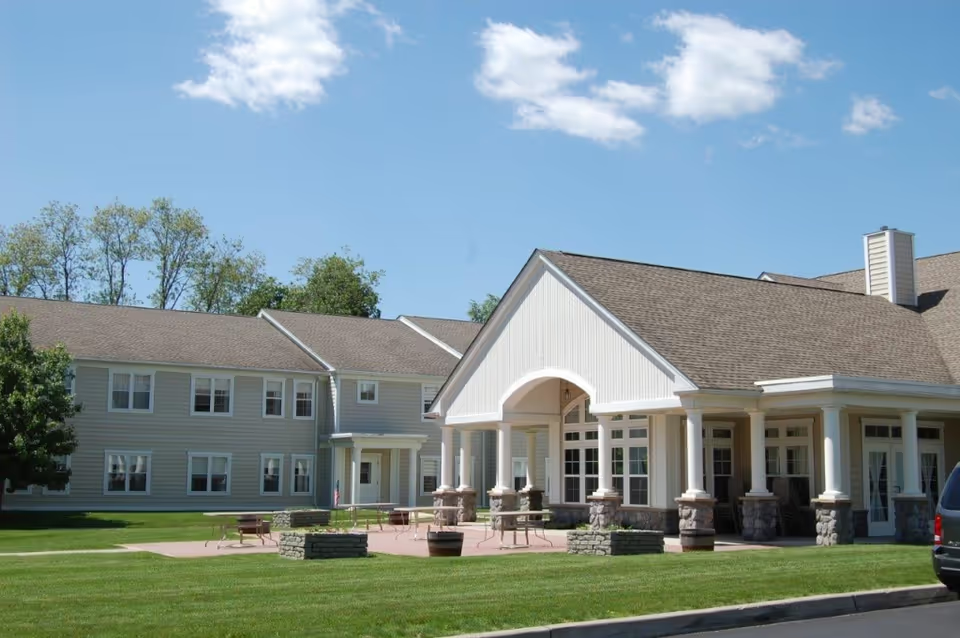
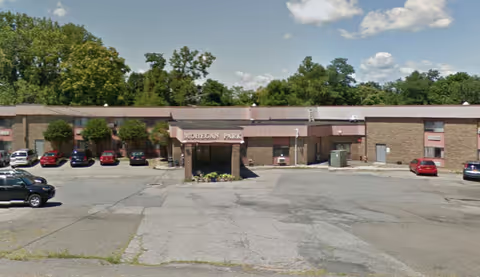
Facility condition and amenities are a mixed area: the interior design and common amenities drew positive comments, while the physical plant and some equipment were described as aging and in need of repair or updating. In summary, prospective residents and families are likely to find strong, compassionate caregiving and an effective rehabilitation program, but should weigh these strengths against recurring operational concerns — particularly staffing stability, consistent sanitation, dining reliability, infection control, and timely clinical escalation. An in‑person visit focused on staffing patterns, infection‑control protocols, dietary procedures, and room placement policies is advisable to assess current conditions and fit with individual needs.