Reviews describe a facility with a notable contrast between clinical rehabilitation strengths and broader operational challenges. Physical, occupational, and speech therapy services receive consistently positive remarks: families and clinicians observe measurable functional gains, organized follow-up from therapy staff, and an active rehab program. Several reviewers also single out individual nurses, therapists, and activities staff as compassionate, attentive, and helpful; visitation procedures and some front-desk interactions are described as organized and supportive. These elements are clear strengths for individuals primarily seeking skilled rehabilitation services.
Parallel to those positives are repeated concerns about day-to-day nursing care, staffing, and safety. Many reviewers describe periods of chronic understaffing and uneven shift coverage that correspond with delayed responses to call bells and care requests. Pattern-level issues include medication-administration and blood-glucose monitoring gaps, inconsistent availability of basic supplies and linens, and instances where clinical-incident response and emergency escalation procedures appeared inadequate. These operational weaknesses have been associated with adverse outcomes in individual cases and have prompted allegations that may warrant regulatory review.
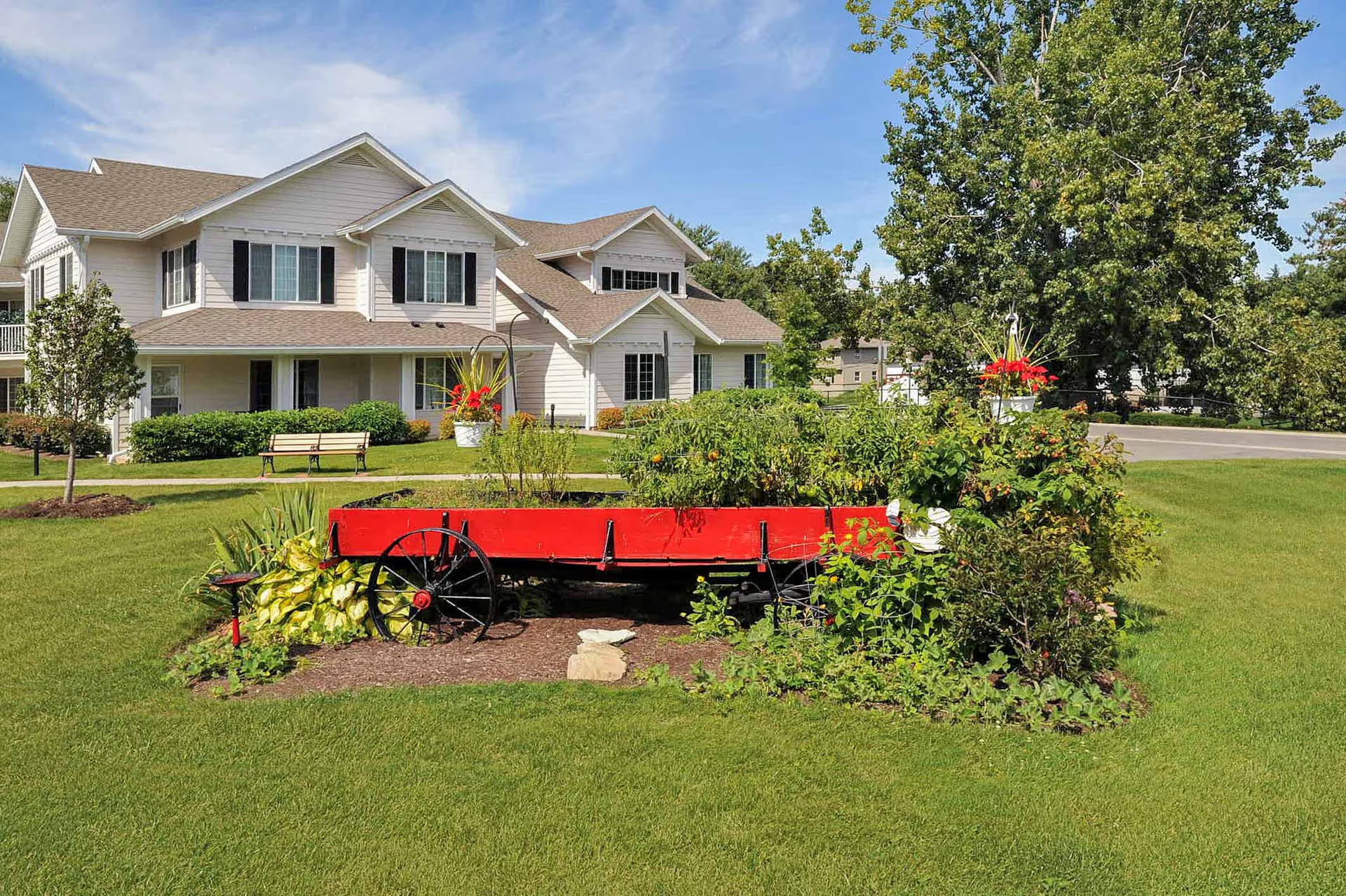
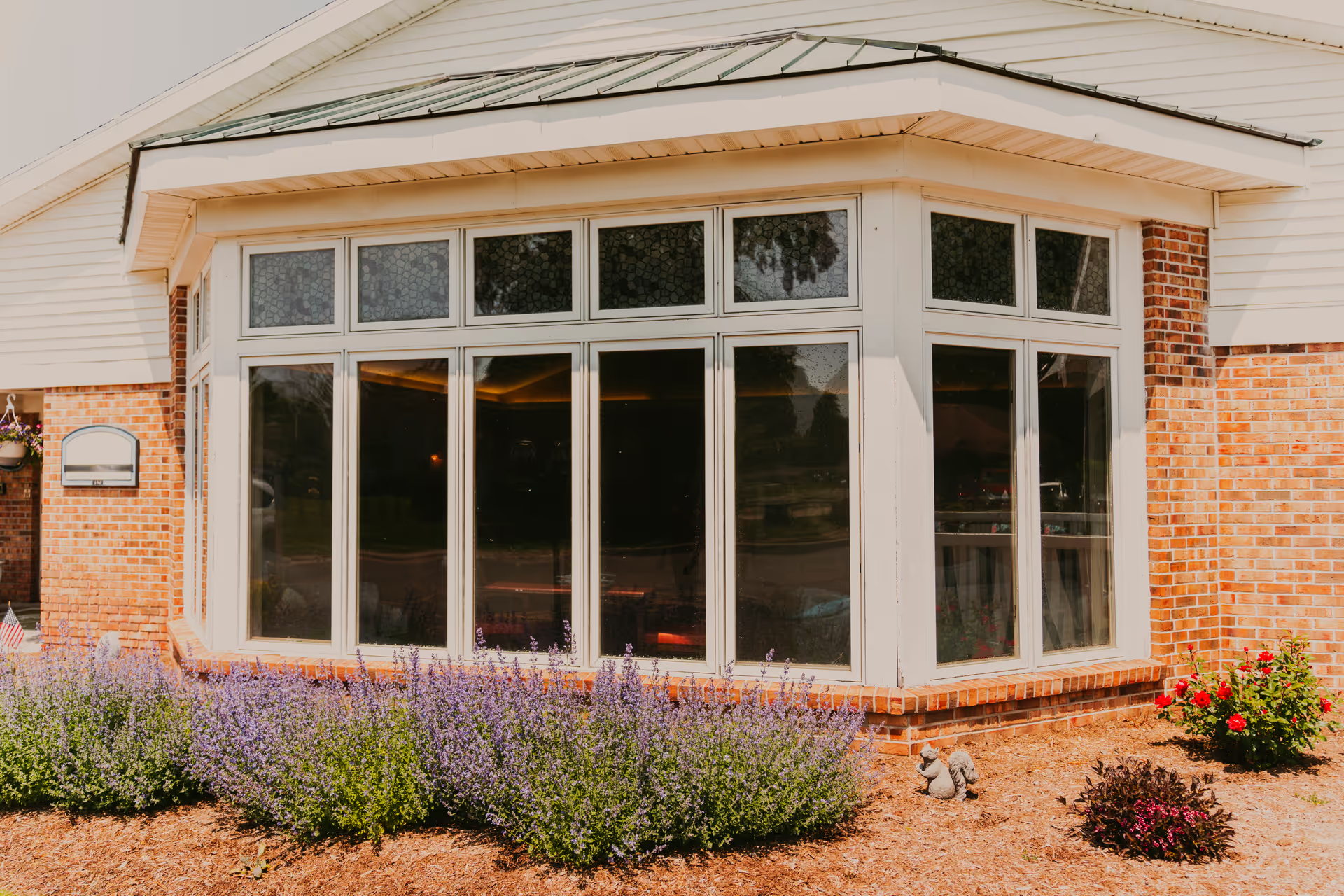
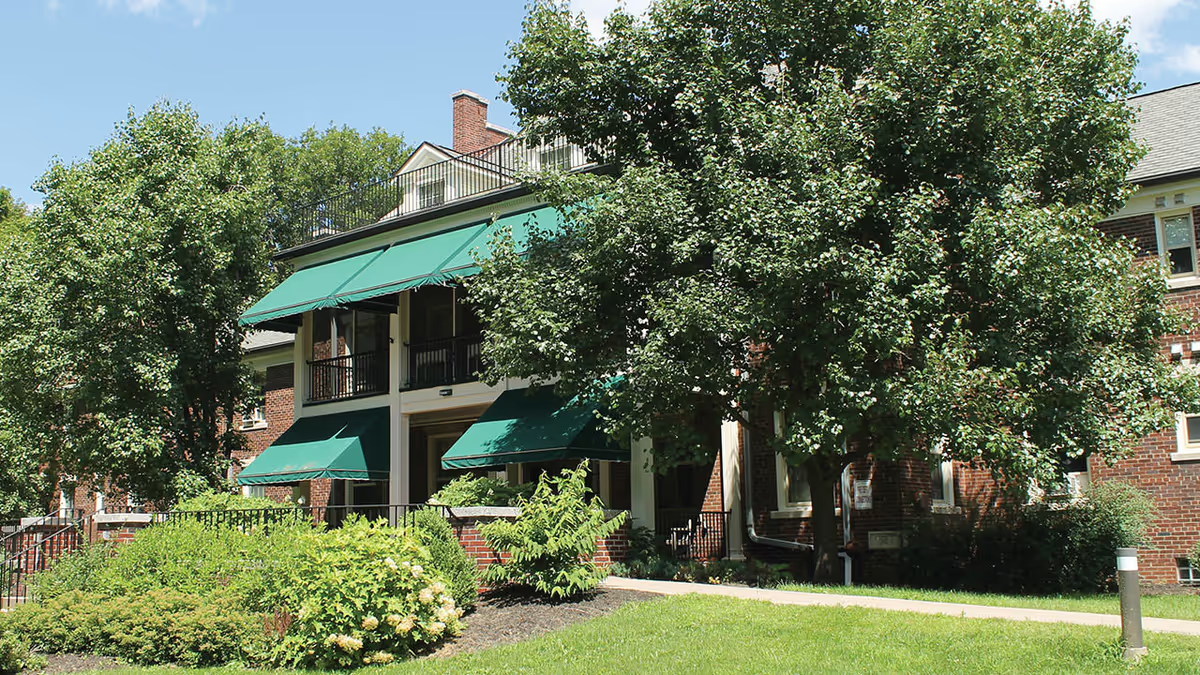
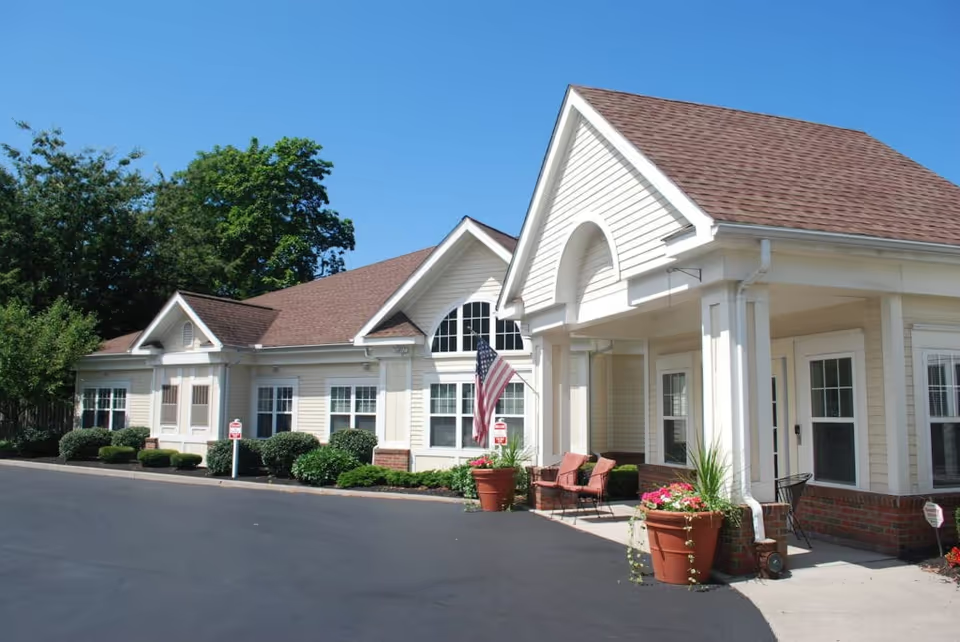
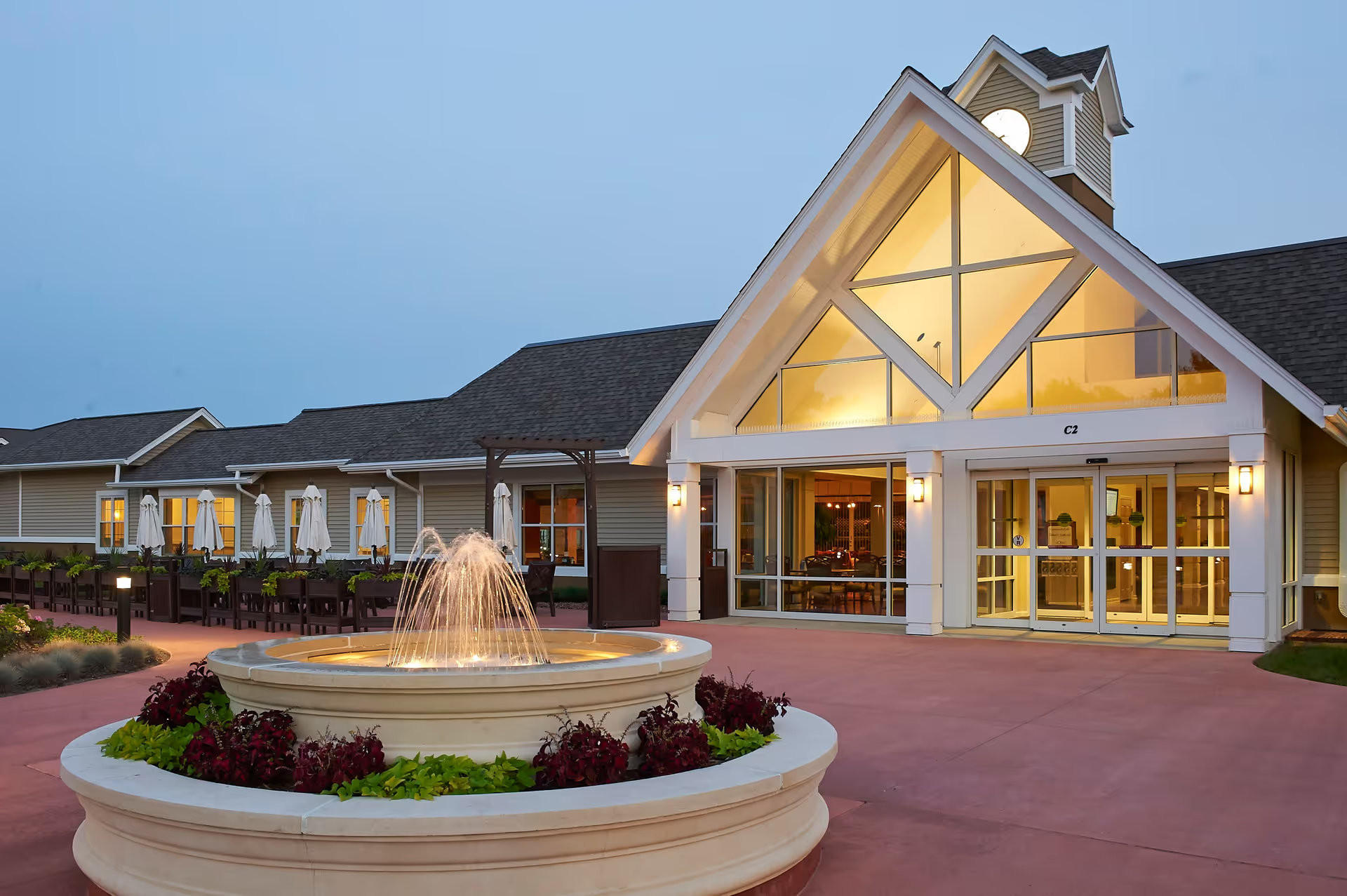
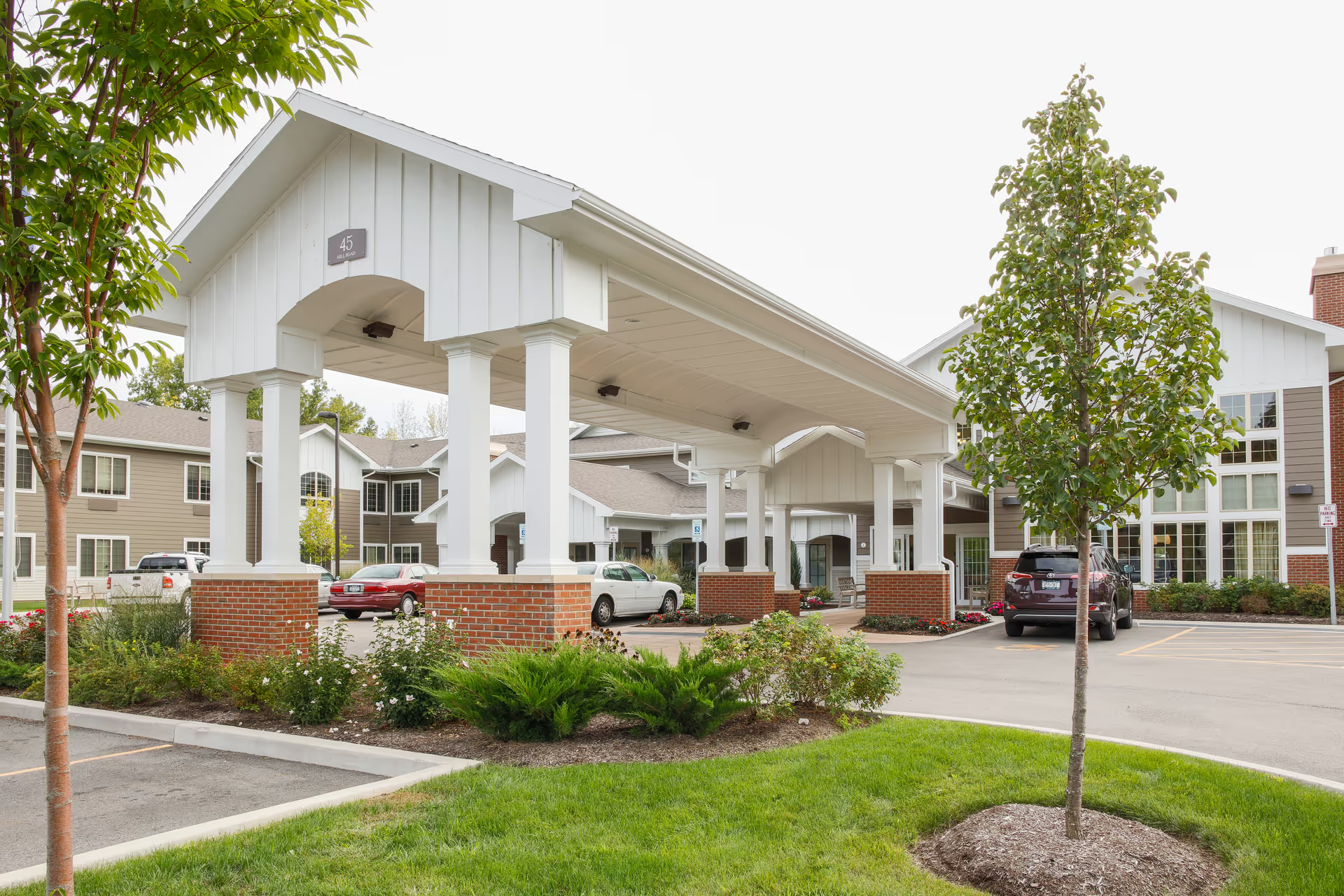
Facility condition and housekeeping are other prominent themes. Multiple accounts describe an aging, dimly lit building in need of maintenance, limited room privacy (shared rooms and shared bathrooms), and sanitation and pest-control concerns in resident rooms and common areas. Housekeeping and laundry practices are characterized as inconsistent, and there are reports of supply shortages. Dining receives mixed feedback: some families praised food and accommodation, while others described repetitive menus, poor diet adherence, and meals that did not meet individual clinical needs.
Staff behavior and management responsiveness appear variable. Several reviewers praise caring, long-tenured staff who prioritize dignity and resident engagement. Conversely, others report inattentive or distracted staff, concurrent staff breaks leaving coverage gaps, phone use during shifts, and social-work or managerial communication lapses—particularly around discharge planning, medication reconciliation, and family updates. These mixed accounts suggest inconsistency in supervisory oversight and training.
Taken together, the pattern is of a facility that provides strong, effective rehabilitation services led by committed therapy staff, but that struggles with systemic operational issues—staffing, medication and clinical-monitoring controls, sanitation, building maintenance, and consistent family communication. Prospective residents and families should weigh the facility’s rehabilitation strengths against the reported variability in nursing care and facility upkeep; an in-person tour, observation of staffing during different shifts, direct questions about medication-management protocols, infection-prevention practices, meal/diet monitoring, and emergency escalation procedures are recommended to assess current conditions and fit.