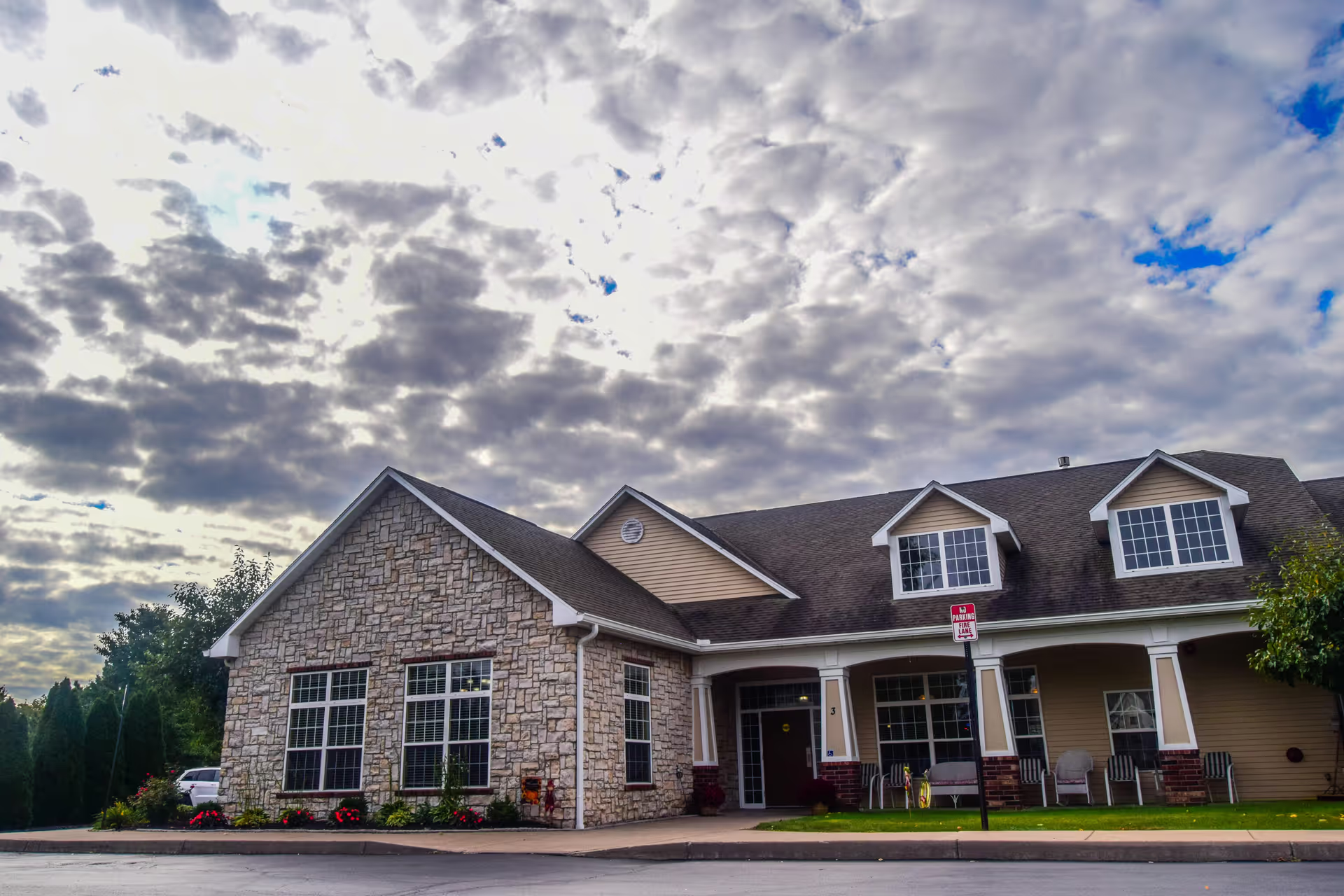
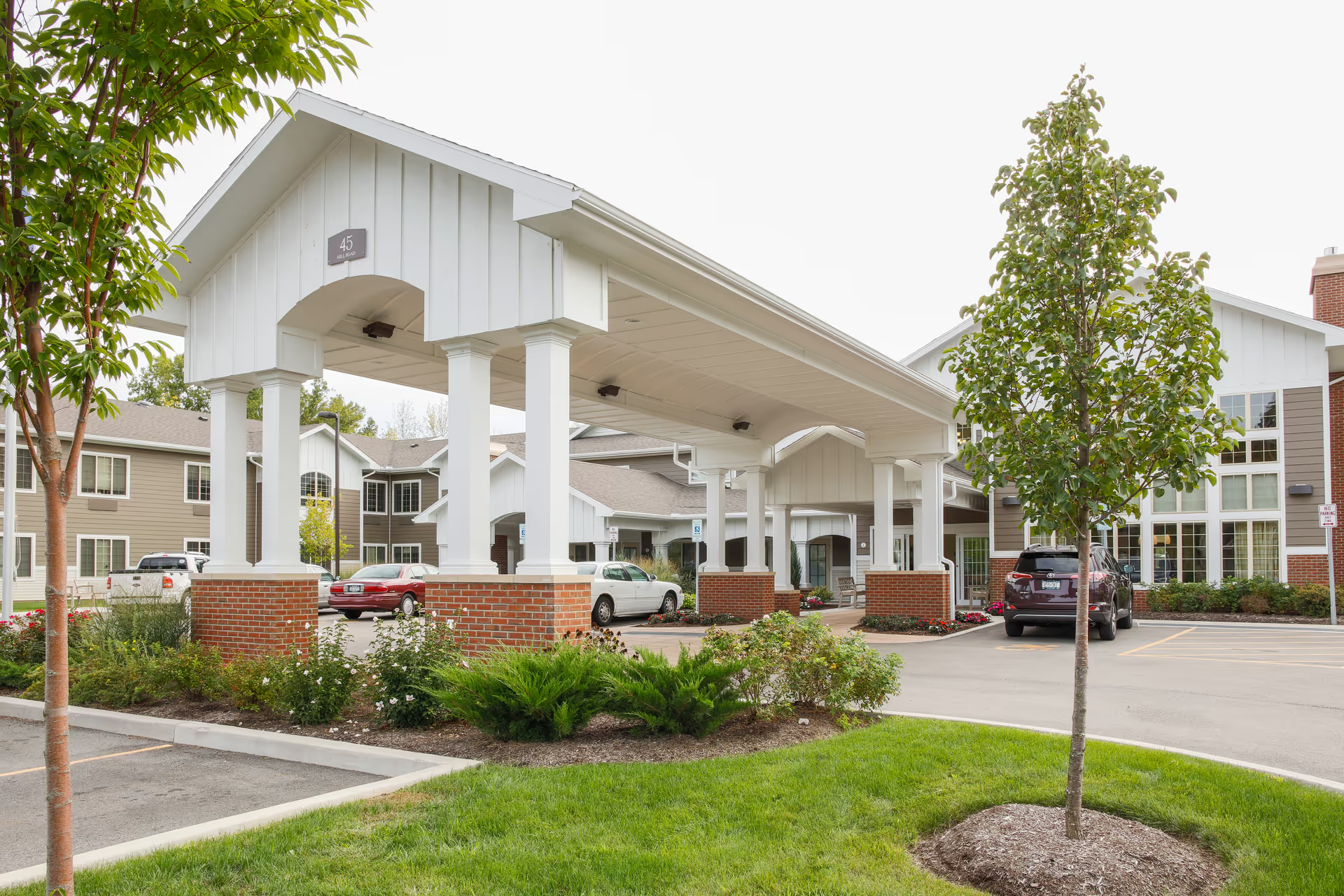
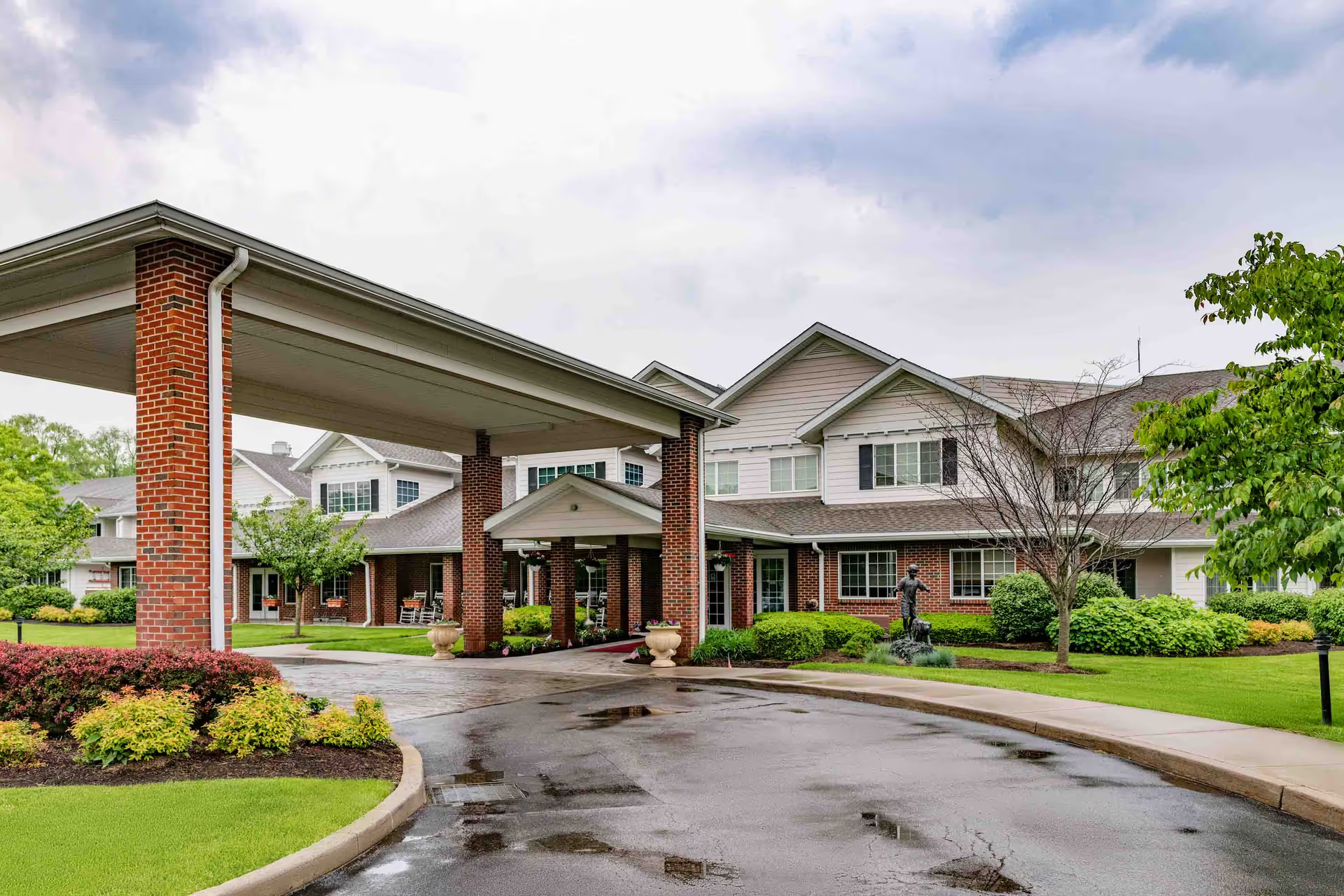
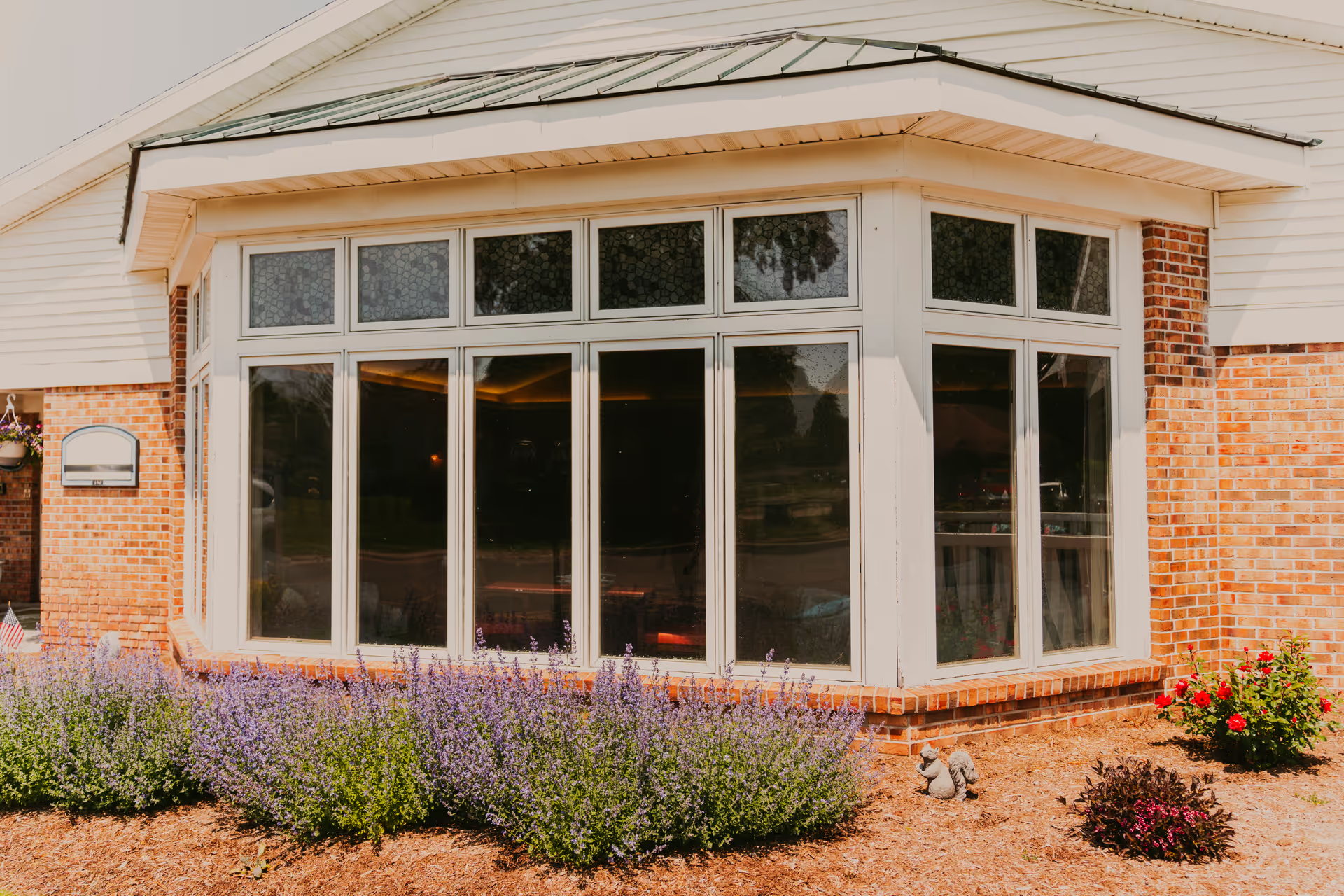
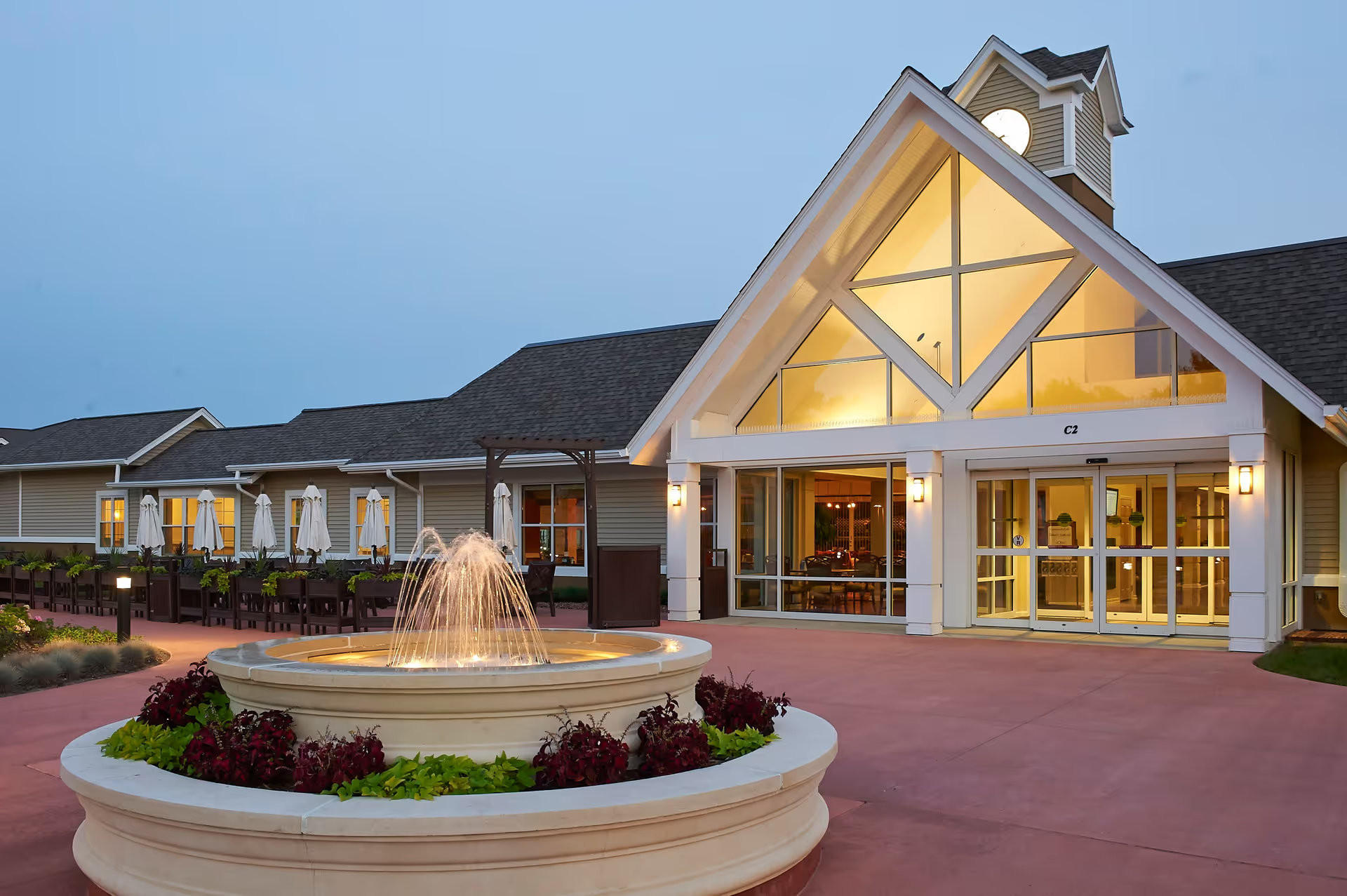
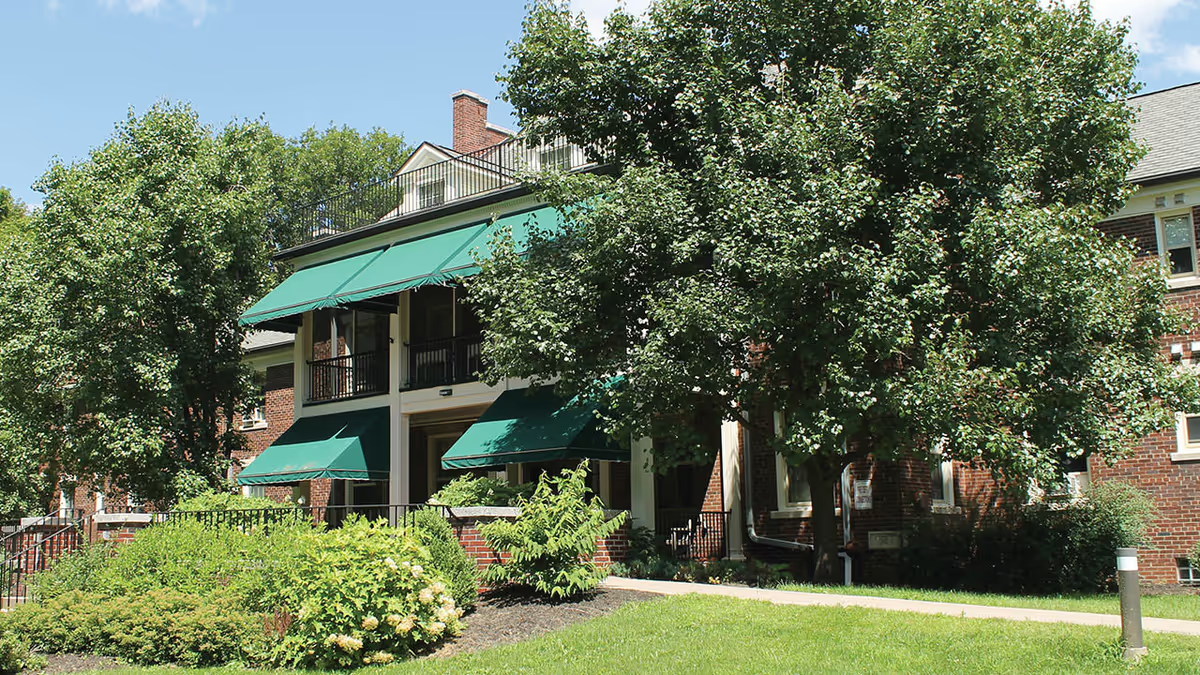
Overall impression: Crimson Ridge Gardens elicits a broadly positive response for hospitality, communal life, and memory-care programming while showing recurring operational weaknesses that prospective families should evaluate closely. Many reviewers praise the facility’s bright, modern appearance, well-maintained grounds, and variety of living spaces. The community’s Life Enrichment programming — including live music, outings, socials, and an active activities director — is a consistent strength and appears to contribute to visible resident engagement.
Care and clinical oversight: Families and visitors frequently describe caring, attentive caregivers and supportive nursing aides who assist with bathing, dressing, and daily needs. The community provides on-site medical checkups and has staff who act as hospital liaisons and care coordinators. However, reviews also identify important clinical and safety concerns: inconsistent medication administration practices (including insulin management), gaps in higher-acuity clinical capability, and occasional delays in responding to certain care needs. Prospective residents with complex medical requirements should clarify clinical staffing, medication protocols, and emergency-preparedness during a tour.
Staff and administration: Front-line staff are widely characterized as friendly, welcoming, and helpful; several families noted excellent rapport and supportive transition assistance. At the same time, there are repeated comments about staffing shortages, turnover, and uneven administrative responsiveness. Some families described difficulties reaching management, unresolved email or refund issues, and perceived coldness from administrative personnel. These patterns suggest variability between caregiving staff on the floor and administrative responsiveness at higher levels.
Dining and housekeeping: Positive comments reference timely laundry service and generally clean, inviting common areas and apartments. Dining and meal experience drew mixed feedback: many reviewers praised portion sizes, accommodating service, and occasional high-quality meals, while others described limited menu options, cold or uninspiring meal presentation, and variability in daily food quality. Housekeeping appears strong overall, but there are intermittent sanitation and odor concerns in peripheral areas that families should observe during a visit.
Activities, environment, and community life: The facility’s programmatic offerings are a clear asset — a full social calendar, monthly outings, live performances, and an engaged activities director are frequently highlighted. The bright, airy design, town-square/diner concept in parts of the building, and accessible indoor/outdoor spaces support socialization. Memory-care programming is described as individualized and respectful in many accounts, and several families specifically recommend the community for memory support.
Notable patterns and due diligence items: While many families expressed high satisfaction and recommended Crimson Ridge Gardens, a minority of reviews raise serious individual claims (including an alleged unauthorized search and eviction-related concerns) and describe incidents that prompted hospital transfers or family distress. These appear to be isolated but significant to those involved; prospective families should inquire about grievance processes, resident-rights protections, property-management procedures, incident reporting, and staffing ratios. Clarify medication administration policies (who administers meds, RN oversight), emergency response certification, and procedures for handling personal property and privacy during your tour.
Bottom line: Crimson Ridge Gardens presents as a warm, activity-rich community with strong memory-care programming and many compassionate caregivers. The main caveats are operational: variability in clinical oversight, staffing consistency, dining quality, administrative responsiveness, and some sanitation or property-management issues. Visitors should tour in person, meet clinical leadership, review staffing and medication protocols, and ask for documented policies on incident resolution and resident rights to determine fit for specific care needs.