Overall impression: Elderwood Village at Greece presents as a small, community-oriented senior residence with many reviewers praising the empathy and attentiveness of direct-care staff. Families frequently described staff who make residents feel at home, provide personal updates, and support transitions through admission and move-in. The setting includes organized social activities, religious services, a beauty salon, and onsite rehabilitation/therapy, which contribute positively to residents’ daily routines and social engagement.
Care quality and clinical oversight: Accounts of clinical care are mixed. Several families described effective nursing coordination, improvements in resident health, and helpful medication-management when clinical staff were engaged. However, there are significant concerns about consistency of clinical oversight and medication processes overall — examples cited include limited RN presence at times, medication-administration inconsistencies, and cases implying gaps in wound and incontinence-related care. These indicate variability in the reliability of clinical services and suggest prospective families should verify current staffing models, RN coverage, and wound/incontinence-care protocols before admission.
Staffing and management patterns: Staff are widely described as caring and personable, but reviewers also raised operational concerns: periods of understaffing, high turnover, and uneven responsiveness once residents move in. Communication challenges (difficulty reaching staff by phone, slower follow-up after admission) and mentions of HR instability were recurring themes. These operational patterns can affect day-to-day responsiveness and continuity of care; families should ask about staffing ratios, retention initiatives, and escalation/contact procedures when evaluating the community.
Dining and activities: Dining is often a strength — many reviewers praised restaurant-style service, a chef, and meals that smell and taste good; the community offers small-group dining and waitstaff service. That said, meal quality and menu variety appeared inconsistent across accounts, with some residents finding offerings repetitive (notably desserts). Activities programming is broad (crafts, bingo, Bridge, exercise, outings, daily Mass), and social opportunities are plentiful, though participation levels can vary in a smaller community. Prospective residents who value robust activity schedules should review weekly calendars and attendance expectations.
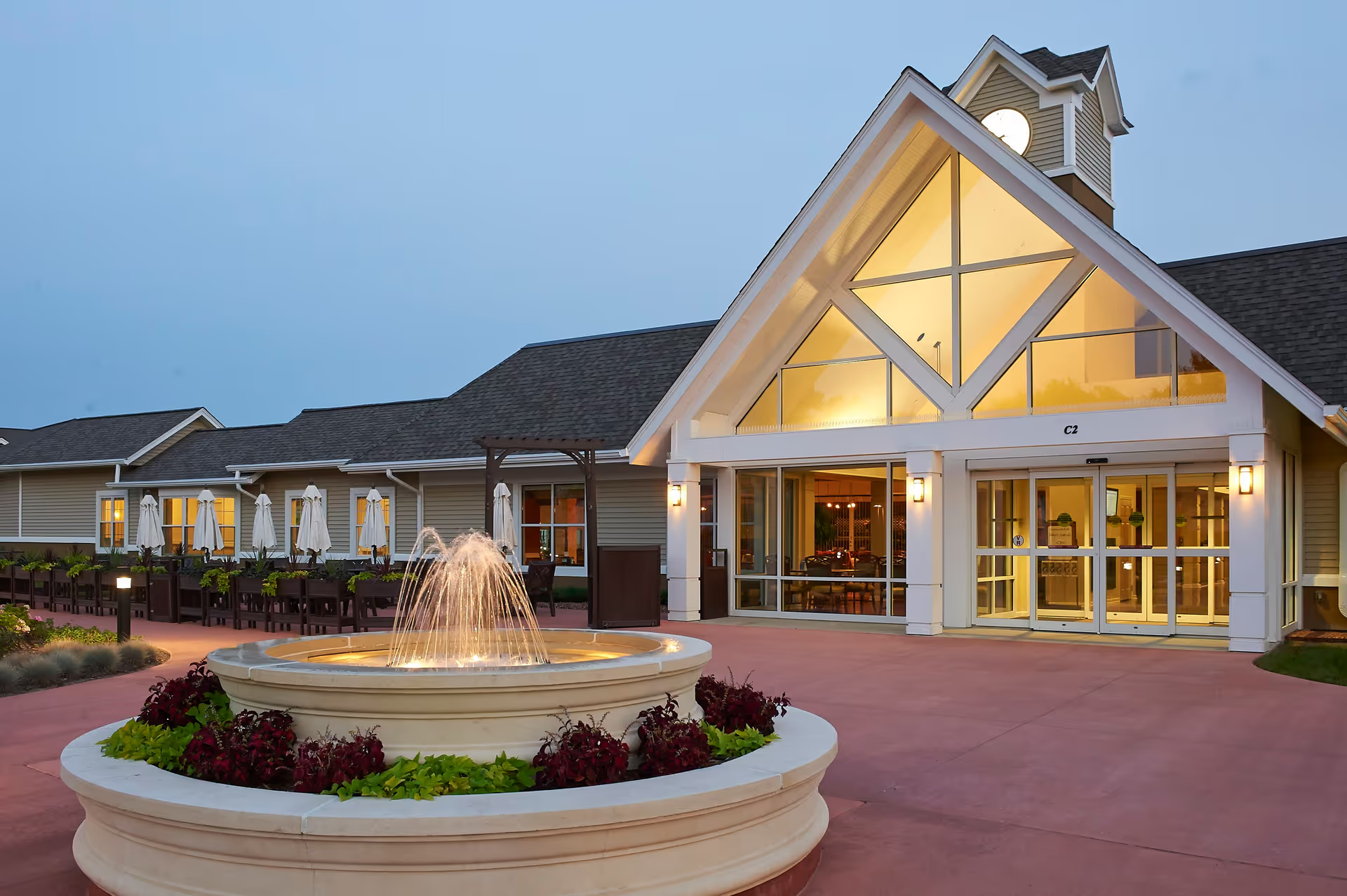
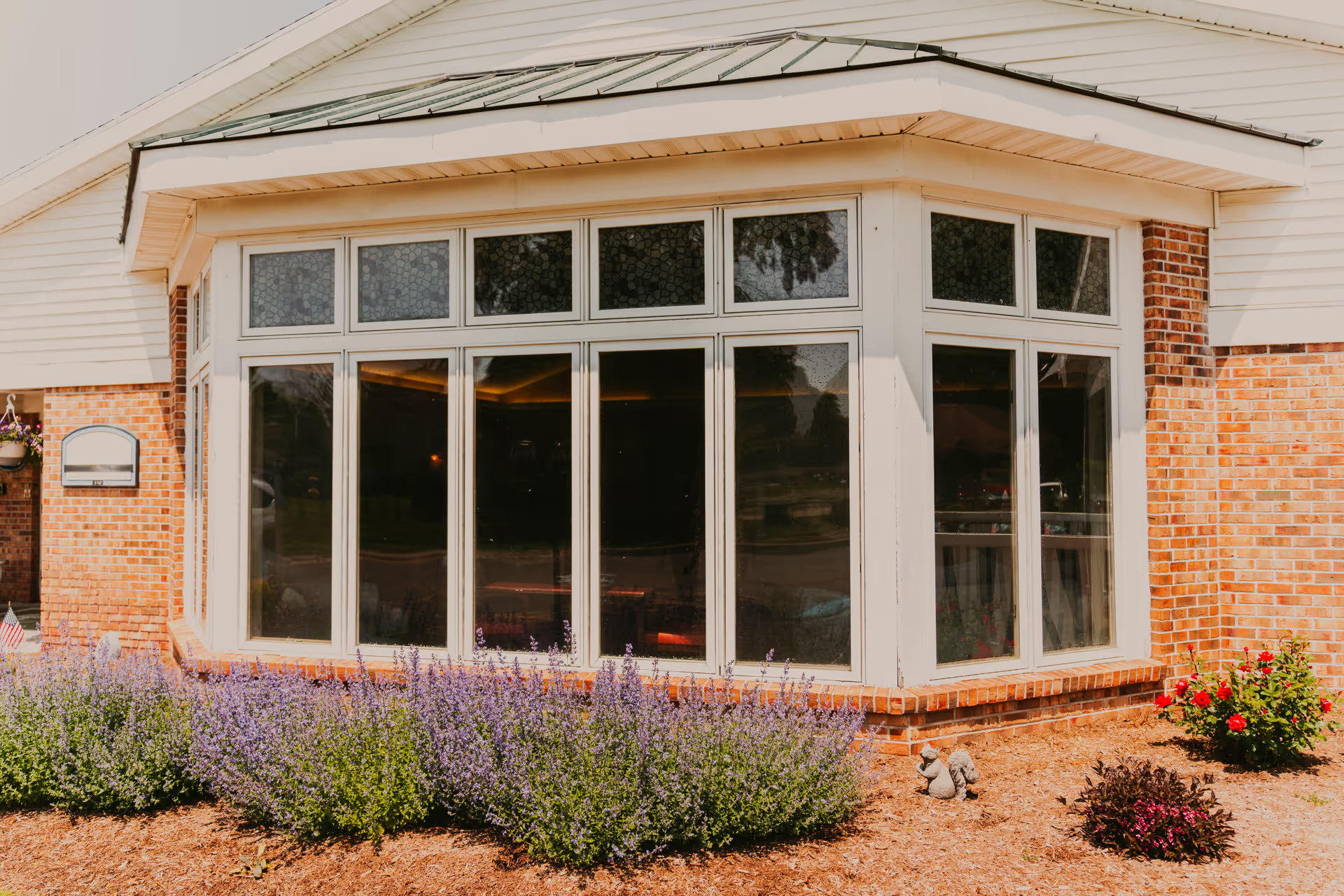
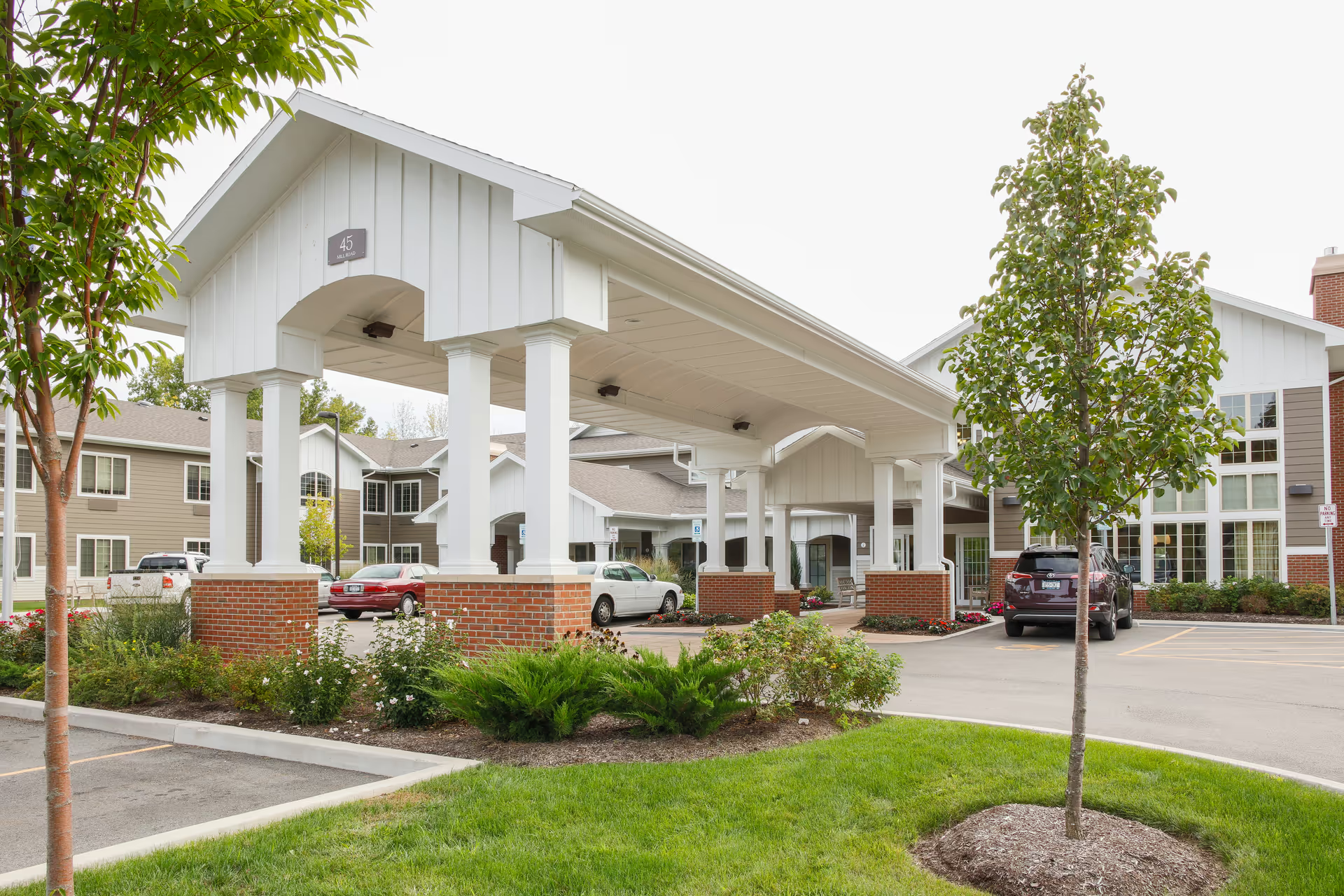
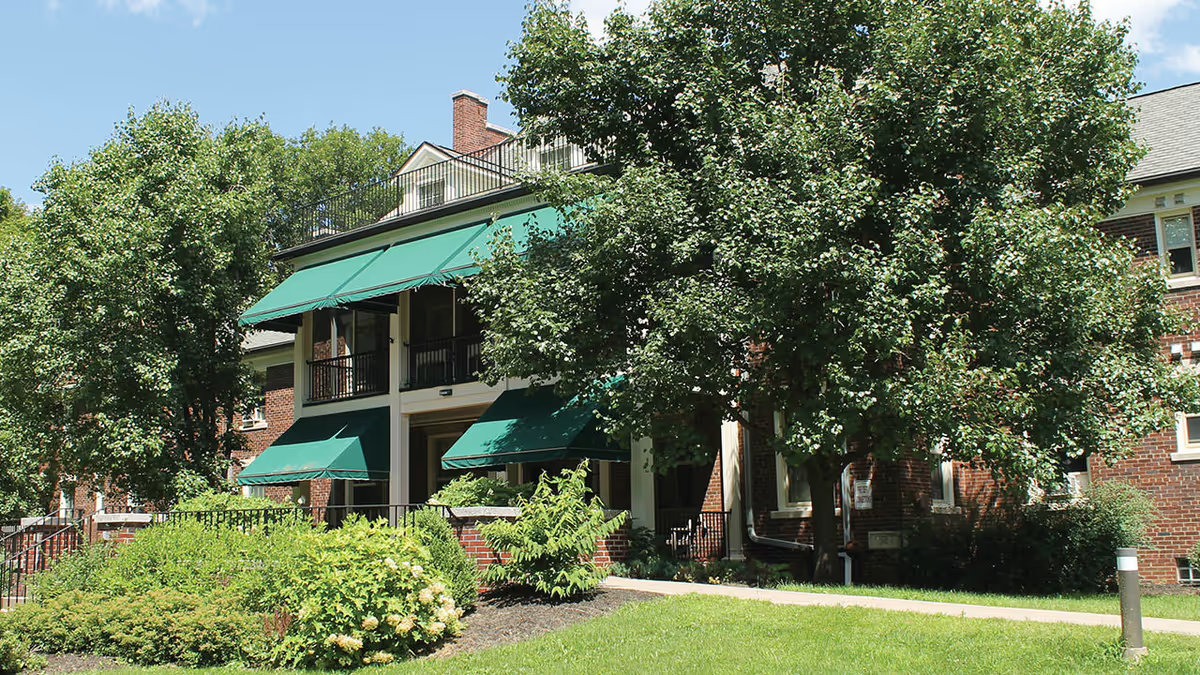
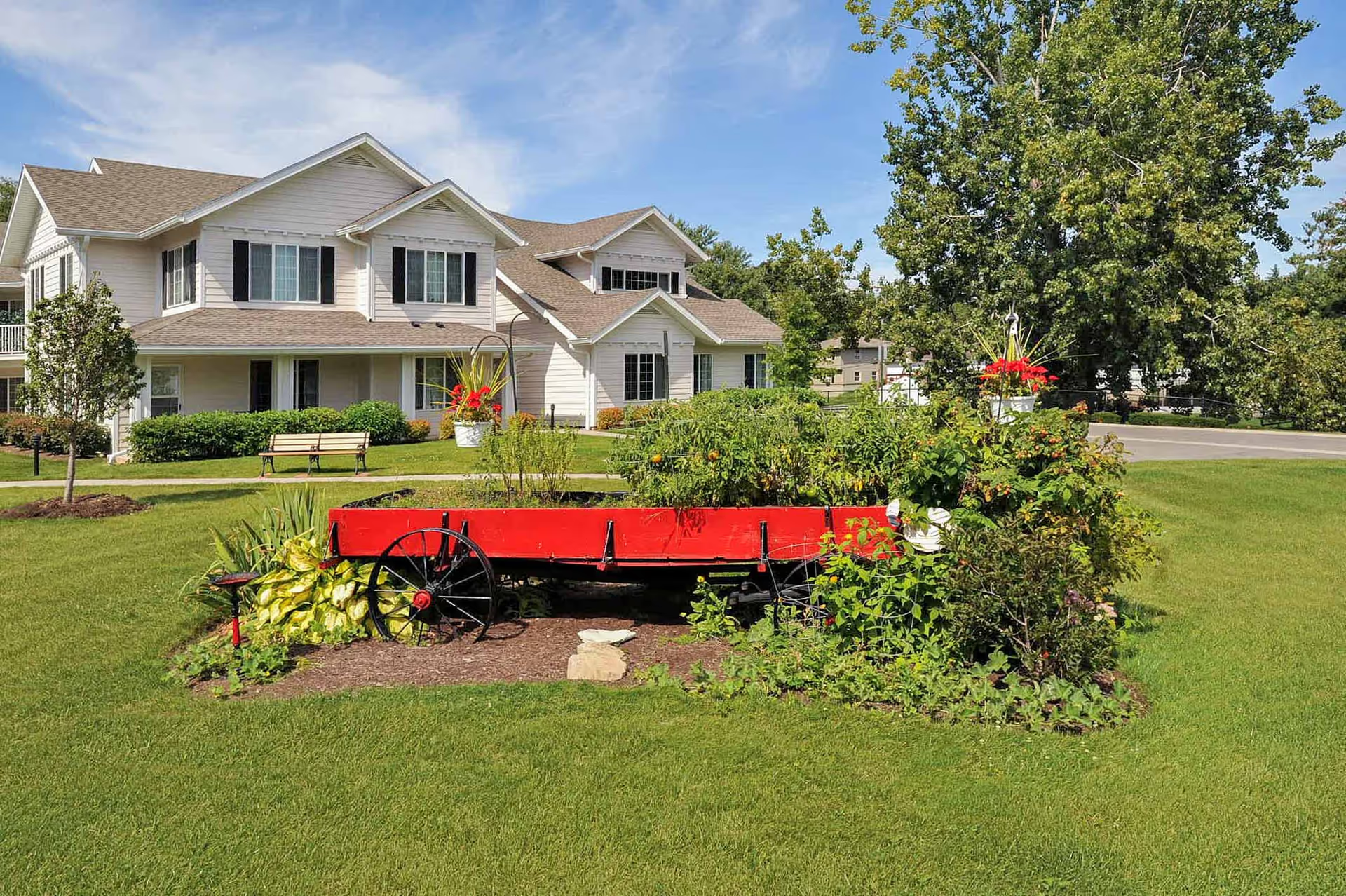
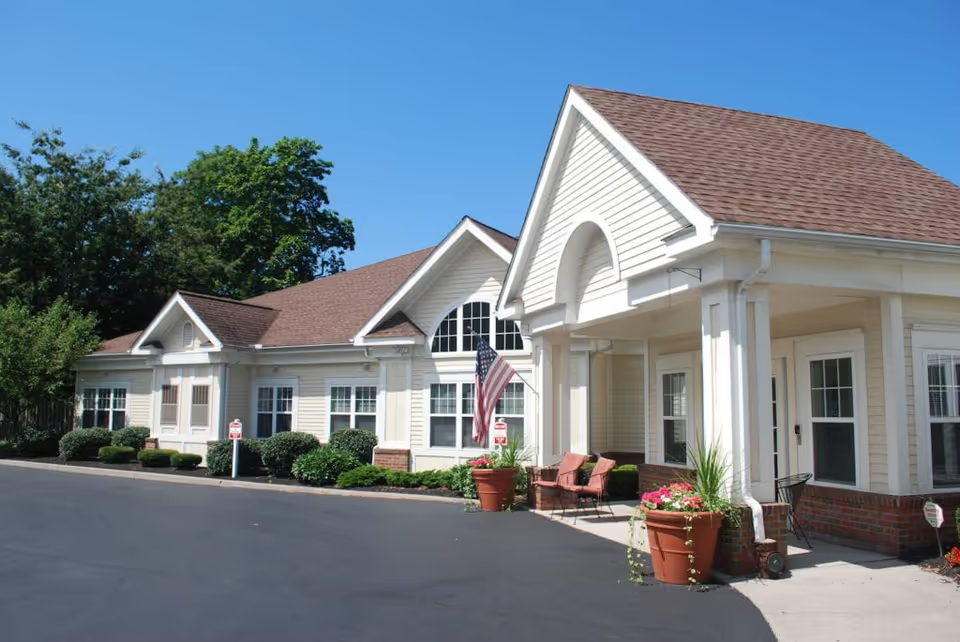
Facilities and environment: The physical plant is mixed. Portions of the community have been renovated with bright, clean rooms and improved dining areas, while other areas show wear (carpeting, upholstery, older fixtures) and limited living space. Many units are compact with constrained storage, and some common spaces were described as darker or in need of updating. Accessibility issues were noted around parking and outdoor seating. If room size, storage, and newer finishes are priorities, confirm unit dimensions and renovation plans during a tour.
Fees, transparency, and consumer considerations: Several reviewers raised concerns about billing practices — upfront fees, add-on service charges, and non-prorated policies were mentioned. Prospective residents should request a full fee schedule, clarify what is included versus optional, and confirm refund/charge policies for short-term stays or transitions. In addition, because accounts vary significantly, visiting the community more than once, observing peak staffing times, and asking for recent inspection or staffing reports will help form a clearer picture.
Bottom line: Elderwood Village at Greece offers many of the features families seek — attentive and compassionate frontline staff, an active activities program, on-site therapy services, and restaurant-style dining — but experiences are heterogeneous. Key decision points for prospective residents and families are current clinical staffing (RN coverage and medication protocols), unit size and storage, transparency around fees, and recent progress on renovations and sanitation practices. Asking targeted questions on these topics and arranging a daytime visit to observe staffing and programming will help determine whether the community matches a given resident’s needs.