Overall impression: Reviewers convey a positive experience with Episcopal SeniorLife - Beatrice Place, emphasizing a strong social environment, helpful staff, and a well-kept living environment. The facility's scale and staffing model appear oriented toward creating close interpersonal relationships; language used across comments characterizes staff and management as personable and responsive, and many reviewers highlight a sense of being part of a family-like community.
Care and staff: Staff behavior and responsiveness are consistently presented as strengths. Management and front-office personnel receive particular praise for move-in assistance, helping arrange transportation and appointment logistics, and for being approachable. Reviewers describe staff as attentive and resident-focused, and several indicate that staff-resident relationships contribute to a safe, comfortable atmosphere. There are no recurring clinical-care concerns in the summaries provided; the emphasis is on social support and practical assistance rather than intensive medical care.
Dining and meals: Dining options include an on-site café, community lunches, potlucks, and social dinners, which support resident interaction and informal meal choices. At the same time, the menu is described as limited for some special diets — specifically, gluten-free variety is constrained by recurring gluten-containing items such as pasta. Some residents cope by preparing their own food or participating in community meals selectively. The facility does not appear to emphasize a large formal dining-room service model, which may be a fit for residents who prefer casual or flexible meal arrangements.
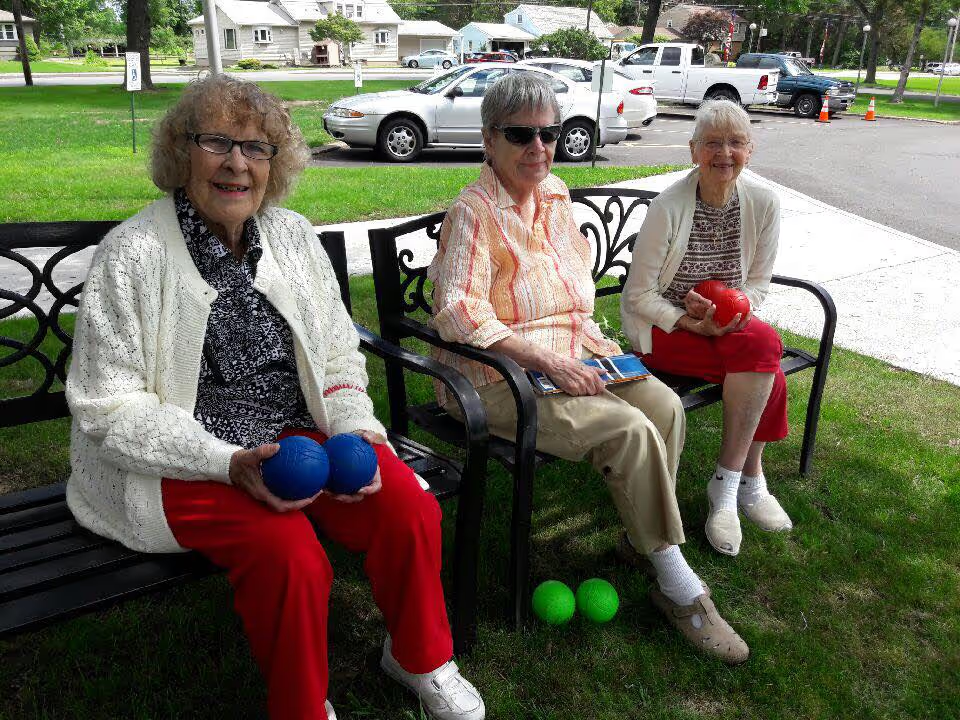
Activities and social life: A broad schedule of activities is a clear highlight: fitness classes (yoga, cardio drumming), arts and crafts (knitting), faith-based programming (rosary, chapel services), music, and community-organized events (potlucks, dinners). Multiple daily activities and resident-led groups are noted, and the existence of a suggestion box and resident-organized offerings indicate active engagement. This programming supports the repeated observation that the community is socially engaging and conducive to making new friends.
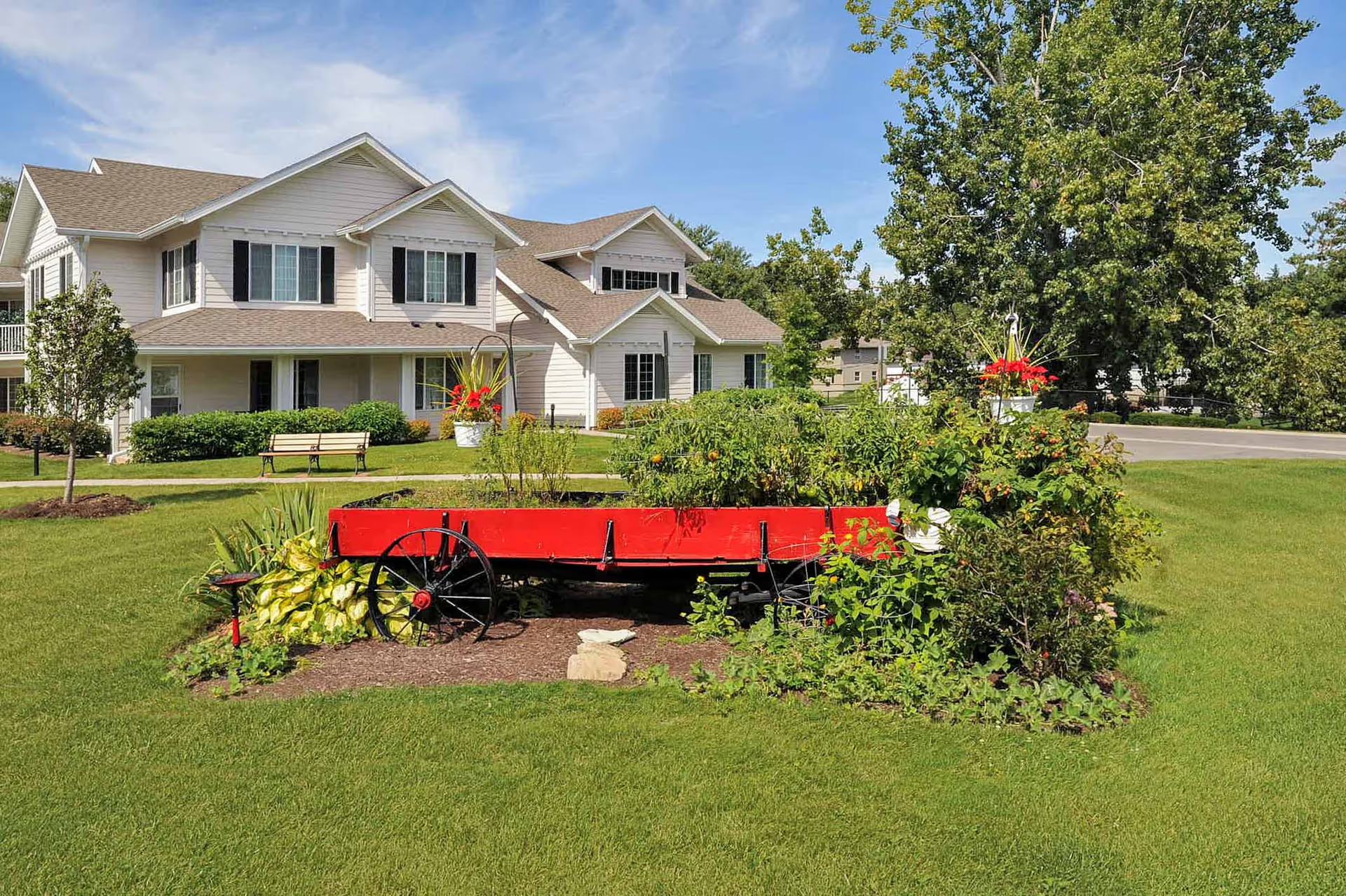
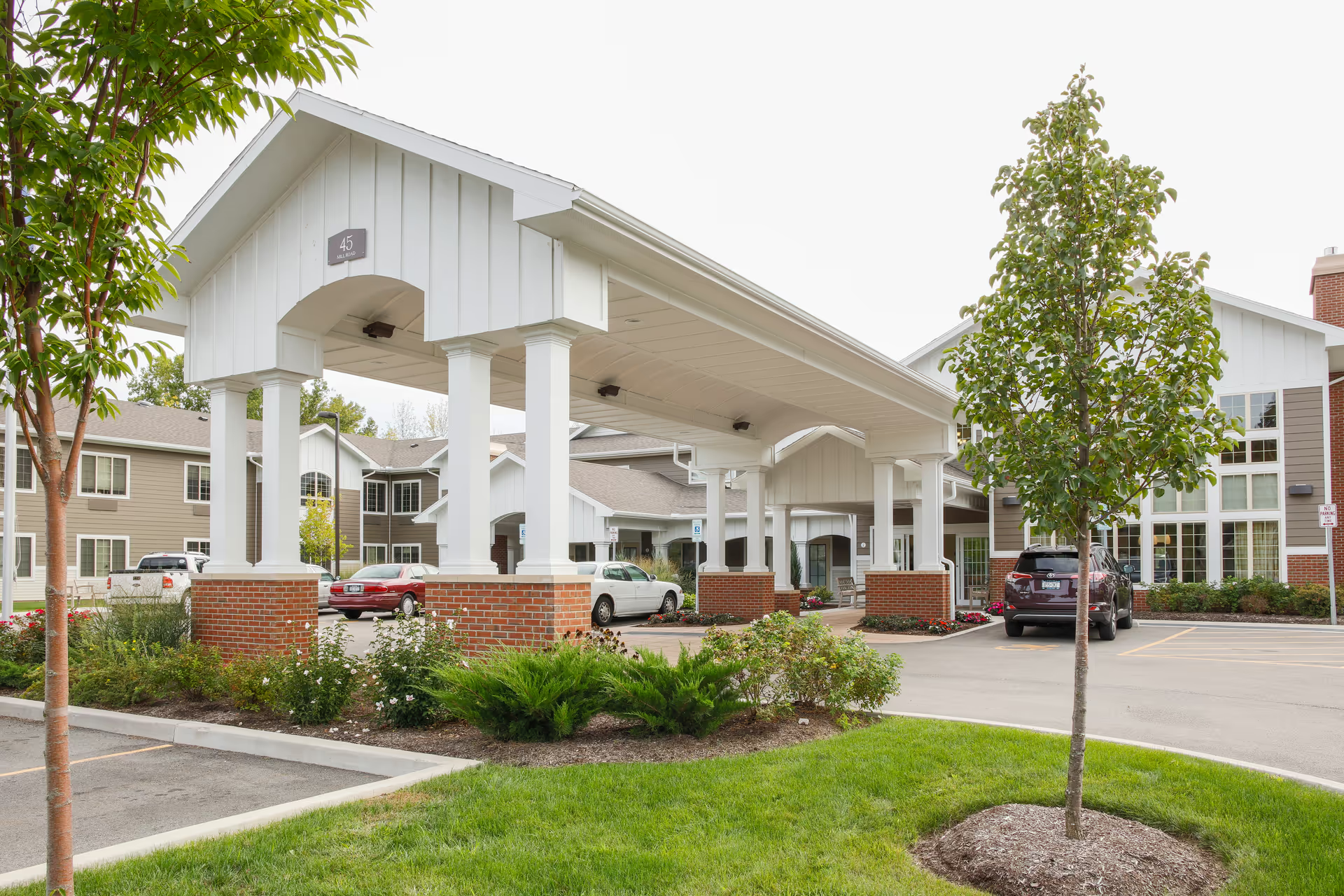
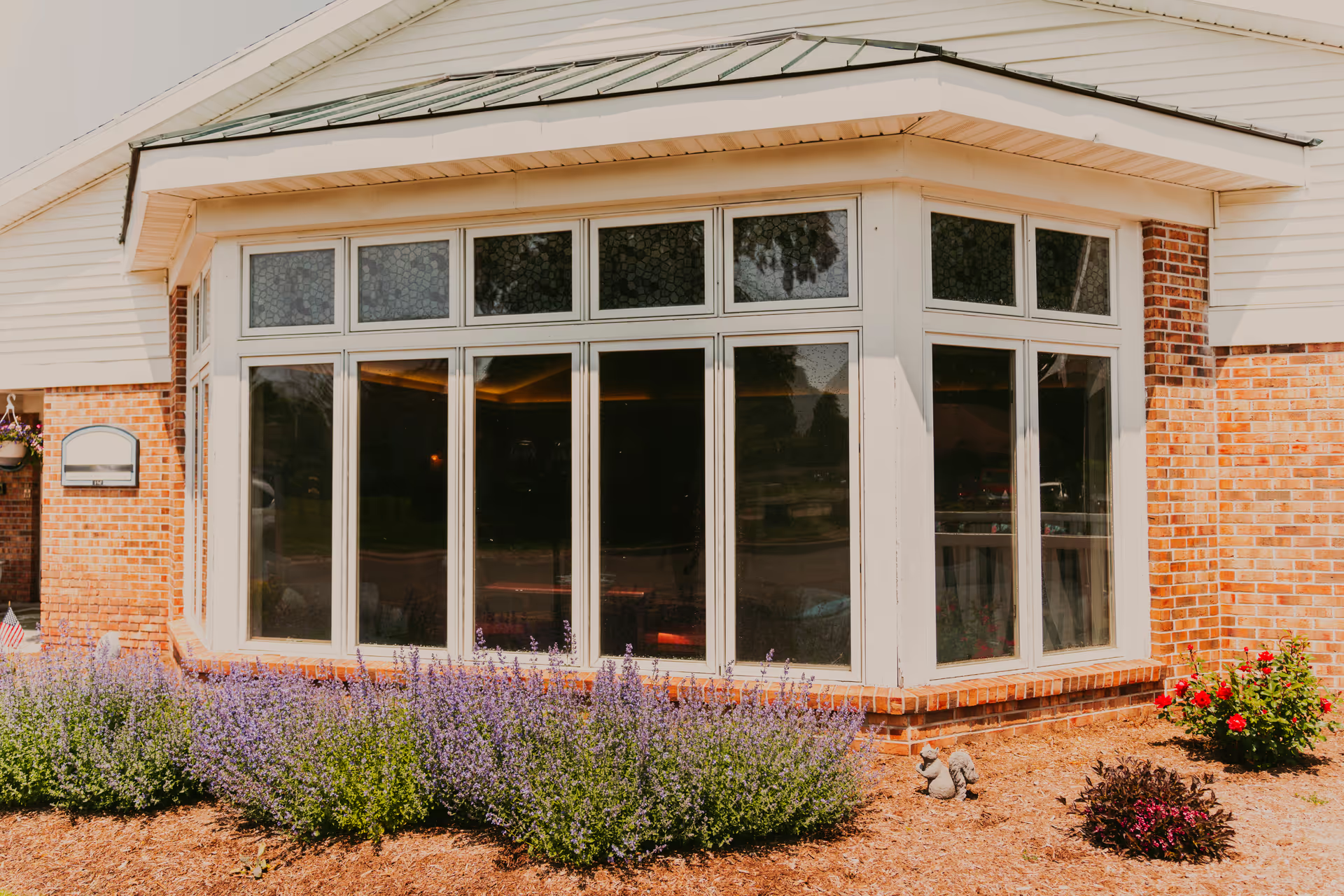
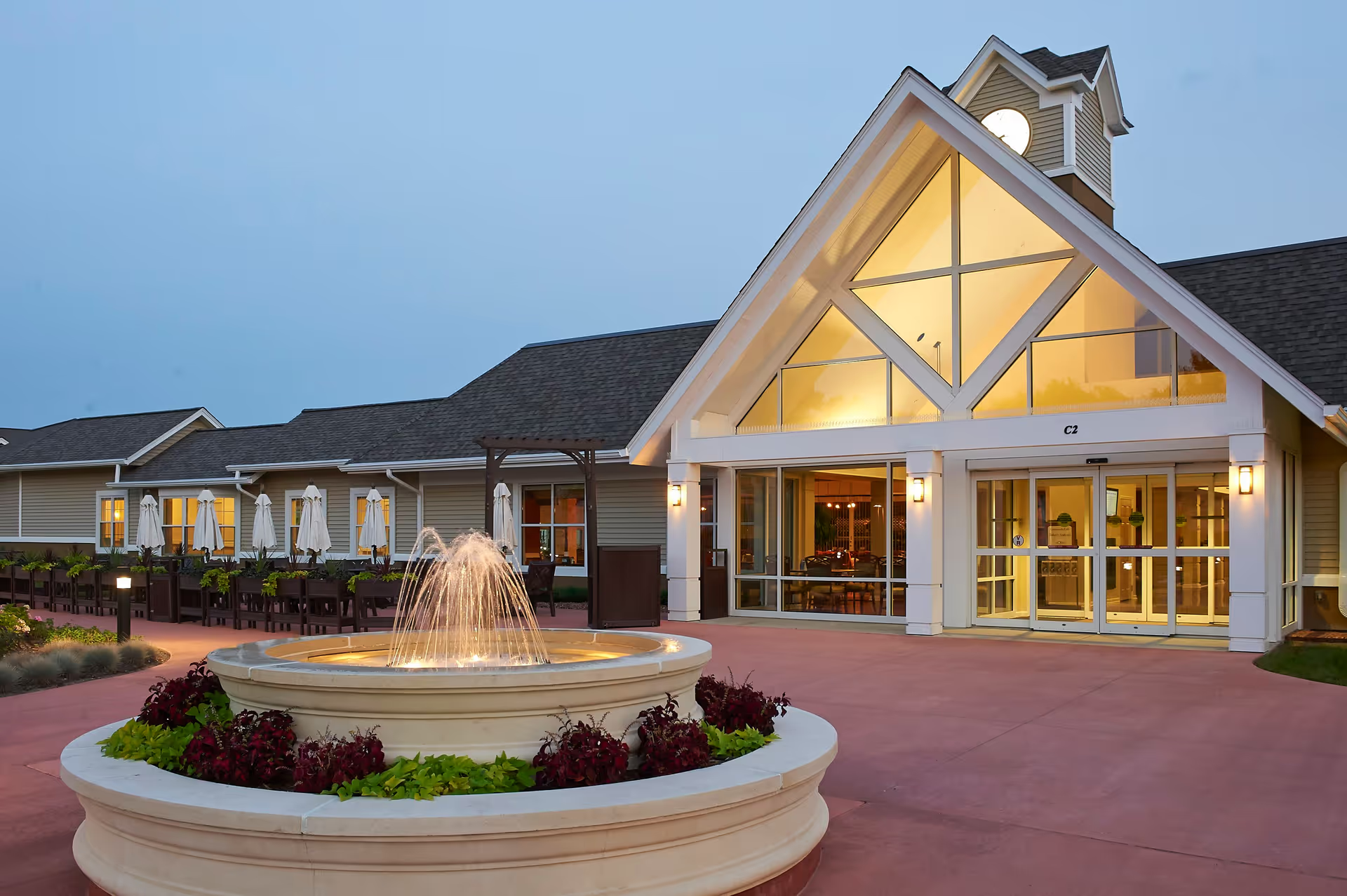
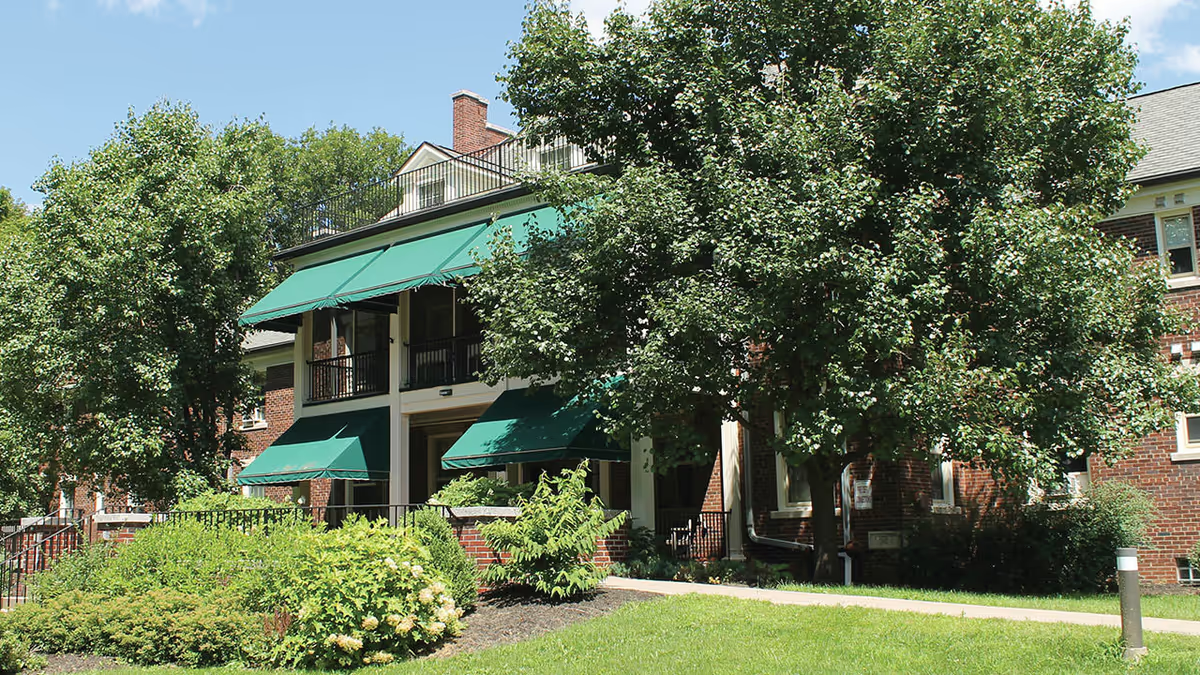
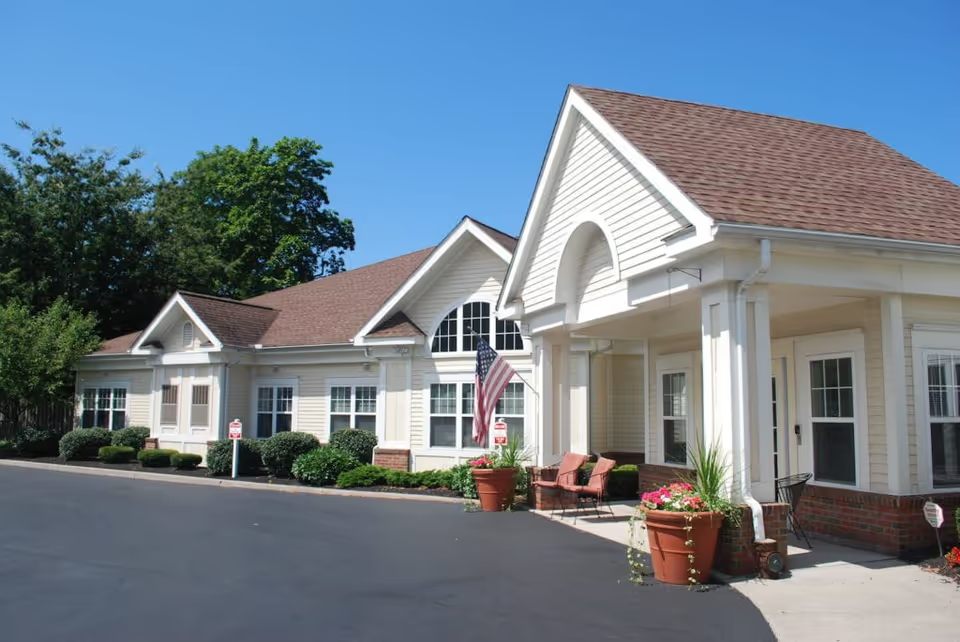
Facilities and accessibility: The physical plant is described as attractive and well-maintained, with in-unit conveniences such as washer–dryer hookups, internet/TV/Wi‑Fi access, walk-in showers, and an exercise room. Design features like indoor hallways and handicap accessibility are highlighted positively. The property’s smaller size translates into a more intimate setting but also into fewer large-scale amenities than some larger senior living communities.
Management and operational patterns: Management is characterized as helpful and accessible, assisting with practical needs like transportation to appointments and move-in logistics. One operational pattern to note is that transportation for medical appointments generally requires advance scheduling rather than on-demand service; families should plan accordingly. Another recurrent operational limitation is the relatively constrained gluten‑free dining options and the absence of a traditional full-service dining room, which may matter for residents with specific dietary or social dining preferences.
Notable patterns and who may fit best: The dominant themes are community cohesion, active programming, affordability, and hands-on management. Prospective residents who prioritize social engagement, approachable staff, apartment-style amenities, and a smaller, well-kept environment are likely to find this community a good fit. Those who require extensive medical transportation on short notice, a broad special-diet dining program, or the scale of amenities found in larger campuses should verify those specific needs during a tour and intake conversation.