Reviewer feedback for Episcopal SeniorLife Communities – Episcopal Church Home is notably polarized, with many families praising hands-on caregivers, therapy services, and the facility’s physical environment, while other accounts describe inconsistencies in clinical care, communication, and operations.
Care quality and clinical services: The facility receives strong positive comments about certified nursing assistants and some medical/rehabilitation staff, including reports of frequent physical therapy (in one account up to six days per week) and successful post-acute transitions. At the same time, several reviewers describe variability in nursing competence and aide-level performance, and there are concerns about lapses in clinical follow-through. Prospective families should expect variability in day-to-day care consistency and ask about current staffing patterns, clinical oversight, and therapy continuity.
Staff and professionalism: Many reviews highlight kind, patient, and engaged caregivers, attentive nurses, and friendly reception staff. However, there are repeated accounts of problematic interactions with other employees and with administration—characterized by poor communication, unresponsiveness, and concerns about staff conduct and tone when interacting with families. These descriptions point to uneven staff professionalism and variable family-engagement practices.
Dining and nutrition: The dining room environment is frequently described as pleasant with accessible food options and abundant choices. Contrasting accounts, however, cite inconsistent meal quality, concerns about residents losing weight, and sanitation issues related to dishwashing and serviceware. Nutrition management and dining sanitation appear to be uneven across shifts or units.
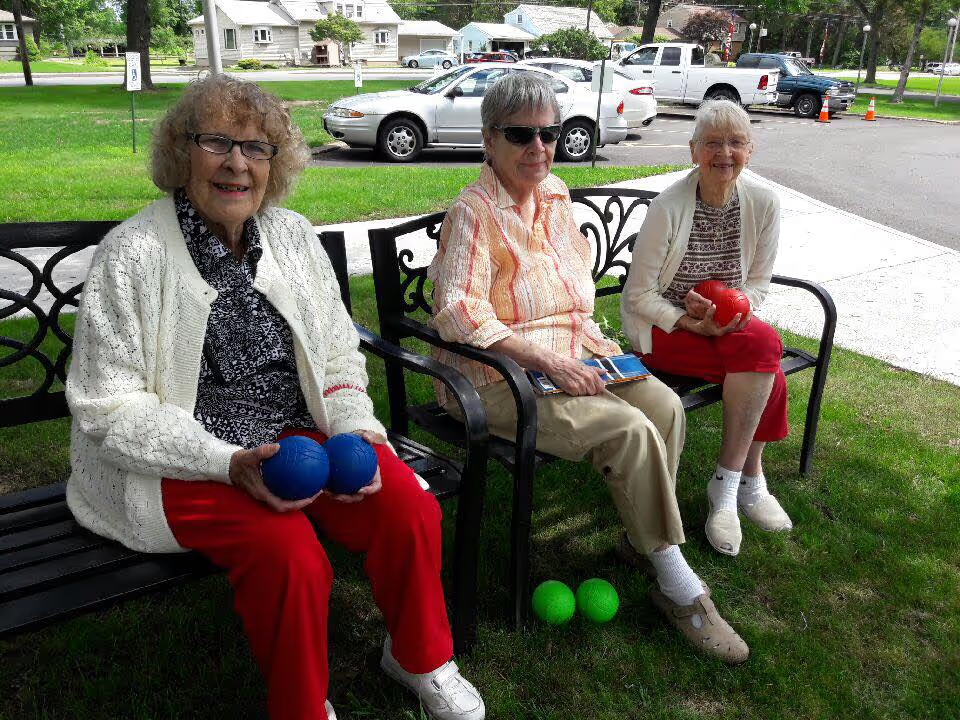
Activities and spiritual life: Activity programming and spiritual services receive favorable remarks. Families note engaged activity directors, regular outings, and a well-regarded chapel. These elements contribute to a sense of community and opportunities for social and spiritual engagement.
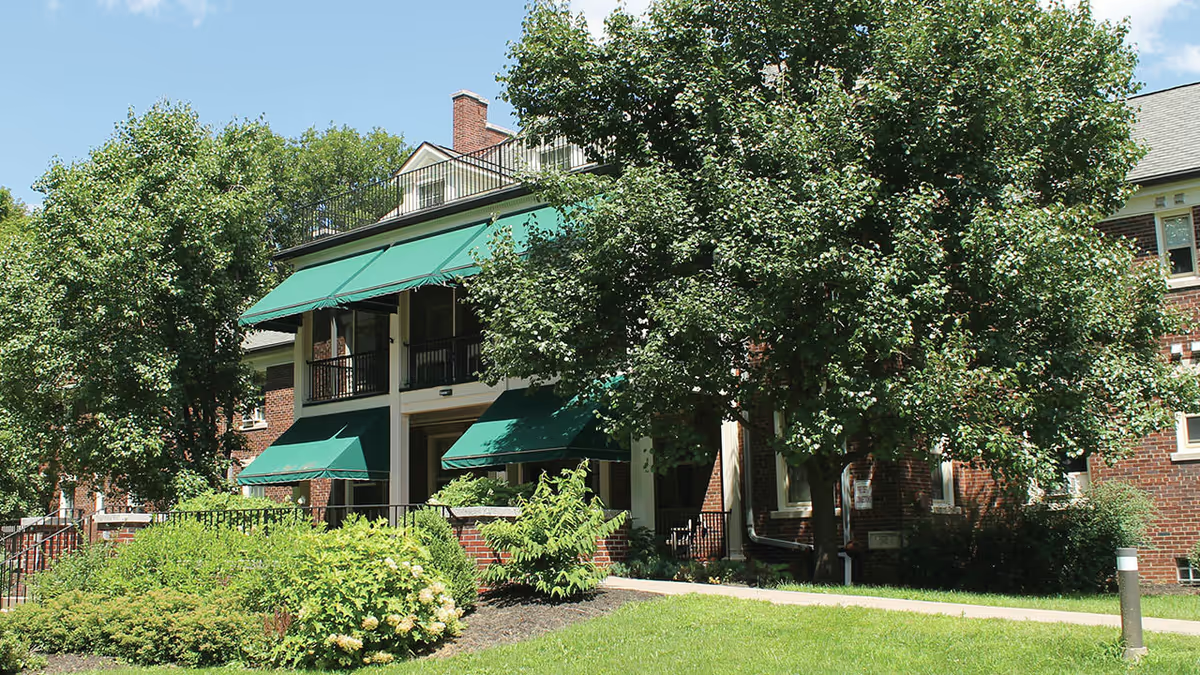
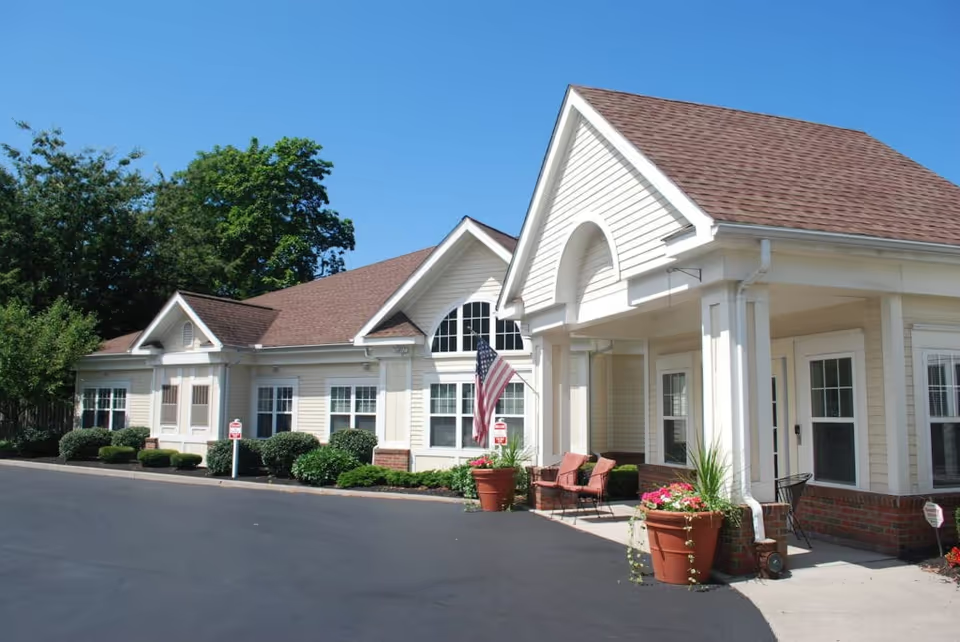
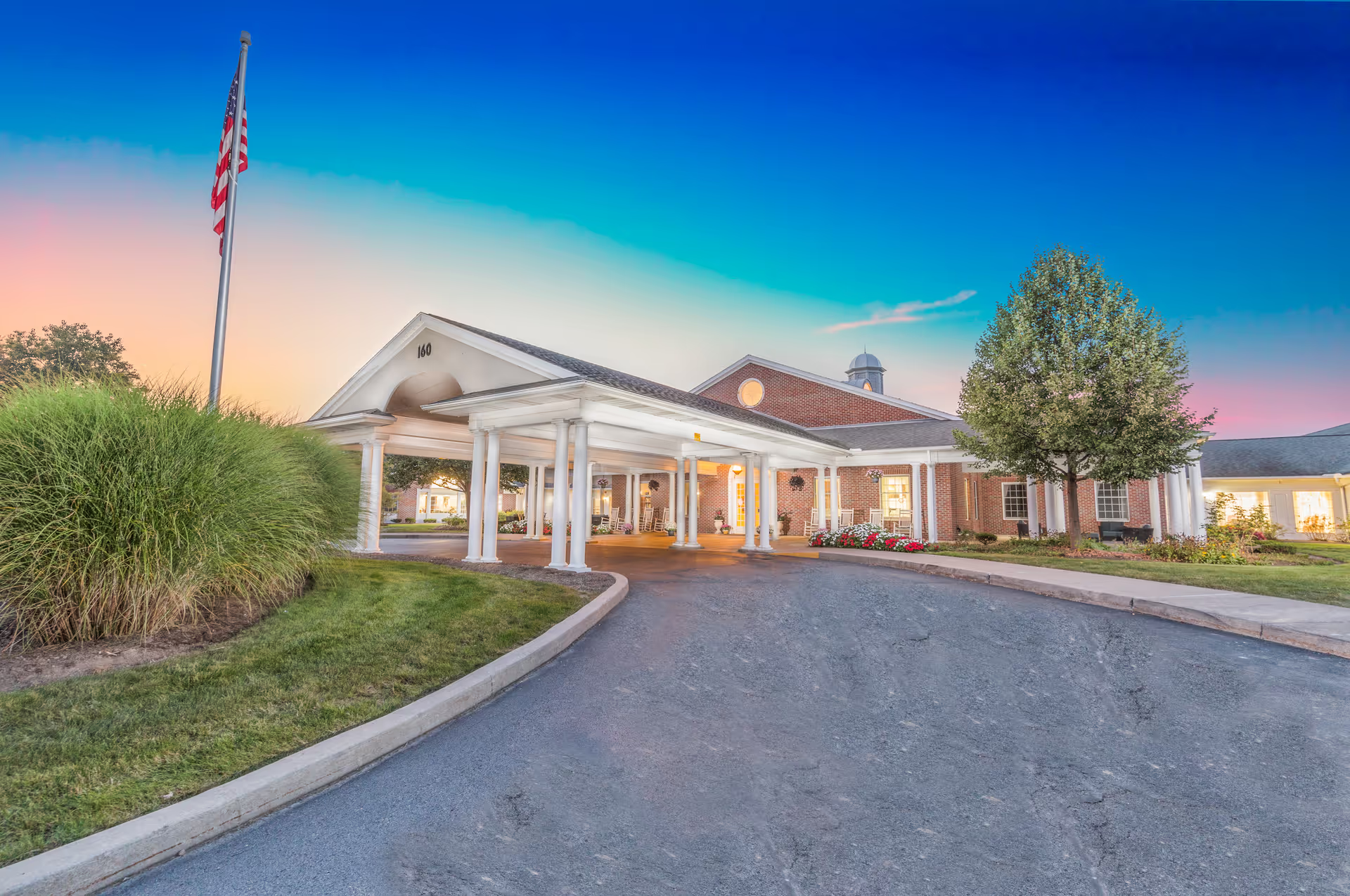
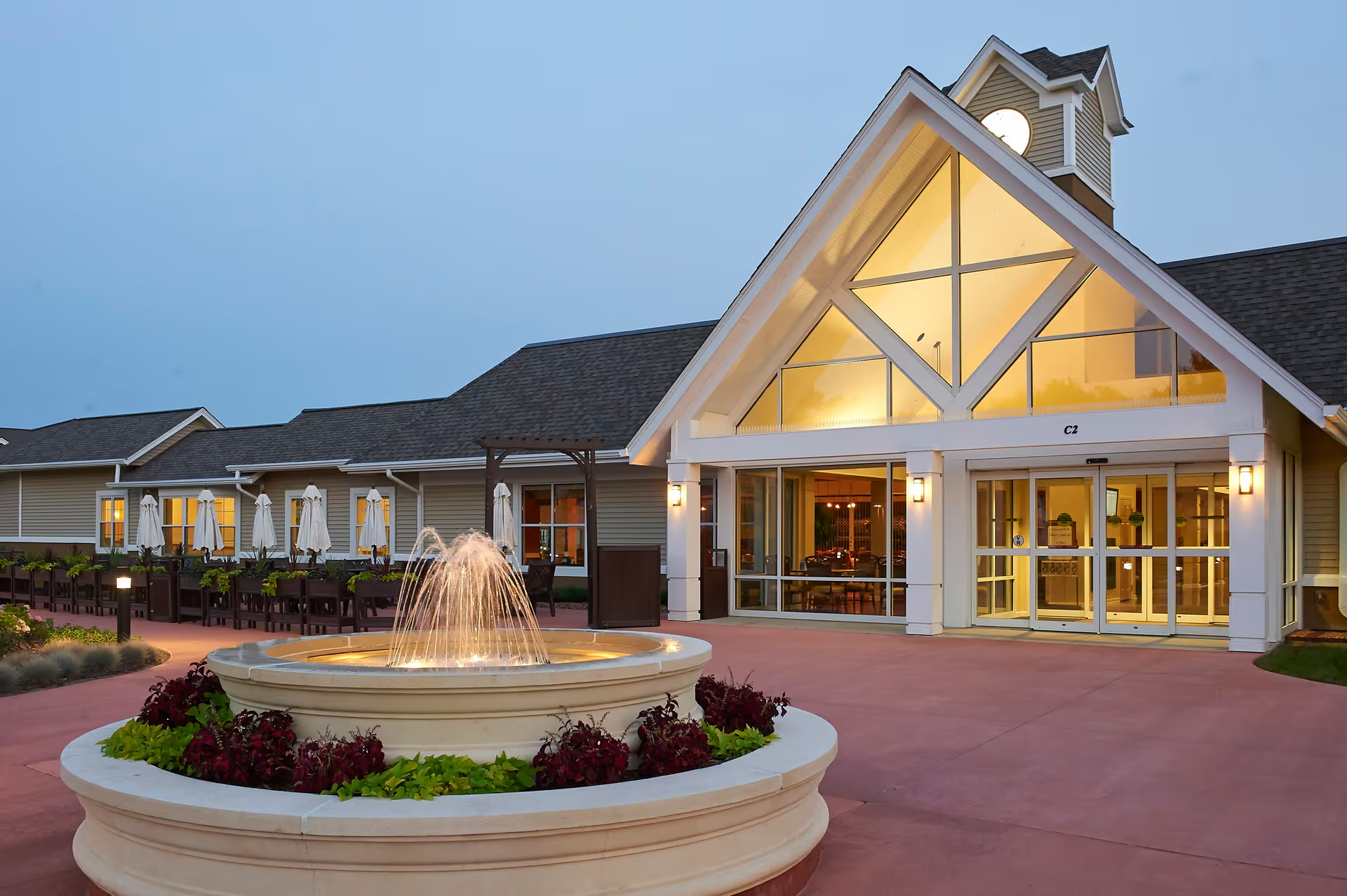
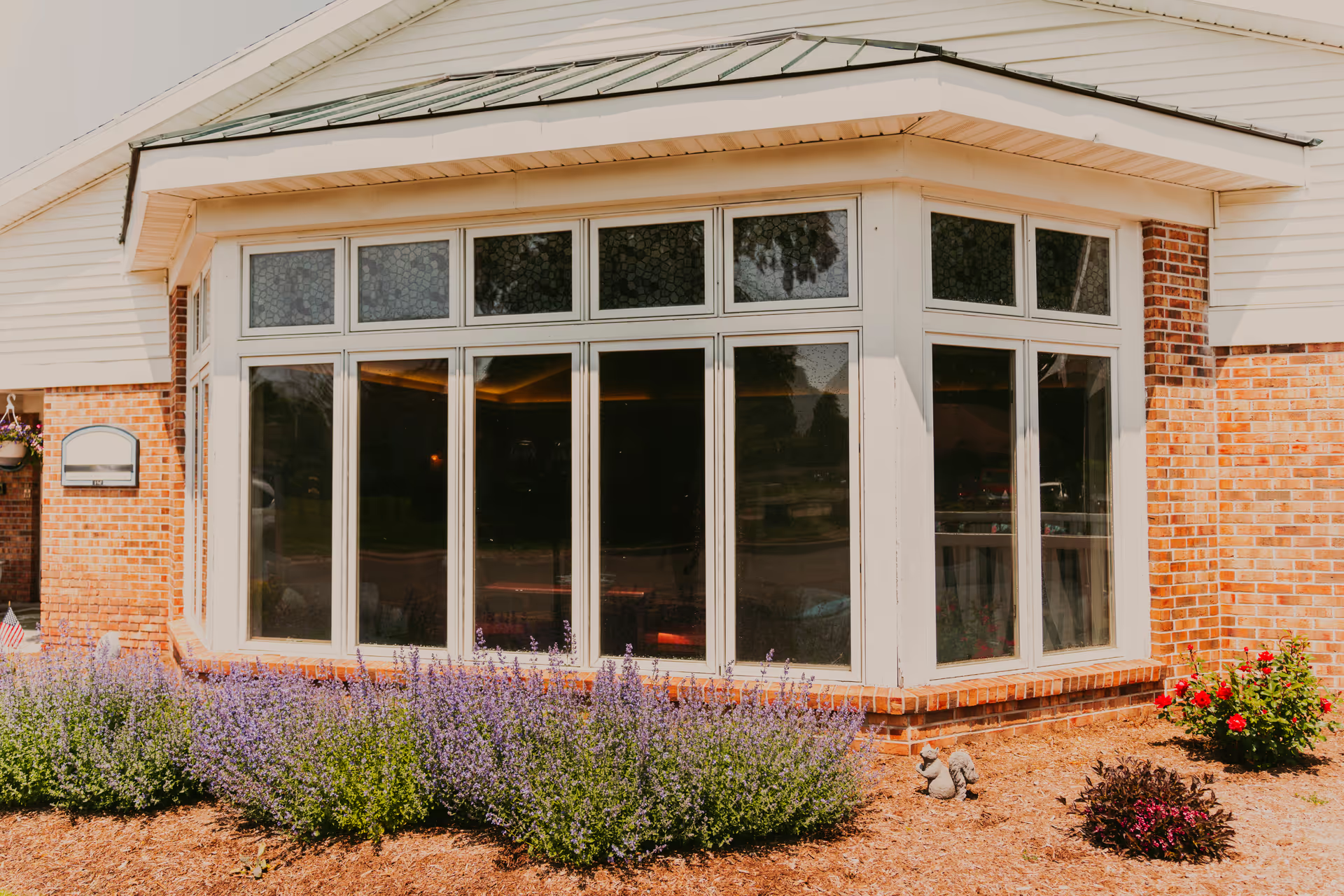
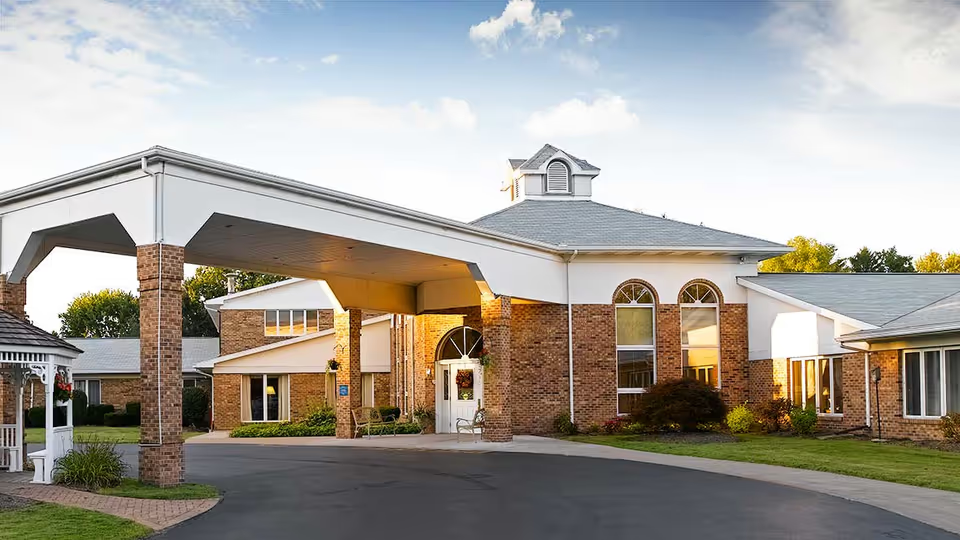
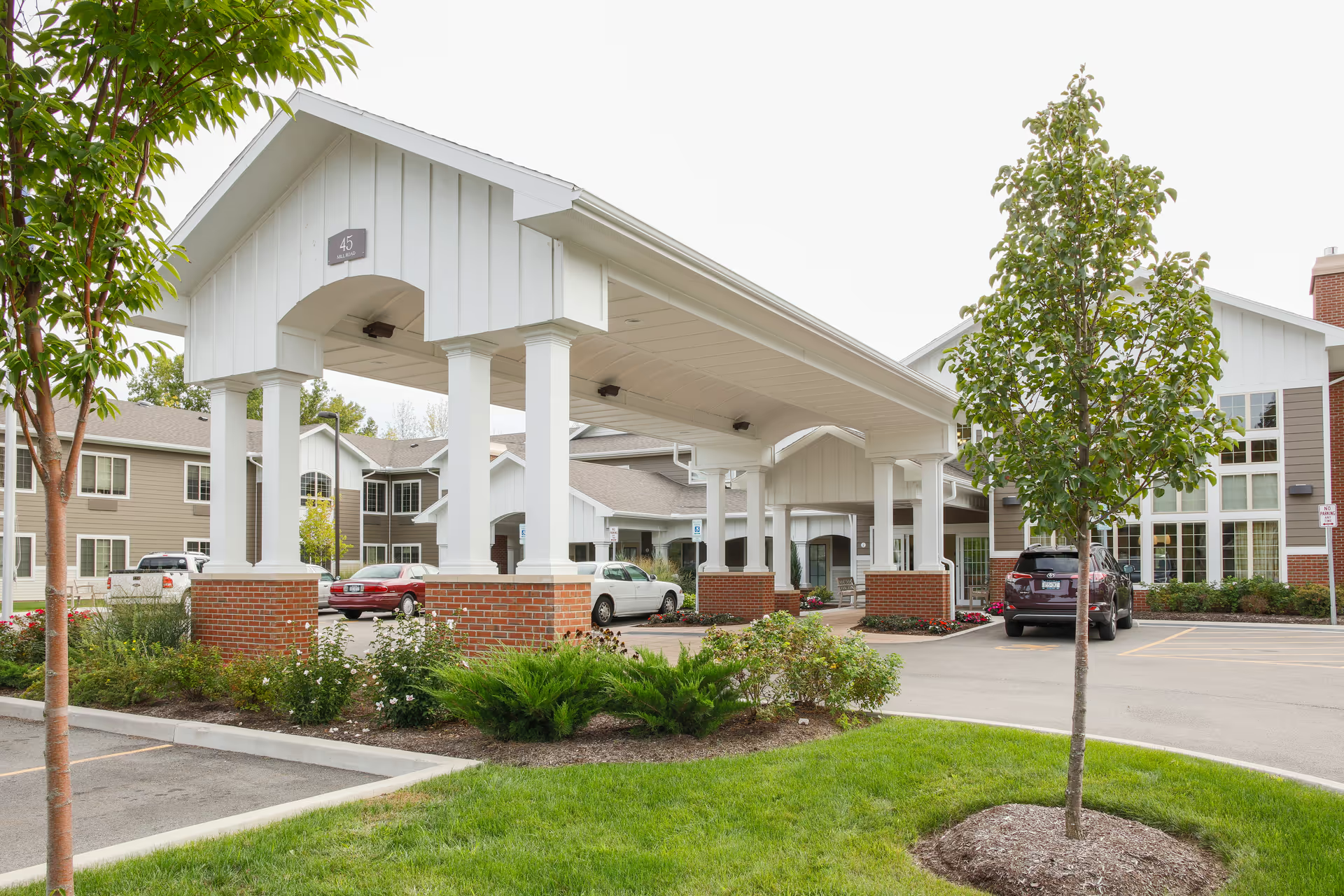
Facilities and maintenance: The campus and grounds are commonly described as clean and well kept, with a pleasant courtyard and attractive chapel. Unit-level impressions vary: some residents and families appreciate private, apartment-style units, while others describe rooms as smaller or more institutional in appearance. There are isolated concerns about pest control and the speed of maintenance responsiveness, with maintenance requests reportedly managed primarily by email in some instances.
Management, safety, and policies: Several reviews raise operational concerns about administration responsiveness, security and protection of residents’ belongings, and restrictive or inconsistently applied visitation and resident-placement policies. There are mentions of alleged missing items and of security being involved in family interactions; these accounts suggest gaps in property protection protocols and family communication. Cost is also a theme — the facility is positioned as premium-priced, and some families question whether services are consistently aligned with that pricing.
Notable patterns and guidance: The overall pattern is one of strengths in direct caregiving, therapy availability, activities, and campus upkeep paired with operational inconsistencies in clinical oversight, communication, sanitation, and administrative responsiveness. Prospective residents and families would be well advised to tour the facility, speak directly with nursing leadership about staffing stability and clinical oversight, review dining and sanitation protocols, ask about pest-control and maintenance response times, clarify security and belongings-protection policies, and confirm therapy schedules and discharge/managed-care coordination. Checking recent inspection reports and seeking current family references can help clarify whether positive or negative experiences are reflective of current operations.