Care quality: Reviewers describe a facility with clear clinical strengths alongside operational variability. Clinical care—particularly nursing, aides, and rehabilitation therapy—is frequently praised for compassion, skill, and fast functional gains during short rehabilitation stays. Families commonly noted individualized therapy plans, assistance with complex clinical needs (for example, tube‑feeding competency), and attentive medication management. At the same time, some families reported episodic delays in routine care and gaps in supervision that have raised safety and comfort concerns for certain residents.
Staff and culture: The workforce is widely characterized as friendly, caring, and skilled, with many staff members described as going beyond basic duties to support residents’ comfort and social engagement. Reviewers specifically commended physical therapists, activities staff, social workers, and frontline nursing aides. However, staffing levels and workload pressure are recurring themes; understaffing appears to create variability in responsiveness, and a subset of reviewers raised concerns about staff conduct, privacy breaches, and isolated allegations of dishonesty. Administrative responsiveness is mixed—some families found leadership approachable and quick to address issues, while others experienced difficulty getting information or perceived unhelpful senior management.
Dining and nutrition: The kitchen is frequently credited for meeting therapeutic diet needs and accommodating special diets, and some residents enjoyed meals. Nevertheless, there are consistent comments about a narrowing menu and declining variety, and sanitation/pest‑control concerns in dining or common areas were raised by multiple reviewers. Prospective families should verify current dining menus, sanitation practices, and pest‑control protocols during a visit.
Activities and social life: Activity programming is a clear strength for many residents. The facility offers a range of social options—group events, games, live music, pet therapy, and scheduled outings—that contribute to social engagement and quality of life. Several reviewers highlighted an active, cheerful atmosphere and an attentive activities coordinator who makes it easier for residents to participate.
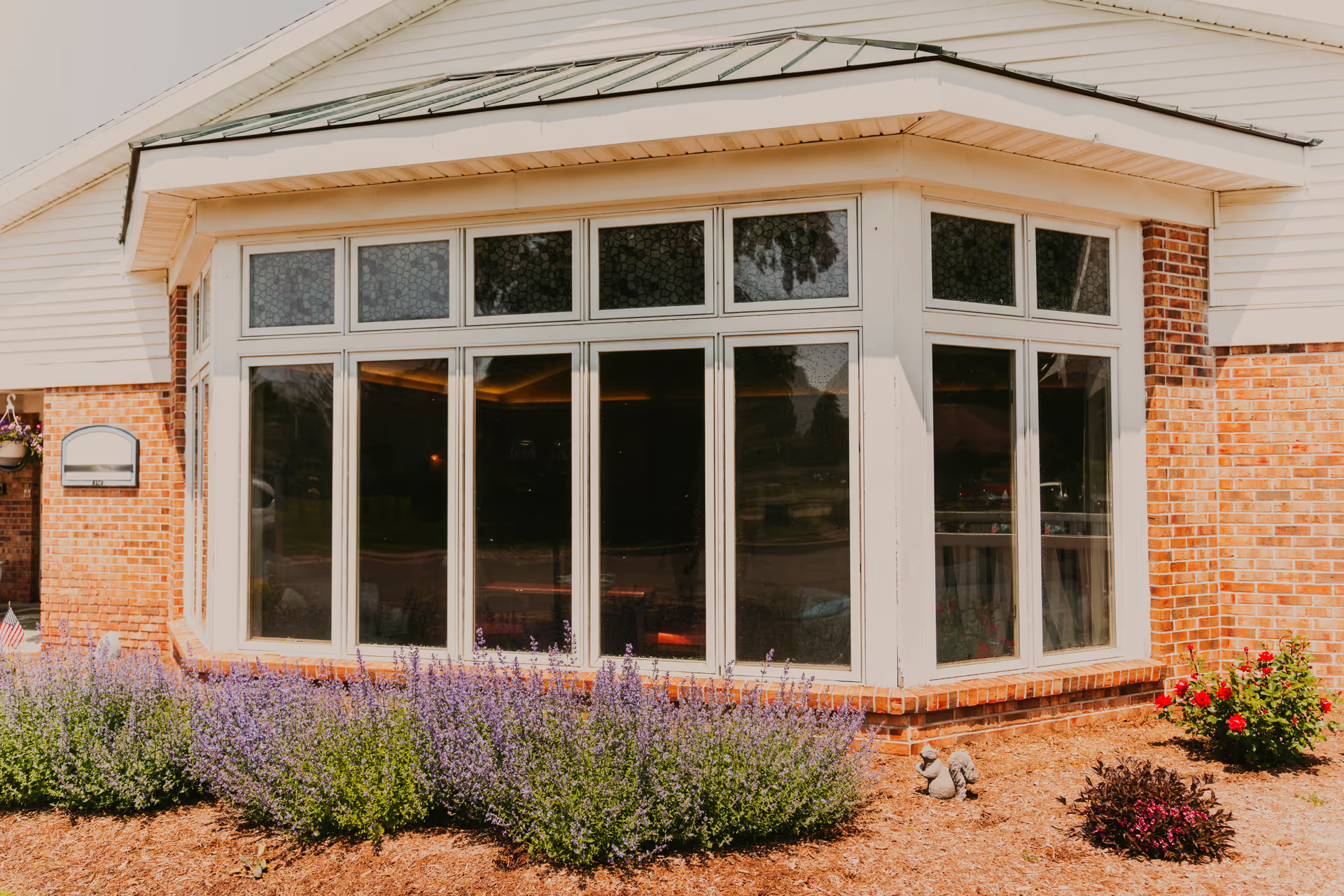
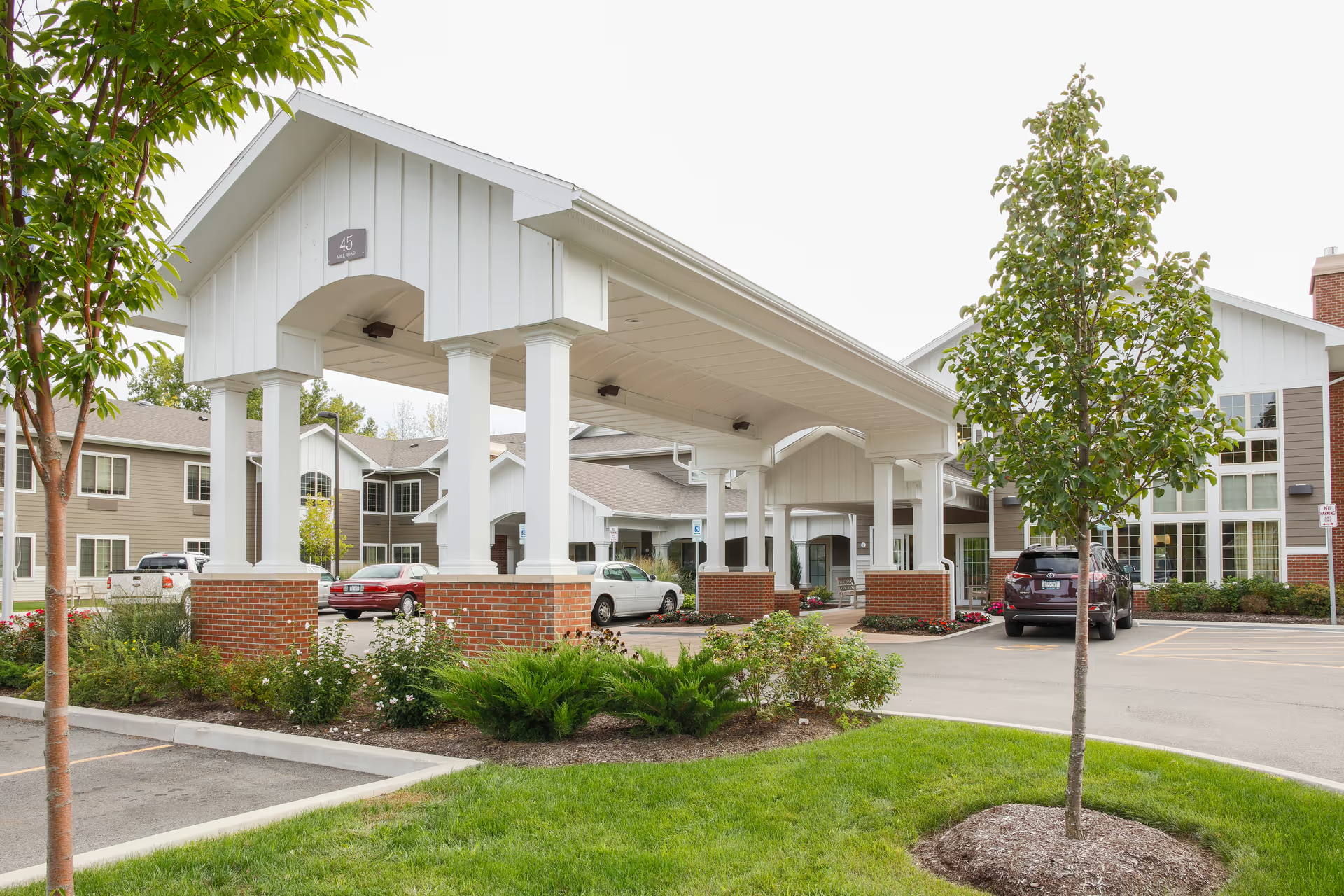
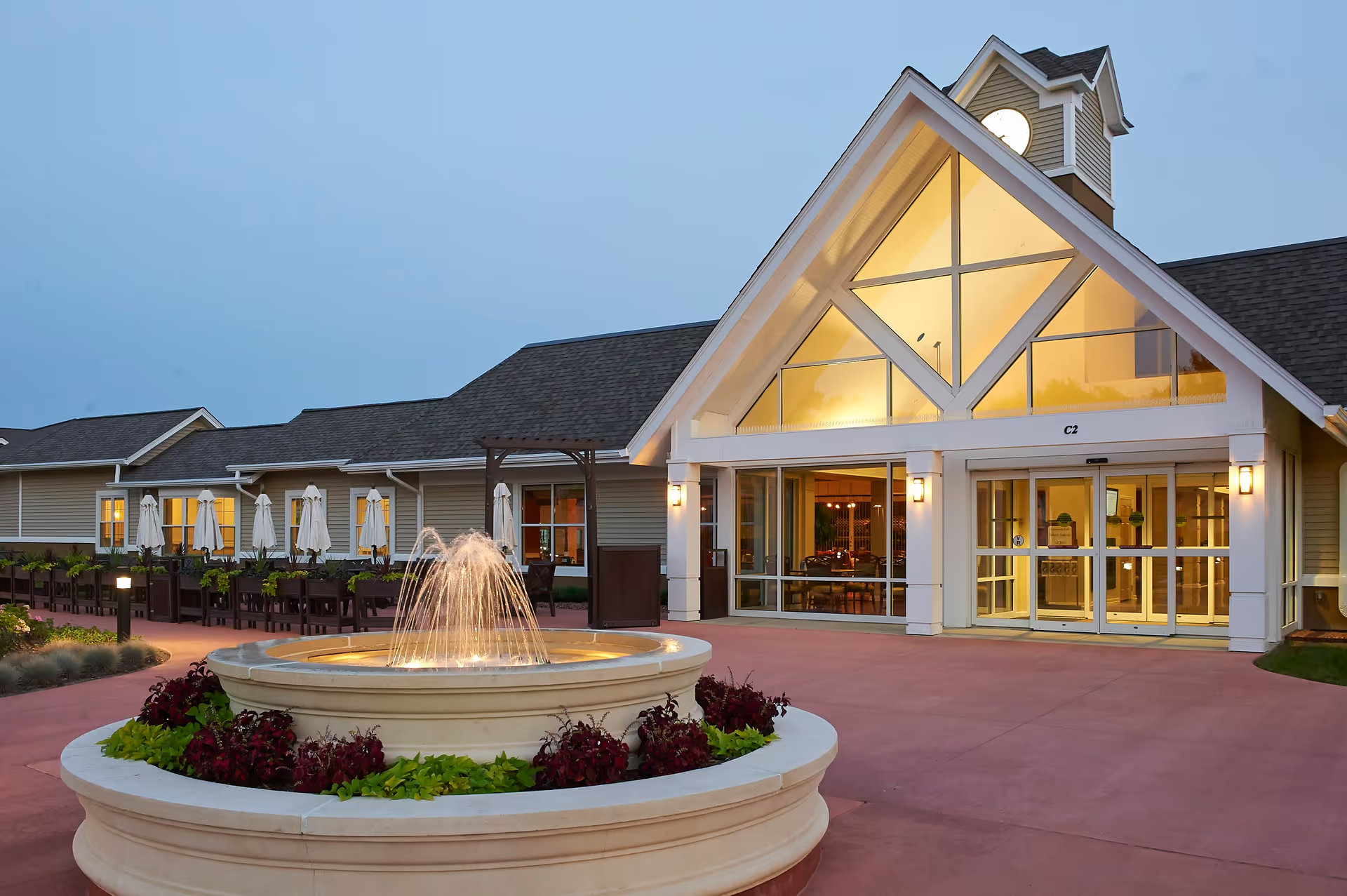
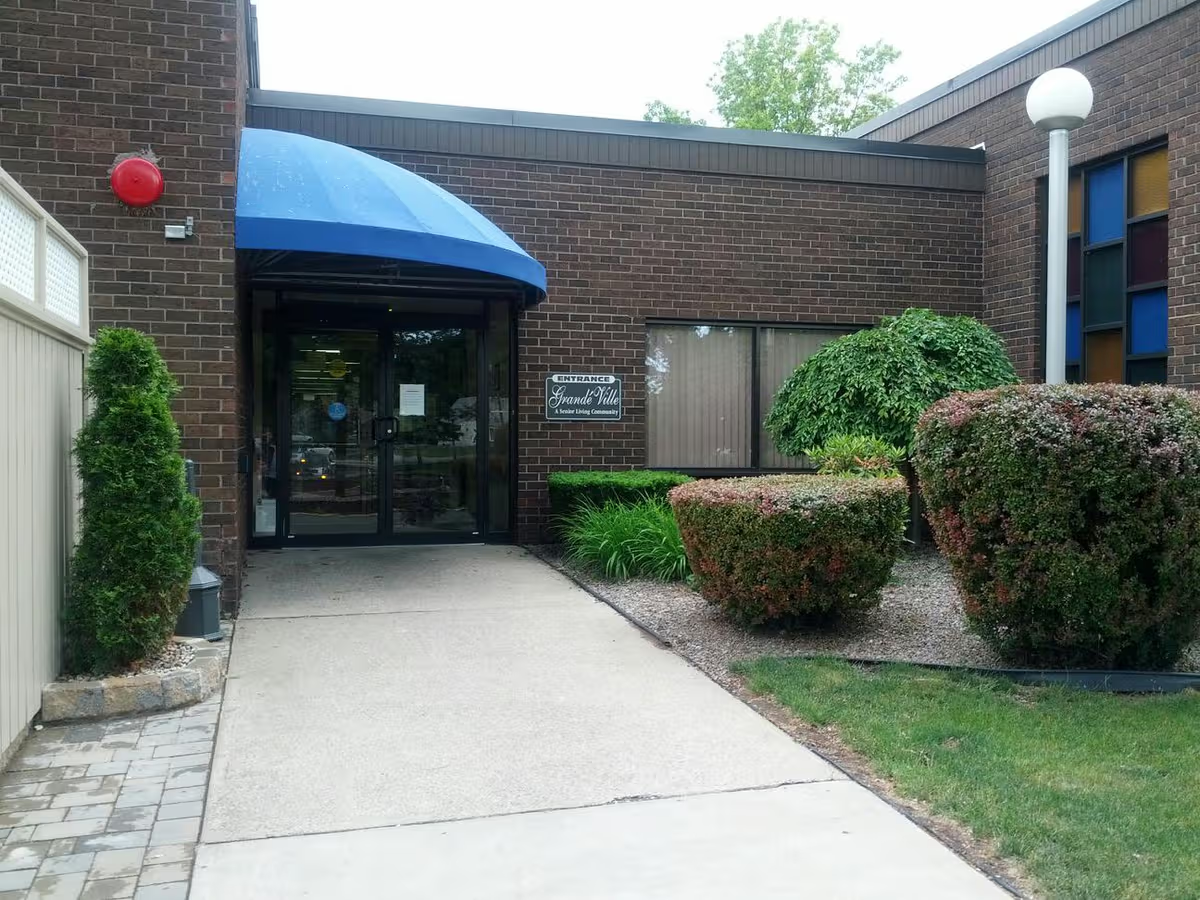
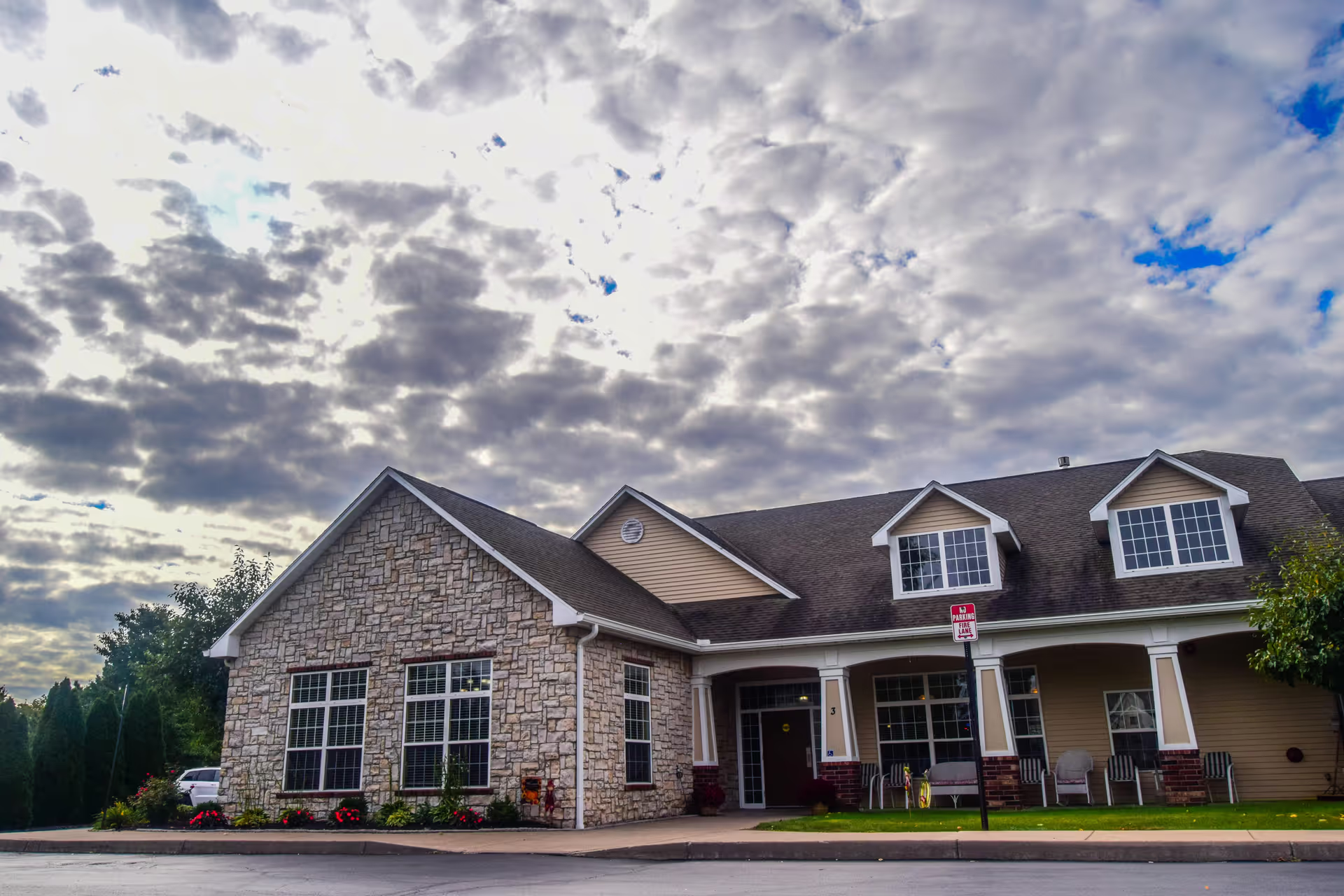
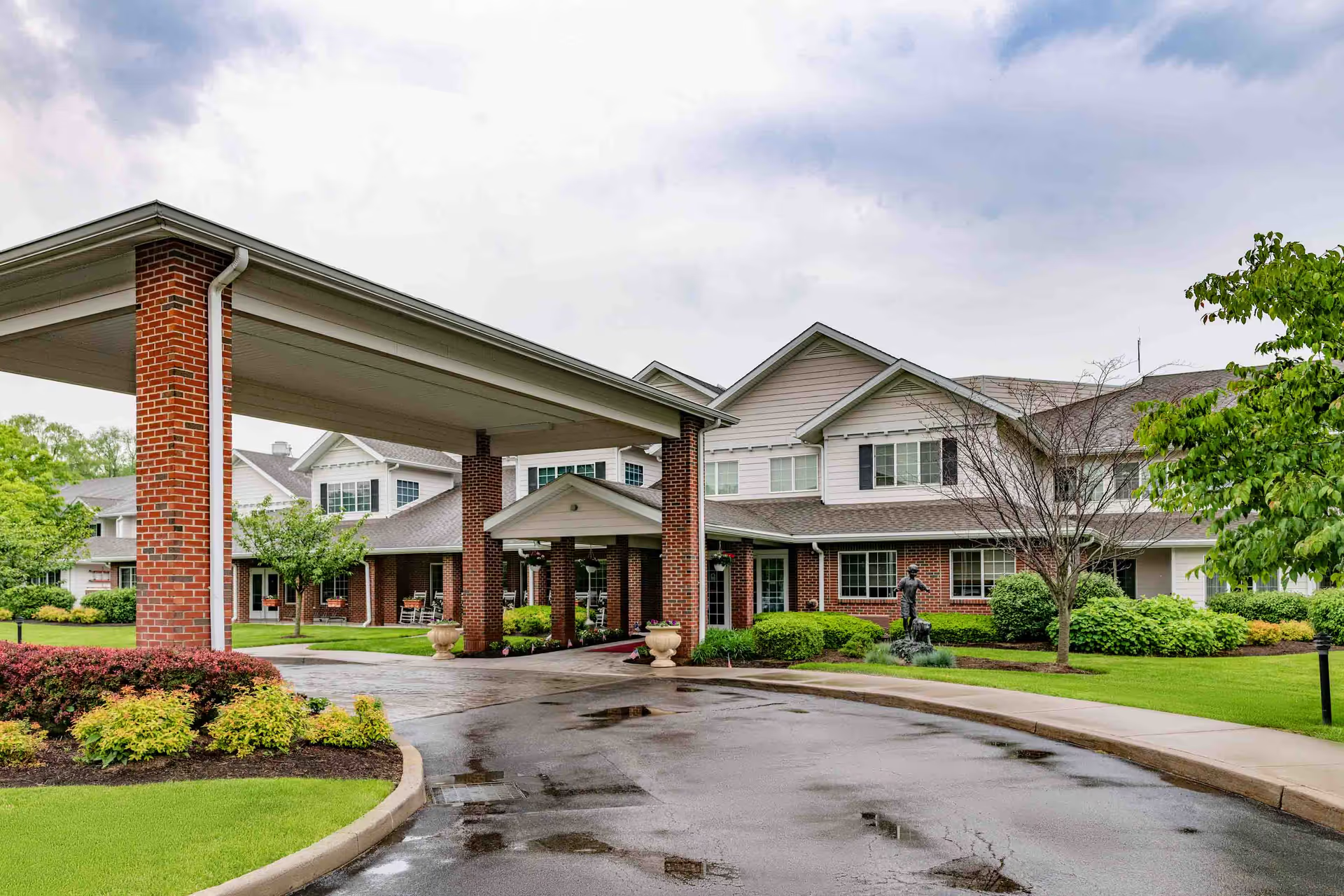
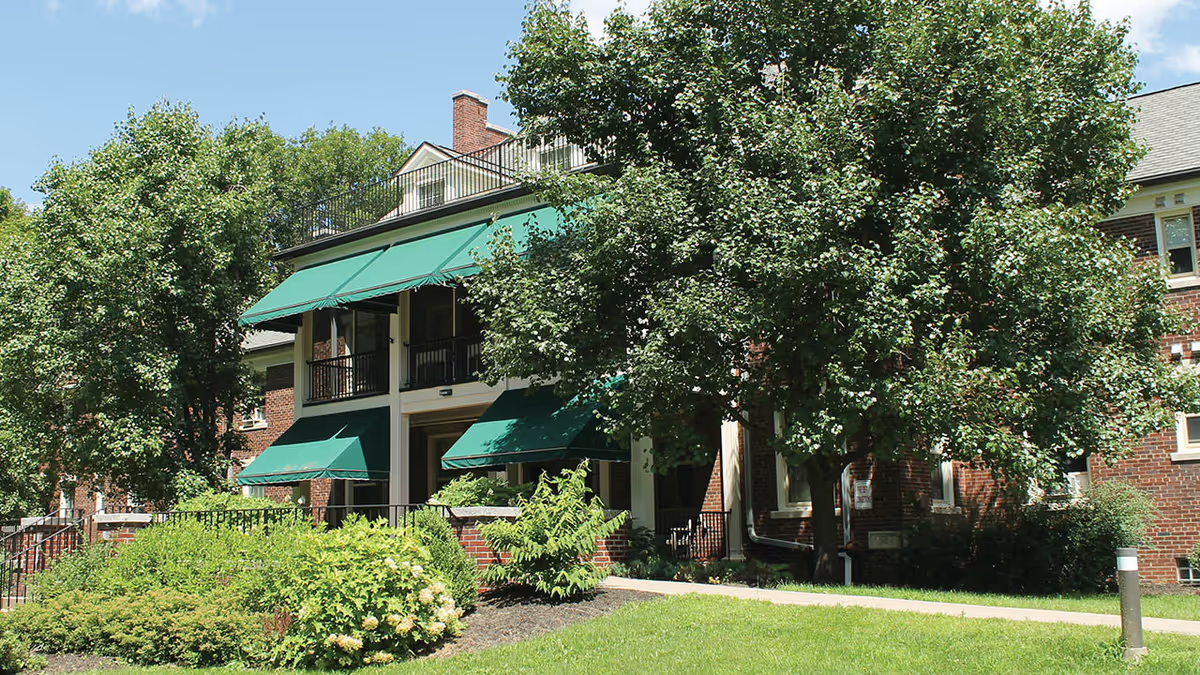
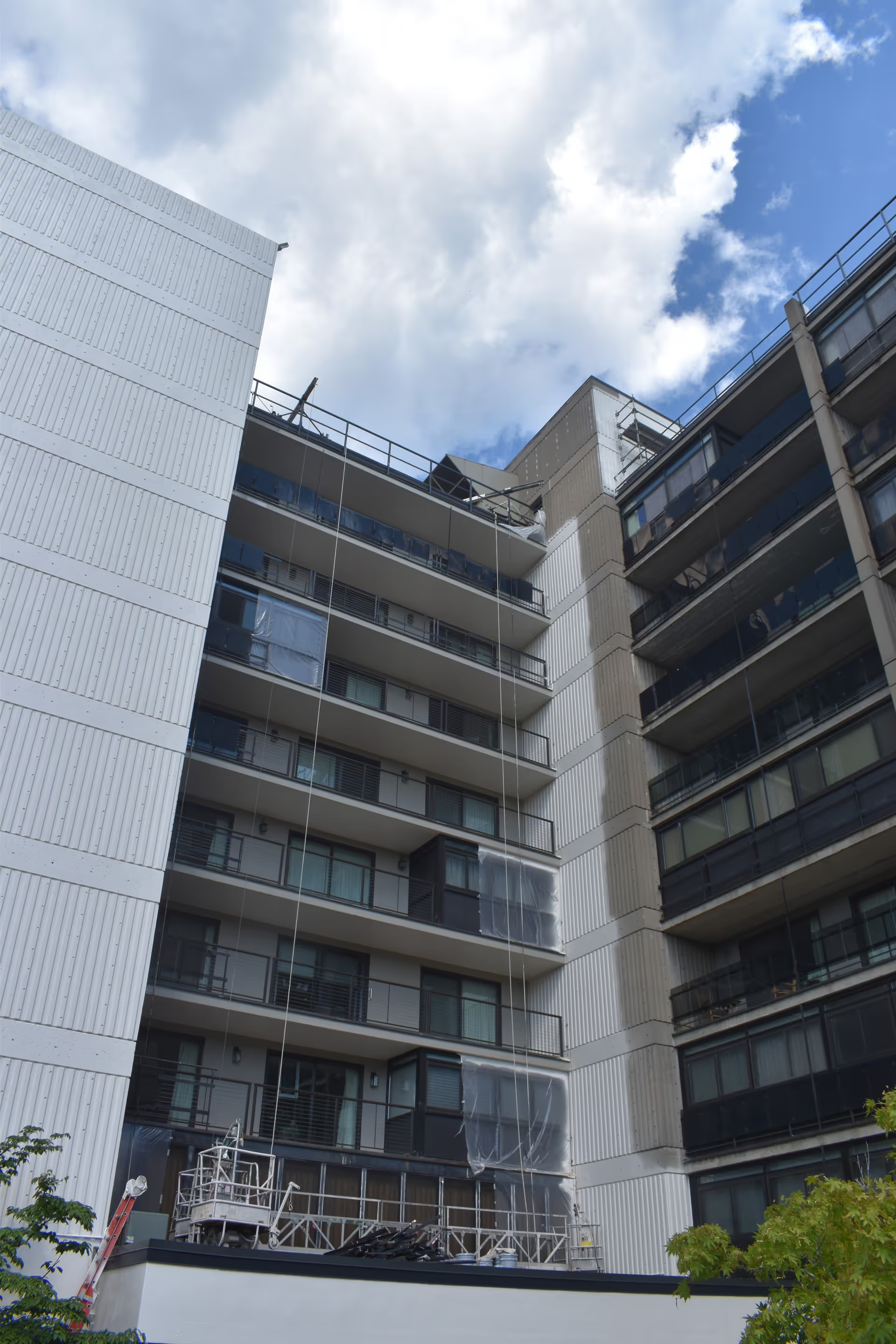
Facilities and amenities: The building is described as older with visible cosmetic wear; planned upgrades were mentioned but not always complete. Some reviewers found rooms and common areas clean and comfortable, particularly private rooms, while others reported sanitation lapses and infrastructure shortcomings. Limitations in private visiting spaces, small semi‑private rooms, and an overall need for facility updates are consistent operational observations.
Management and notable patterns: The overall pattern is one of strong frontline clinical and rehabilitative capability combined with operational weaknesses in staffing, facilities, and consistency of supervision. Administrative follow‑through varies by case; families who experienced proactive leadership found issues resolved, whereas others reported difficulty with senior management communication. Given these mixed signals, prospective residents and their families should schedule an in‑person tour, ask about current staffing ratios and infection‑control/pest‑control measures, review sample menus and sanitation protocols, inquire about supervision practices and emergency response times, and confirm availability of private rooms and visiting spaces. These targeted questions will help clarify whether the facility’s clinical strengths align with an individual resident’s needs and expectations.