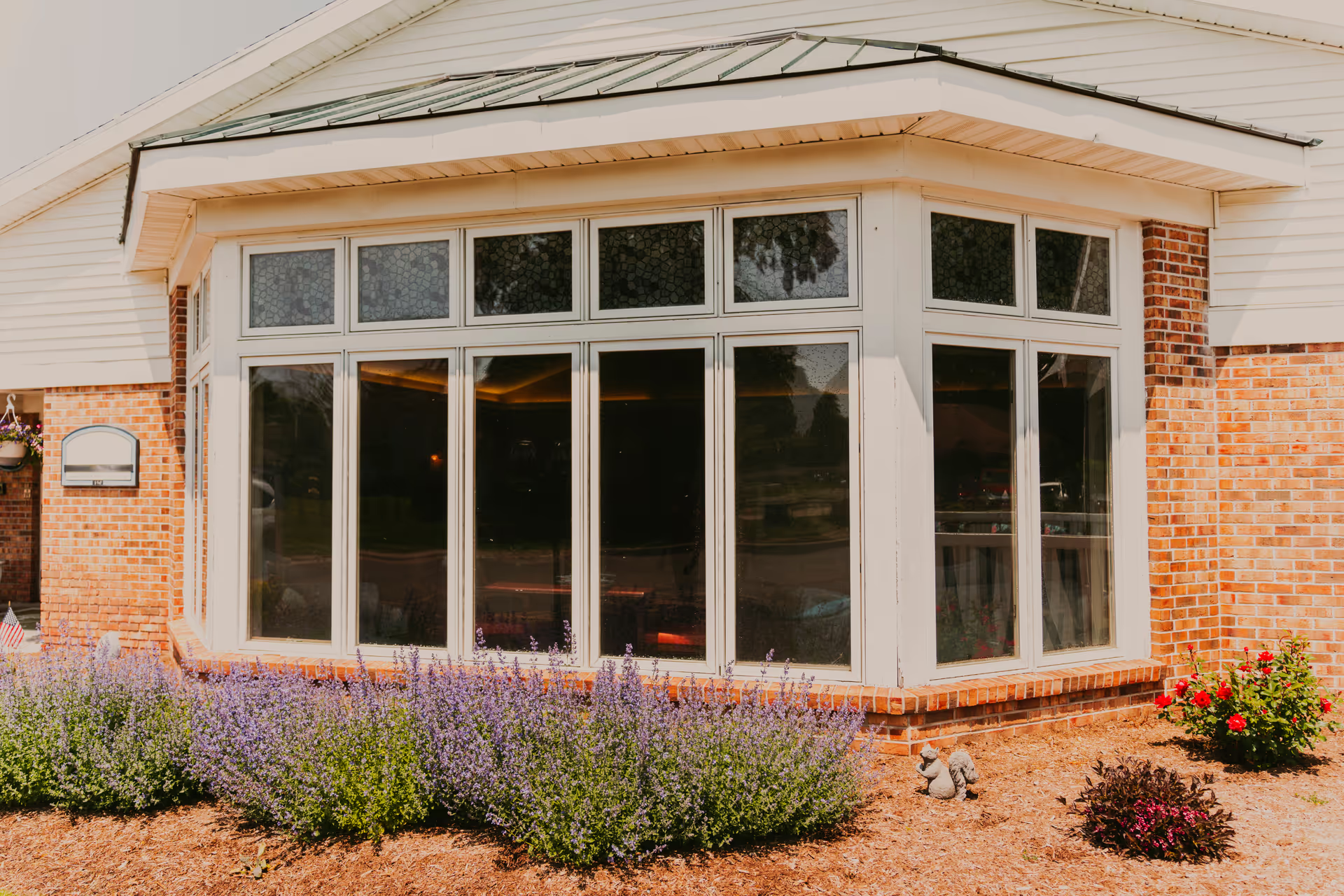
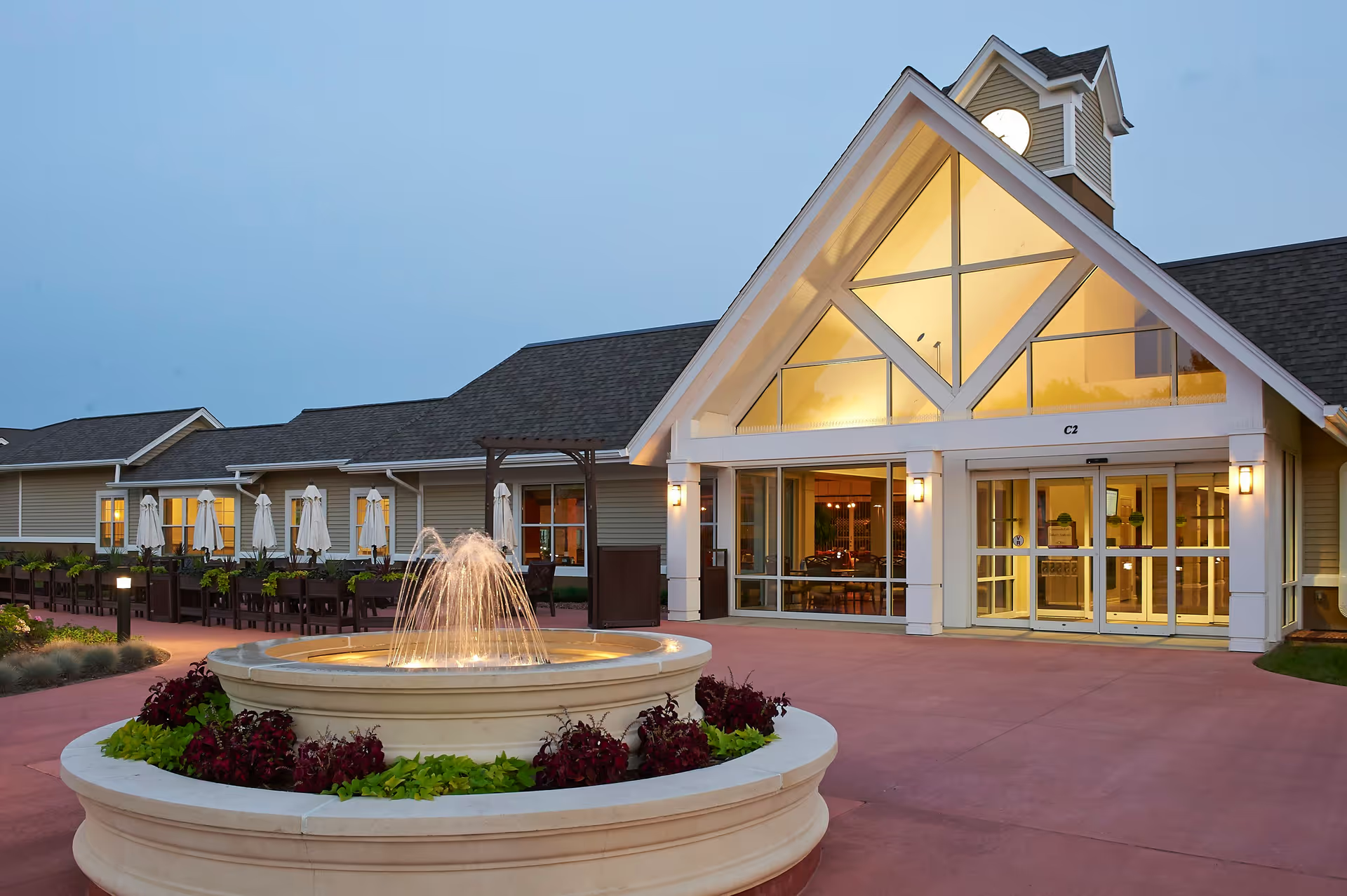
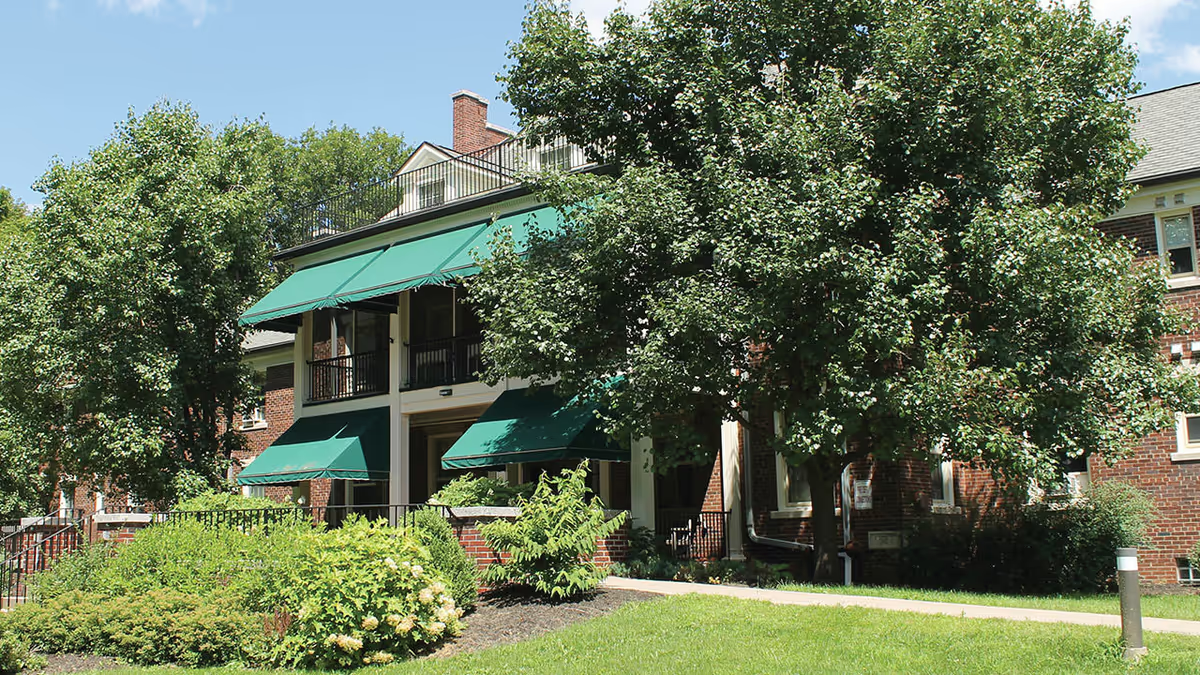
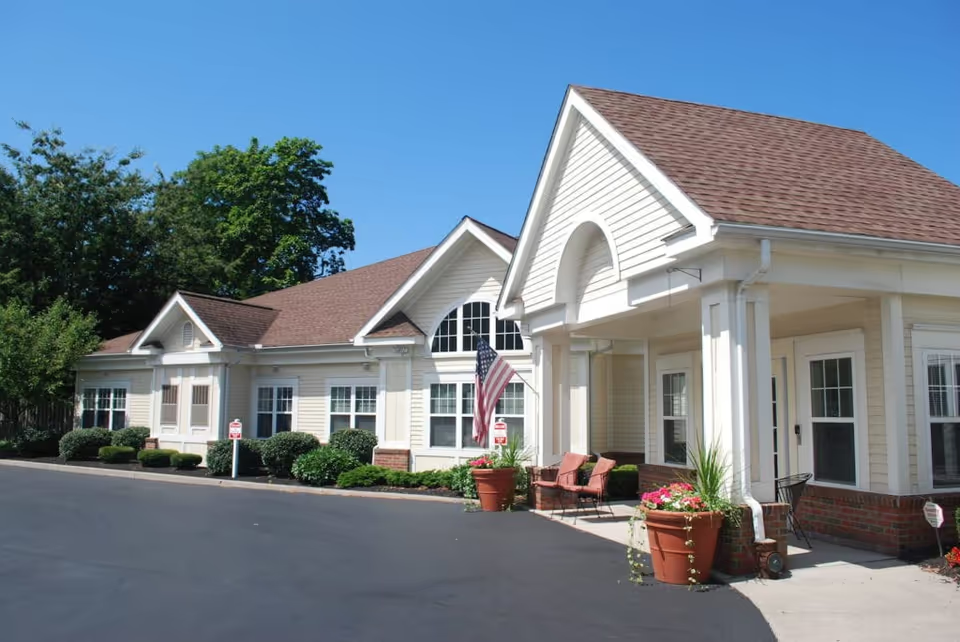
Reviews of RRH Edna Tina Wilson Living Center present a mixed picture with distinct positive features alongside recurring operational concerns. Many families and visitors describe a clean, modernized building with pleasant common spaces and rooms. Several accounts highlight compassionate, engaged caregivers, a warm community atmosphere, and an active recreation program with a variety of meaningful activities. Rehabilitation services and attentive admission nursing care were also noted as strengths by a number of observers.
On the care-quality front, there is a clear pattern of variability. Positive reports cite attentive staff, good therapy outcomes, and supportive day-to-day interactions. Conversely, a substantial set of reviews raises concerns about inconsistent clinical practices — delayed responses to resident requests, inconsistent bathing and continence care, lapses in routine monitoring (for example, vital-sign checks), and reported problems with medication administration. There are also isolated but serious accounts describing hospital transfers and concerns following a resident's hospitalization and death; these underscore the importance of verifying clinical safeguards and medication-administration controls during any tour or family meeting.
Staffing and staff conduct appear uneven. Many reviewers praise individual aides, nurses, and leadership for compassion and responsiveness, and some name an engaged administrator or recreation team. At the same time, others describe staffing shortages, variability in caregiver skill and responsiveness, and instances of poor communication or discourteous interactions. These divergent experiences indicate that day-to-day care may depend heavily on specific staff assignments and shift coverage.
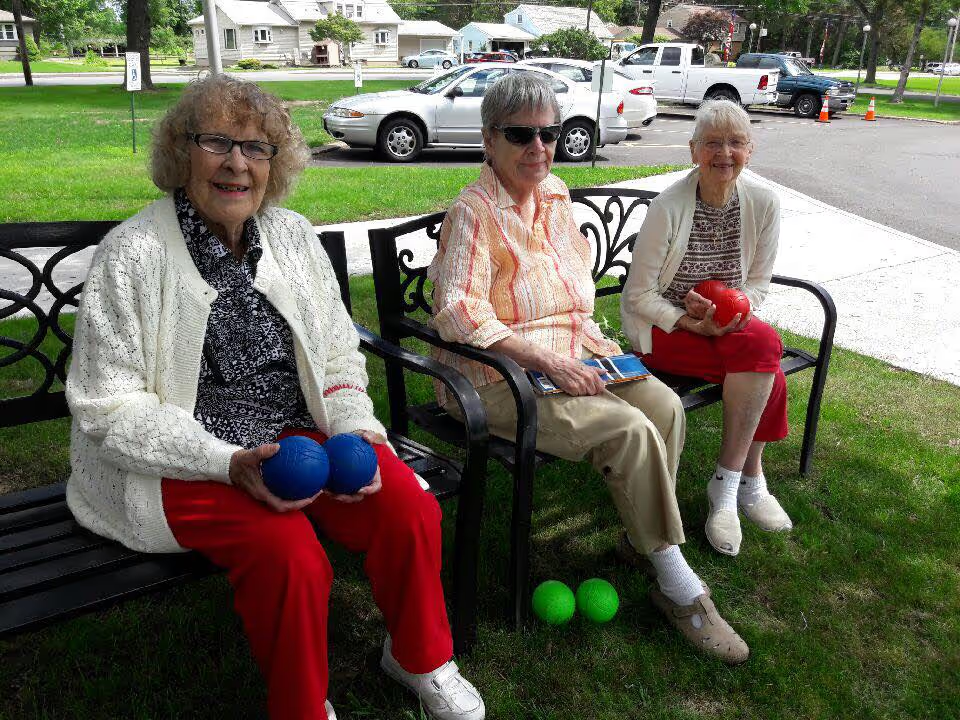
Dining and activities are commonly cited as strengths. Multiple comments mention satisfactory meals and an active, varied recreation schedule; families report residents enjoying programs, social interaction, and a generally supportive environment. However, a subset of reviews describes dining-area cleanliness issues and inconsistent assistance for residents who require feeding or hydration support, suggesting gaps in mealtime staffing or processes.
Facility condition and logistics are largely described positively in terms of modernization and cleanliness of rooms, but reviewers also raise sanitation and odor concerns in some common areas and note that basic resident equipment or comforts (for example, recliners, TVs, clocks) have at times been slow to arrive. Safety and transfer practices were questioned in some accounts, indicating a need to confirm staff training and safe-handling protocols.
Management, documentation, and communication receive mixed feedback. Some families praised proactive leadership and timely updates; others described delayed or unrecorded complaints, poor interdisciplinary communication (including social work and therapy coordination), inaccurate documentation of clinical metrics, and weak discharge planning. Several reviewers recommended clearer, more consistent family communication and better enforcement of privacy and care-plan processes.
Overall, the facility demonstrates several genuine strengths — a modern environment, active programming, and many committed staff members — but also shows recurring operational weaknesses that affect reliability of care. Prospective residents and families should balance the positive aspects they see during a visit with targeted questions about staffing ratios, call-bell response times, continence and bathing schedules, medication administration safeguards, clinical monitoring protocols, and how the facility handles serious clinical events. Asking to observe a shift change, review recent quality reports or inspection findings, and meet the care team responsible for the prospective resident can help clarify whether the facility’s strengths will be sustained for an individual’s needs.