Reviewers present a mixed picture of care at this facility. Many highlight individual caregivers who are attentive, friendly, and capable in direct interactions with residents; the physical environment is frequently described as clean and secure. These positive accounts suggest that when staffing levels are adequate, day-to-day care and one-on-one attention can be a strength.
At the same time, recurring operational weaknesses appear in several areas. Staffing levels and shift coverage are described as inconsistent, which reviewers link to delayed responses to resident needs and lapses in routine care. Specific operational gaps include inconsistent incontinence-care procedures, reports that fall events were not always communicated to families, and instances when nurses did not complete expected checks. These items point to broader gaps in clinical-incident reporting, fall protocols, and routine monitoring rather than isolated clinical skill deficits.
Communication and management practices are another area of concern. Reviewers note difficulty reaching staff by phone, unanswered calls, and limited transparency around documentation and incident reports. There are also concerns about how personal property and estate matters have been handled after a resident’s death; legal involvement was mentioned in one account. In addition, entry/desk coverage and visitor-access controls have been described as inconsistent, with periods when the front desk or doors were unmanned — a contrast with other remarks that the facility is secure when supervised.
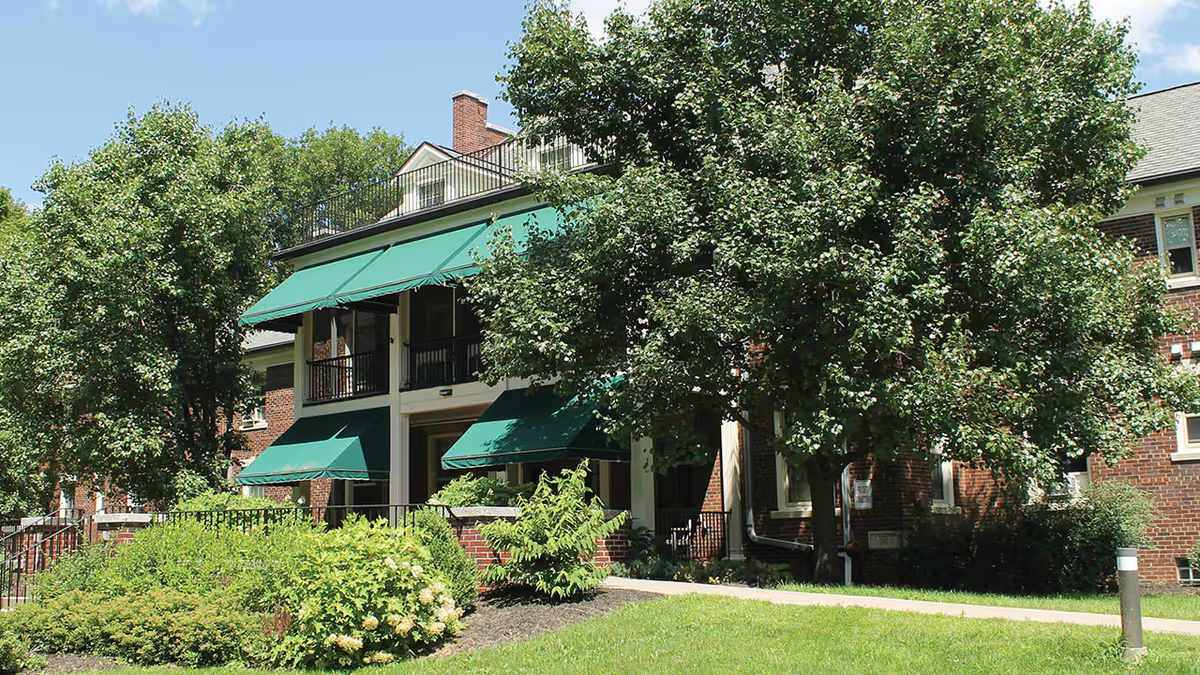
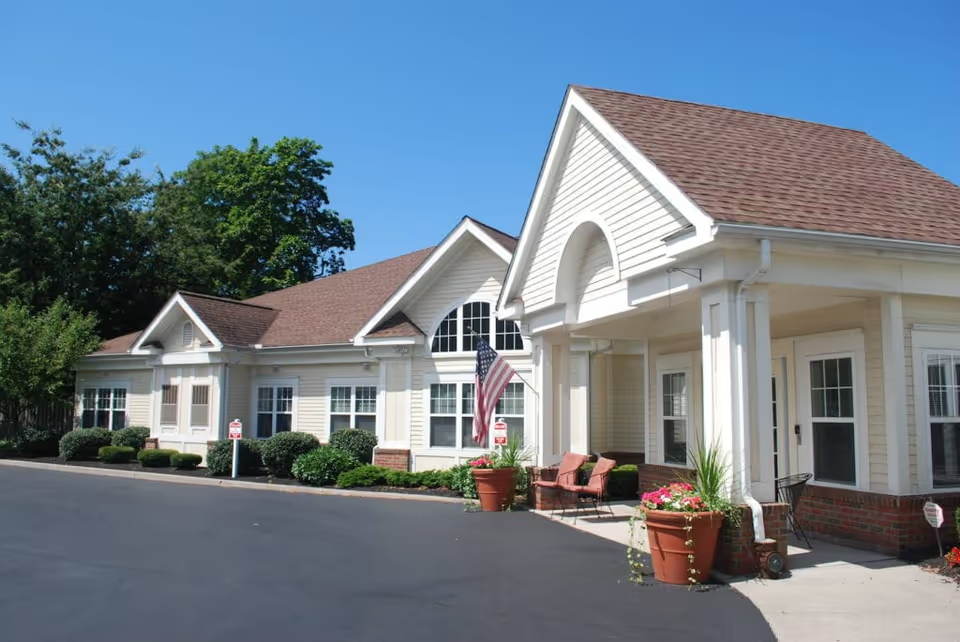
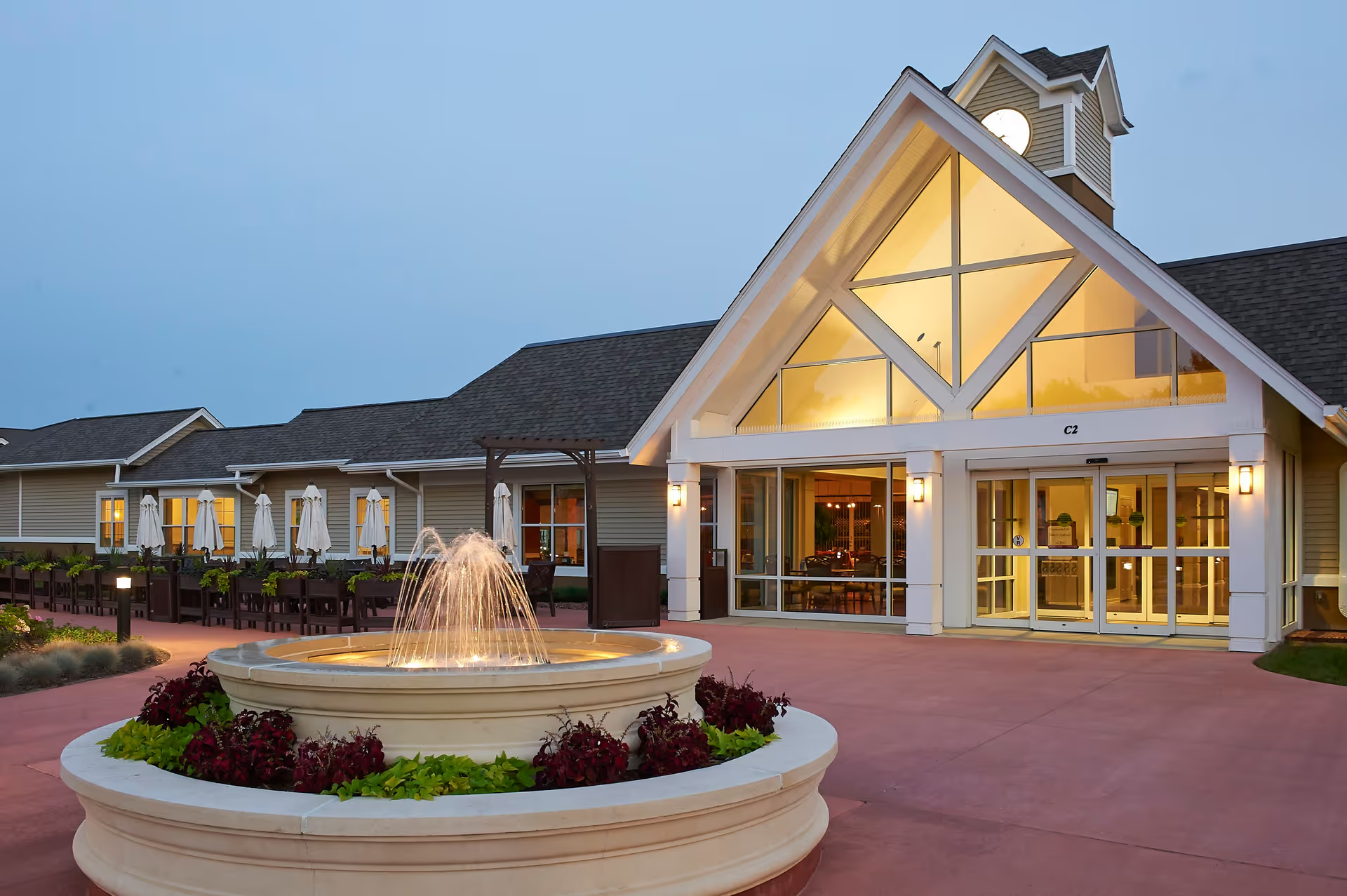
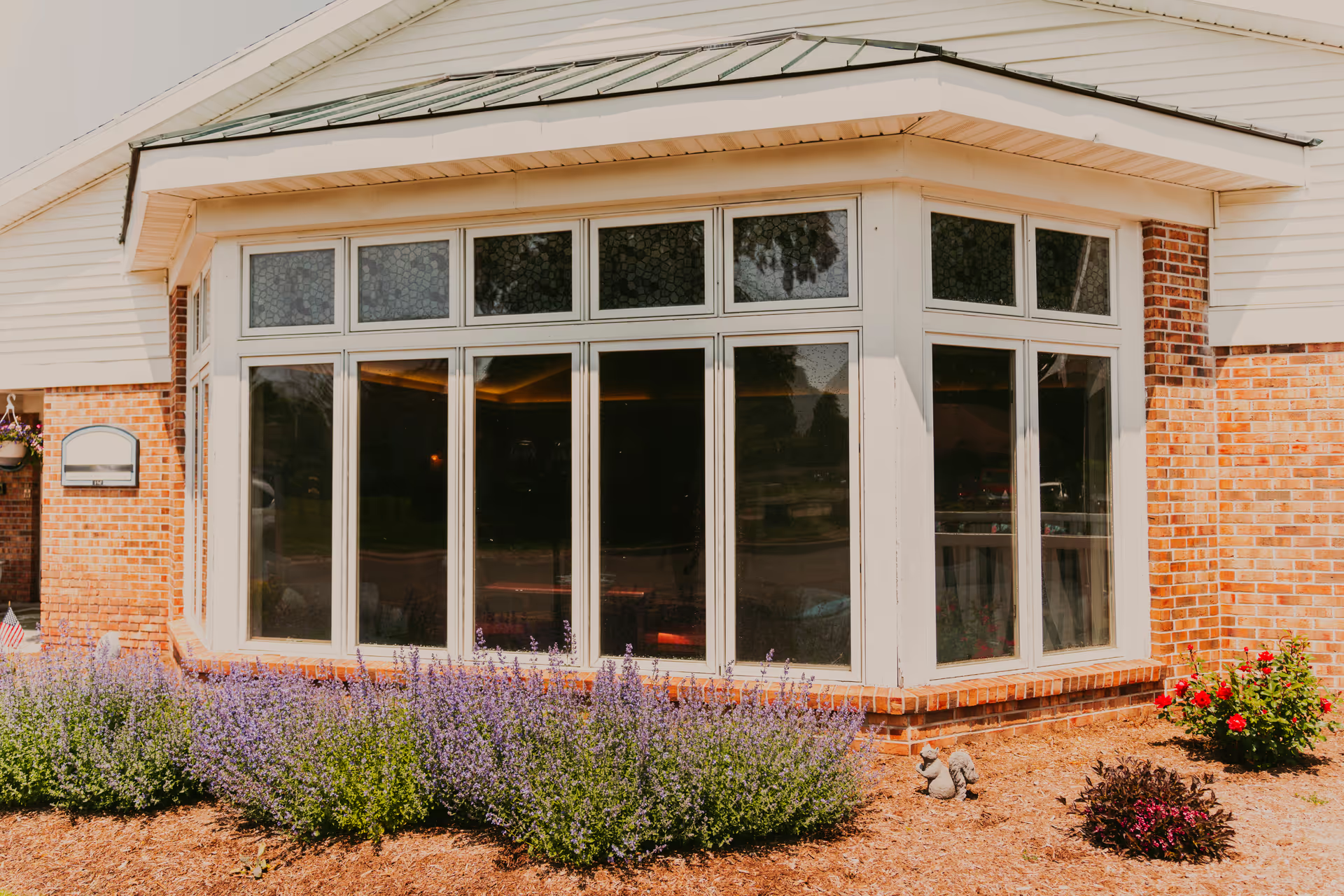
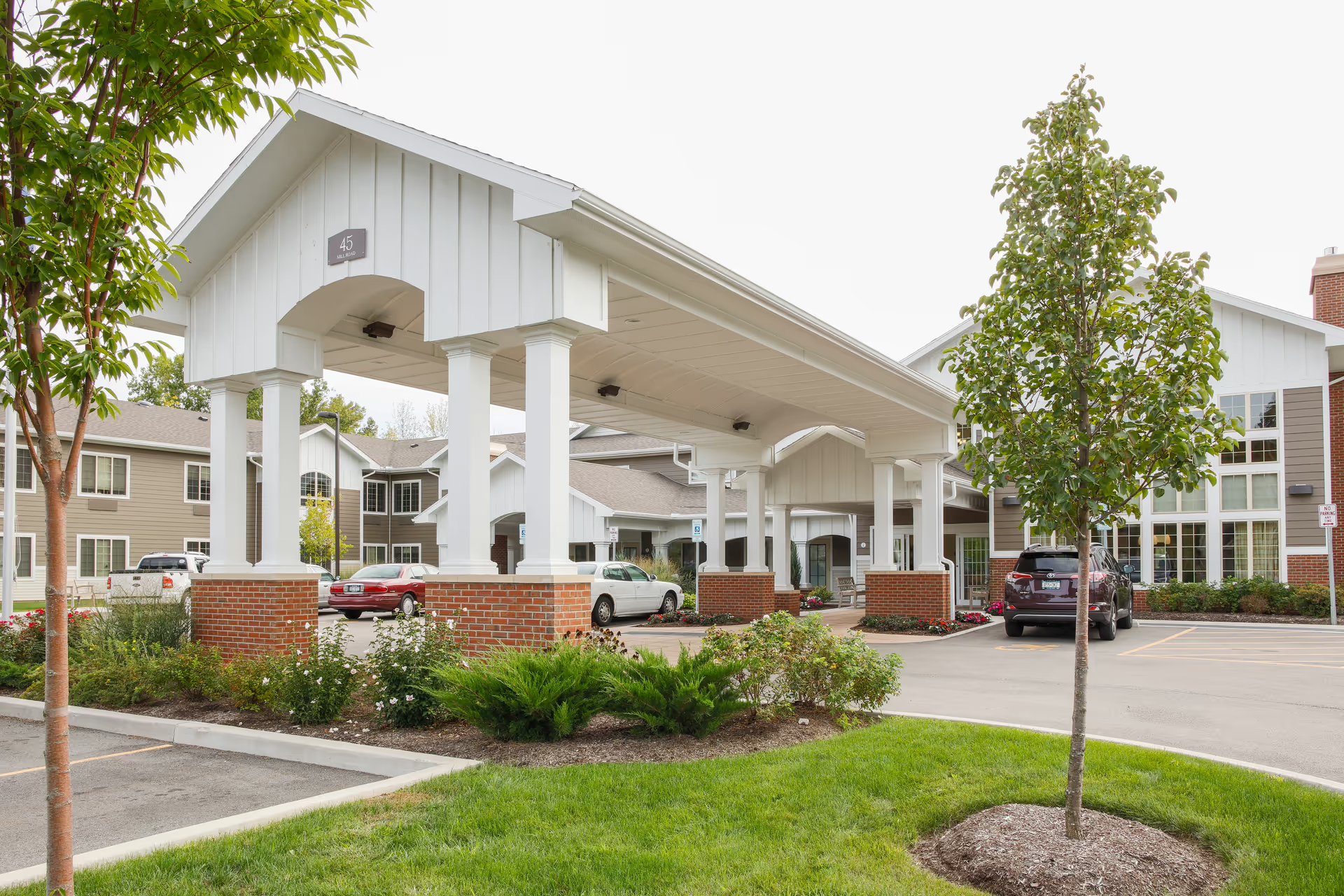
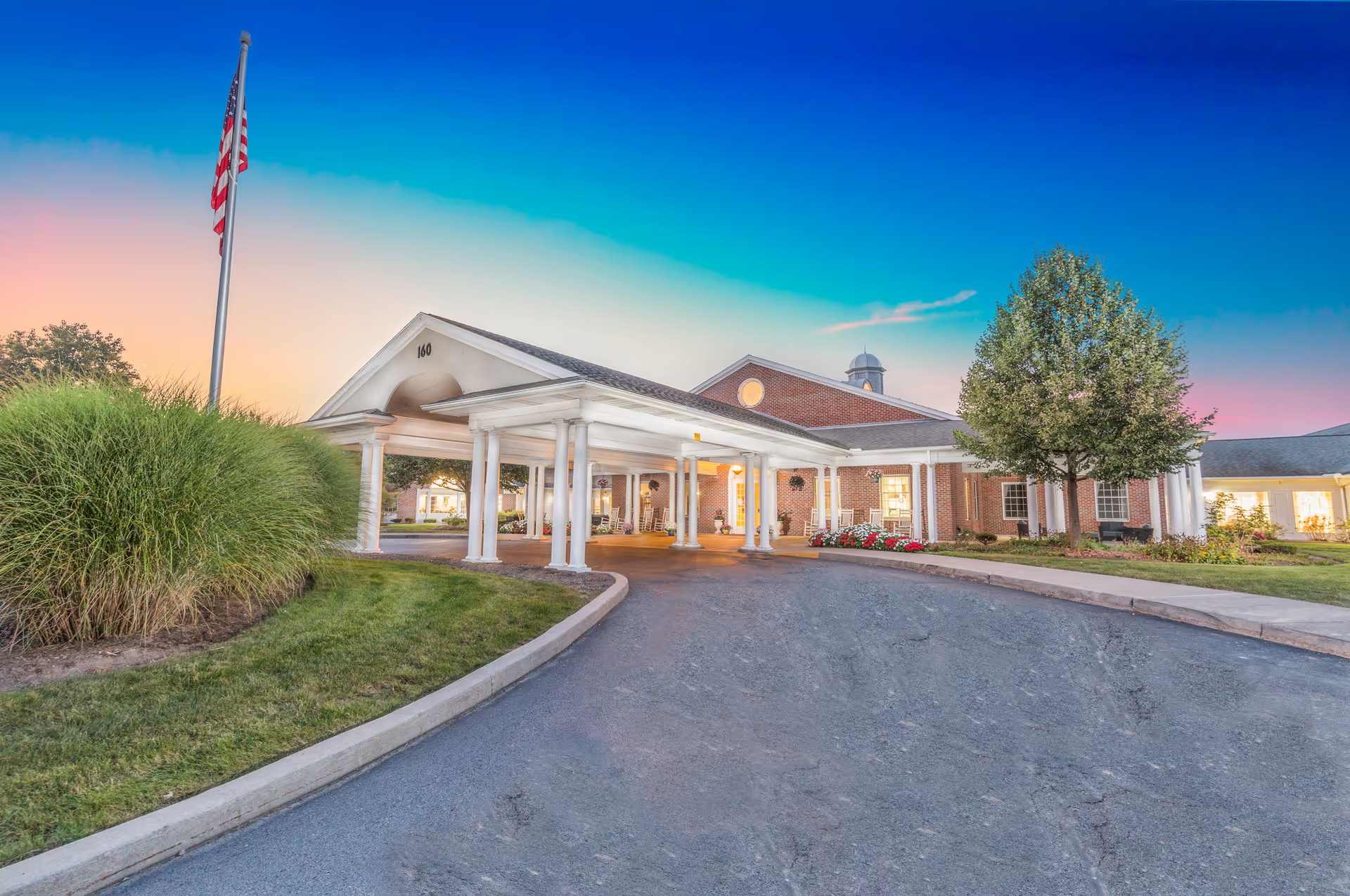
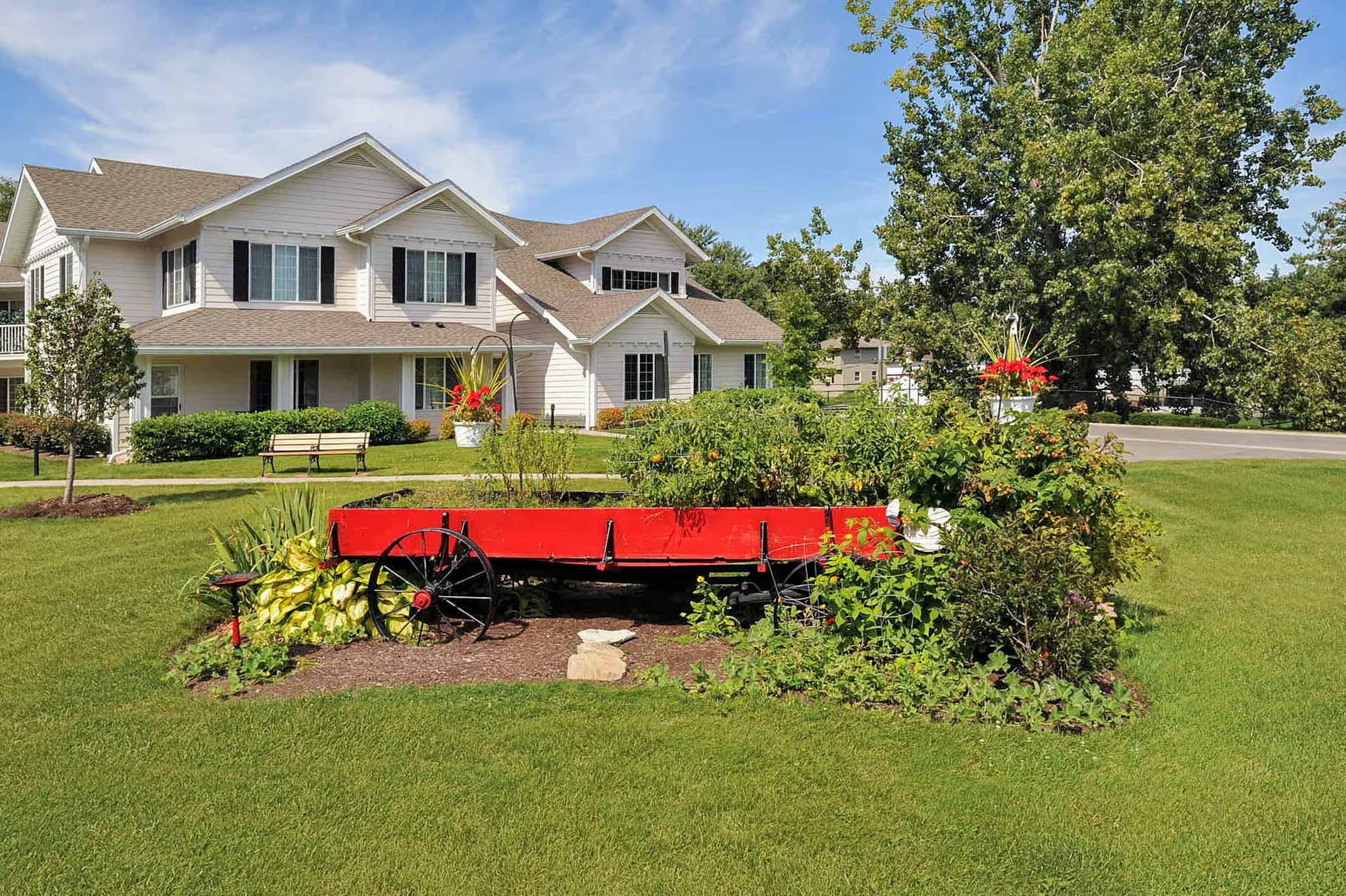
Dining and activities receive little specific commentary in the available summaries; there is limited information to assess program quality or consistency in these domains. Facilities are generally described as clean and well-maintained, which is a strength, but operational issues tied to staffing and supervision can affect the resident experience even in a physically sound environment.
Overall pattern: positive direct-care interactions and a maintained physical environment coexist with systemic operational challenges — chiefly inconsistent staffing, weaknesses in incident documentation and family communication, and procedural issues around incontinence care and post‑mortem/estate transitions. Prospective residents and families should consider confirming current staffing ratios and schedules, requesting copies of incident-reporting and fall-protocol policies, asking how personal property and estate matters are managed, and testing communication channels with management before making placement decisions.