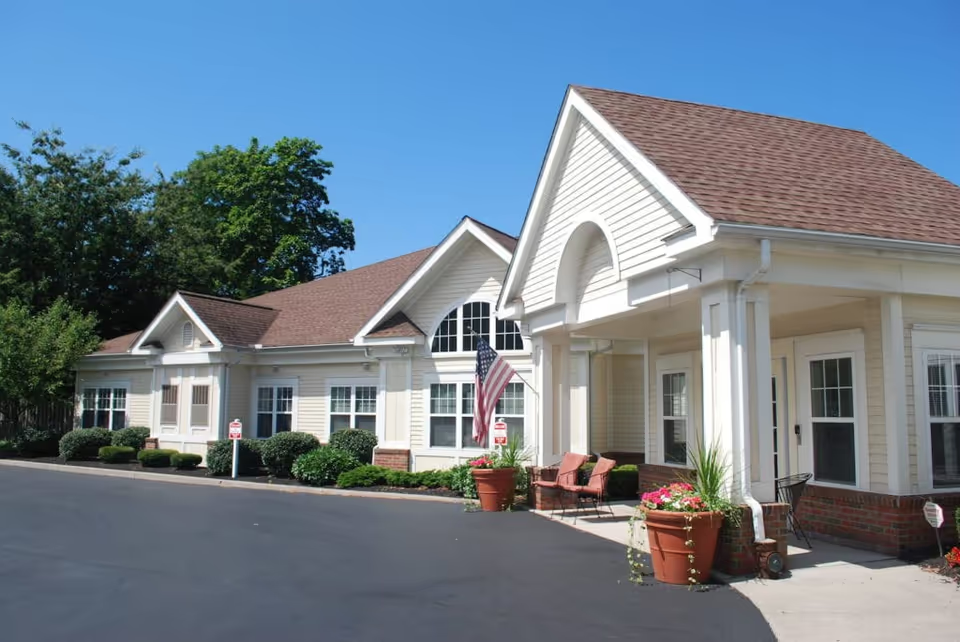
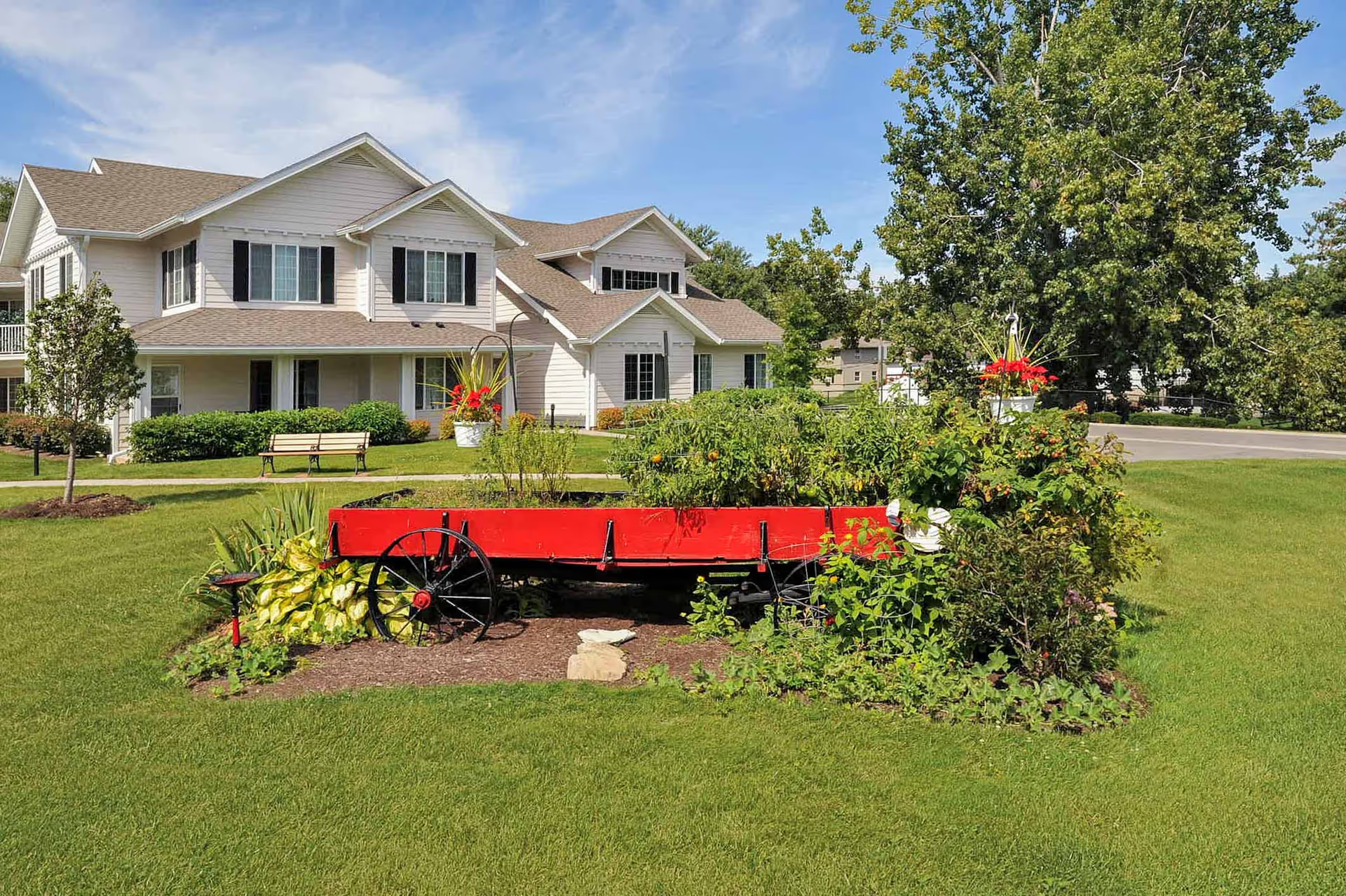
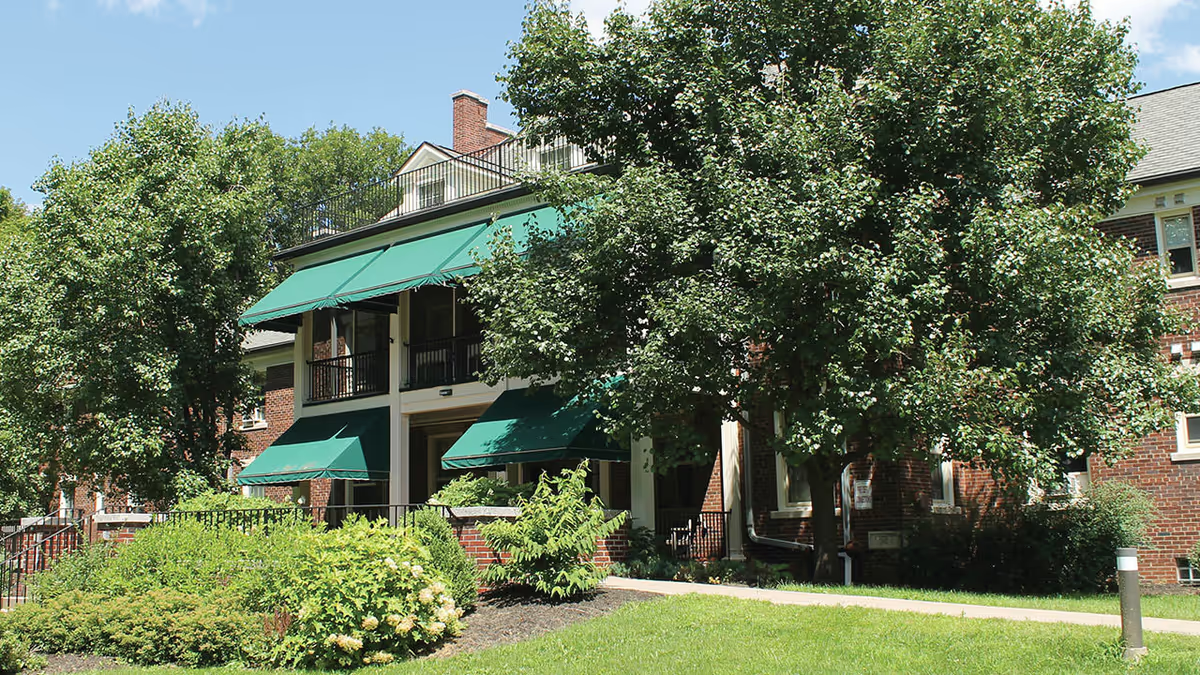
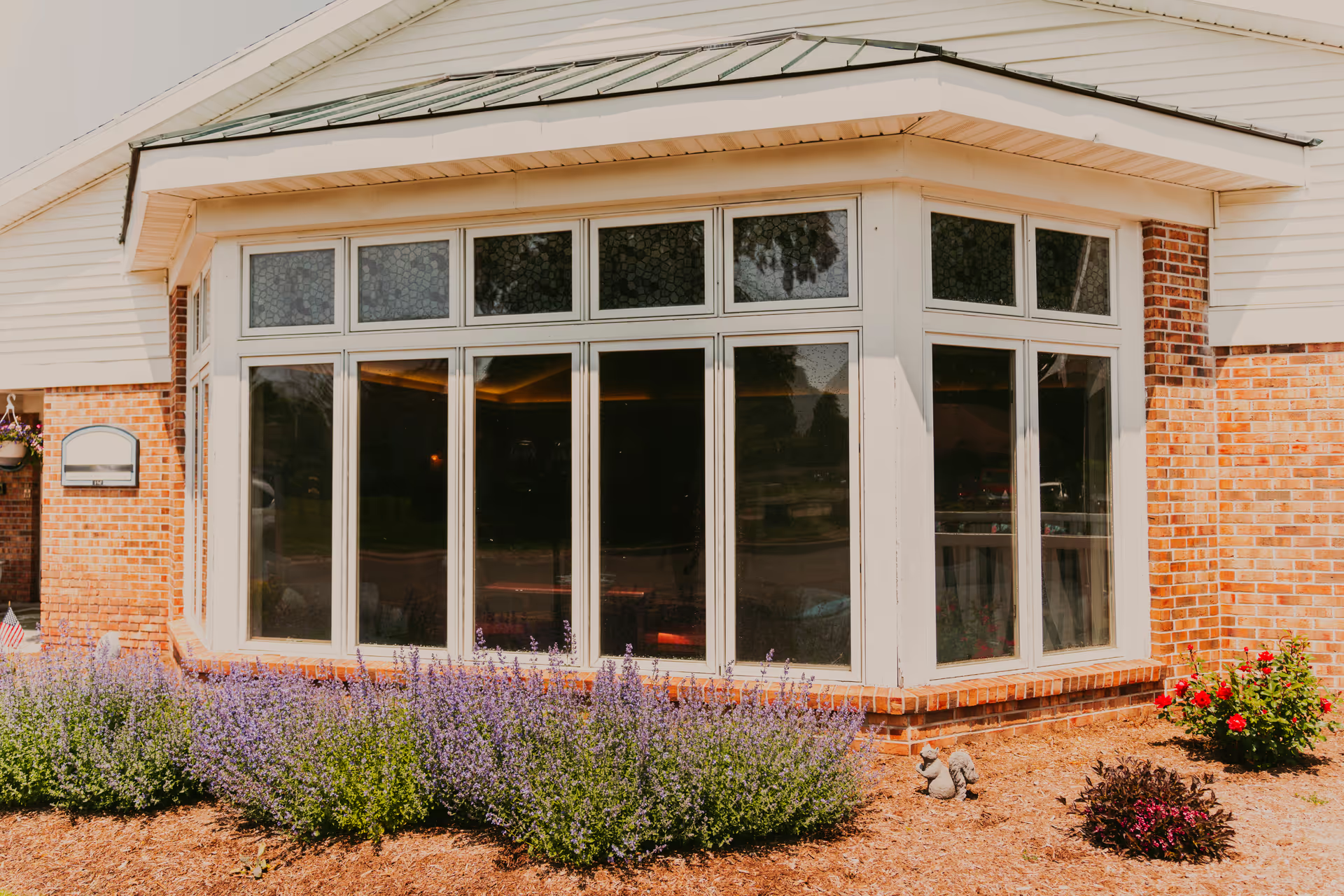
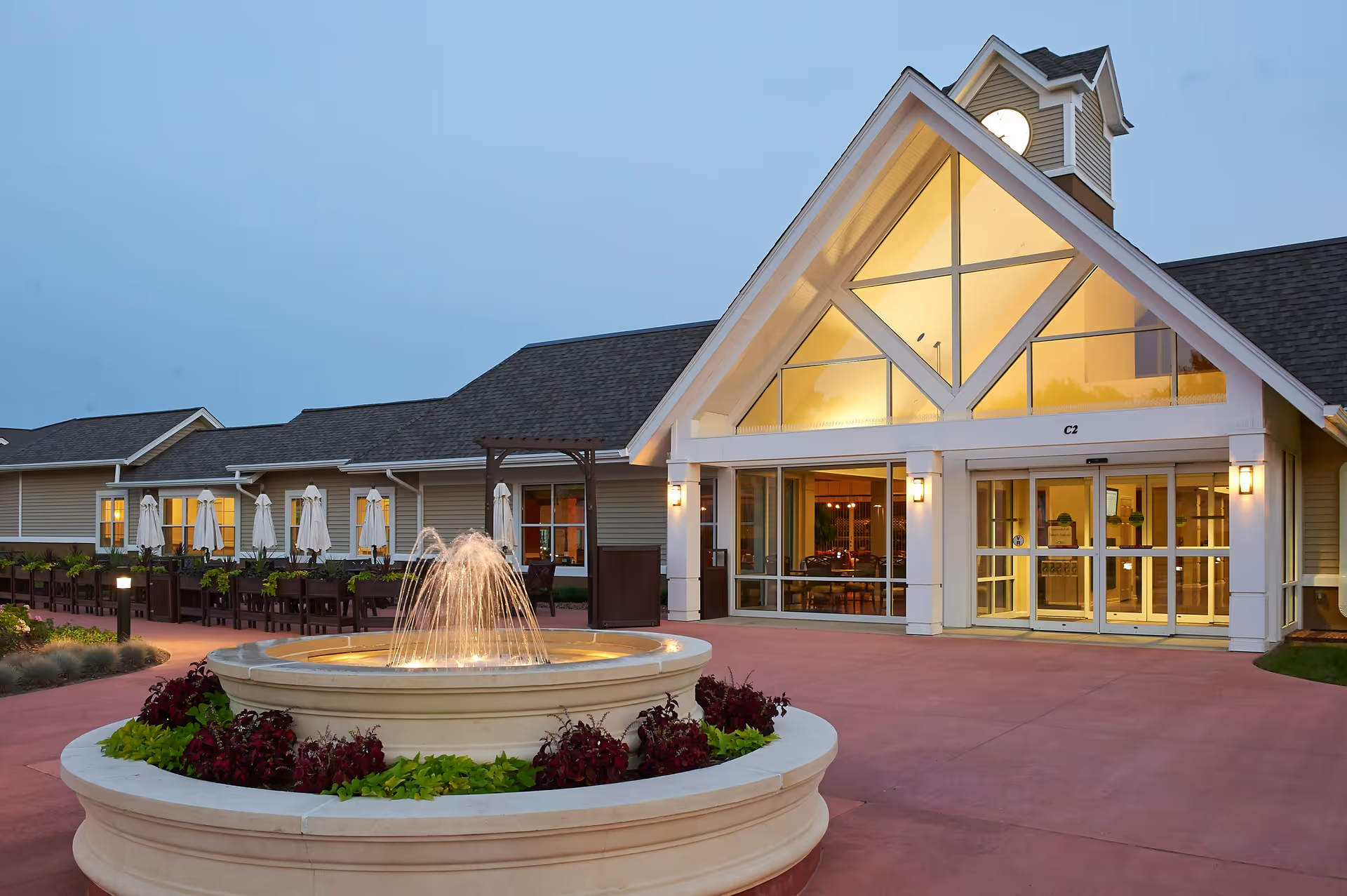
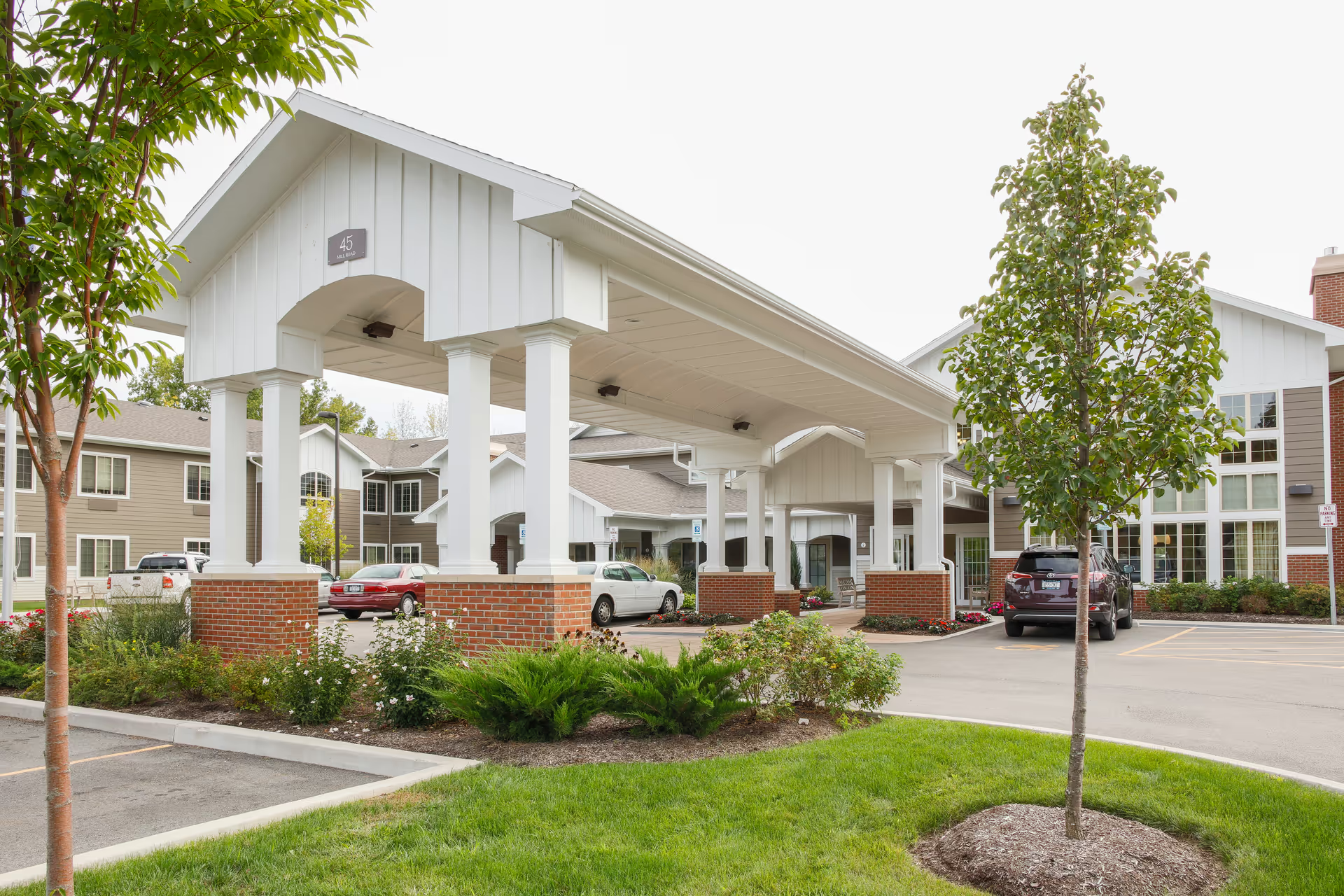
St. Ann's Community presents a mixed but well-defined profile. The campus, grounds and common spaces are frequently described as attractive, tranquil and well maintained; many reviewers highlight private rooms with private baths, renovated rehab space, a bistro and personal-care amenities (beauty shop), and an on-site Catholic chapel with pastoral support. The facility's multilevel model (independent living with services, assisted living, skilled nursing) and proximity to a major hospital are cited as practical advantages.
Clinical and caregiving experiences vary. Numerous accounts praise compassionate, knowledgeable nurses and devoted nurse aides, along with strong Life Enrichment programming, adult day services, and meaningful spiritual care. Several families emphasize positive hospice and end-of-life support and describe staff who form close, supportive relationships with residents. Conversely, recurring operational weaknesses undermine that positive picture: consistent themes include staffing variability and turnover, delays in responding to call bells, and uneven performance among frontline aides and CNAs. These dynamics are associated with concerns about timely assistance and the day-to-day consistency of care.
Dining and housekeeping present divergent impressions. Some reviewers report tasty, varied meals and well-kept dining areas; others describe inconsistent food quality and problems with meal temperature control and management of special-diet needs (notably for residents requiring diabetes-appropriate options). Housekeeping and sanitation are also inconsistent across accounts: while some floors are described as very clean and well cared for, other accounts raise sanitation and pest-control concerns and indicate variability in laundry and cleaning schedules.
Memory-care and safety are areas where families should exercise particular attention. Several reviews identify supervision gaps in memory-care units, including wandering and escape incidents, which point to operational issues in resident monitoring and unit staffing. Rehabilitation services are generally viewed positively by many families and some former patients who returned home, but there are also reports of variable therapy quality; prospective families may want to verify therapist credentials, schedules, and measurable therapy goals.
Management and communications show mixed performance. Some relatives report prompt, responsive administrators who address problems quickly; others describe poor communication, unanswered calls, and unclear processes around admissions, laundry responsibilities and technology outages that disrupt workflow. Pricing is described as relatively high by some reviewers, particularly when service consistency is uneven.
Overall, St. Ann's offers substantial strengths in environment, spiritual life, and in many caregiving relationships, with specialized programming and amenities that appeal to many families. At the same time, repeated operational themes — staffing instability, inconsistent housekeeping and meal-service controls, communication gaps, and memory-care supervision issues — warrant careful inquiry during a visit. Recommended steps for prospective residents and families: tour the specific unit of interest, ask about current staffing ratios and turnover, review infection-control and pest-control protocols, inspect recent housekeeping/cleaning schedules, discuss diabetic and therapeutic meal plans, and request specific supervision and safety procedures for memory-care residents.