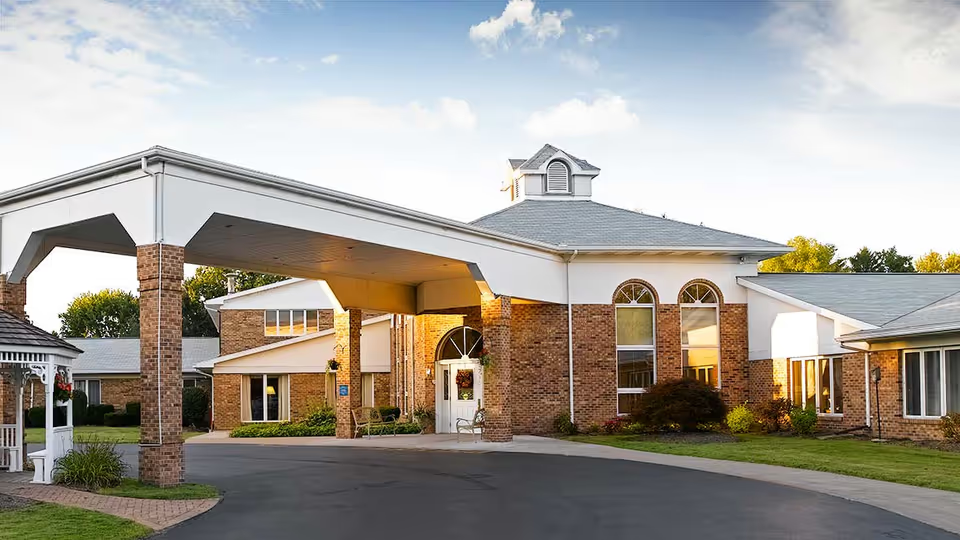
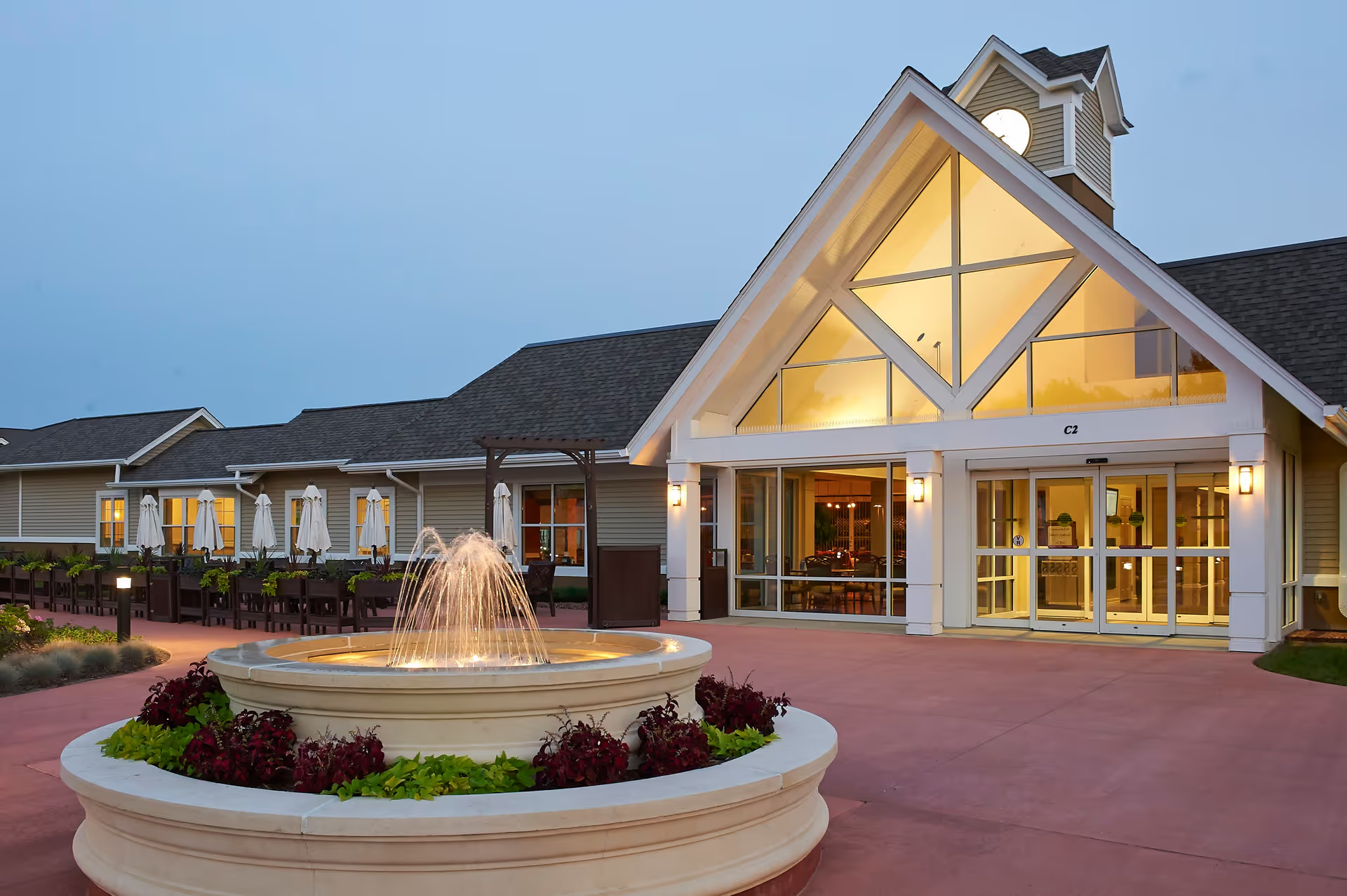
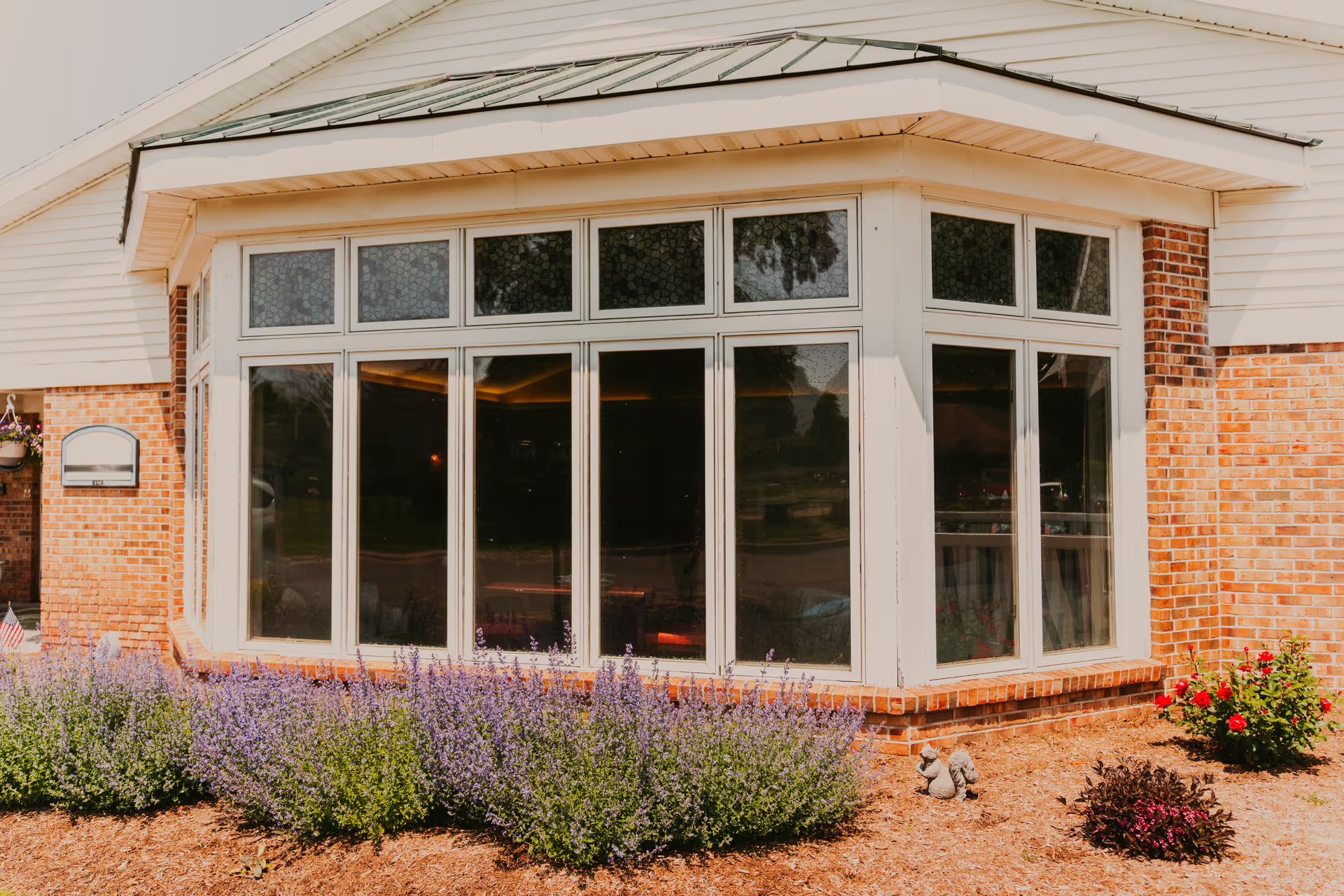
The collected reviews describe a facility with a distinct split between strong clinical/rehabilitative capability and a set of operational weaknesses that families should weigh. Strengths that recur include an effective rehab program (physical and occupational therapy), many compassionate nursing assistants and therapists, and generally pleasant resident rooms with natural light. Several commenters praised successful short-term recoveries, attentive therapy staff, a proactive social work team, and in-room conveniences such as TVs and laundry service. Activity programming is frequently characterized as energetic and engaging, with popular offerings like bingo and arts-and-crafts and an appealing, sunny dining area in the communal spaces.
At the same time, reviewers identified consistent operational concerns. Medication management and documentation appear inconsistent across shifts; families described dosing and timing errors and gaps in communication about medication changes. Staffing levels and workload were cited as ongoing problems that affect responsiveness and timeliness of care. Related safety issues include equipment and transfer practices that some families felt were inadequate, and instances of inconsistent hospice and end-of-life coordination were described. Communication with families and with outside providers (for example, during hospital transfers) was uneven, which contributes to anxiety around clinical decision-making.
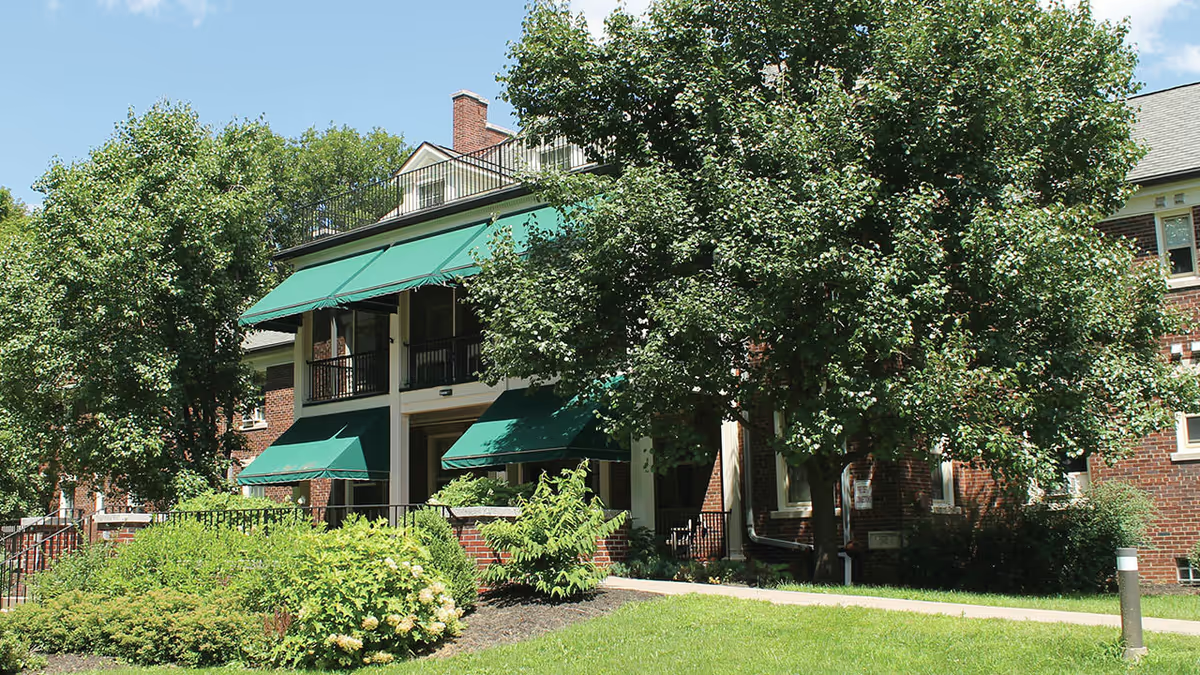
Dining and housekeeping present a mixed picture. The facility offers dietitian support and personalized menu options for some residents, and some reviewers found meals appetizing and adaptable to dietary needs. Others noted limited menu variety, inconsistent meal temperature/quality, and insufficient special-diet menu visibility. Cleanliness and pest-control were areas of concern in parts of the building: while some units and rooms were described as clean and well-maintained, other areas were characterized by sanitation issues and pest-control shortcomings. Several reviewers also described aging common areas, broken fixtures, and sections of the building that would benefit from renovation.
Management and organizational culture emerged as a recurring theme. Families described inconsistent messaging from leadership, billing and administrative frustrations, and signs of low staff morale tied to limited incentives or overtime without compensation. These systemic factors appear to contribute to variability in day-to-day resident experience: compassionate and skilled individual staff members often try to compensate, but structural problems — staffing, maintenance, communication, and documentation — result in uneven care quality.
For prospective residents and families: consider the facility’s strong rehabilitation services and the many staff members who provide attentive, person-centered care, while also evaluating operational areas that may affect safety, hygiene, and continuity of care. When touring or making placement decisions, ask for specifics about medication-administration protocols, staffing ratios and turnover, pest-control and housekeeping schedules, special-diet menu offerings, roommate-placement procedures, and recent maintenance or renovation plans. Request examples of family communication practices around clinical changes and hospital transfers, and seek written clarification on billing and financial policies before committing.