The reviews present a strongly polarized portrait of Waterview Heights Rehabilitation and Nursing Center. Many families and visitors highlight genuinely positive elements: robust rehabilitation and therapy teams, caring nursing assistants, individualized attention from particular staff members, and active engagement programming. Several reviewers singled out named staff for particularly attentive support and described pleasant interactions with therapy and social-work personnel. Facility features cited positively include large resident rooms and a courtyard that can be used for supervised outdoor time.
At the same time, a consistent set of operational concerns emerges across reviews. Staffing levels and consistency are a recurring theme; reviewers described frequent shortages, long staff-to-resident assignments, and variability between shifts. Those staffing pressures appear to correlate with clinical and comfort issues cited by families: inconsistent medication administration and monitoring, delays in basic hygiene care and repositioning, and gaps in timely clinical escalation when a resident’s condition changed. Reviewers also raised safety-related patterns, including problems with transfer and fall-prevention practices and limited clinical oversight during acute events.
Dining and nutrition experiences are described inconsistently. Some families praised plentiful meals and effective feeding assistance, while others reported missed or late trays, food served at suboptimal temperatures, and instances of insufficient assistance during meals. The pattern suggests variability in kitchen and caregiving coordination, rather than a uniform dining program standard.
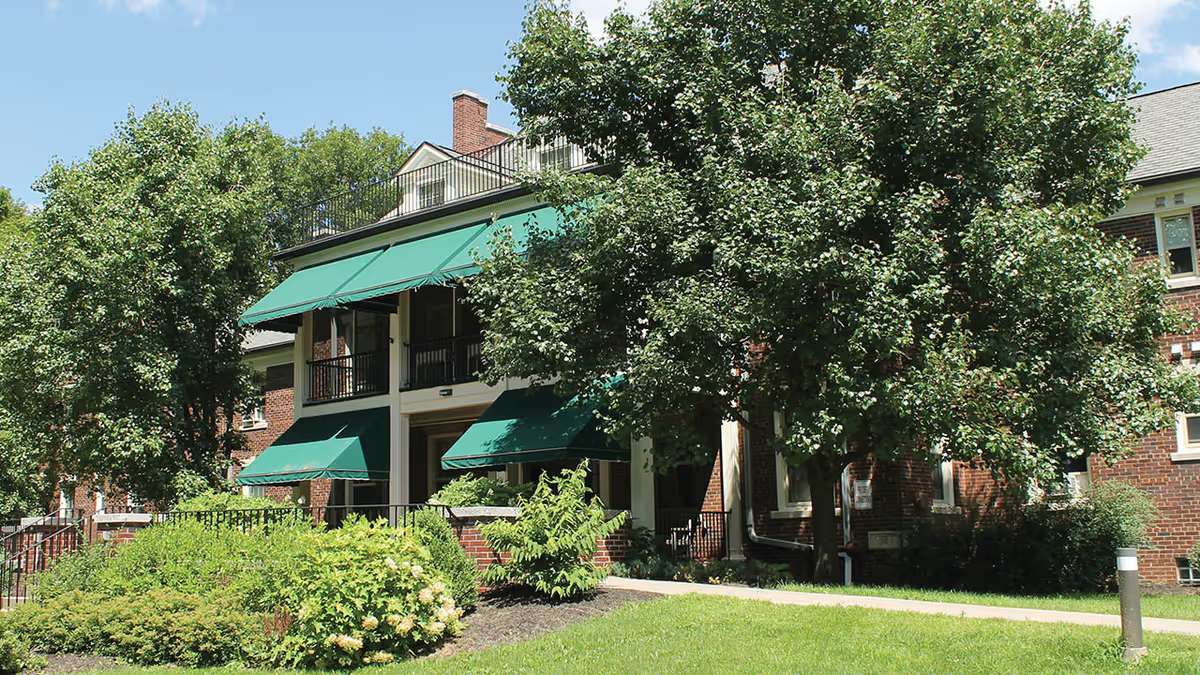
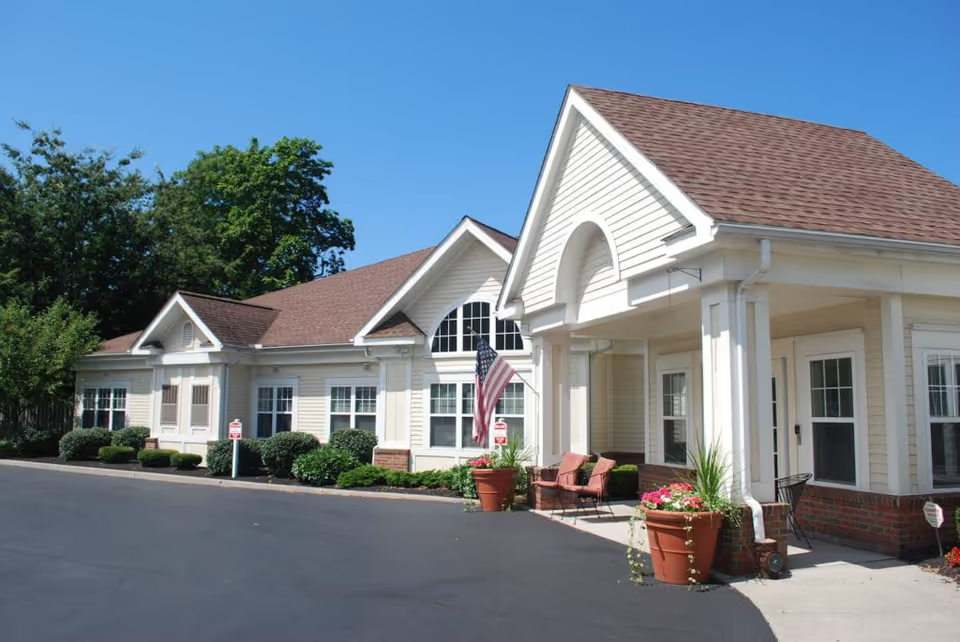
Facility condition and housekeeping are another divisive area. Several accounts describe an aging, run-down physical plant with deferred maintenance needs; others reported clean, well-kept units. However, sanitation concerns and odor issues in some rooms and common areas recur repeatedly, as do reports of sporadic shortages of linens and washcloths. The courtyard and outdoor space are assets but were noted to require staff supervision to be used safely.
Management, communication, and administrative practices draw mixed commentary. Positive interactions with individual administrative staff were described, but many families reported poor communication around care updates, discharge planning, and post-incident follow-up. There are also serious allegations related to property management and power-of-attorney handling; those items are more episodic but significant and have contributed to calls for external review. In addition, some reviewers expressed concern about inconsistent training and conduct standards among staff, and about reception and customer-service interactions.
For prospective residents and families: the facility appears to offer strong therapy programs and several committed frontline caregivers, but it also exhibits persistent operational weaknesses that can affect day-to-day care and safety. If considering admission, a focused visit is advisable: ask about current staffing ratios, medication-administration protocols and oversight, infection-control and sanitation procedures, linen and laundry processes, fall-prevention and transfer policies, meal-service schedules, and how the facility handles family communication and incident escalation. Reviewing recent state inspection reports and speaking directly with the therapy and nursing leads about individualized care plans will help clarify whether the facility’s strengths match a particular resident’s needs.