Reviews of Staten Island Care Center present a polarized picture: several families and former residents describe strong rehabilitation outcomes and individual staff members who provided attentive, compassionate care, while other accounts identify persistent operational weaknesses that affect daily living and clinical reliability.
Care and clinical services: The facility's rehabilitation and therapy teams receive consistent praise for measurable recovery and motivated therapy staff. Many reviewers credited therapists and certain nurses with helping residents regain mobility and return home. At the same time, there are repeated concerns about inconsistent nursing care quality — particularly across different shifts — including delays in responding to urgent needs, gaps in medication communication, and variable attention to basic hygiene and bedding schedules. These patterns suggest variability in clinical responsiveness and supervision rather than a uniformly reliable standard of nursing practice.
Staff and culture: Numerous comments highlight friendly, compassionate, and helpful frontline staff, reception personnel, and specific caregivers. However, staffing levels and workload constraints were frequently cited as a root cause of problems: reviewers described slower service at night, long waits during shift changes, and staff who appeared overextended. There are also comments about inconsistent accountability and coordination between departments, meaning families often felt the need to advocate proactively for routine care tasks.
Dining and nutrition: Meal service elicited mixed reactions. Some reviewers found the dining area pleasant and meals acceptable, while others described routine issues with food temperature, limited menu variety (frequent repetition of similar entrees), poor presentation, and lack of beverage or fruit options. These operational inconsistencies contributed to visible waste and dissatisfaction for some residents.
Activities and engagement: Activity programming receives both positive and negative notes. There are examples of engaging group activities and staff who involve residents in social events, but several families reported limited outdoor time, insufficient individualized stimulation, and an overall need for more diverse or frequent programming for residents who require greater engagement.
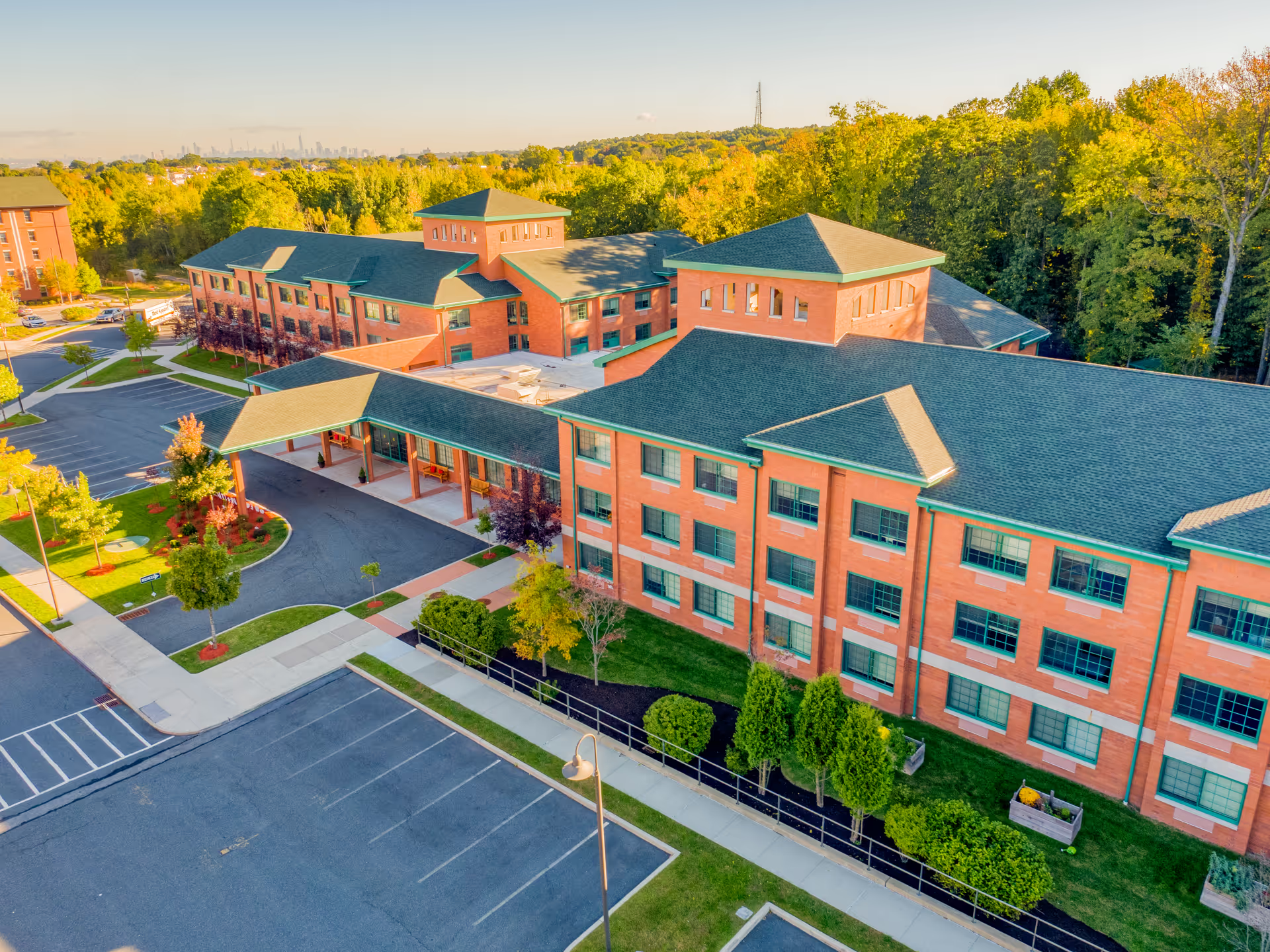
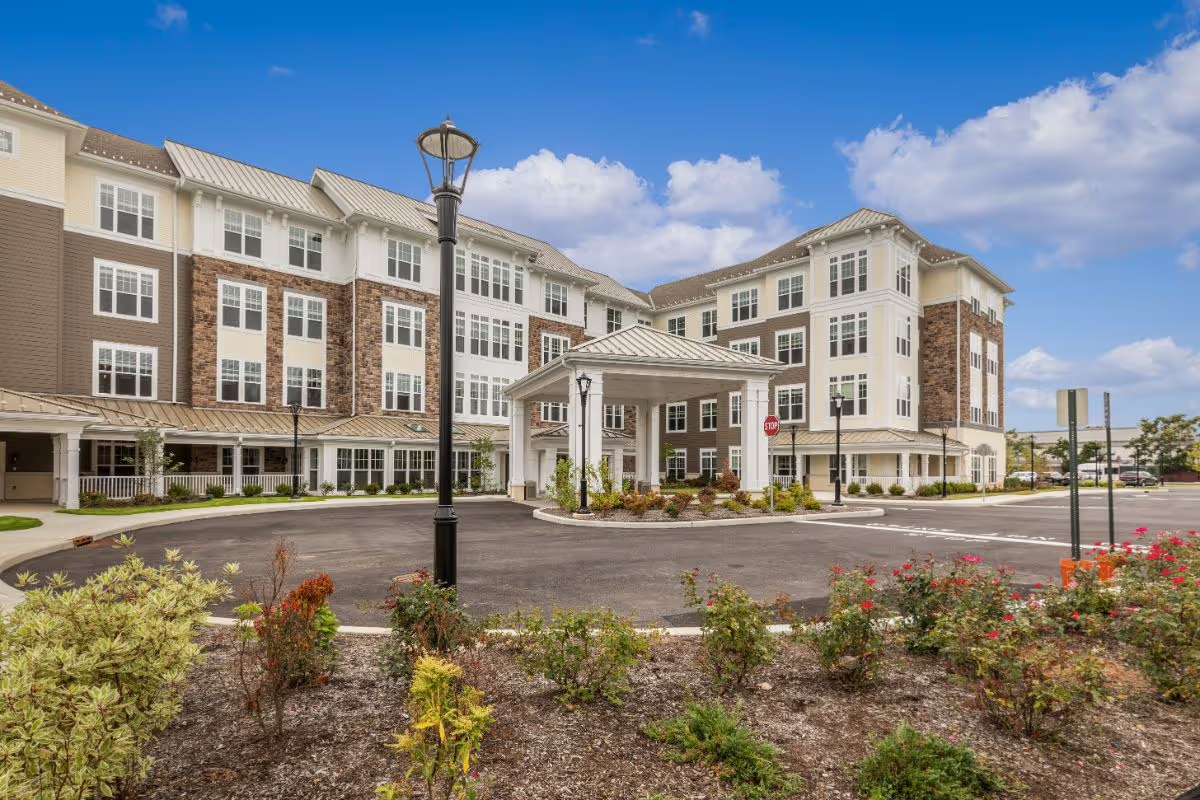
Facility condition and logistics: Many reviewers praise clean, modern rooms and a pleasant, secure environment in parts of the building. Conversely, other accounts point to housekeeping inconsistencies, odor concerns in common areas, infrequent bedding changes in some instances, and occasional supply shortages for basic care products. Shared rooms and crowding were noted as privacy limitations for some residents.
Management and patterns to monitor: The overall pattern is one of uneven performance: strong pockets of clinical and interpersonal excellence exist alongside recurring operational challenges tied to staffing, supply management, and supervision. Families considering this facility may find it well suited for focused rehabilitation stays when therapy teams are available, but should proactively confirm staffing levels, bathing and toileting schedules, medication communication protocols, meal-service standards, and room-assignment/privacy arrangements. Engaging with the social-work team and monitoring during different shifts can help identify whether the facility’s strengths are consistently available for a given resident.