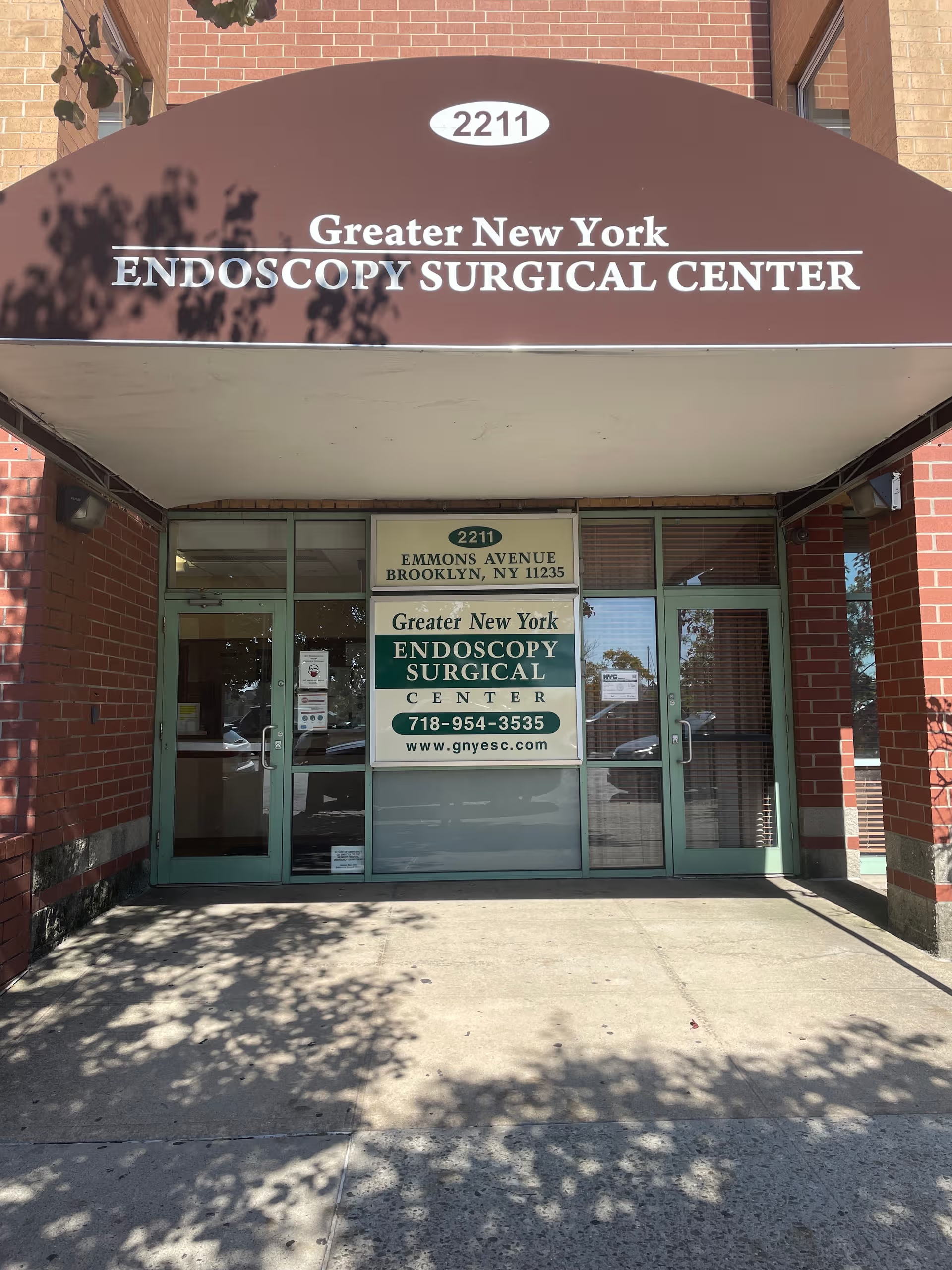
The reviews for this facility are highly polarized, with distinct clusters of positive and negative experiences. On the positive side, many families and residents describe compassionate front-line caregivers — particularly nursing assistants, therapists, and some nursing and physician staff — who provide attentive day-to-day care, help residents regain function in rehabilitation, and coordinate effectively with equipment vendors. Admissions and social-work staff are frequently singled out as supportive and helpful during transitions, and multiple accounts describe successful therapy outcomes, timely DME coordination, and rooms that are cleaned and maintained at the unit level.
Conversely, a substantial set of reviews identifies systemic operational weaknesses. Chief among these are inconsistent staffing levels and coverage that reviewers associate with delays in personal care, meal delivery, and clinical response. Multiple comments point to concerns about staff conduct and communication tone, as well as leadership responsiveness — families describe difficulty reaching managers by phone and inconsistent follow-through on escalation. Several reviews describe gaps in clinical monitoring and timely escalation to higher levels of care; these accounts raise concerns about nutrition/hydration management, wound/pressure-injury surveillance, and the process for arranging transfers or higher-acuity interventions.
Facility infrastructure and supplies are recurring themes. Reviewers describe aging building systems, water-intrusion or flooding events, and general maintenance needs that affect the resident environment. Relatedly, several accounts cite supply and equipment shortages for direct-care staff and inconsistencies in housekeeping or common-area sanitation. Dining and activity programs appear uneven: some residents report meaningful rehabilitation and social engagement, while others report limited recreational programming and interrupted meal-service continuity that requires family supplementation.
Management and governance are areas of mixed feedback. Positive notes highlight individual leaders and staff who are communicative, hands-on, and effective; negative notes emphasize perceived unprofessional conduct by some supervisors, inconsistent care-planning meetings, and at least a few serious allegations involving personal property and financial handling. Taken together, the pattern suggests notable variability by shift, unit, and individual caregiver: prospective residents and families may encounter high-quality, empathetic care in some instances, and operational or clinical lapses in others. For decision-making, families should consider visiting during several times of day, asking about staffing ratios and care-plan/communication practices, and verifying the availability of specific rehabilitation and nursing services important to their loved one.