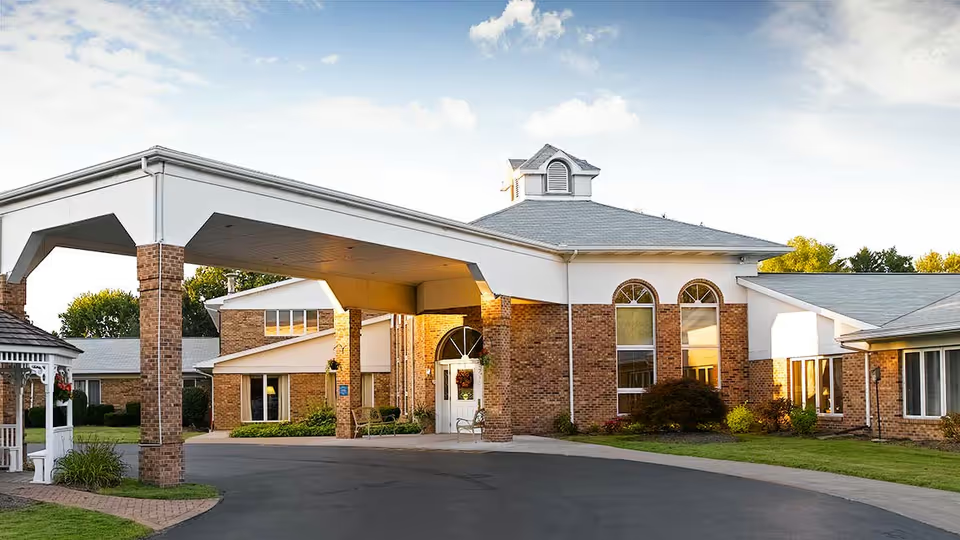
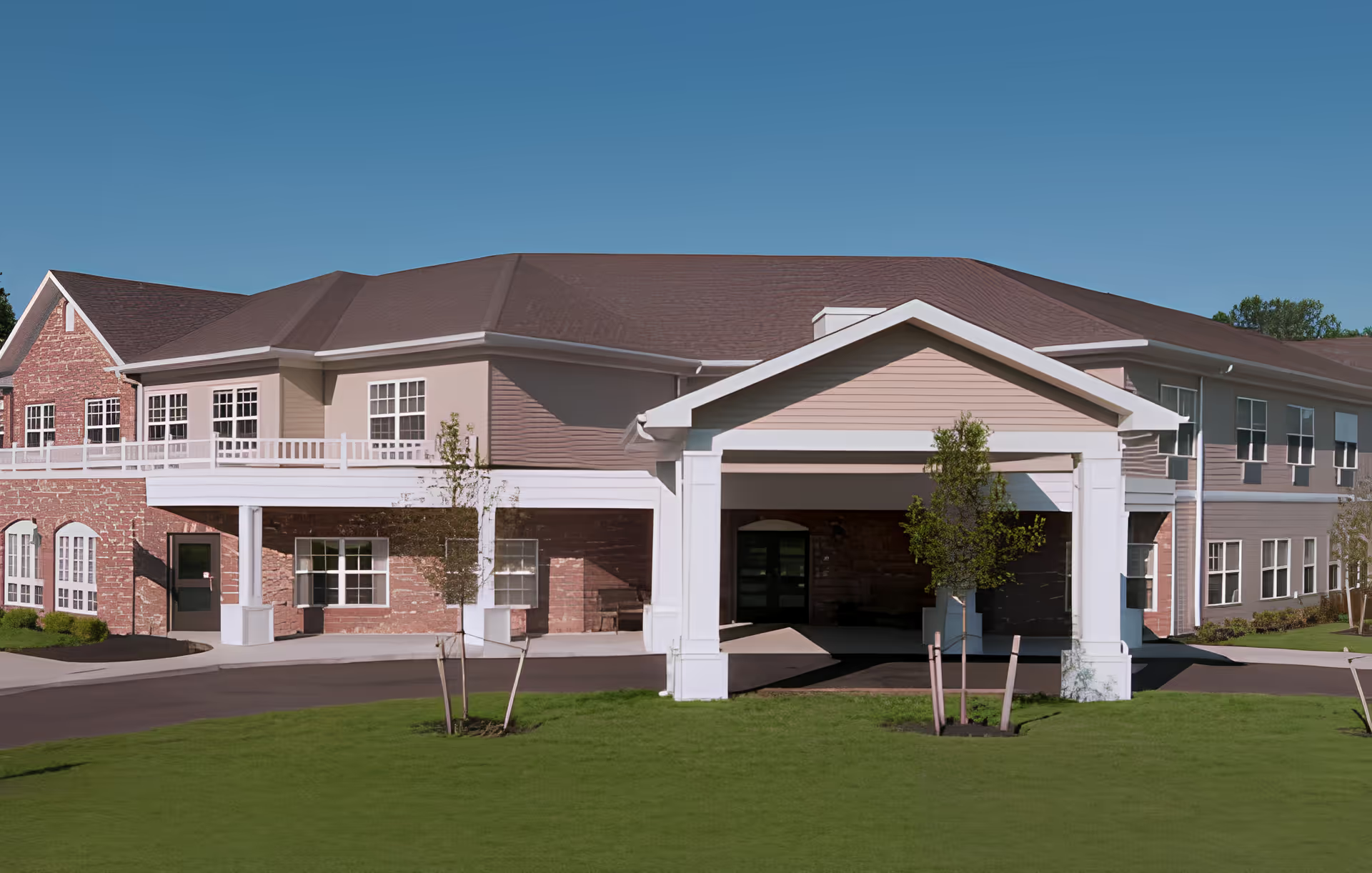
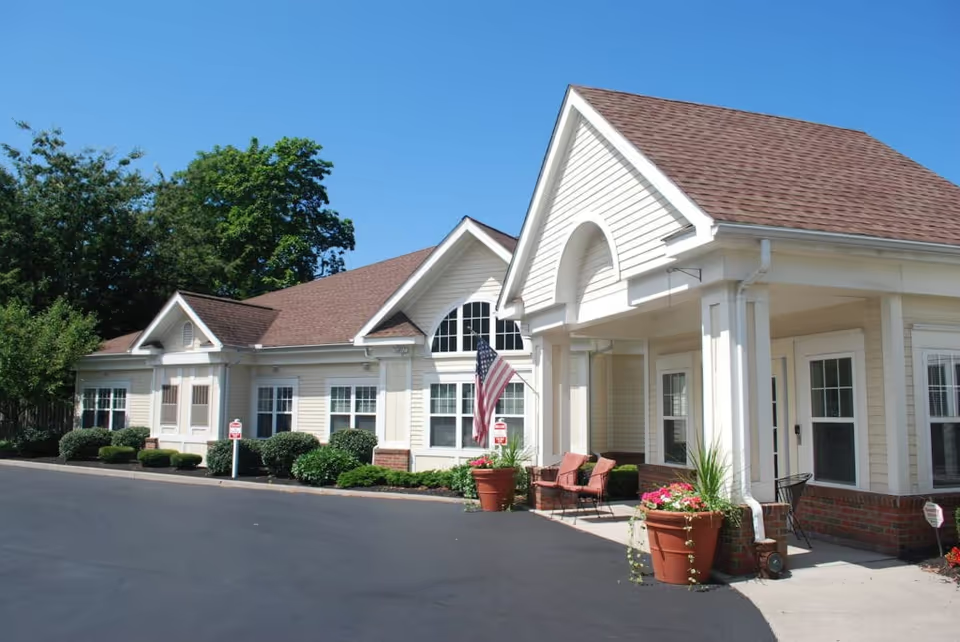
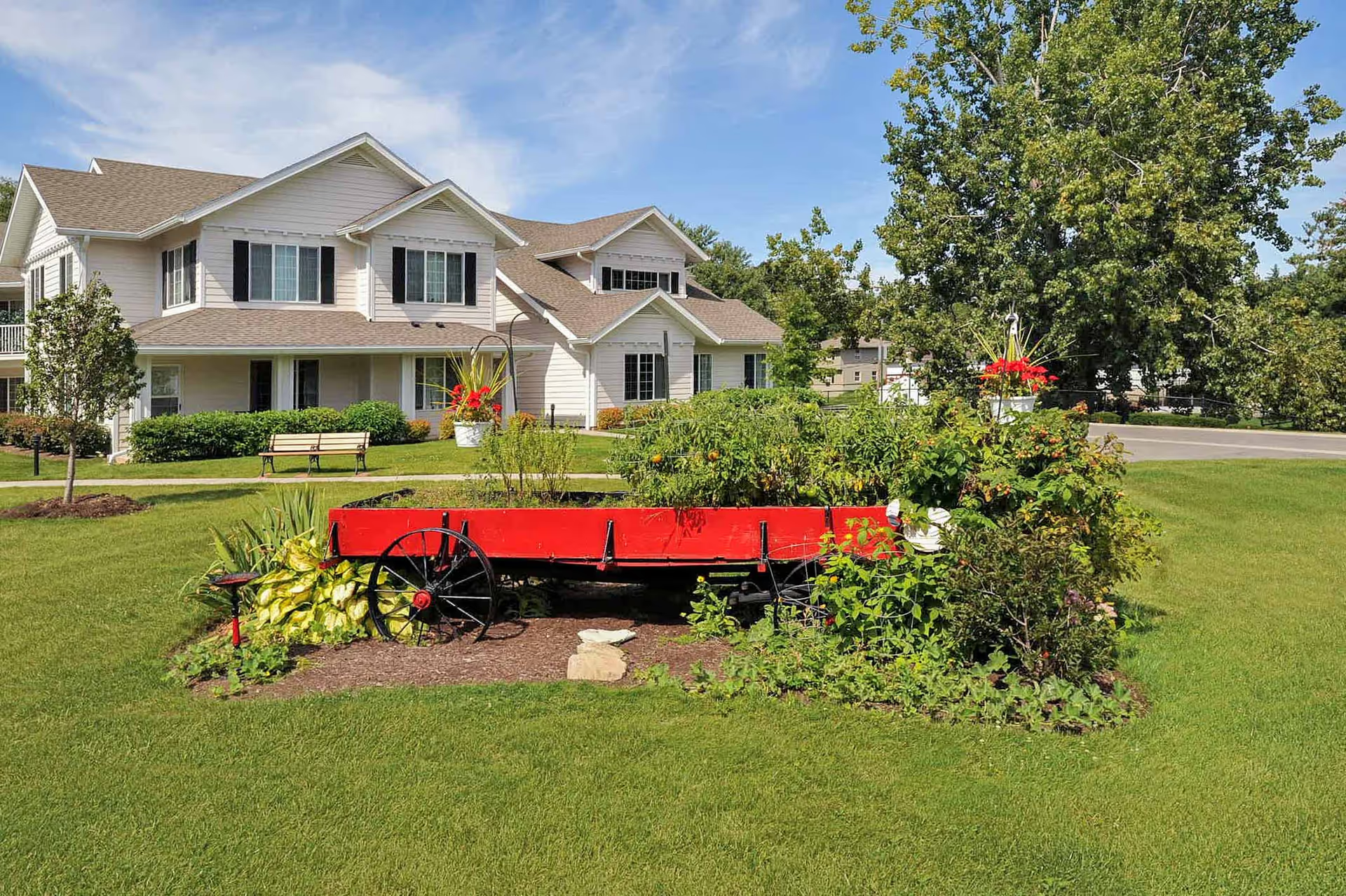
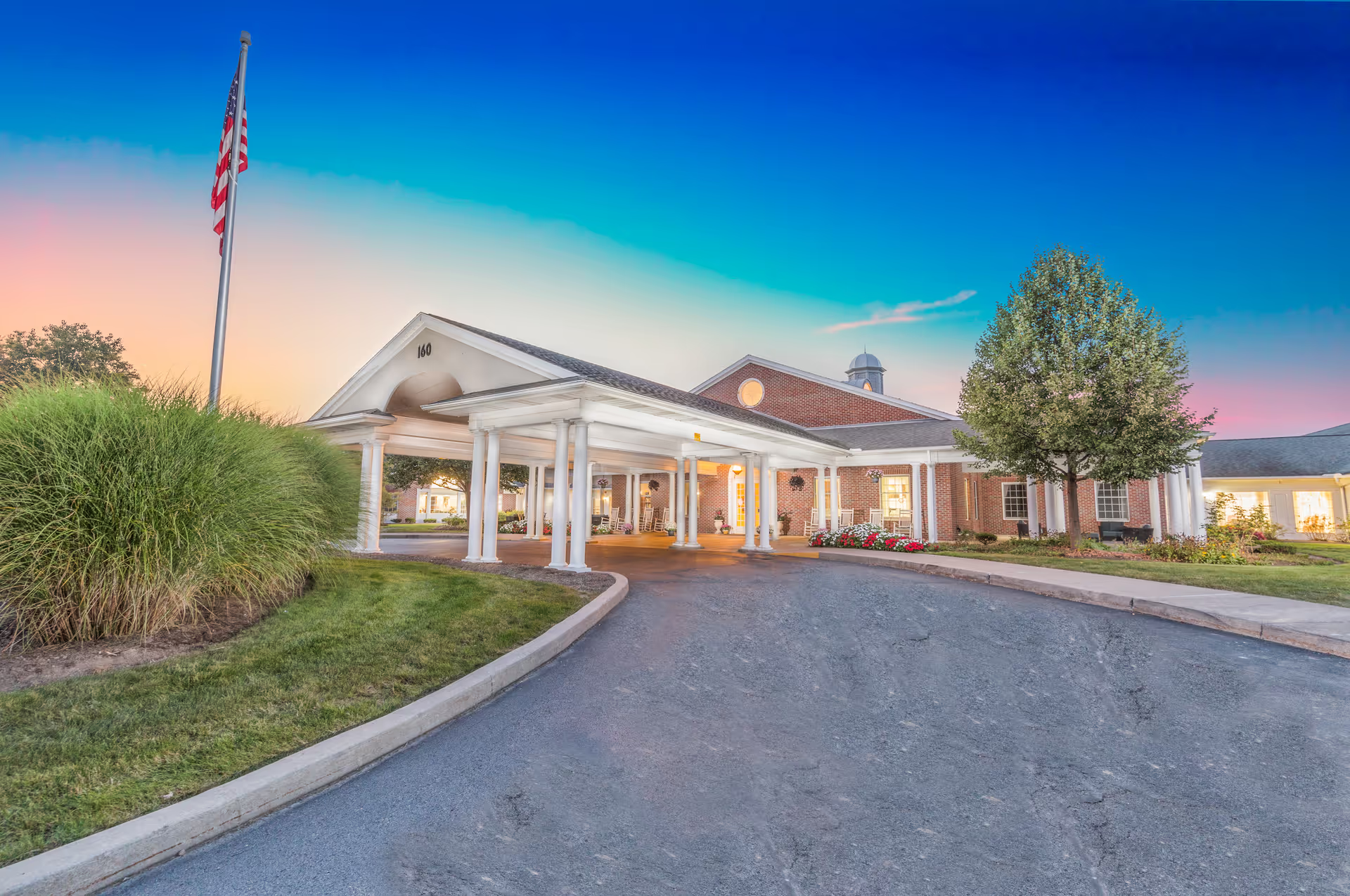
Reviewer impressions of Cherry Ridge are mixed but point to several consistent strengths and recurring operational weaknesses. Strengths most frequently described include a warm, resident-focused culture led by staff who are often characterized as compassionate and attentive. The community offers on-site clinical access, including primary medical and dental services, and a dedicated memory-care program with a defined memory room. Short-term rehabilitation services and a well-regarded rehab team are also frequently noted. The campus is described as modern and well maintained, with attractive independent-living cottages and apartments, in-unit laundry, single-floor circulation, and amenities such as a chapel, indoor pool, gift shop, and transportation services. Prospective residents commonly praise the admissions and marketing staff for being responsive and helpful during transition and onboarding.
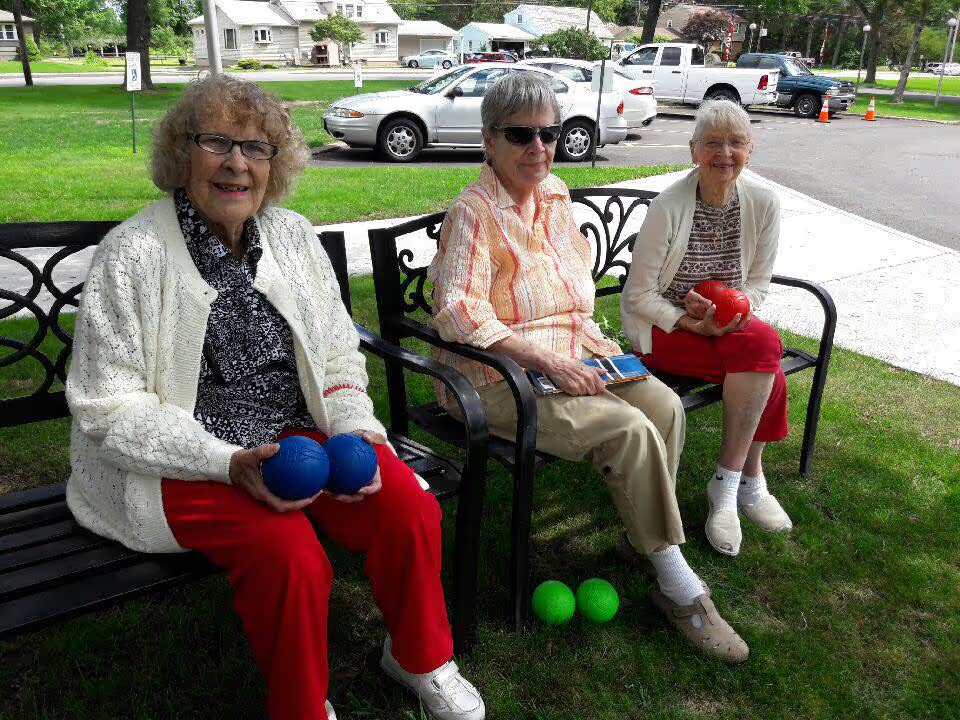
Dining and activities are generally considered strong points. Many reviewers highlight high-quality, flexible dining with a varied menu, the ability to request special meals, and servers who build rapport with residents. The activity program is broad and active — examples include walking groups, exercise classes, arts and crafts, outings, music and performance events, and social meals — contributing to a purposeful social environment. Facilities upkeep, recent renovations, and clean, attractive common areas receive positive mention across multiple accounts.
Despite these positives, there are notable and recurring operational concerns. Accounts indicate inconsistent clinical care quality across units and shifts, with particular problems described on weekends and when substitute staff are present. Staffing variability and turnover appear to affect responsiveness, timeliness of call-button responses, and the consistency of personal-care routines. Reviewers also raised sanitation and incontinence-care concerns and cited instances that suggest gaps in medication management and in protocols for fall prevention and post-fall response. These issues have translated for some families into delayed follow-up with outside clinicians and missed appointments with visiting providers.
Capacity and care-continuum issues are another pattern. Some reviews indicate limited availability of higher-acuity assisted-living and skilled-nursing accommodations on campus, which can create longer waits or transfers outside the local community; marketing materials were perceived by some families as overstating the on-campus continuum of care. Operational details such as meal temperature and delivery reliability are inconsistent in certain cases, and a subset of reviewers raised concerns about personal-property security. Finally, cost structure and buy-in requirements for some assisted-living options were described as substantial, which is an important consideration for families comparing options.
Taken together, Cherry Ridge presents as a community with strong amenities, engaging programming, and many staff members and teams who deliver thoughtful service. However, the facility shows variability in core elements of long‑term clinical operations: staffing consistency, sanitation and personal-care routines, medication controls, and capacity for higher-acuity care. Families considering Cherry Ridge should weigh the community’s social, dining, and rehabilitation strengths against these operational risks; a focused tour should include conversations about staffing ratios and weekend coverage, specific medication and fall-prevention protocols, sanitation oversight, and the availability of higher-acuity units or transfer pathways.