Overall sentiment in the reviews is mixed but leans positive for the facility’s physical environment, social programming, and many of the frontline staff — while showing significant and recurring concerns about management responsiveness, staffing stability, and serious safety-related allegations in memory care.
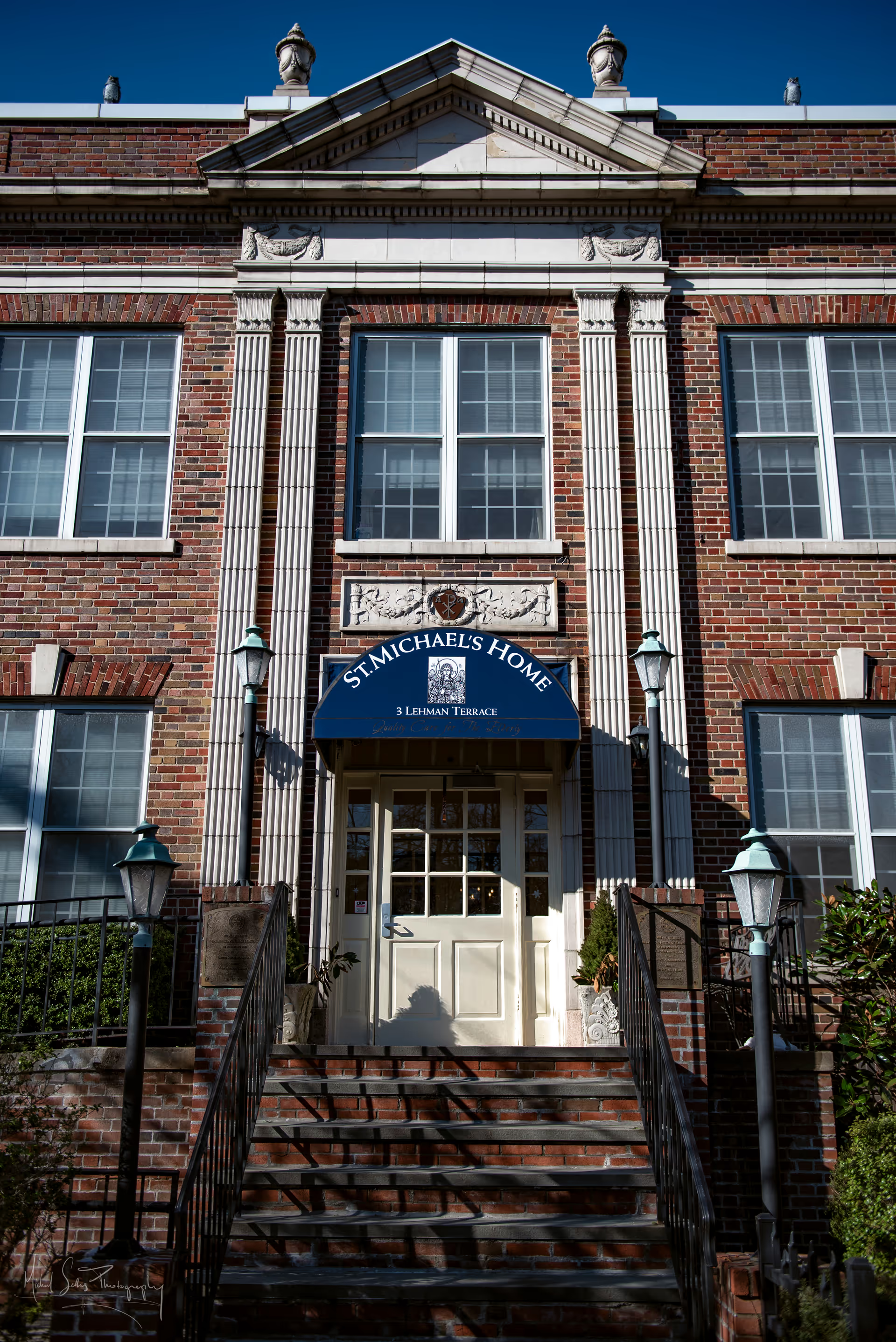
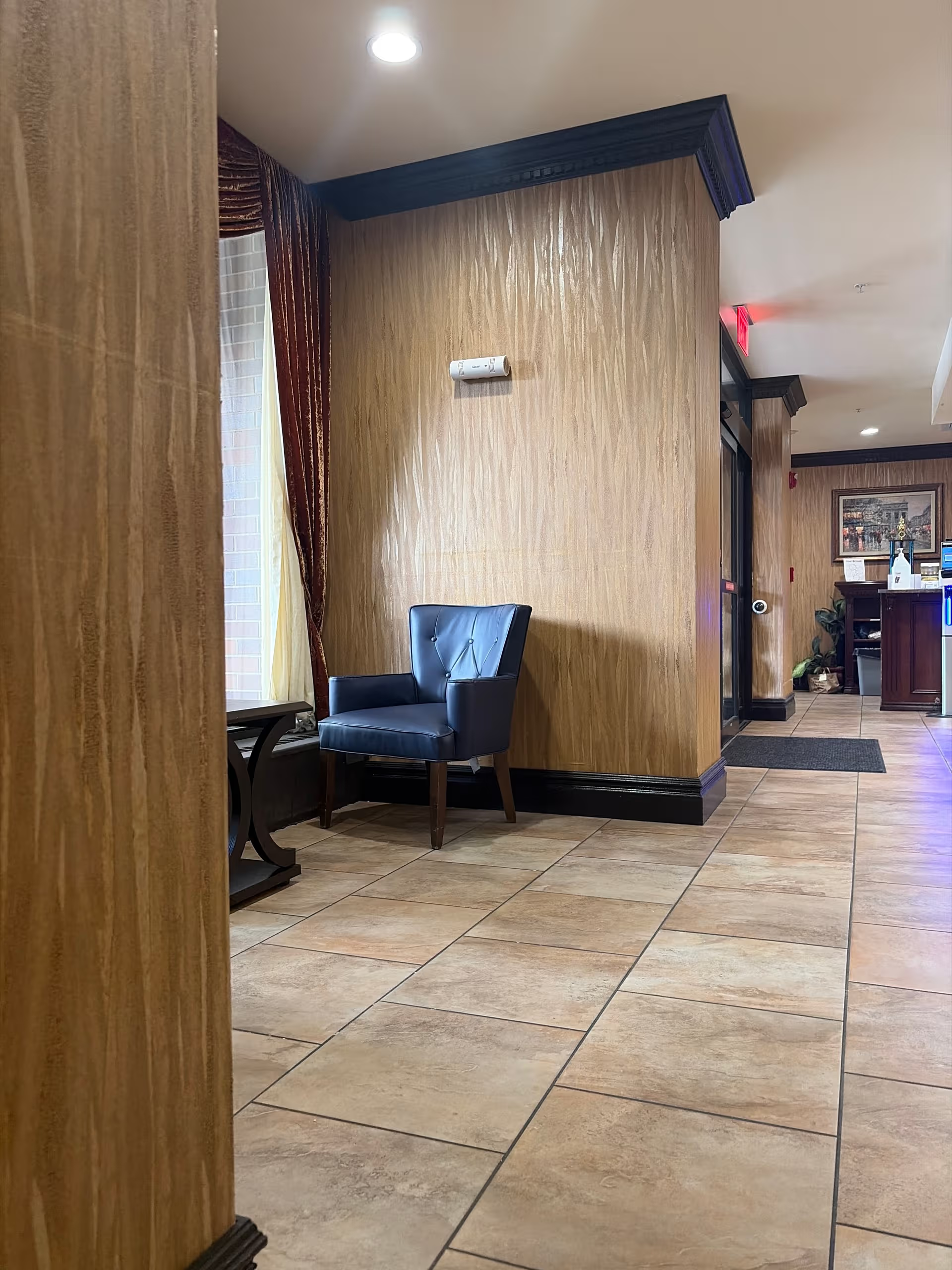
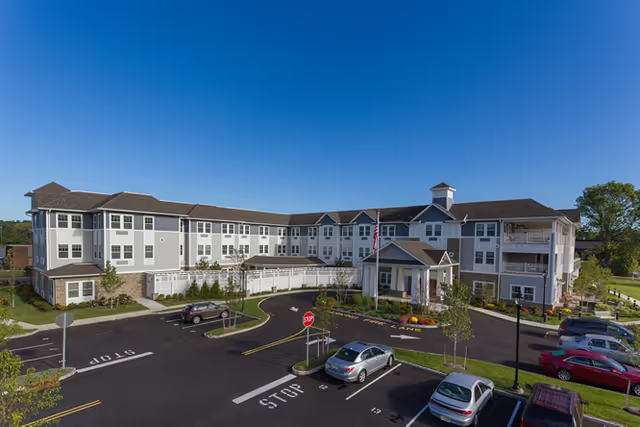
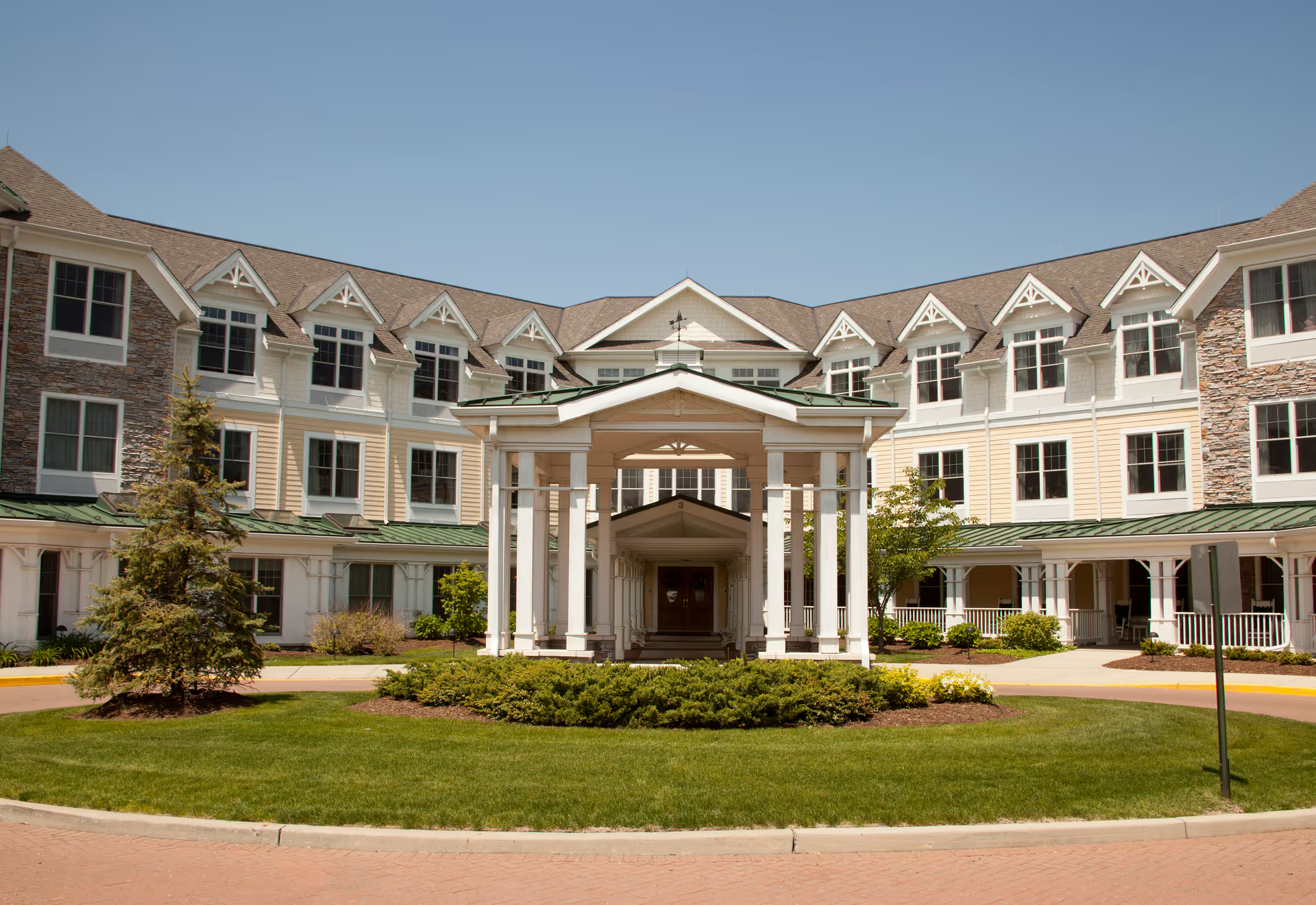
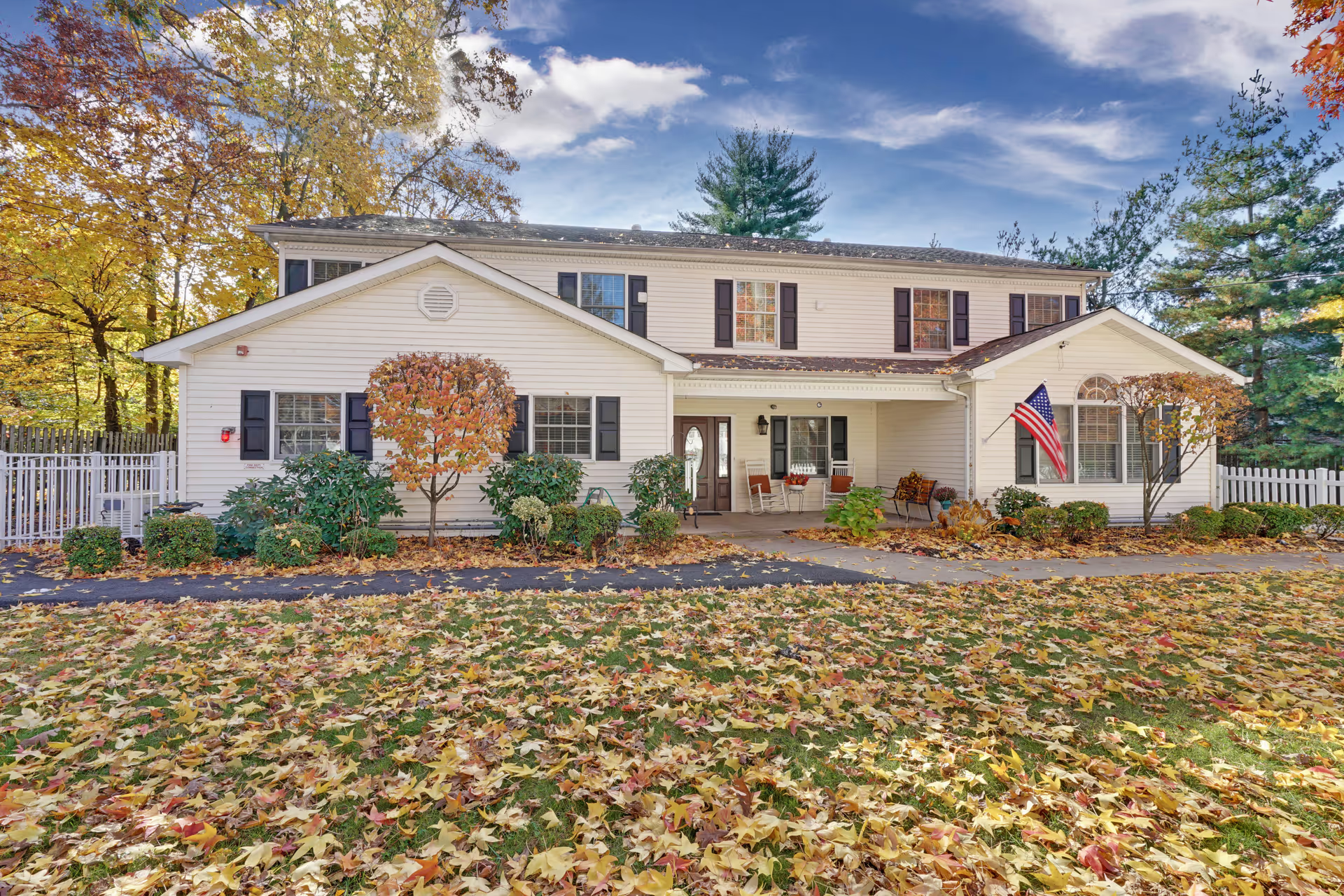
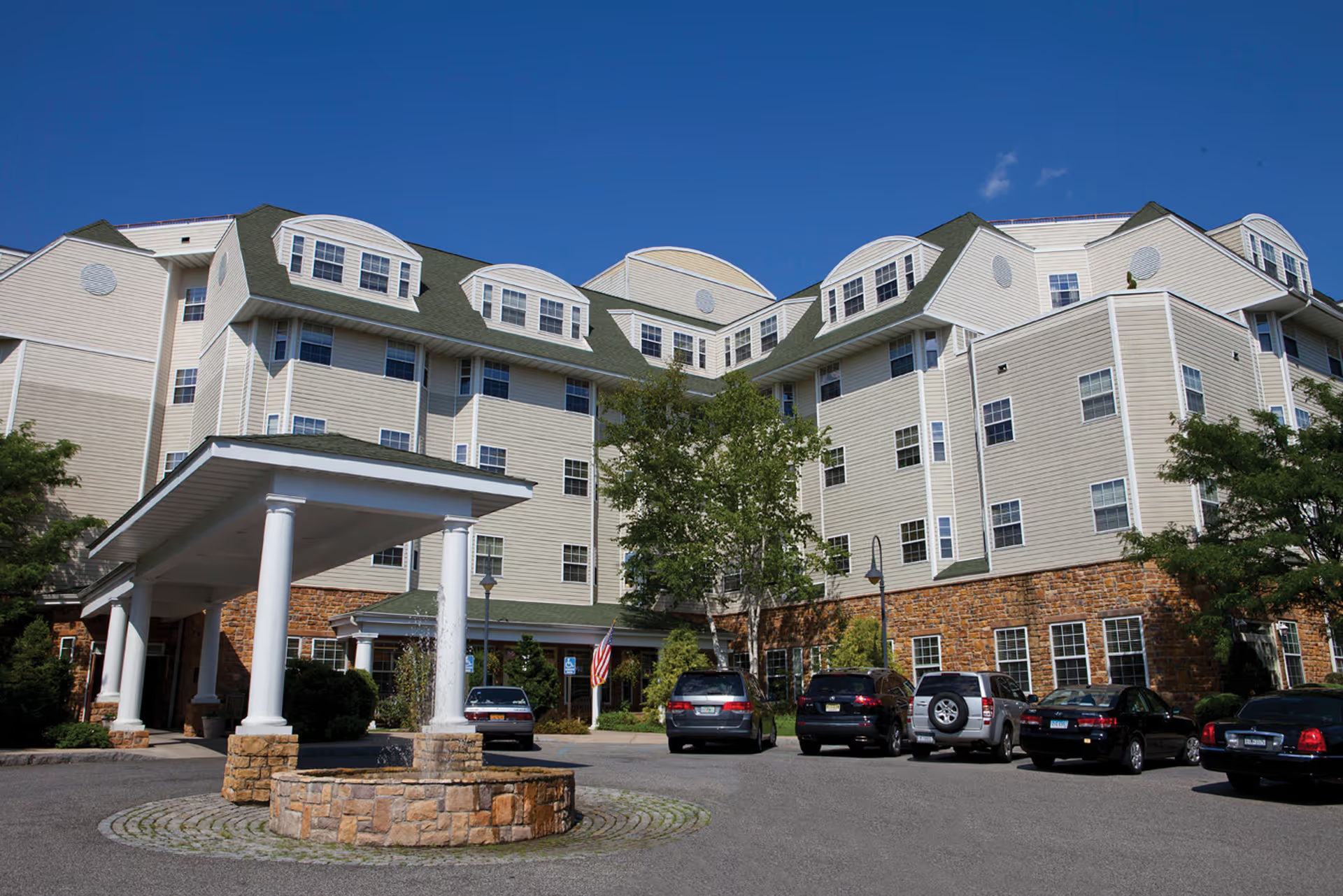
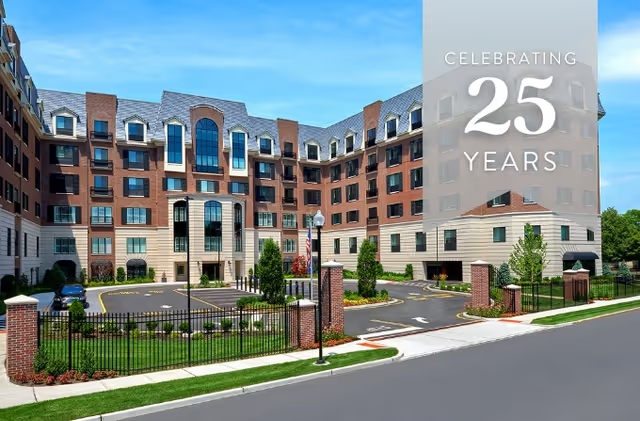
Strengths and positives are consistently emphasized. Many reviewers describe a hotel-like, well-appointed building with attractive grounds and river views. The facility’s public spaces (dining rooms, theater, library, garden, salon) receive repeated praise, and residents frequently report spacious, comfortable apartments with weekly housekeeping and linen service. The culinary team and dining presentation draw many compliments — reviewers mention large portions, fresh ingredients, homemade desserts, and attentive waitstaff. Move-in coordinators, the concierge, and several named staff and managers are highlighted for going above and beyond, smoothing transitions, and creating a welcoming atmosphere. Recreational programming is generally described as robust: daily activities, clubs, lectures, fitness classes, birthday celebrations and many social events are common; transportation and arranged outings are available and well-liked by many residents.
Care quality and clinical services are described unevenly. Numerous reviews applaud specific nurses, nurse practitioners (for example Diana McNear NP) and direct-care aides for compassionate, competent care; some floors (notably certain assisted-living units) are singled out for excellent nursing. There is also an on-site medical presence and coordination with local physicians, pharmacies, and HMOs in many reports. However, reviewers also report inconsistency: coordination of PT/OT and physician communications can be slow, rehab start times delayed for some residents, and independent-living units are noted to receive minimal crossover nursing support. Several reviewers say the memory care unit is strong and protective in many respects, with interactive programming, but other reviews say memory care is under-equipped for more physically capable or challenging residents and note troubling incidents of inadequate supervision.
A notable and critical theme across the reviews is staffing stability, workplace culture, and management responsiveness. Many reviews state high staff and management turnover, which reviewers attribute to ownership changes and corporate decisions. Several long-term and newer residents notice declines in food quality, fewer activities or downgraded entertainment, shorter dining hours, and thinner staff coverage after ownership transitions. While some executive directors and site managers receive high praise (names appear repeatedly), others describe management as dismissive or slow to address complaints — corporate is often described as unresponsive. Reviewers also mention staff being overworked and underpaid, which correlates with reports of slower service and staffing gaps on holidays or for special events.
Most serious are multiple reviews alleging mistreatment, bullying and even physical abuse in the memory-care unit. Those reviews describe a head nurse (named in some accounts), aide-related incidents resulting in bruising or facial injuries, discouragement or mistreatment of outside nurses, and situations where families felt compelled to move loved ones out of the facility. Some reports mention police being called and hospital evaluations for suspected fractures. These allegations are contrasted with many other positive caregiving reports; as such, reviewers emphasize that these are the accounts they experienced or were told by family members. Because the allegations are severe, they form a recurrent pattern of concern that potential residents and families should investigate directly with the facility and follow up on through inspection records and licensing authorities.
Other operational and quality-of-life issues appear repeatedly: complaints about security lapses and missing personal items, occasional in-room cleanliness lapses (urine odor reported in isolated cases), pest sightings in a few reviews, and inconsistent availability of amenities (small gym, some apartments lacking Wi‑Fi). Dining negatives include understaffed dining rooms, slower meal service, fewer menu choices for some diners (including loss of heart-healthy options), and strict guest-dining policies (e.g., required advance notice) that upset families. Cost is another repeated theme: many reviewers find the community expensive with annual rent increases; several feel value has declined as services or food quality were changed.
In summary, Five Star Premier Residences of Yonkers appears to deliver a high-quality physical environment, many well-liked amenities, and heartfelt caregiving from numerous frontline staff — which produces many satisfied residents and families. However, the reviews demonstrate variability by unit/floor and over time, with recurrent operational problems: management/ownership transitions, staffing shortages, inconsistent clinical coordination, and a cluster of serious, specific allegations of mistreatment in memory care that require careful scrutiny. Prospective residents and families should weigh the strong positives (facility, social life, many compassionate staff) against the reported negatives (turnover, dining/service declines, pricing and the safety/mistreatment allegations). Given the mixed but detailed nature of the feedback, an in-person tour, direct conversations with current families, inspection/licensing records, and clear answers about staff turnover, incident reporting, and memory-care supervision are strongly recommended before making a placement decision.