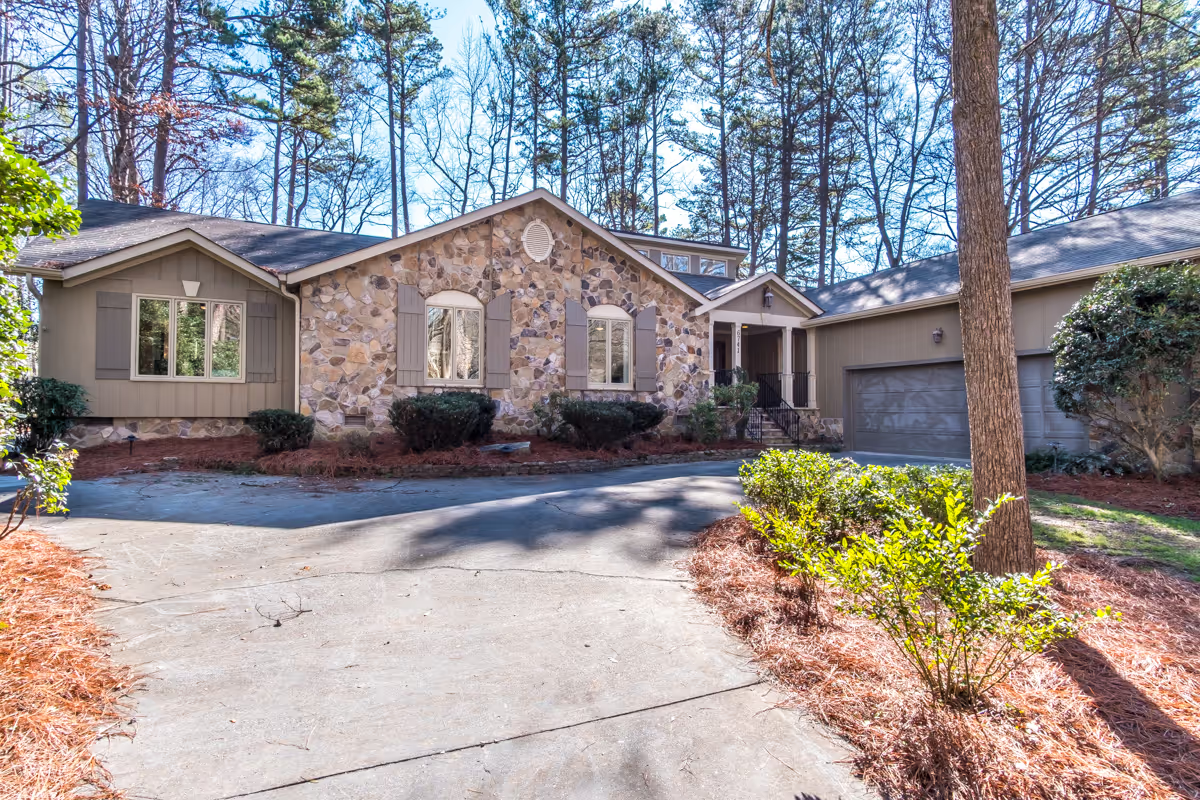
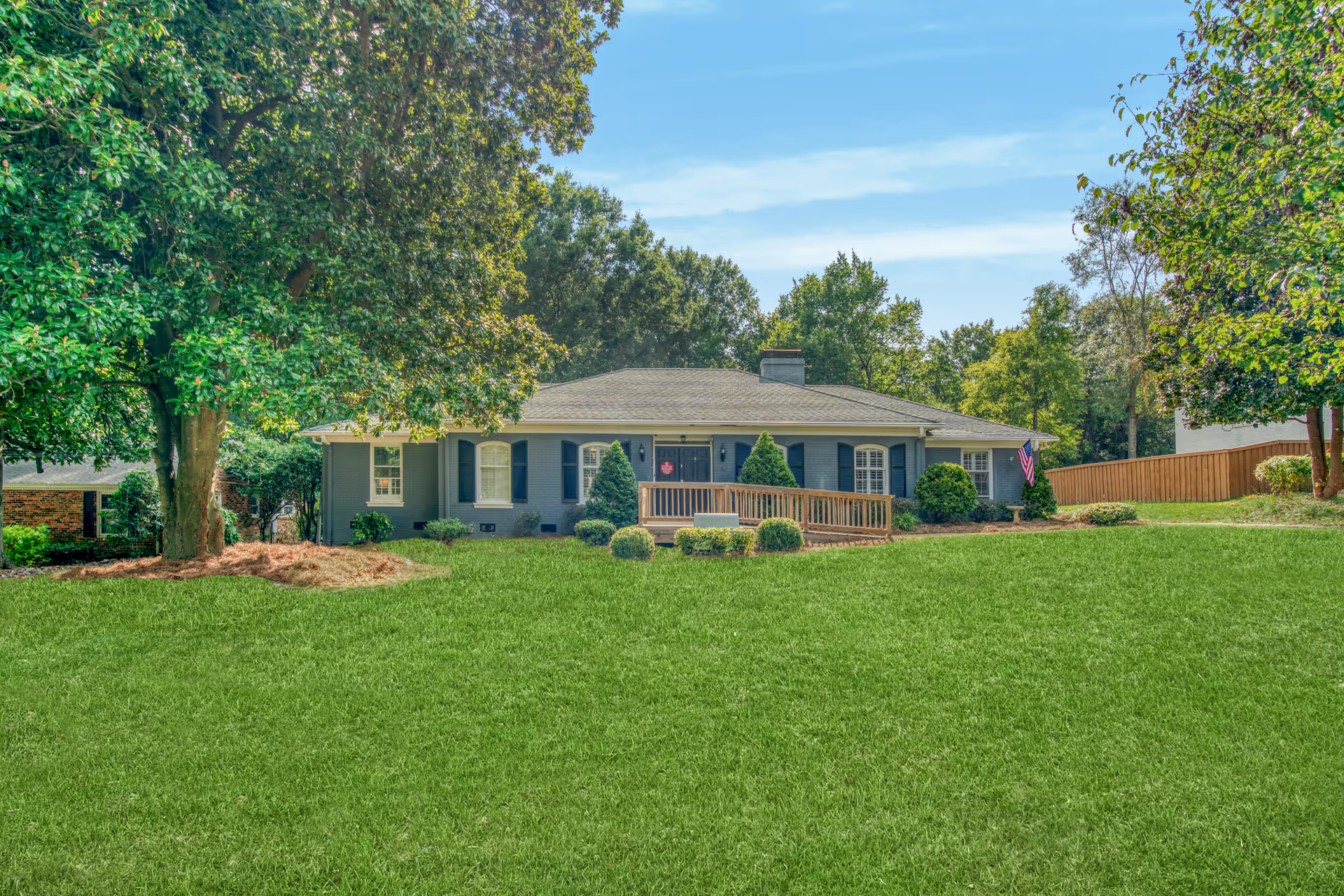
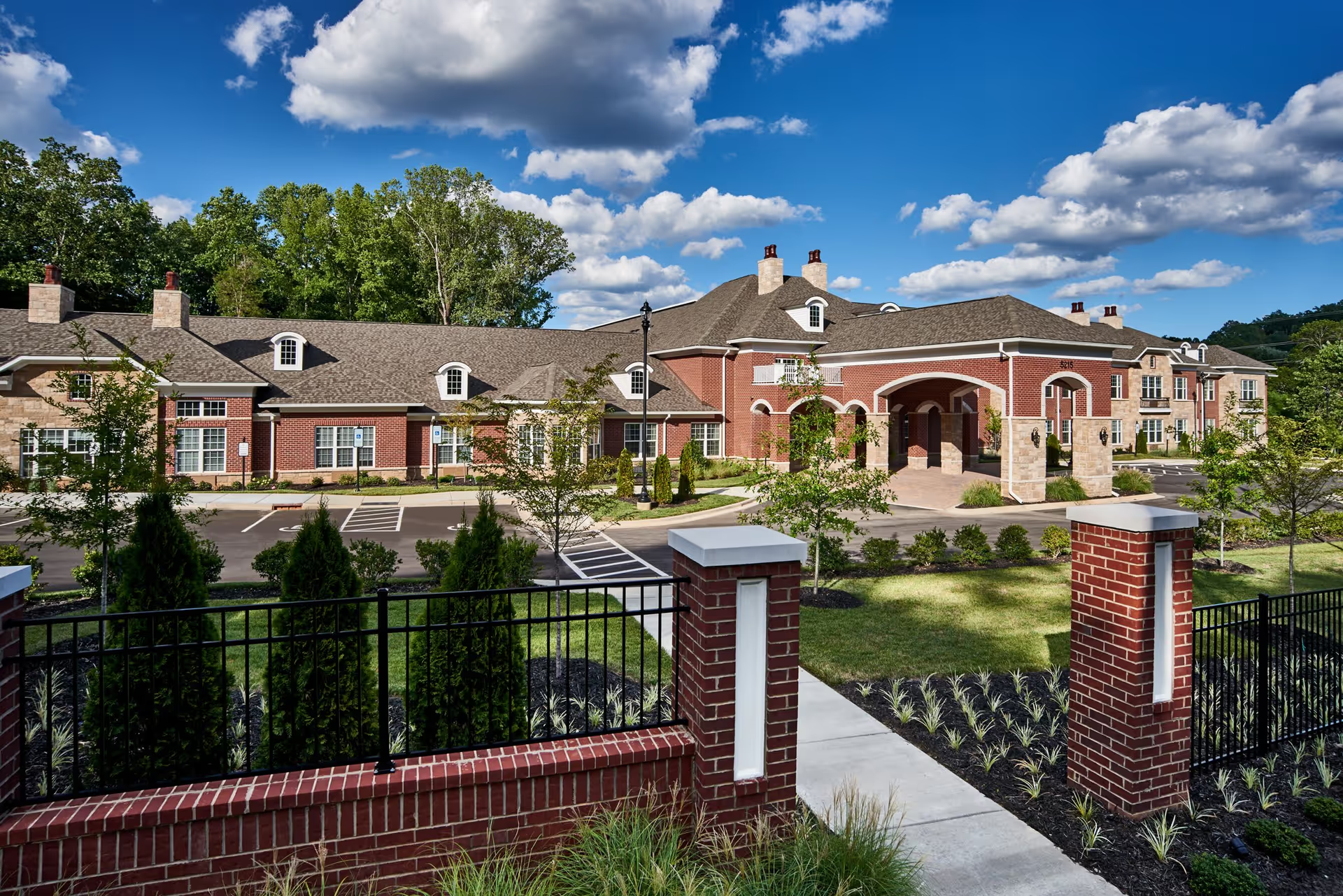
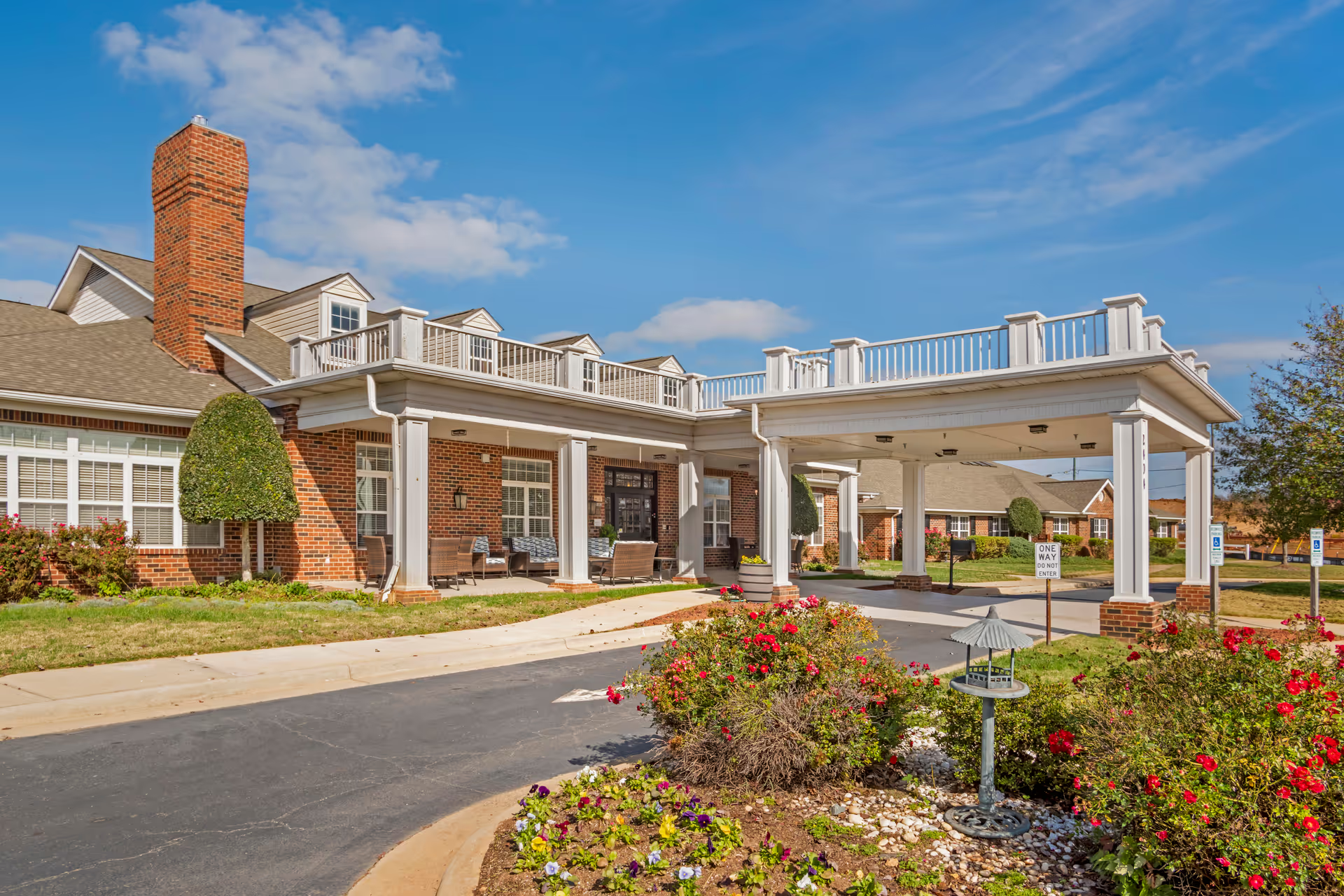
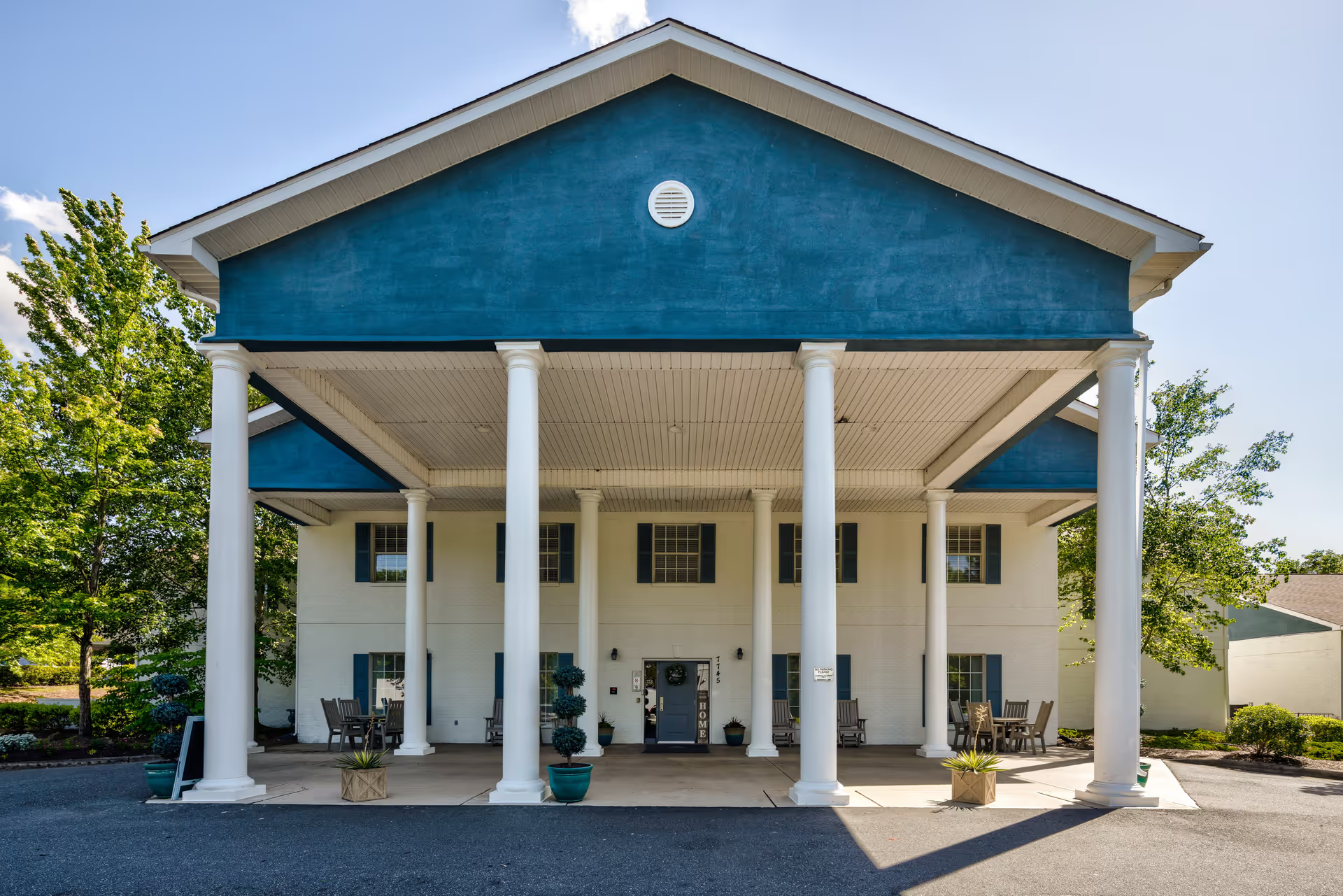
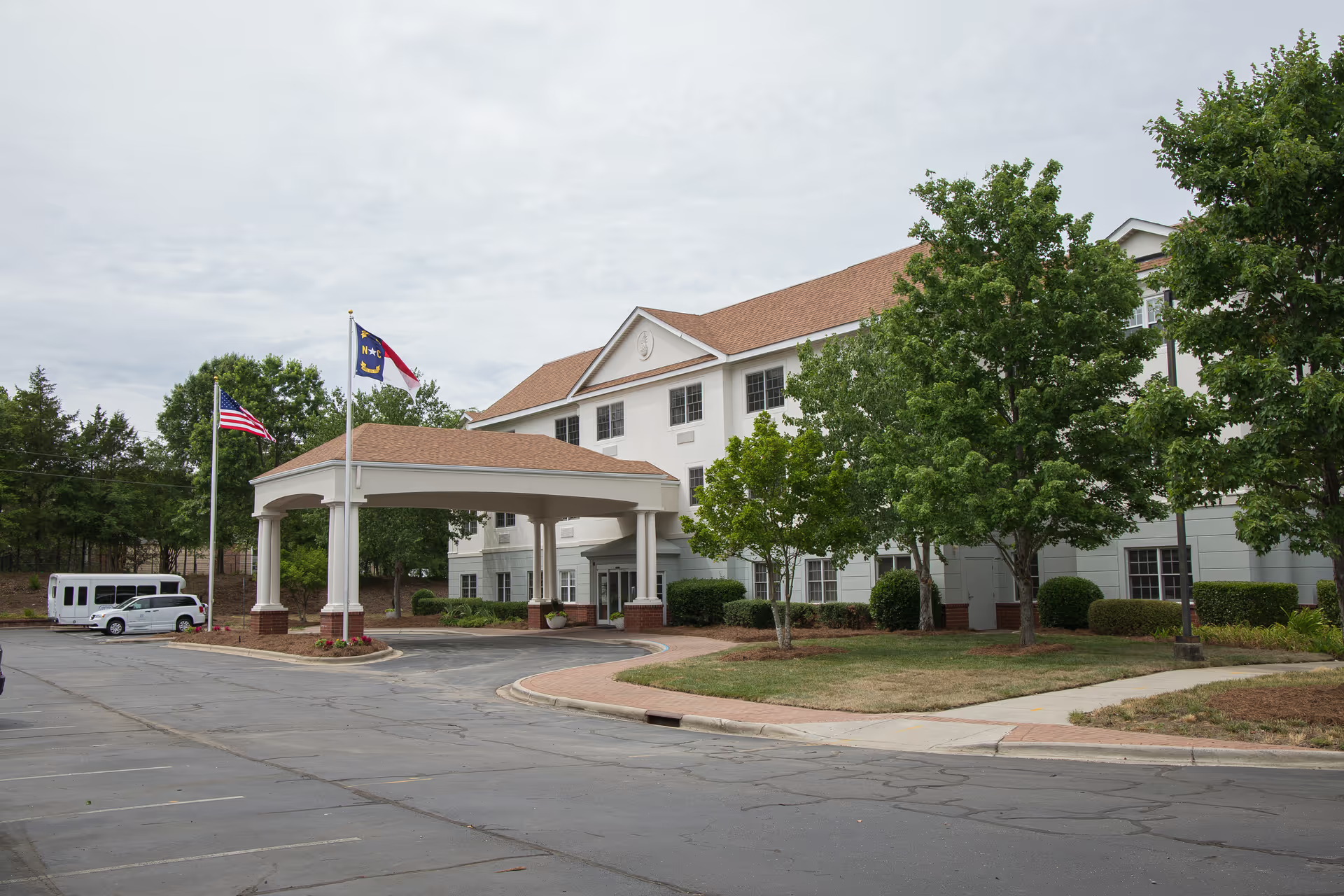
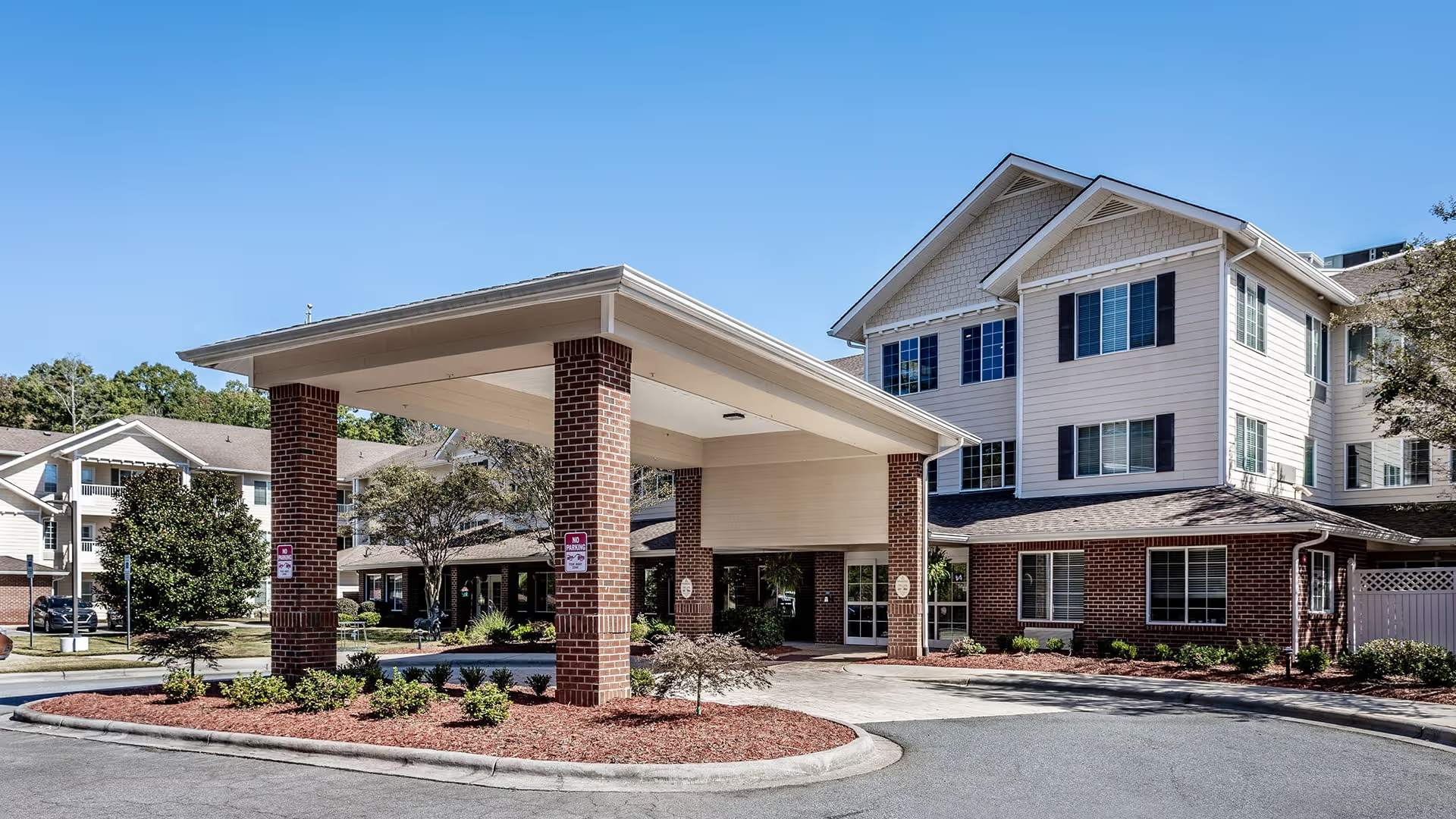
Brookdale Carriage Club Providence presents as a large, campus-style community with a broad continuum of care and many campus-level amenities. Strengths commonly cited include compassionate and hands-on direct-care staff, on-site skilled nursing and rehabilitation services, a wide range of housing options (villas, apartments, cottages) and in-unit amenities such as full kitchens and washers/dryers. The property’s grounds, walking paths, lakes, gardens and both indoor and outdoor pools are frequently described as appealing elements that support activity and socialization. The community also offers organized programming, transportation, an on-site salon, and an indoor clubhouse that facilitates year-round engagement.
Clinical and social programming are frequently praised: residents and families note active social calendars (cards, bridge, outings, lectures), effective physical and occupational therapy, and activities tailored to memory support in some cases. Many reviewers highlighted individual staff members and tour personnel as particularly helpful—effective onboarding and well-executed tours are recurring positives. When services are delivered as intended, reviewers report meaningful quality-of-life improvements, successful rehab transitions, and strong personal connections between staff and residents.
At the same time, a clear pattern of operational inconsistency emerges across reviews. Families describe variability in staffing levels and turnover, which respondents link to uneven care continuity and responsiveness. Several operational weaknesses are signaled repeatedly: sanitation and housekeeping standards that fluctuate, delayed or incomplete maintenance and capital repairs, and wayfinding/accessibility challenges created by the campus scale and dispersed housing. Dining quality and meal-service timing are described as variable—some residents praise chef-prepared meals while others note long waits and reduced menu variety. Therapy and ancillary services are available and in many cases strong, but some reviewers report reduced availability or changes in service levels over time.
Administration, billing, and communication are recurring areas of concern. Multiple reviewers describe slow or unclear responses from management, billing errors or opaque statements, and difficult follow-up across departments. There are also consistent observations that some service reductions and price increases followed corporate transitions; families perceive a decline in oversight and quality-control in certain periods. Clinical process concerns include medication-handling and follow-up communication gaps; these are framed as systemic control and coordination problems rather than isolated praise-worthy practices.
Memory-care and higher-dependency services are available but are described as uneven in capacity and specialization: reviewers cite understaffing or limited specialized dementia expertise in certain units, and the physical layout of some memory areas is described as small or crowded. A small number of reviewers raised serious interpersonal concerns, including allegations of discriminatory behavior and favoritism; these were not the majority view but represent a nontrivial reputational issue that prospective families should discuss directly with leadership.
In sum, the community offers many real strengths—robust amenities, a broad continuum of care, engaged activity programming, and numerous staff who deliver attentive daily care. Prospective residents and families should weigh those positives against operational inconsistencies: investigate current staffing levels, clarity of billing and pricing policies, maintenance responsiveness, dining-service practices, medication-management protocols, and memory-care staffing ratios. An in-person visit focused on meeting current leadership, touring the specific unit of interest, reviewing recent inspection or incident documentation (if available), and speaking with current residents and family members will best clarify whether the facility’s variability aligns with a prospective resident’s needs and expectations.