Reviews present a mixed but detailed picture of care at Curis Concord Nursing and Rehabilitation Center. Many families and patients praised the interpersonal quality of care: nursing and direct-care staff are frequently described as compassionate, attentive and willing to go beyond expectations. Rehabilitation services and therapy staff receive consistently positive comments for competence and outcomes, and the physical therapy area is noted as bright, well equipped and professionally staffed. Dining has reportedly improved with dietitian involvement, timely meal service, and generally well-prepared food.
Care delivery shows strengths in person-centered interactions and availability of supportive services. Reviewers highlighted helpful reception and security processes, hospice and pain-management capability, and an environment that many described as peaceful, clean and orderly in common areas and hallways. Several reviewers called out specific administrators and leaders as engaged and visible, and others described a friendly, respectful atmosphere that made residents feel valued.
At the same time, reviewers identified several operational weaknesses that recur across accounts. Communication and administrative responsiveness are frequently cited as areas needing improvement: families report difficulty getting return calls, trouble contacting physicians, and delays in administrative follow-up. Reviewers also described inconsistencies in medication administration and raised serious safety concerns in isolated cases; a few comments referenced medication errors and concerns following a resident’s death, which highlights the need for clear medication-safety and incident-response processes.
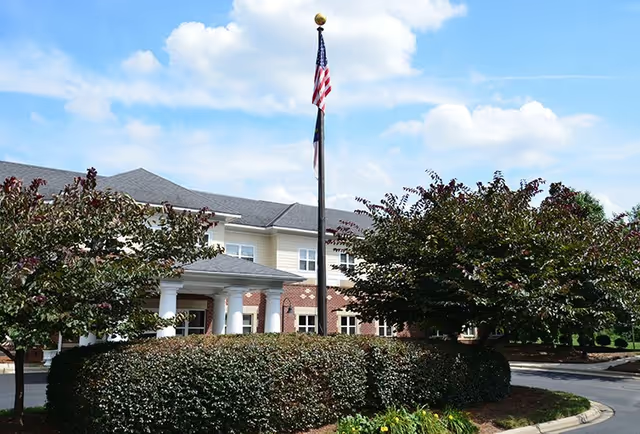
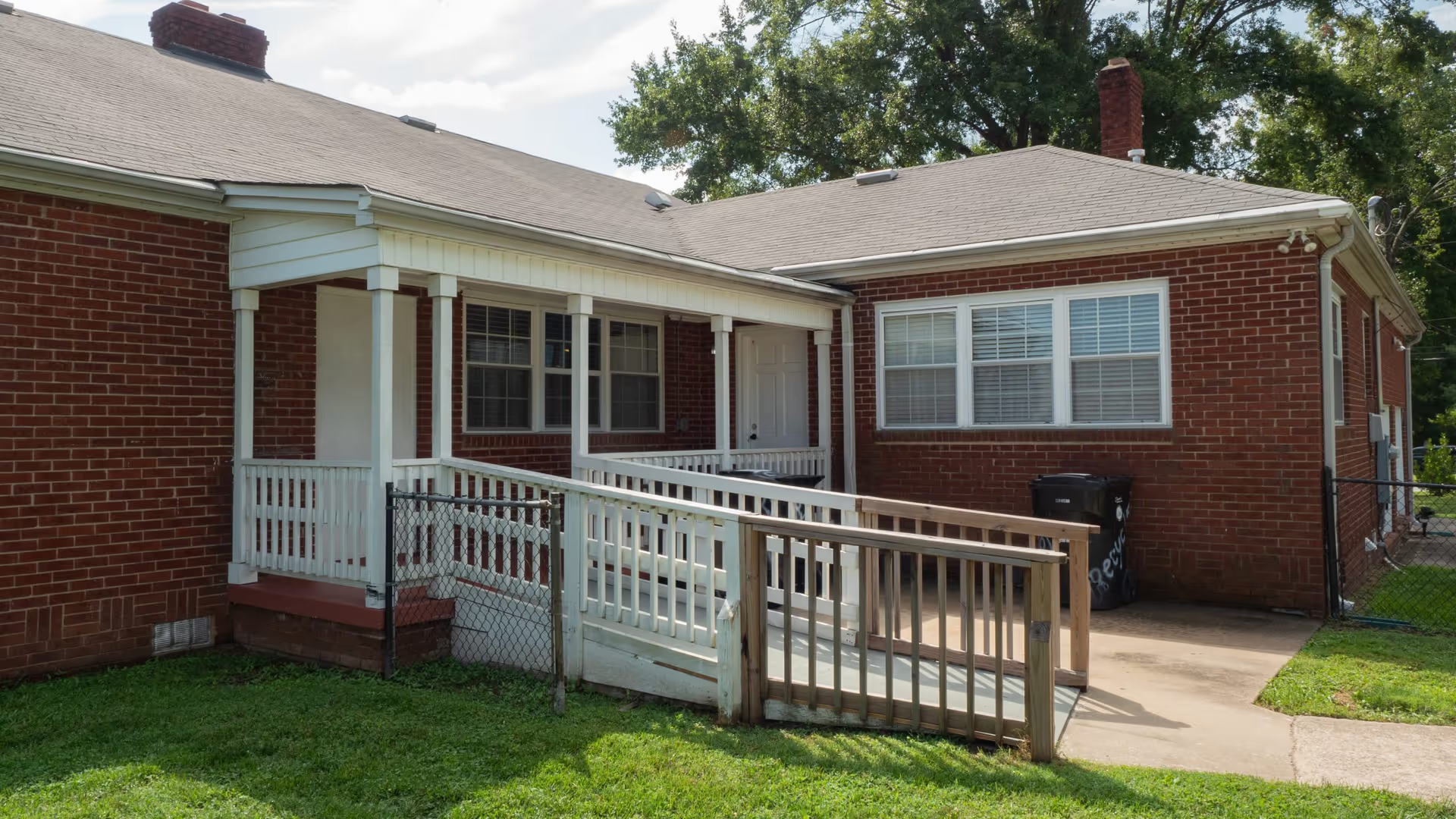
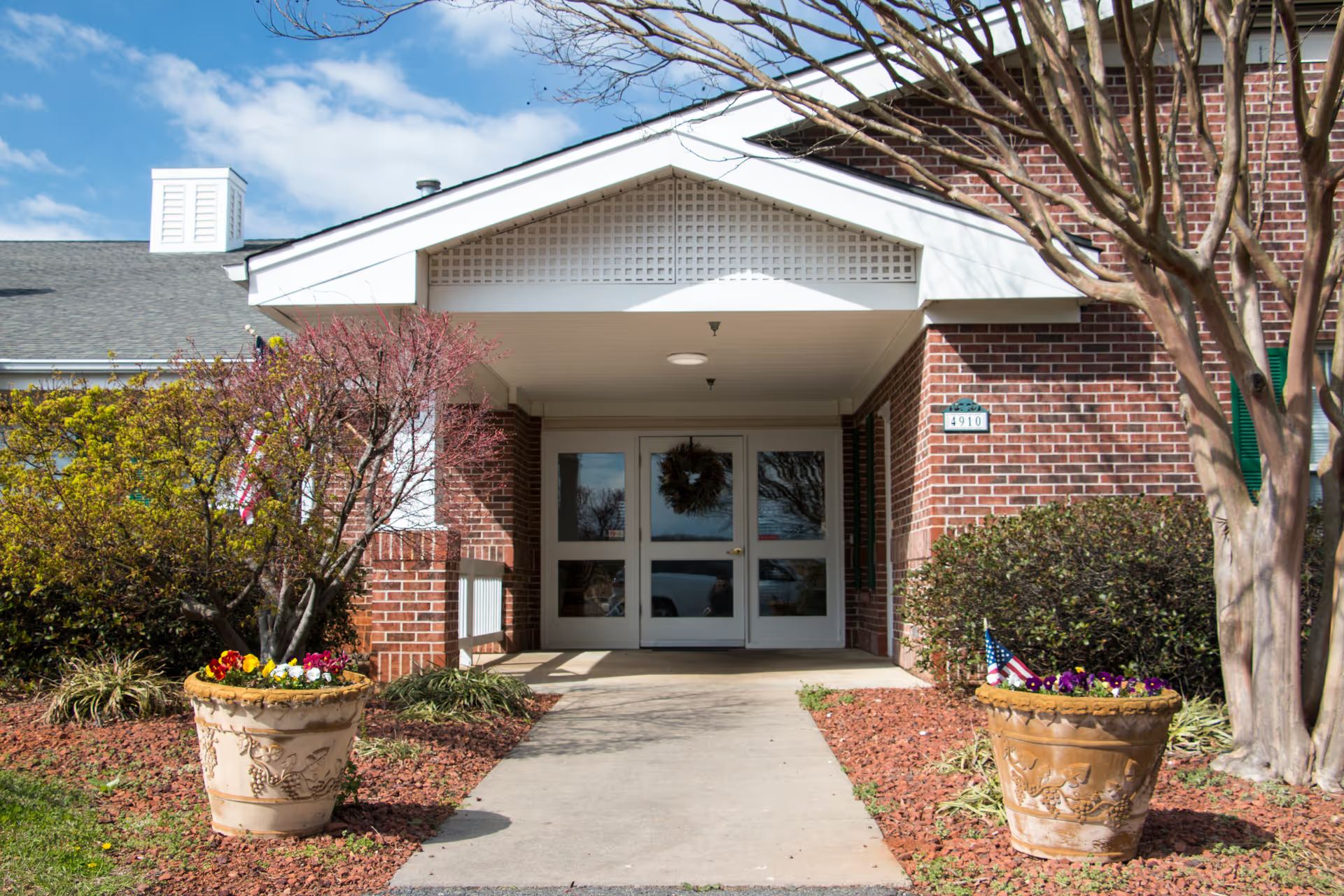
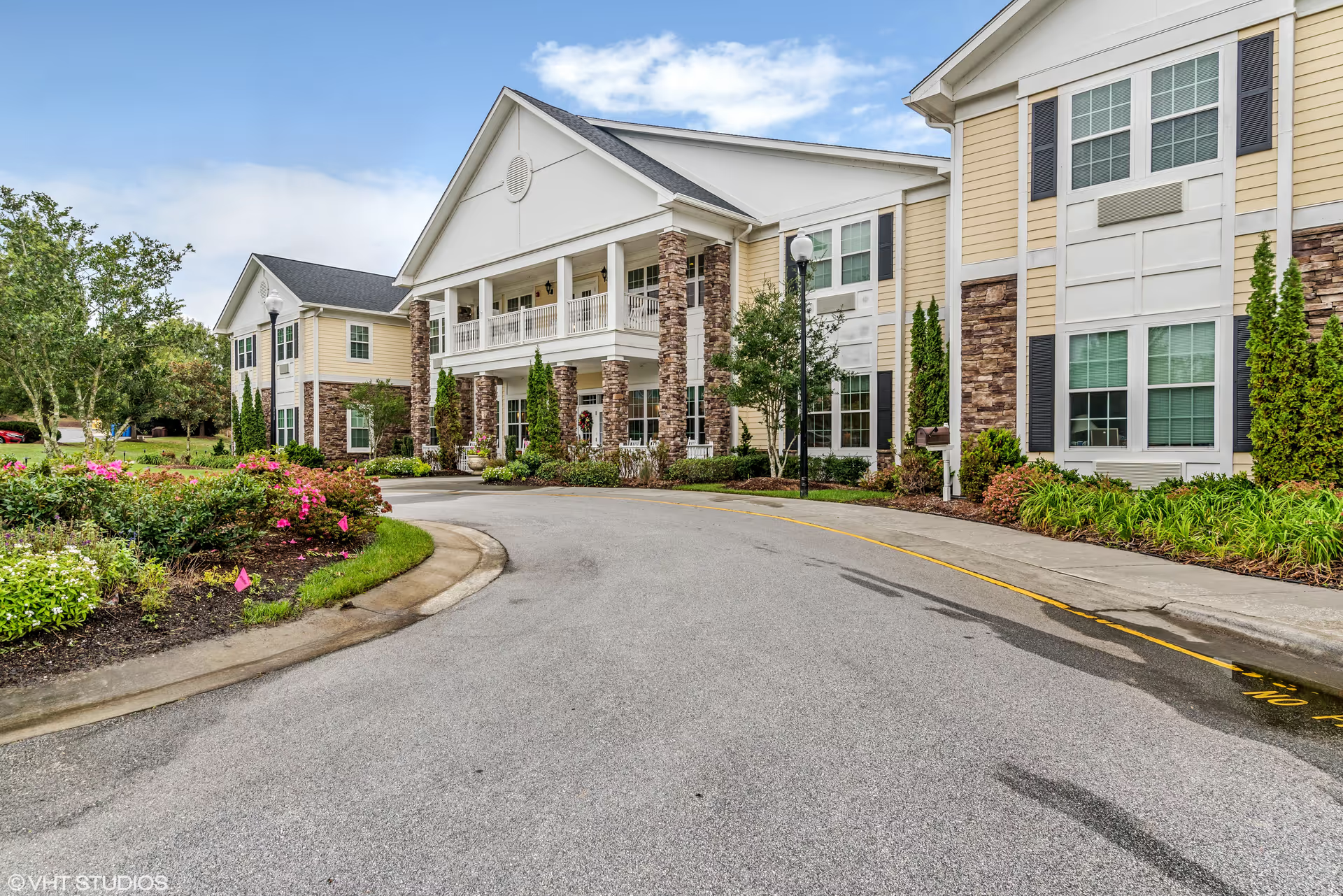
Day-to-day care consistency is another theme. Reported gaps include uneven nursing rounds and repositioning schedules, variability in room-level housekeeping and maintenance, and staff workload pressures that can lead to delayed assistance. Activity programming appears inconsistent in practice — activities may be scheduled but residents do not always receive the transport or staff support needed to participate. The facility’s physical plant is described as older and in need of remodeling or repairs in some areas; while common spaces and hallways are often clean and well cared for, resident rooms and certain structural elements were noted as requiring attention.
In summary, Curis Concord shows clear strengths in compassionate caregiver interactions, therapy services, and improvements in dining; these are meaningful positives for prospective residents who prioritize rehabilitation and an attentive care atmosphere. However, families should consider the reported operational issues — particularly around medication processes, communication with clinicians and administrators, consistency of direct-care tasks, and room-level housekeeping/maintenance — and ask targeted questions during a tour. Suggested inquiries include staffing levels and shift coverage, medication-safety protocols and incident reporting, frequency of nursing rounds/turning schedules, procedures for family communication and physician access, and the facility’s timeline for planned renovations and targeted room maintenance.