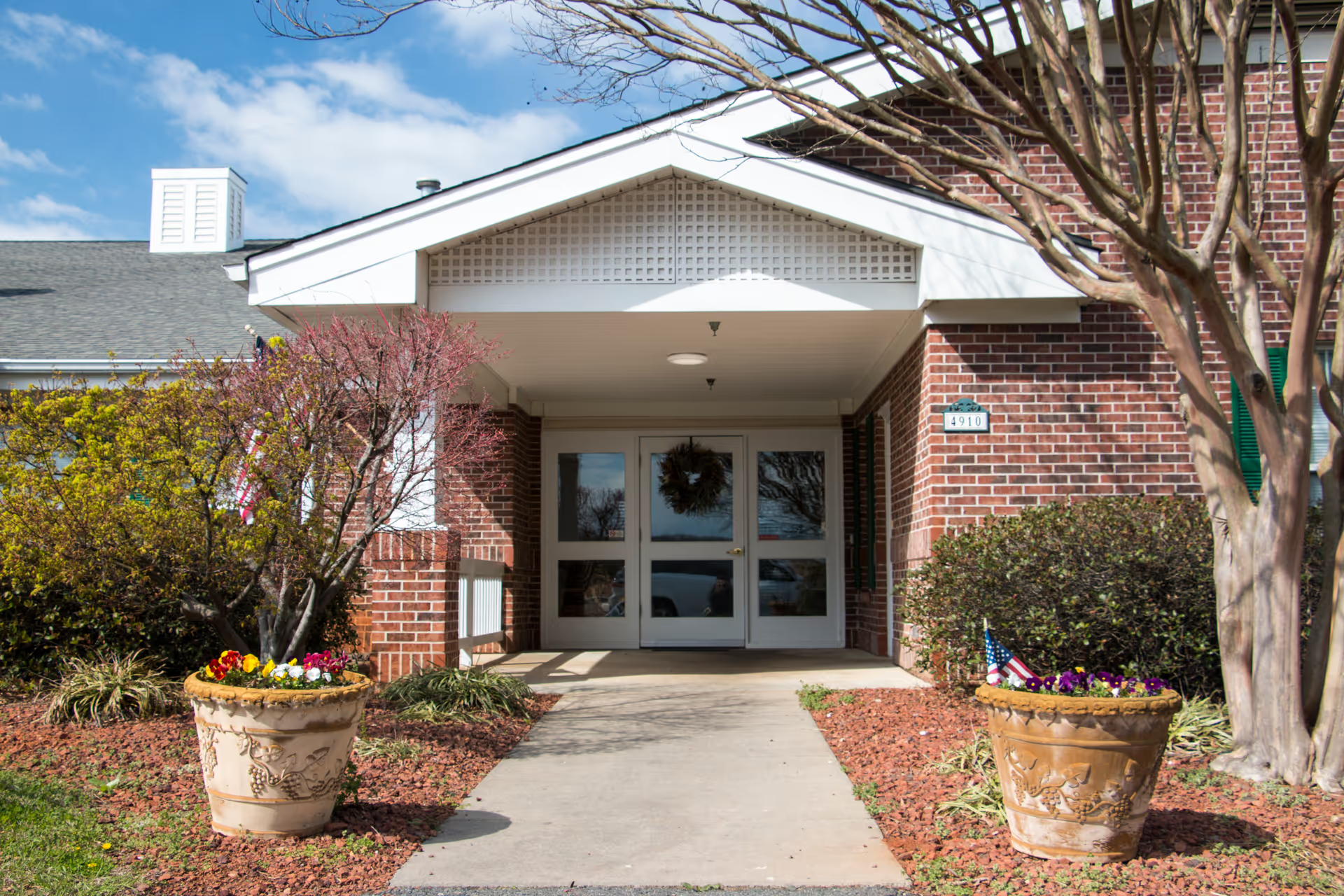
Five Oaks Rehabilitation and Care Center elicits a mixed but instructive pattern of feedback. Many families and residents praise the clinical rehabilitation services—physical, occupational and speech therapy are repeatedly characterized as strong and outcome-focused—and the activity program is described as engaging with a reliable monthly schedule. Multiple comments highlight compassionate, personable caregivers, supportive social-work and admissions staff, and clean, recently renovated rehab areas and common spaces. The facility’s proximity to Atrium Northeast Cabarrus Hospital and availability of private rooms are also cited as practical advantages for families seeking short-term rehab or specialty geriatric care.
At the same time, there are recurring operational concerns that prospective residents and family members should evaluate. Reviews indicate inconsistent staffing levels and coverage, with particular pressure noted on weekends and night shifts. This staffing variability is linked in multiple comments to delays in call-bell response, gaps in toileting and incontinence assistance, and uneven bedside attentiveness. Separate clusters of feedback raise concerns about medication and oxygen-management practices as well as transfer and mobility-safety procedures; a number of families describe adverse outcomes or hospital readmissions and request clearer explanations and documentation of clinical oversight. A small subset of reviews includes serious allegations and concerns following resident deaths and severe infections; those reports warrant direct follow-up and, if relevant, regulatory inquiry.
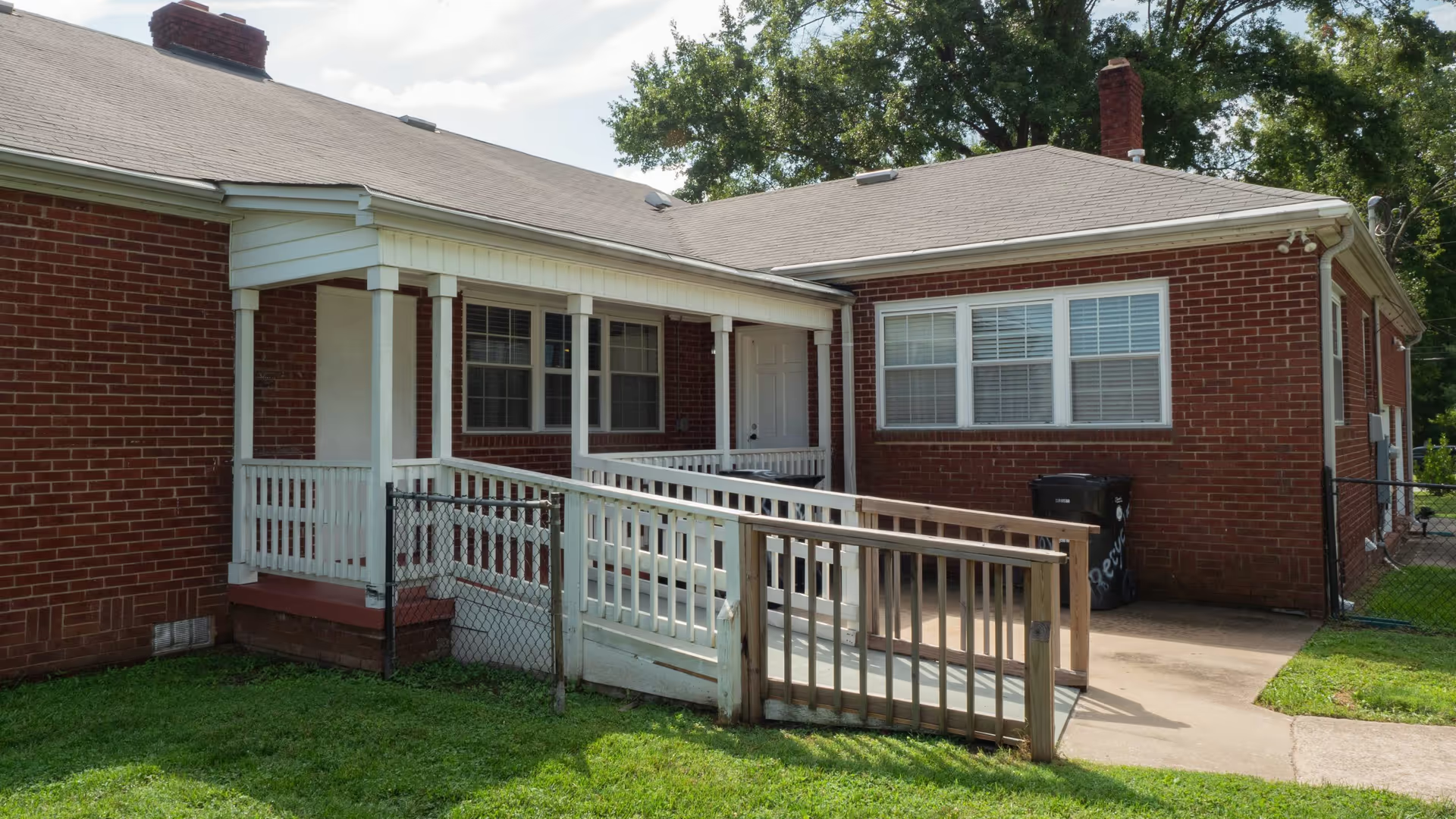
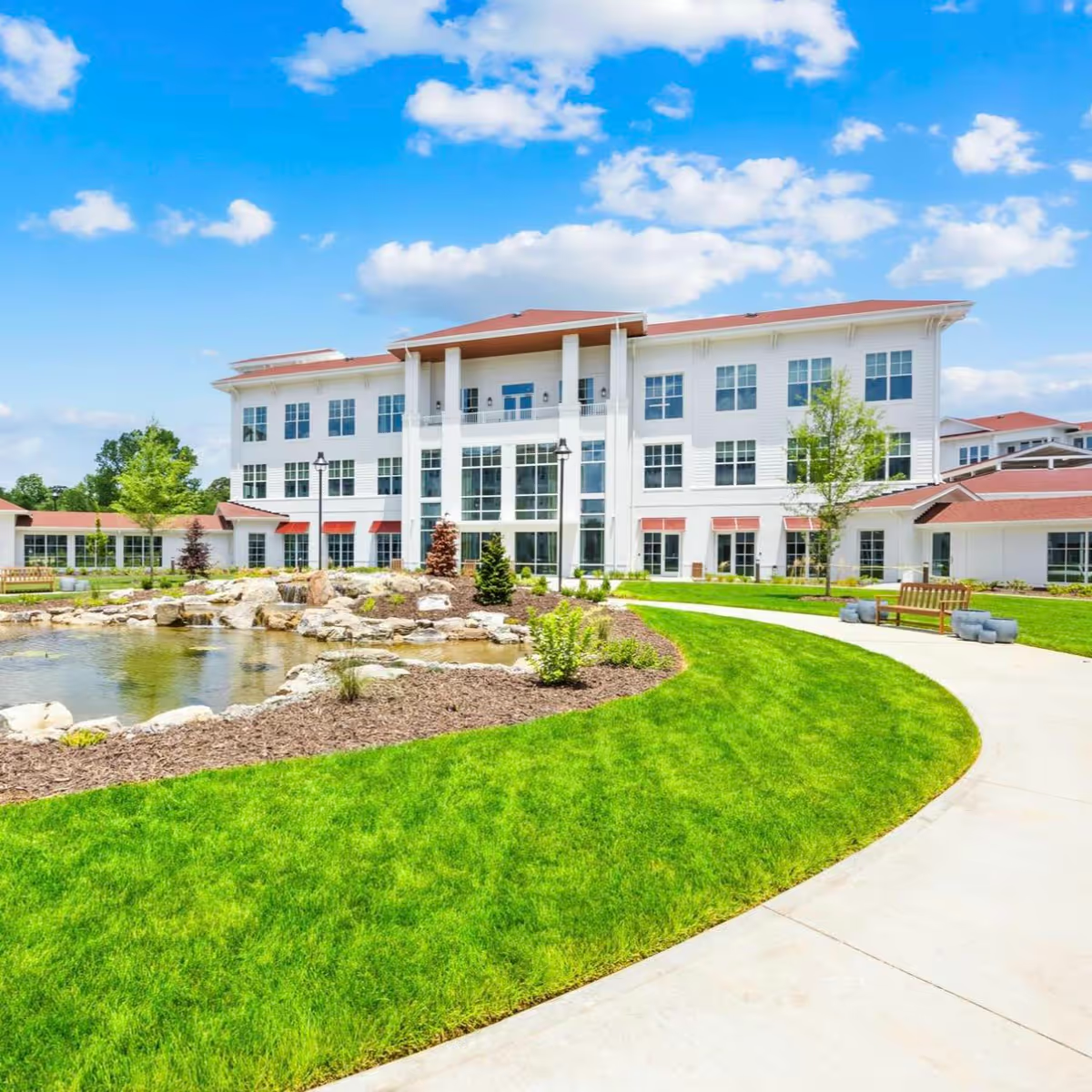
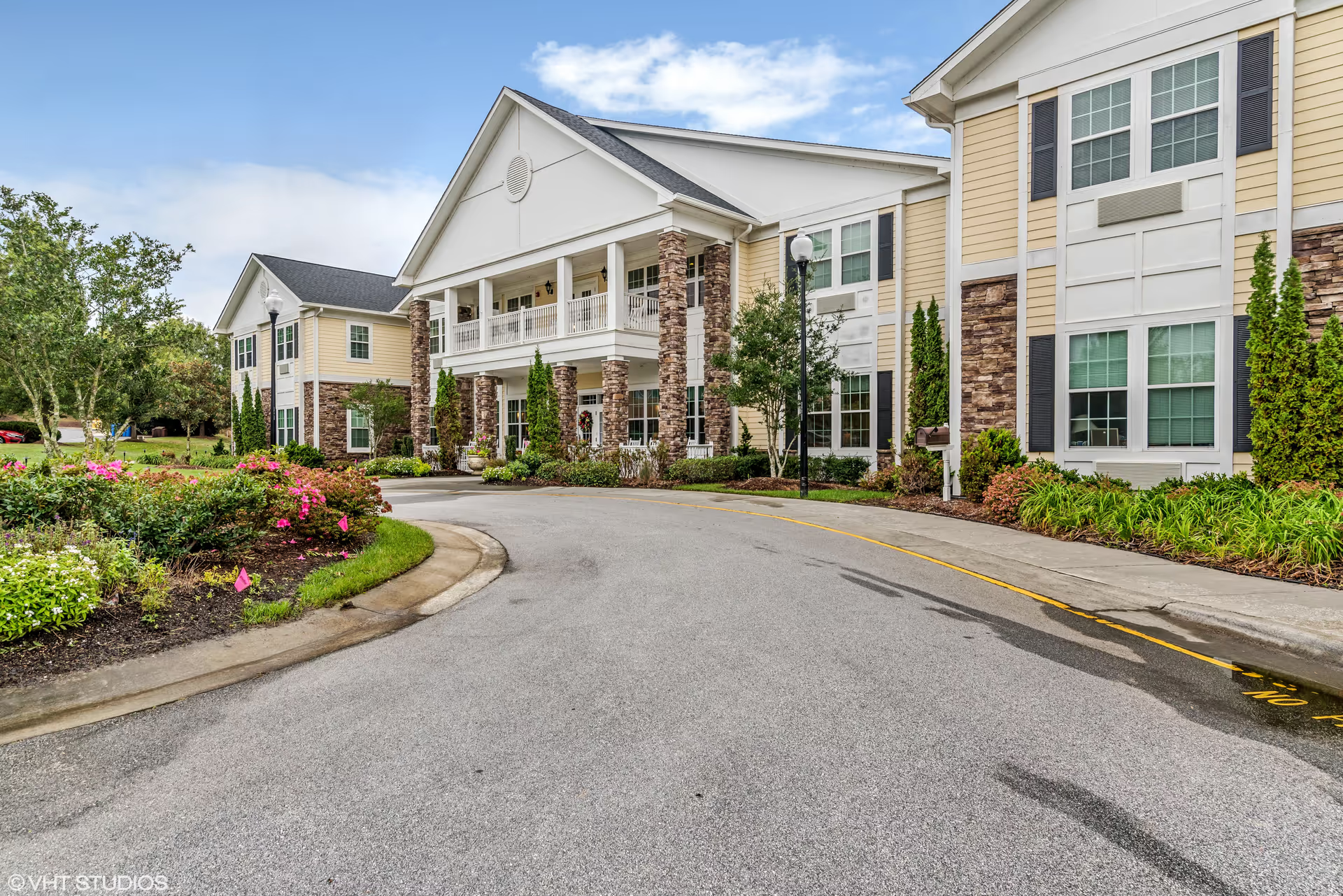
Dining, housekeeping and facility-maintenance impressions are similarly mixed. Several reviewers commend attentive dining and housekeeping staff and note meals tailored to dietary needs, while others describe variability in food quality, meal temperatures and sanitation standards in particular units or time periods. The campus has undergone renovations and many rehab areas are described as modern and bright, yet maintenance and accessibility gaps (notably lower-level access) were raised as operational issues that may affect residents with mobility limitations.
Communication and leadership responsiveness present a mixed picture. Many families name social workers and specific staff who provided clear, proactive updates and smooth transitions; conversely, recurring comments call out phone-system limitations, unanswered callbacks, and inconsistent complaint follow-up. Reported high turnover among some roles and reliance on temporary staff in certain shifts compounds concerns for continuity of care. For prospective residents, Five Oaks appears to offer a strong rehabilitation program and many caring staff members; however, families of higher-dependency residents should seek detailed, current information about staffing ratios, call-response metrics, medication/oxygen protocols, infection-control procedures, and how the facility documents and follows up on incidents before making placement decisions.