The Greens at Cabarrus elicits strongly polarized feedback. A consistent strength is its clinical rehabilitation program: multiple accounts describe skilled physical, occupational, and speech therapy teams who deliver measurable functional gains and individualized therapy plans. Many families praised clinicians for patience, encouragement, and progress-oriented care. When clinical teams are operating well, reviewers described positive recoveries, smooth discharges, and respectful, dignity-focused treatment by nurses and aides.
Frontline staff performance is a major driver of the mixed impressions. Numerous accounts describe compassionate, attentive caregivers, responsive day-shift CNAs, and supportive housekeeping and front-desk personnel who create a family-like atmosphere. At the same time, there are recurring descriptions of inconsistent staffing—particularly on evenings, nights, and weekends—leading to variability in responsiveness and professionalism. This variability manifests operationally as delays in personal-care tasks (bathing and toileting assistance), uneven medication/IV-site management practices, and occasional lapses in bedside communication.
Dining and nutrition are another area of split experience. Positive reports mention nourishing meals, multiple dining options, and helpful cafeteria staff; negative feedback highlights inconsistent meal quality, incorrect orders, missed dietary restrictions, and limited fresh fruit or preferred options. Families should assume meal-service consistency may vary by shift and inquire explicitly about dietary accommodations for special needs.
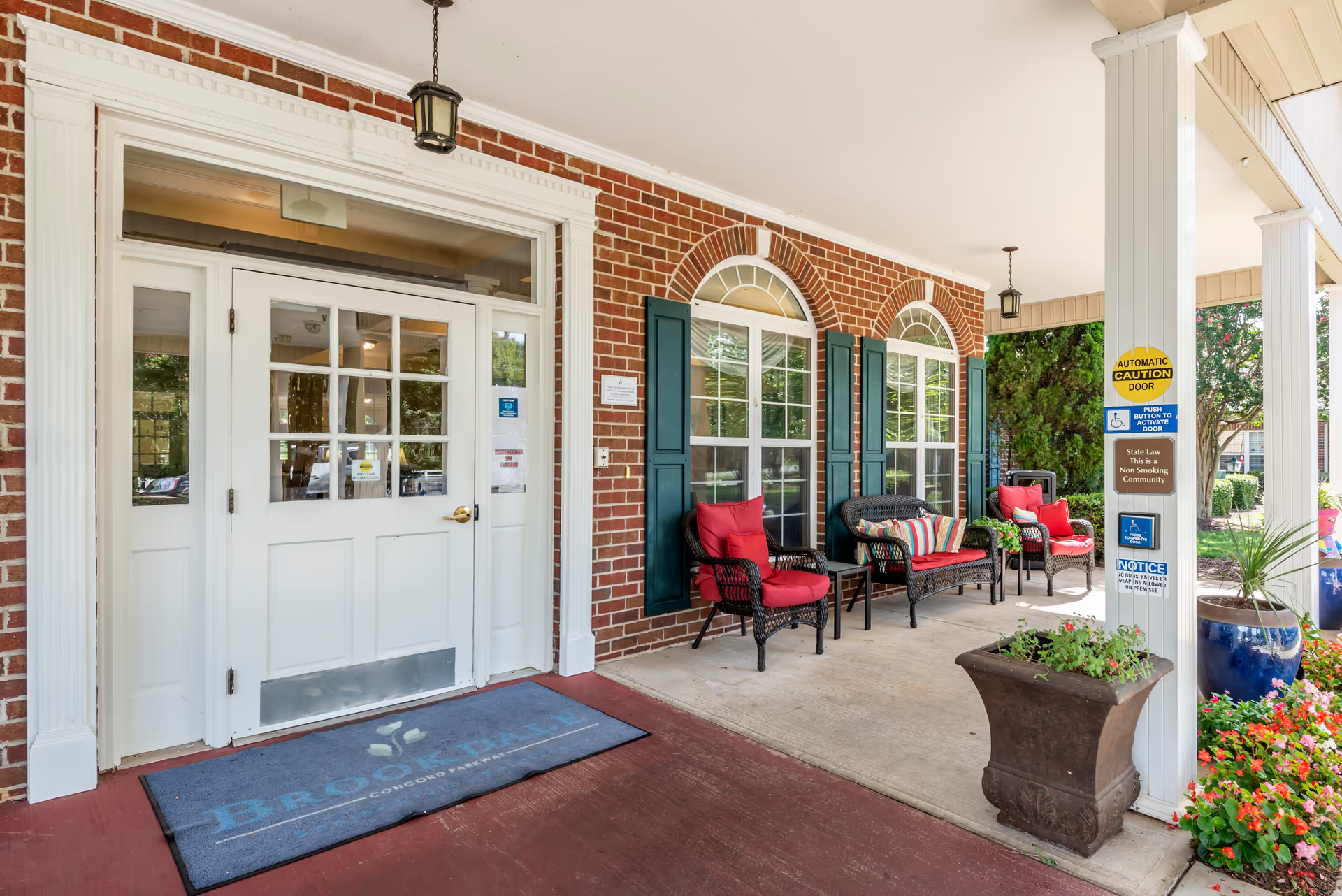
Activities and social programming are widely praised. Organized events — bingo, music, seasonal parties and porch socialization — were repeatedly identified as meaningful contributors to resident morale. These offerings, combined with friendly resident interactions, help create a social environment that many families find comforting during a rehab stay.
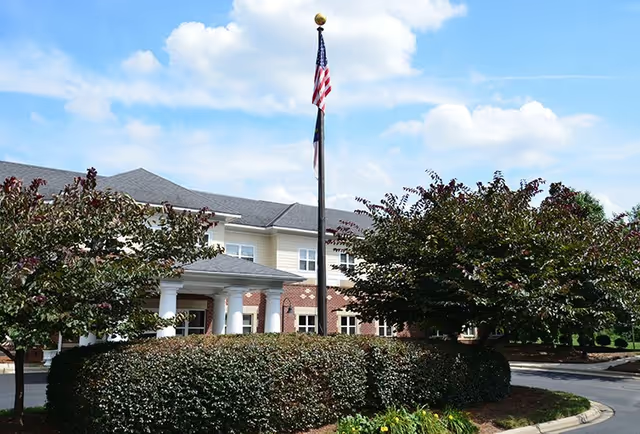
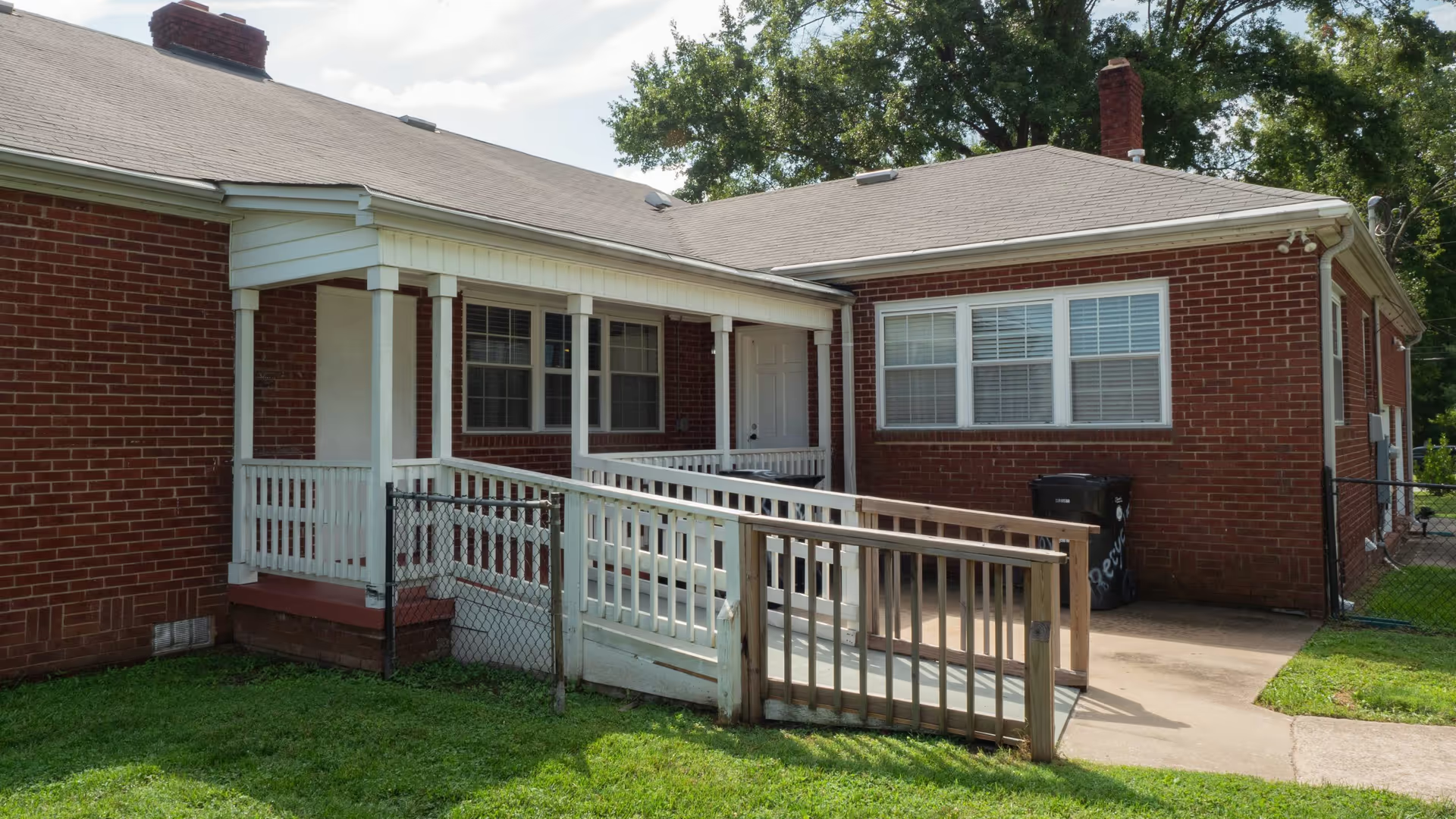
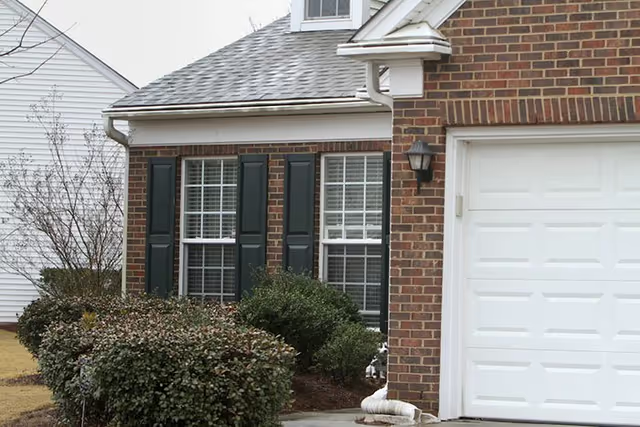
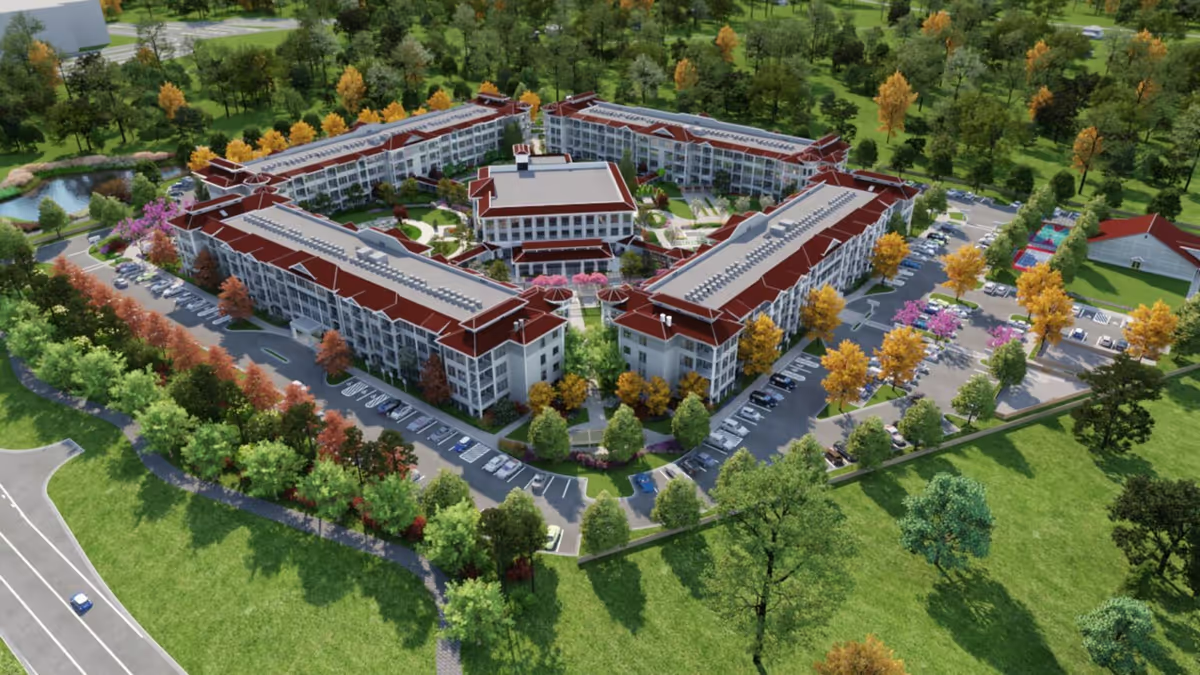
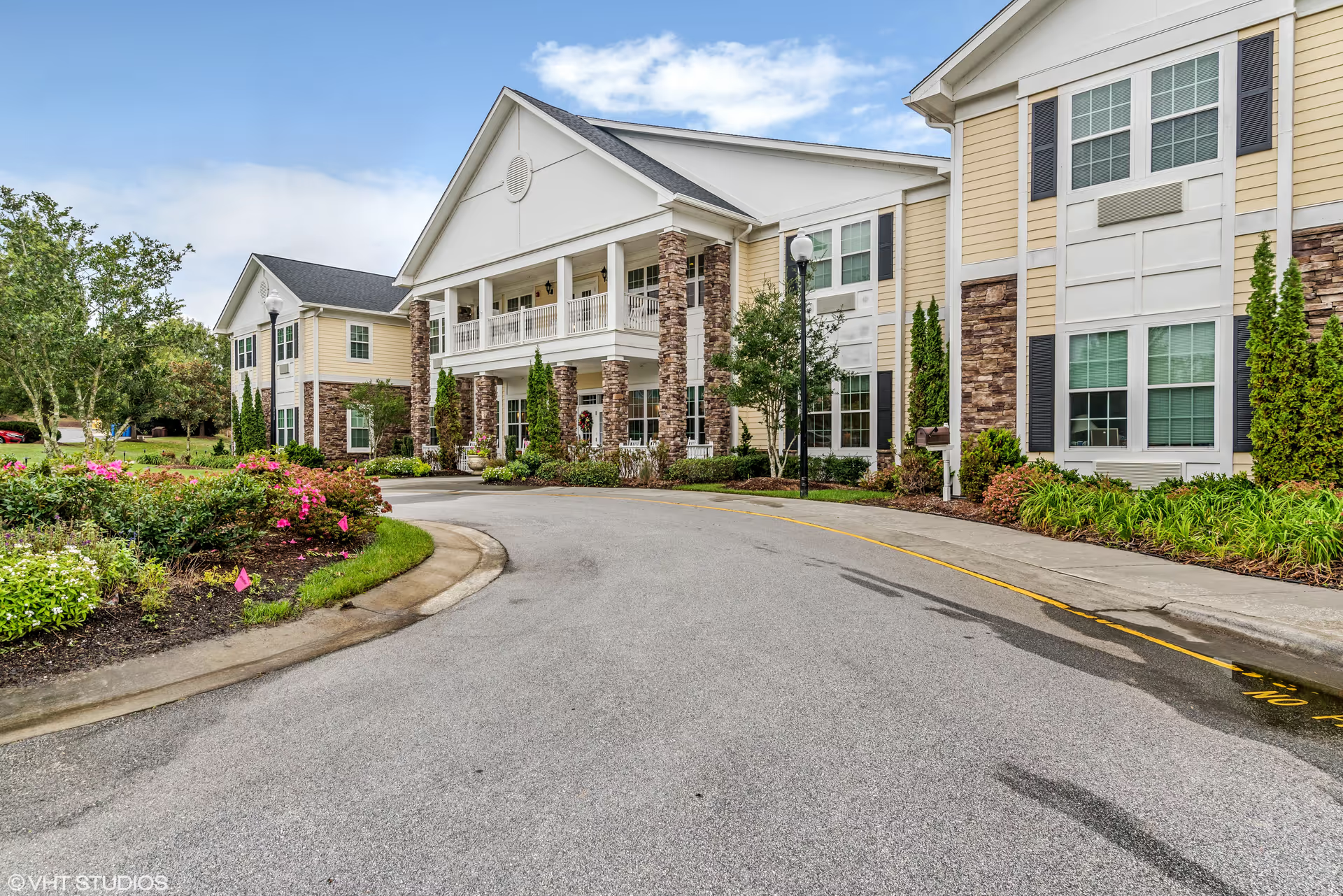
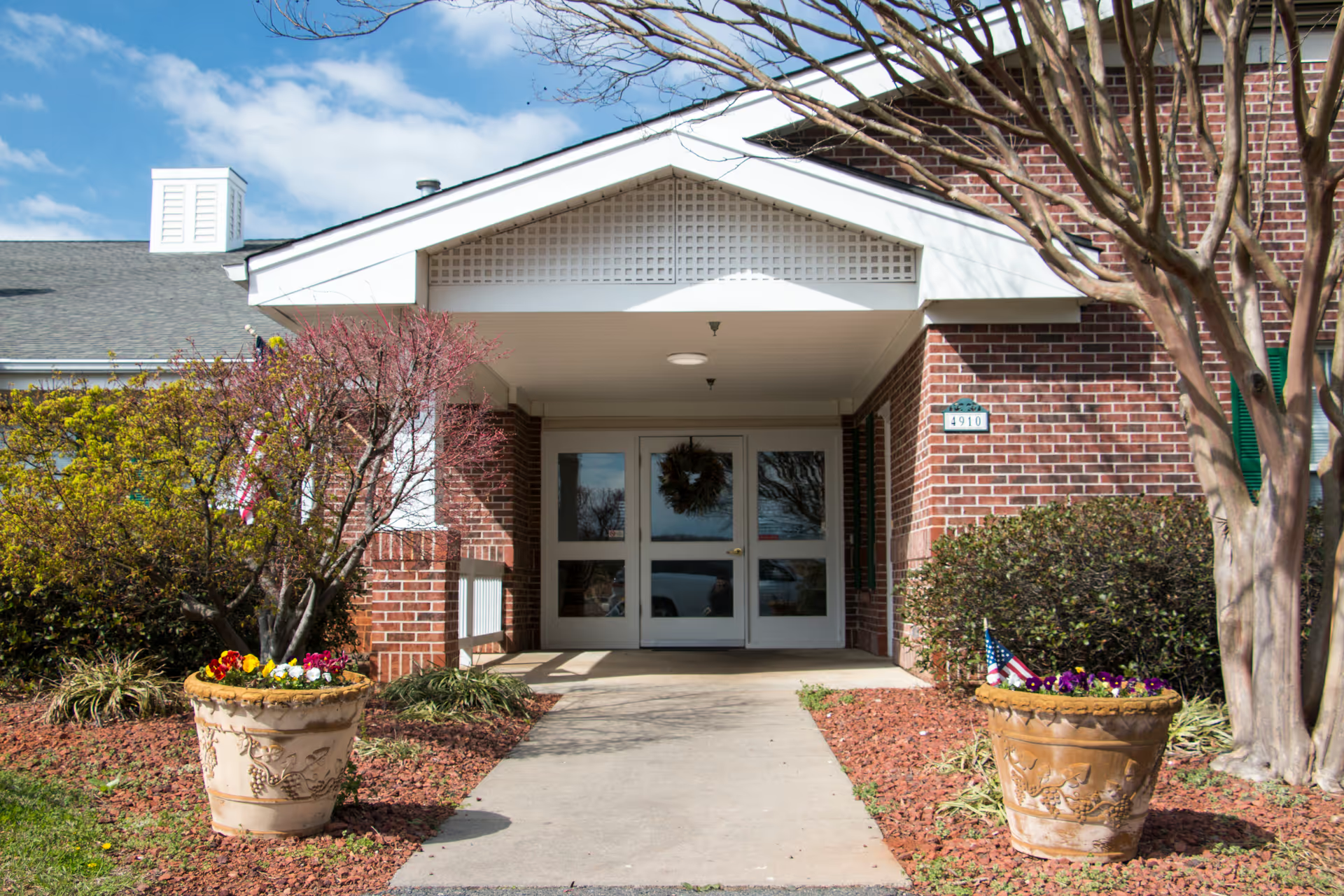
Facility condition and housekeeping receive mixed marks. Many reviewers complimented daily room cleaning and welcoming common areas; others flagged the need for deeper cleaning cycles, worn or outdated furniture, and uneven remodeling across rooms. Security and environmental monitoring were generally described as present, but a small number of accounts raise concerns about lapses in supervision and safety practices, suggesting variability in day-to-day oversight.
Management and communication show a similar pattern of variability. Several families described responsive local administrators who resolved issues promptly; other accounts describe slow or absent corporate follow-up and frustrating communication surrounding discharge planning, lack of clear discharge instructions, and limited empathy in sensitive situations. End-of-life care communication and privacy were specifically called out as areas needing improvement in a few instances.
Overall, Greens at Cabarrus appears capable of providing high-quality rehabilitation and compassionate care when staffing and supervision are consistent. The facility’s strengths are concentrated in its therapy teams, engaging activities, and many dedicated line staff. The most significant operational risks for prospective residents are inconsistent staffing across shifts, variability in meal and housekeeping consistency, occasional clinical-management gaps (medication/IV-site and personal-care responsiveness), and uneven facility maintenance. Prospective families would benefit from asking targeted questions about staffing patterns for the anticipated stay, dietary accommodations, infection-control and deep-cleaning schedules, and the facility’s procedures for handoffs, discharge planning, and end-of-life privacy to better assess fit.