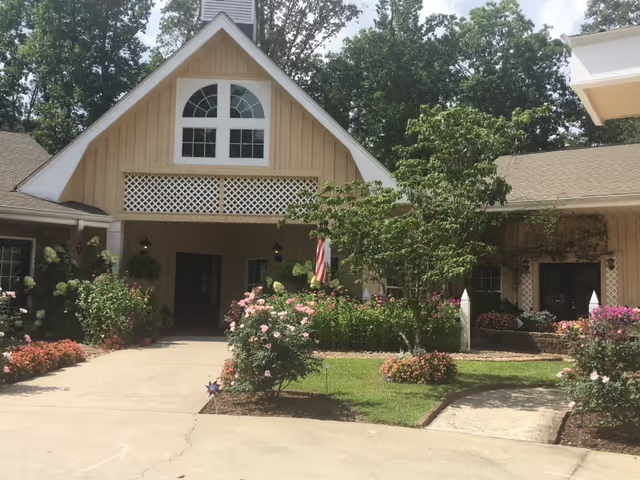
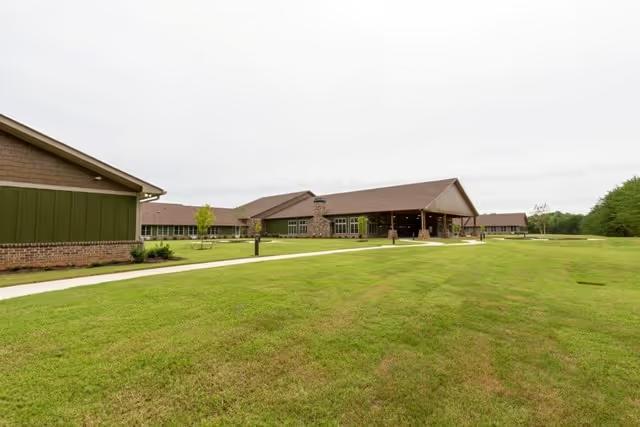
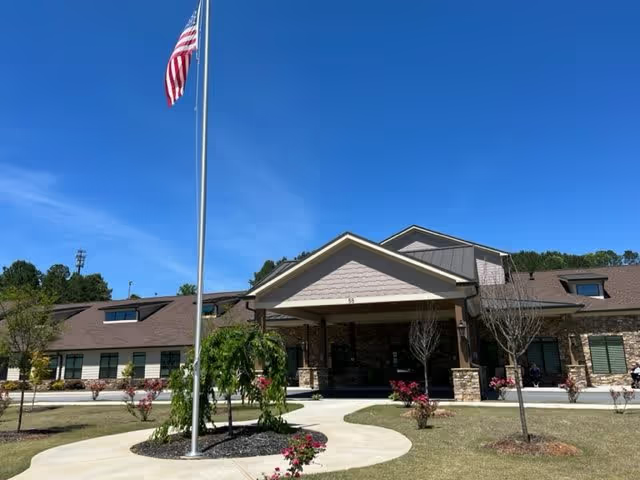
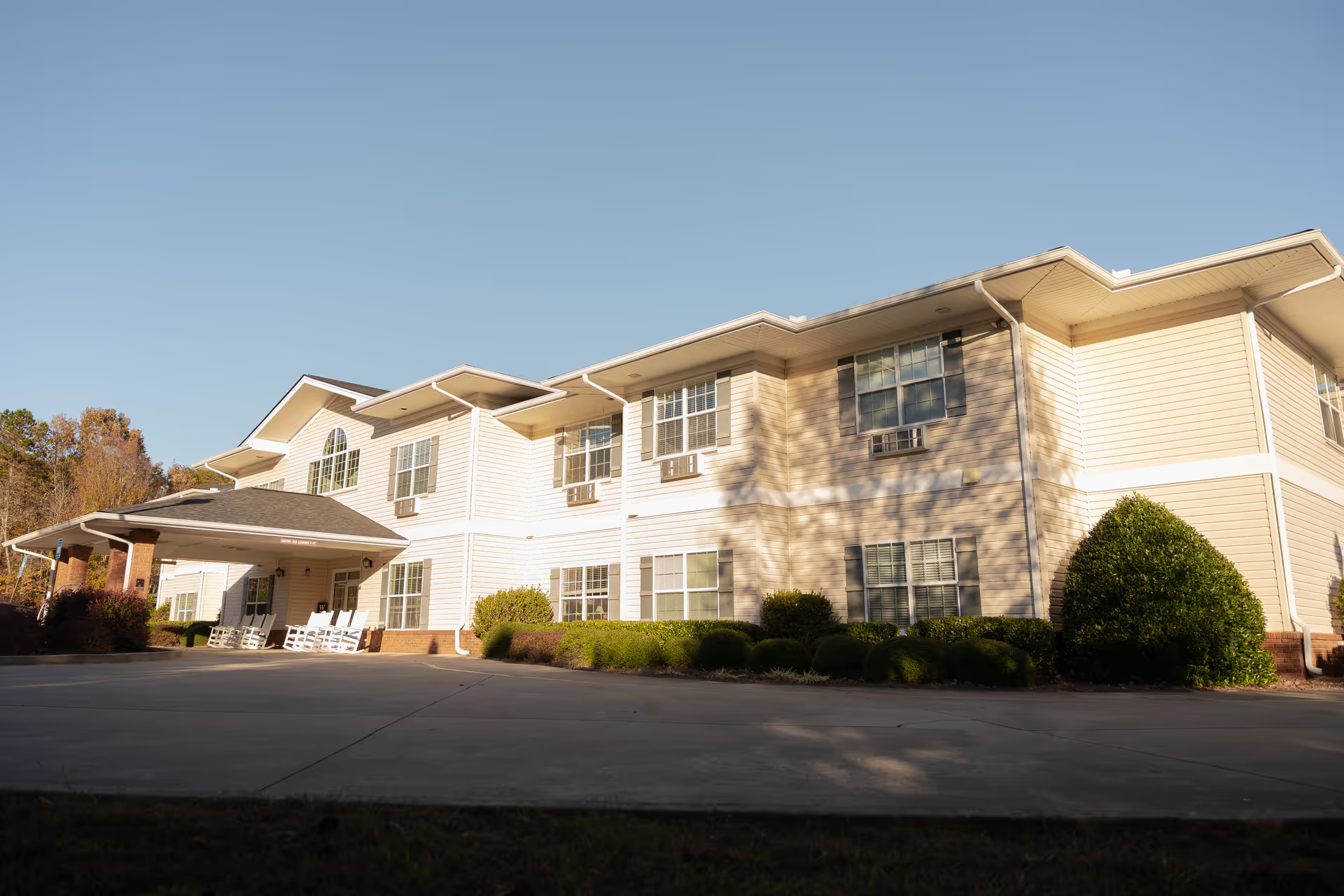
Murphy Rehab & Nursing elicits a mixed but generally positive set of impressions. Many accounts praise the facility's rehabilitation strengths, cleanliness, and welcoming environment: reviewers highlight an active physical-therapy program, attentive bedside care during critical moments, a clean and well-maintained building with attractive, resort-like décor, and a range of ancillary services such as dining, laundry, transportation, and a beauty shop. Social programming is robust—residents and families mention frequent activities (for example, Bingo and other stimulating events), successful social integration of rehab residents, and an uplifting atmosphere that contributes to morale.
Clinical care and staffing are described in two distinct ways across the summaries. On the positive side, numerous comments emphasize compassionate, skilled nursing and therapy staff who support independence goals, explain care plans clearly, and provide follow-up after discharge. Interdisciplinary functions such as kitchen staff, social workers, admissions, and front-desk personnel are also praised for being helpful and professional. On the concerning side, there are clear recurring operational issues: inconsistent adherence to individualized care plans, inconsistent personal-care routines (including bathing), and instances where documentation review and care coordination appear incomplete. These themes point to gaps in routine execution and oversight rather than to facility infrastructure.
Specific clinical concerns raised in several accounts relate to skin and wound management and delays in addressing basic personal-care needs. While the facility is repeatedly described as clean and comfortable, these clinical-process issues suggest variable execution at the point of care. Relatedly, some comments indicate gaps in staff responsiveness and accountability, for example delayed responses to requests for assistance and instances where family members had to escalate to obtain attention. Together, these items suggest opportunities for stronger shift-to-shift communication, clearer assignment tracking, and more consistent care-plan adherence.
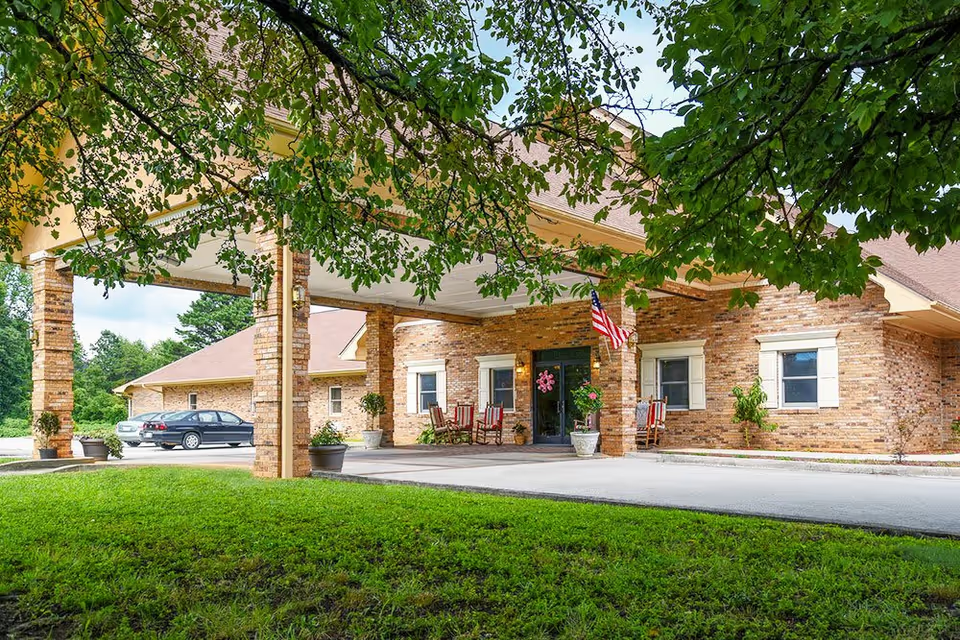
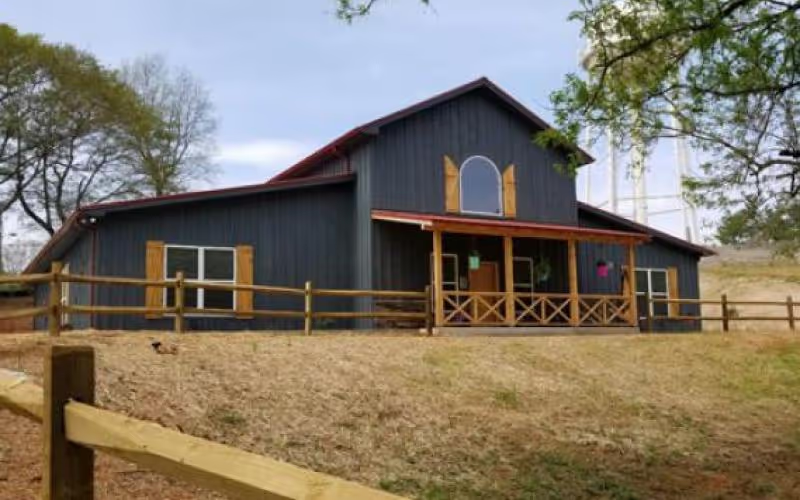
Dining and amenities receive largely positive feedback: meals are described as being delivered when needed, and the kitchen receives favorable mentions. Facility amenities and security are noted as strengths, and the physical environment (including a distinctive front-porch rehab area and attractive rooms) contributes positively to the resident experience. The facility also appears to make an effort with admission processes and post-discharge follow-up, which some families found reassuring.
For prospective residents and families, the overall pattern is of a facility with strong rehabilitation services, supportive ancillary programs, and a clean, pleasant environment, paired with operational inconsistencies that can affect day-to-day personal care and documentation. When evaluating Murphy Rehab & Nursing in person, consider observing direct-care interactions, asking for examples of how individualized care plans are audited and reinforced, inquiring about wound-care and skin-monitoring protocols, and clarifying escalation and family-communication procedures. These targeted questions can help determine whether the facility’s operational practices align with the largely positive clinical and amenity strengths described by many families.