Reviews of Roxboro Healthcare & Rehabilitation Center present a mixed but informative picture. Many commenters praised the bedside care and rehabilitation services: families and residents frequently highlighted compassionate nurses, attentive CNAs, and an engaged rehab team (physical, occupational and speech therapy). Multiple accounts described administrators, a proactive director of nursing, and supportive social-work and hospice coordination as strengths. The facility's activities program, outdoor garden spaces and on-site gym were also noted positively, contributing to a family-like atmosphere for many residents.
Care quality is described as generally strong in centers of activity such as therapy and direct resident interaction. Several reviewers emphasized effective rehabilitation outcomes and individualized engagement from therapists and aides. At the same time, reviews indicate uneven performance among direct-care staff: while many staff are praised as caring and responsive, there are recurring mentions of staff conduct and responsiveness that fall short of expectations in certain instances. A few accounts also raised concerns about clinical monitoring and care transitions after acute events, suggesting that systems for ongoing observation and escalation could be strengthened.
Dining and nutrition emerge as a consistent area of concern. Reviews alternate between praise for good meals and direct criticisms about food served cold, limited protein options, and inadequate meal distribution staffing. These operational issues affect resident satisfaction and, in some reports, perceived nutrition adequacy. Families should verify current dining procedures, staffing levels for meal service, and how nutrition needs are assessed and addressed.
Operational and communication weaknesses are another prominent pattern. Multiple reviews describe difficulty reaching staff by phone, long hold times, unanswered voicemails or emails, and the absence or limited availability of front-desk reception at times. Staffing shortages and turnover—particularly among aides and nursing personnel—were cited as factors that strain care continuity and contribute to slower response times. Therapy scheduling limitations, including short daily sessions and limited or no weekend therapy, were noted as constraints on rehabilitation intensity.
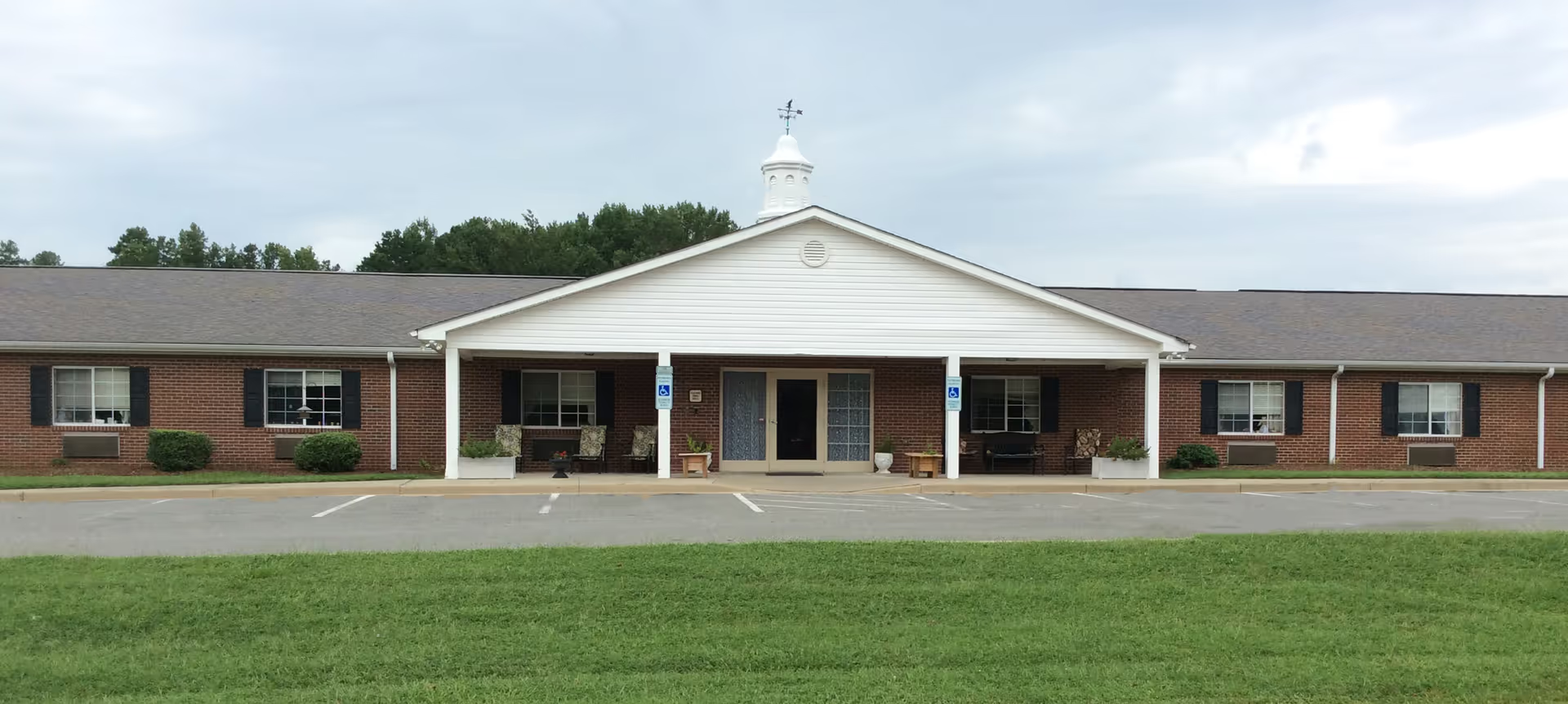
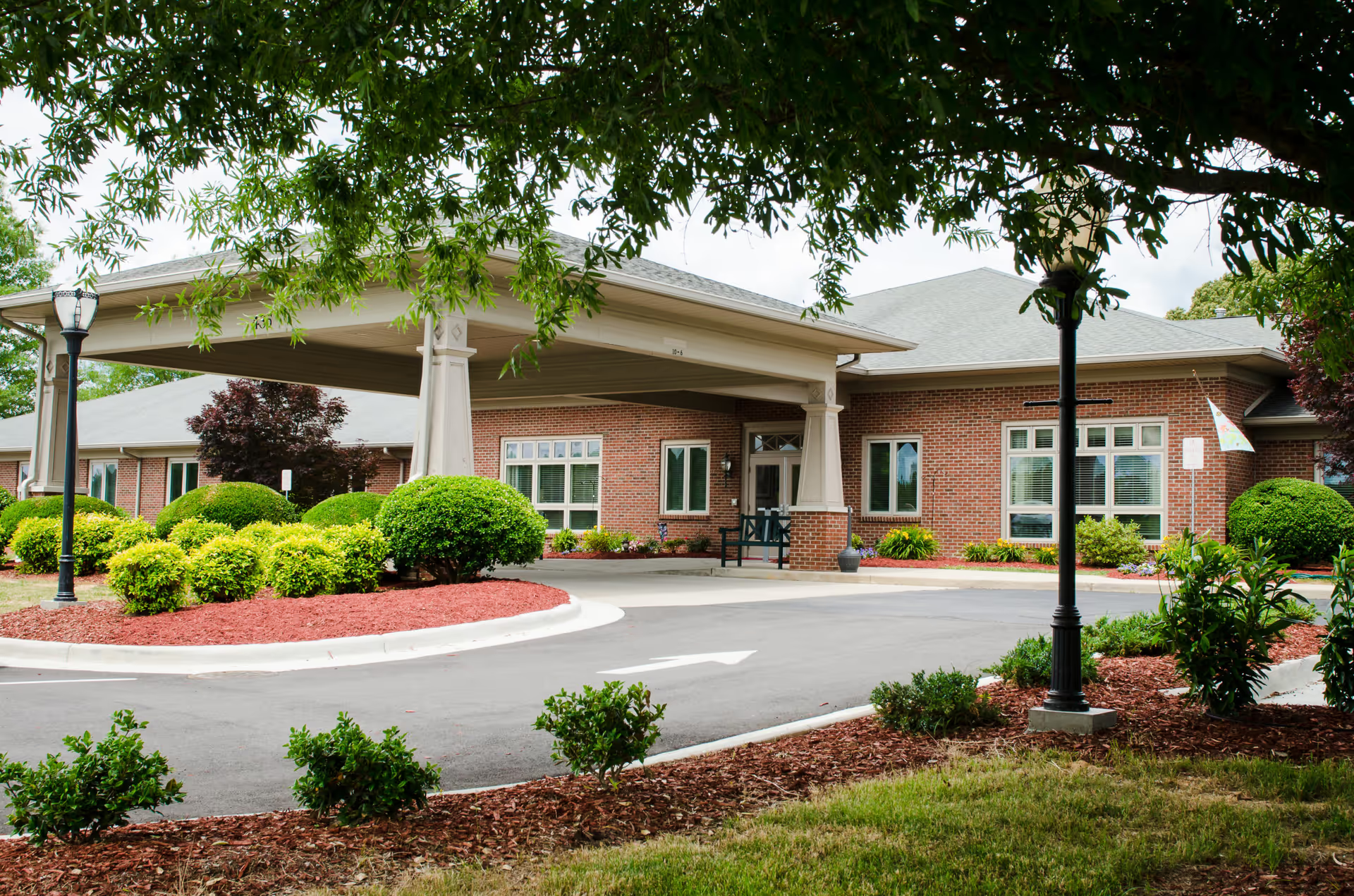
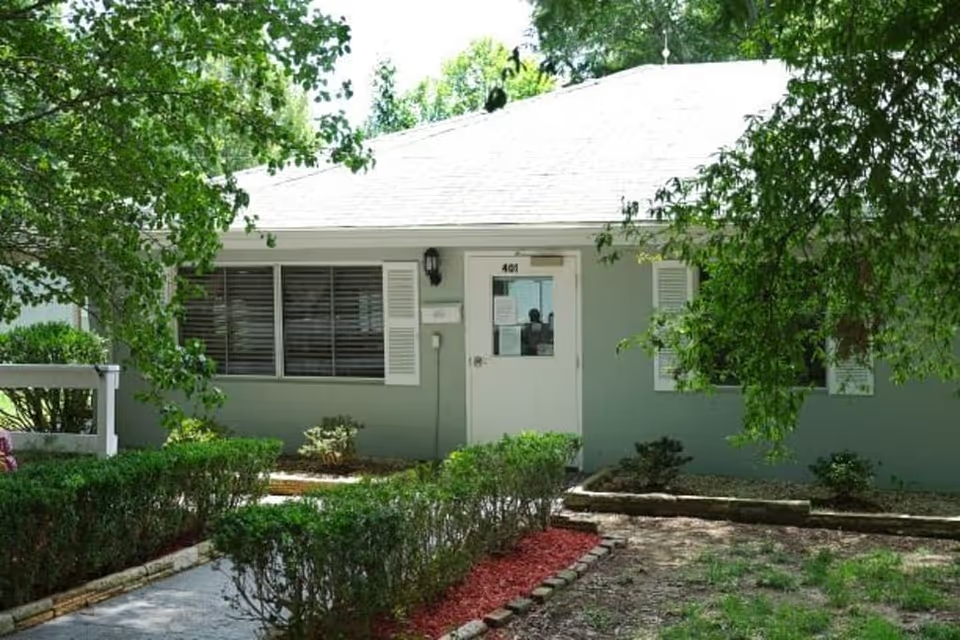
Facility maintenance and environment receive mixed feedback. Several reviewers described a clean, well-kept environment and praised housekeeping and maintenance staff, while others raised sanitation and pest-control concerns in specific areas and suggested the building could benefit from cosmetic updates (repainting, brighter, more home-like finishes). These mixed observations suggest variability across units or over time.
In summary, Roxboro demonstrates clear strengths in compassionate direct care, a capable rehabilitation program, and pockets of strong leadership and social-work support. However, persistent operational issues—especially around meal service, staffing levels, phone and family communication, limited therapy availability, and occasional sanitation/maintenance problems—warrant attention. Prospective residents and families should ask targeted questions about current staffing ratios, therapy schedules (including weekend availability), meal-service processes, communication protocols for families, and how the facility addresses sanitation and clinical-monitoring concerns when evaluating fit.