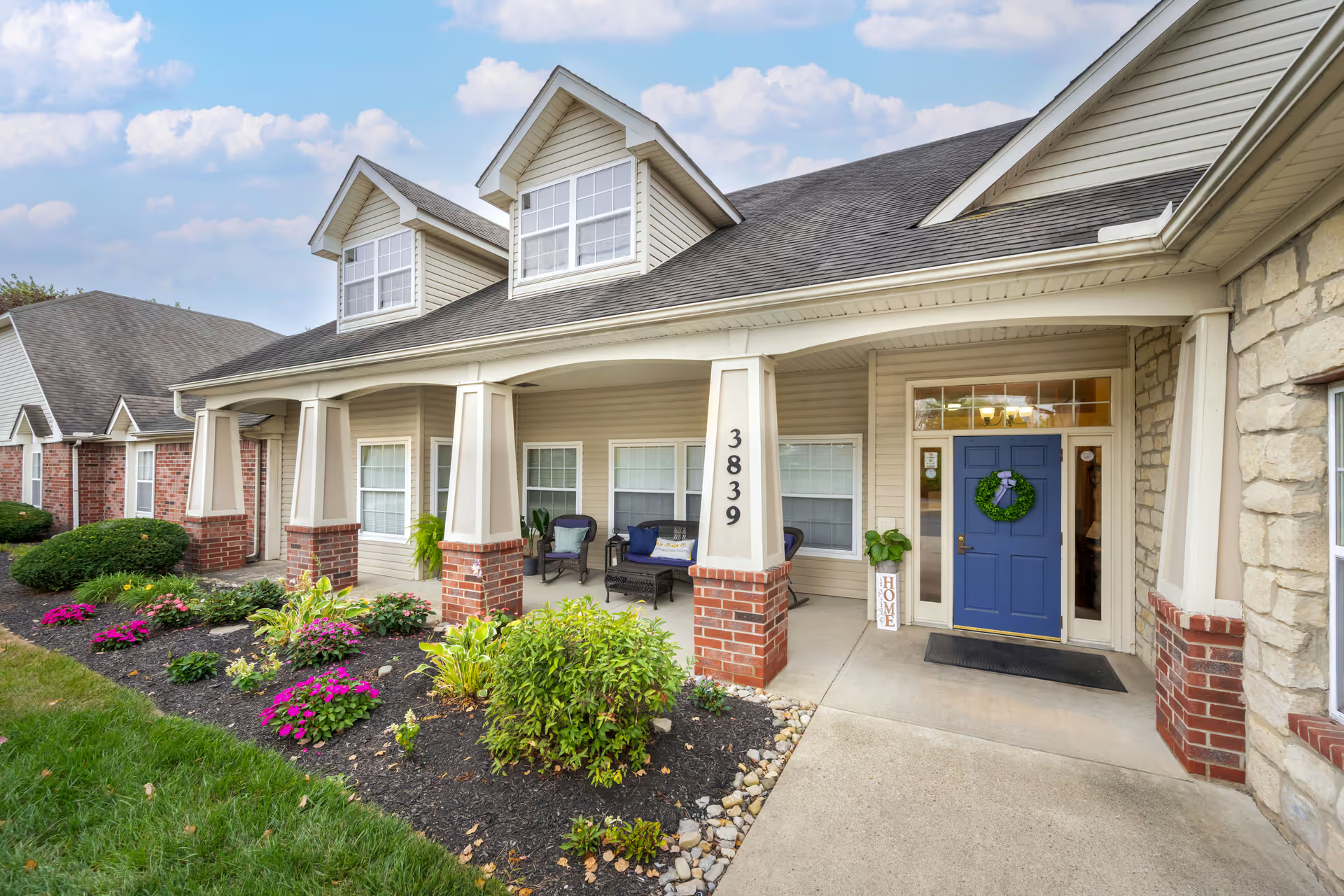
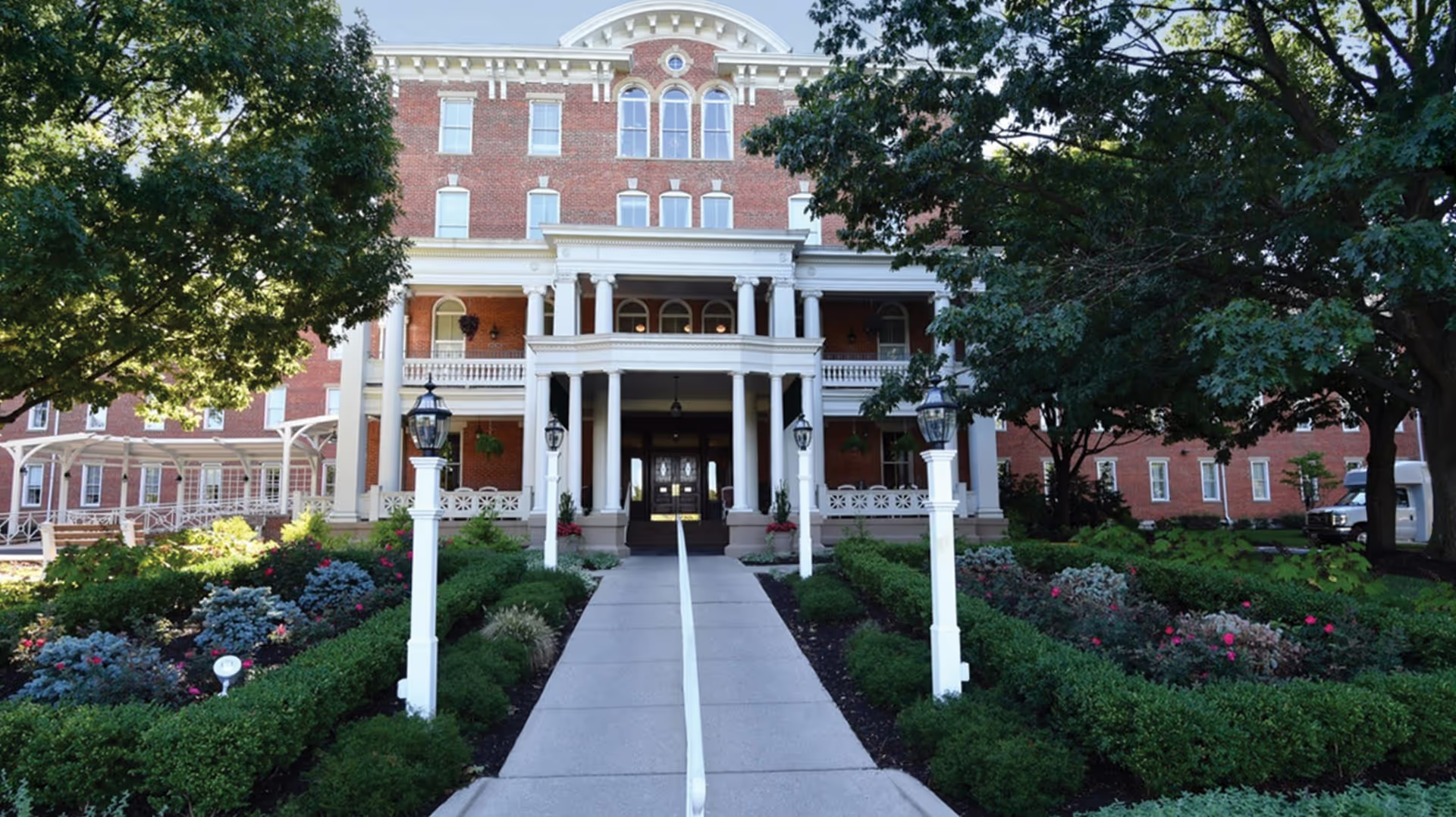
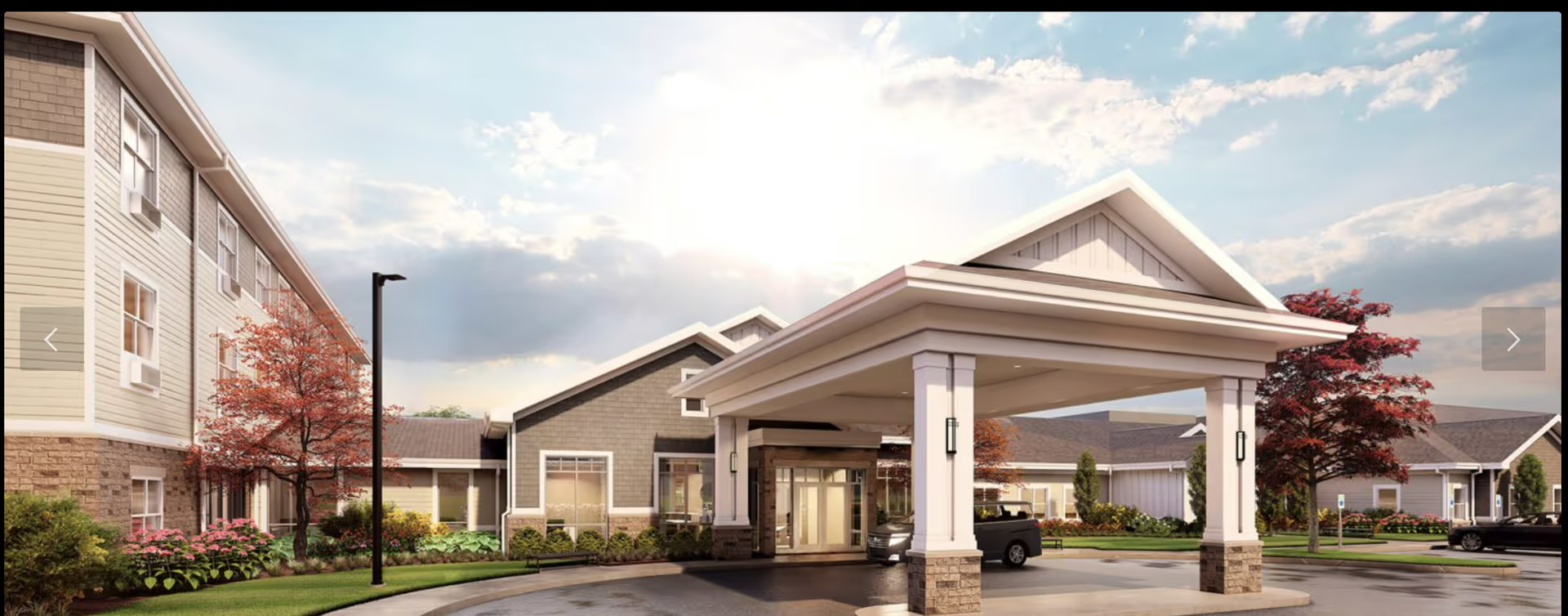
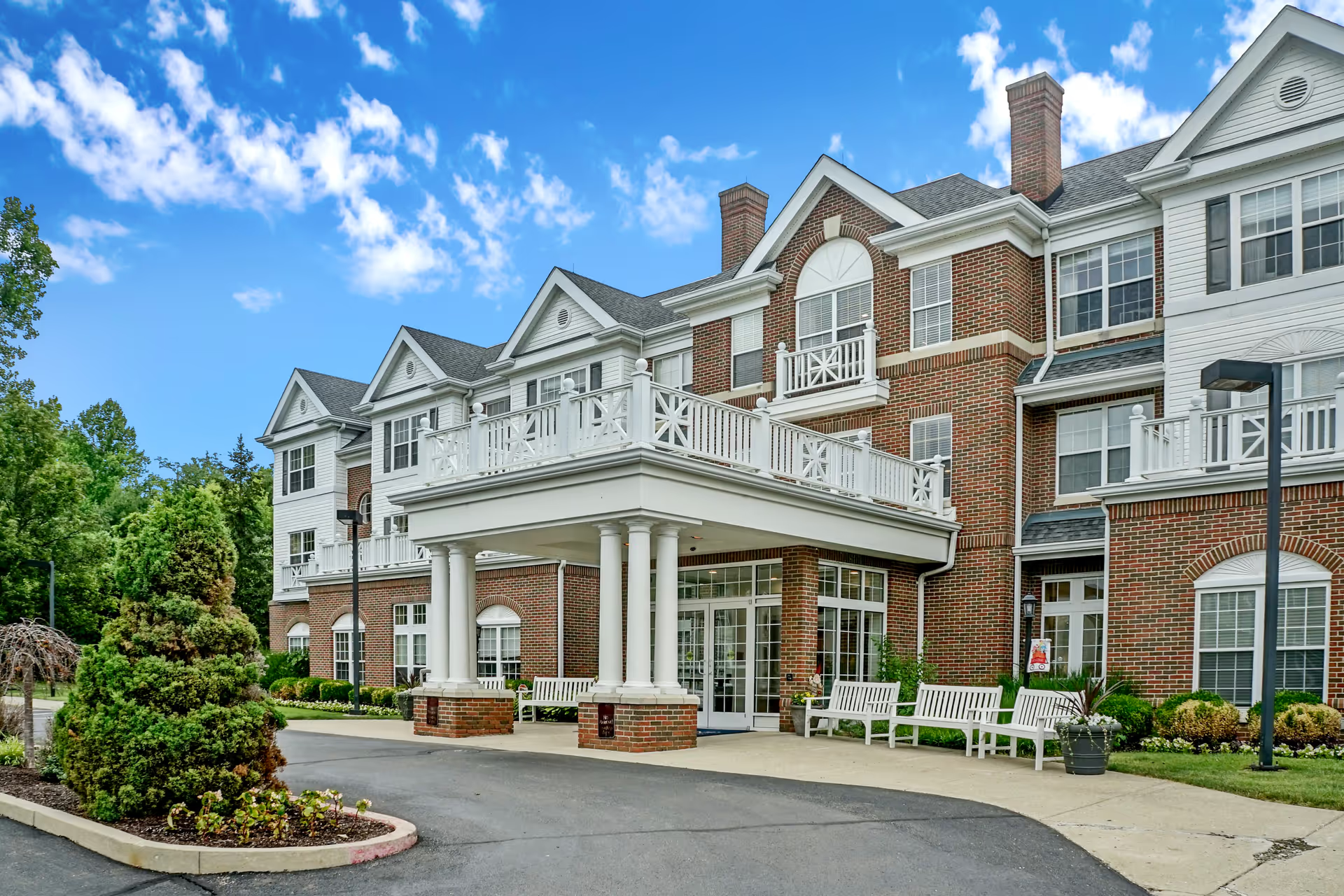
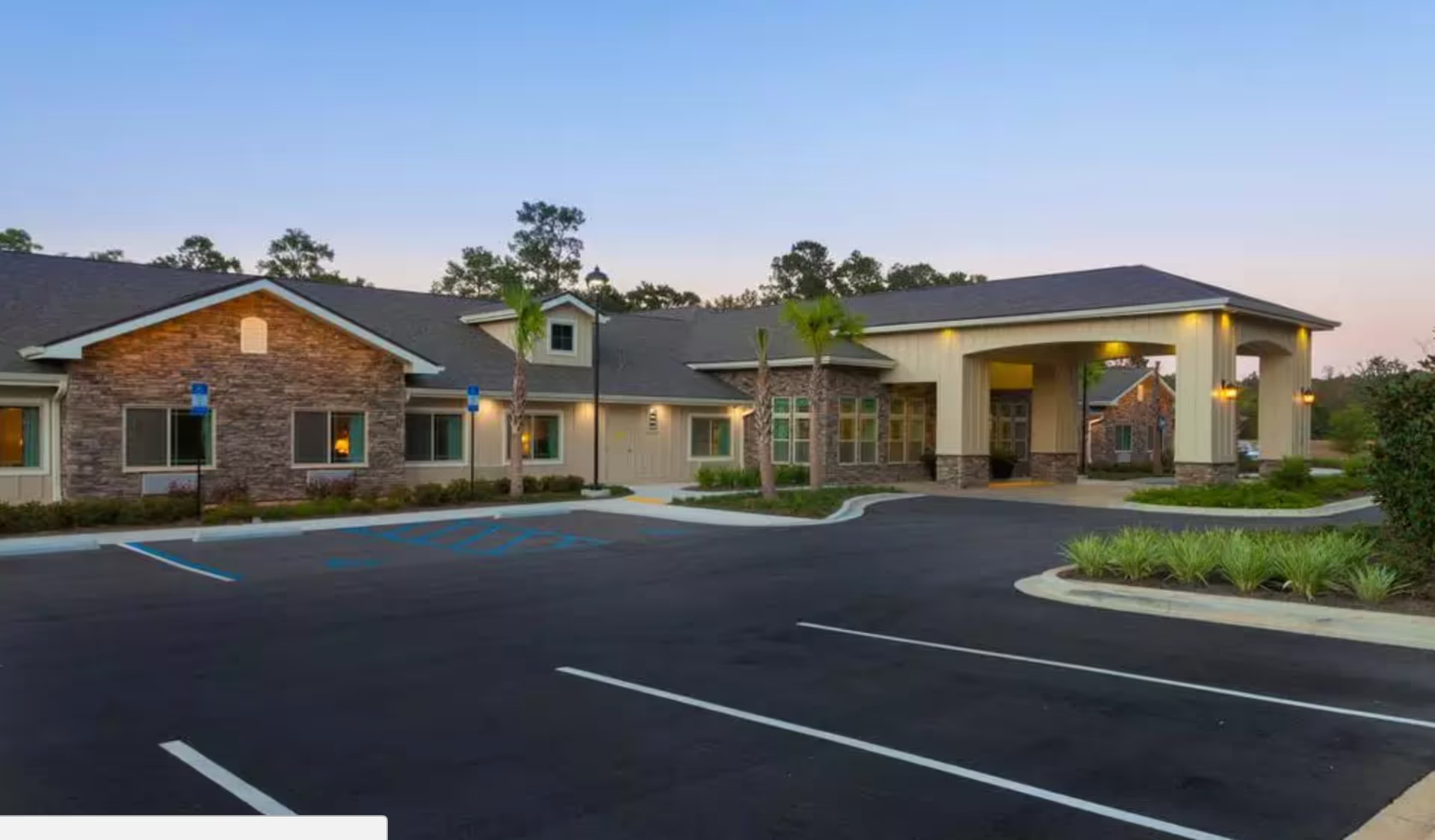
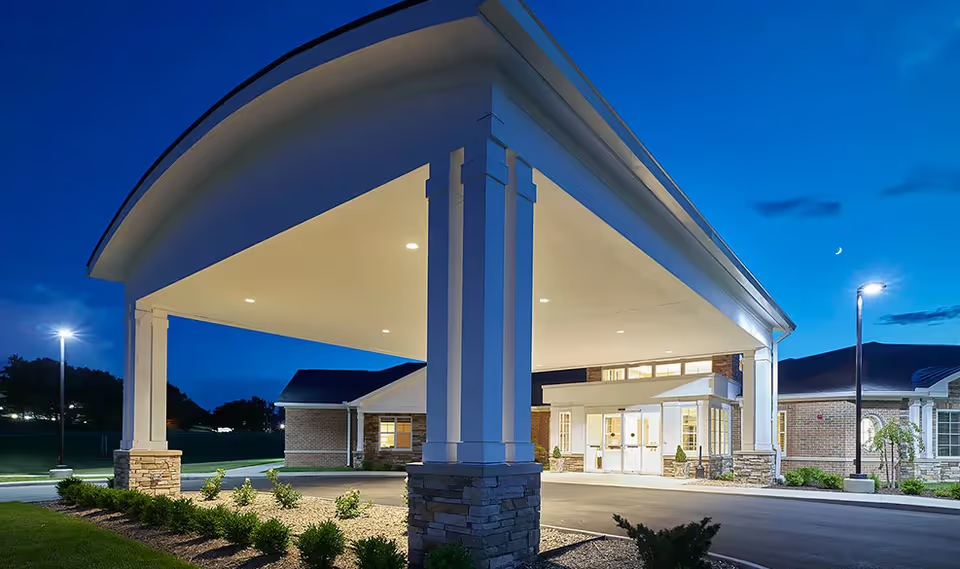
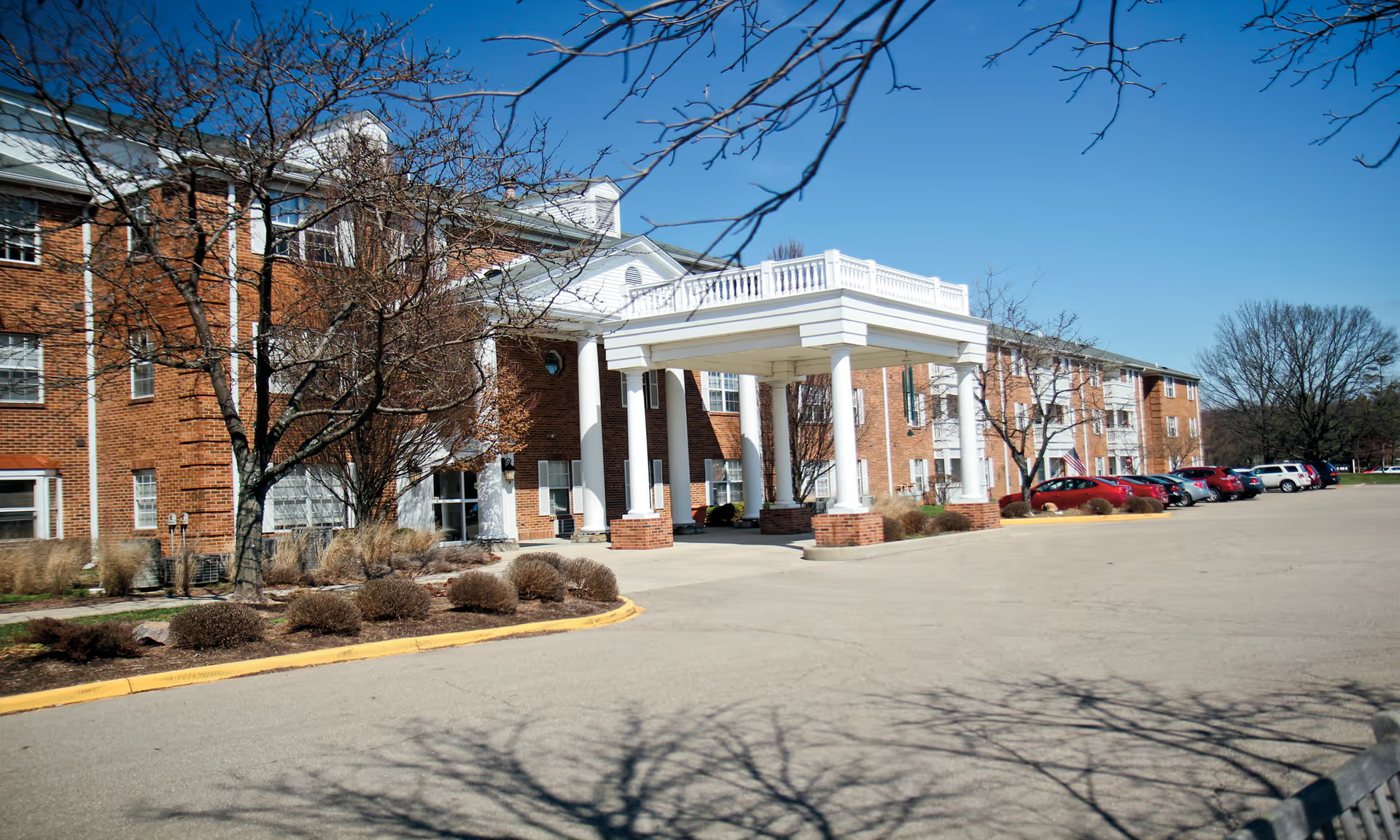
The reviews describe a facility with strong physical and programmatic assets: a clean, modern building, attractive common areas, an on-site salon, and a broad schedule of activities that many families and residents find meaningful. Dining is frequently cited as a strength — varied menus, attentive culinary staff, and communal dining that supports socialization. Clinical staff, including nurses and certain departmental leaders (activities directors, director of nursing), receive repeated praise for compassion, responsiveness, and smooth coordination during transitions between hospital, rehab, and the community.
At the same time, a consistent pattern of operational weaknesses emerges. Staffing instability is the most prominent concern: high turnover, reliance on temporary/agency caregivers, and apparent understaffing in memory-care units contribute to inconsistent day-to-day care. Those patterns correlate with reports of missed or delayed assistance (including bathing, laundry, and mealtime help), inconsistent medication-administration practices, and variable housekeeping performance. Families also describe lapses in communication—both routine updates and critical notifications—which compounds anxiety when clinical or behavioral issues arise.
Management and administrative processes show mixed performance. Some administrative staff and new leadership hires are described as helpful and responsive, while others are associated with frequent leadership changes and inconsistent follow-through. Billing and contract-administration problems (incorrect invoices, delayed refunds, unexpected charges for services such as salon or hospice) recur enough to be a distinct operational concern. In memory care specifically, reviewers identified gaps in supervision and clinical oversight that they link to safety and sanitation issues; these comments indicate a need to verify unit-level staffing ratios, supervision protocols, and care-plan enforcement before placement.
For prospective residents and families: the facility offers many genuine strengths — environment, programming, dining, and pockets of strong clinical and administrative staff — but those strengths are unevenly distributed. During a tour or decision process, consider asking for current staffing ratios (including percent agency staff), turnover statistics for key roles, the frequency and documentation of care-plan reviews, medication-administration protocols, housekeeping schedules, incident-communication policies (including how families are notified of clinical changes), and sample billing statements or contract terms. Request to meet the director of nursing and memory-care leadership, and observe mealtime and activity periods when possible.
Overall, many families express satisfaction and recommend the community when direct care staff and leadership teams are stable and engaged. However, the facility appears vulnerable to operational variability tied to staffing and administrative processes; due diligence on those areas is advisable for anyone considering placement, particularly for residents requiring consistent memory-care oversight or higher-intensity assistance.