Overall impression: Reviews present a bifurcated picture. Many families and former residents describe attentive, compassionate front-line caregivers, a strong rehabilitation program, well-kept grounds, and a bright, accessible building with a good activity program. At the same time, a substantial number of accounts raise operational concerns that affect daily care and family confidence.
Care and clinical quality: Clinical experiences appear inconsistent. Therapy and rehab services are frequently highlighted as a facility strength — therapists are described as knowledgeable and effective — but long-term clinical care is described as more variable. Specific operational weaknesses cited across reviews include delayed responses to call systems, inconsistent bathing and hygiene schedules, medication-ordering and administration gaps, and lapses in routine clinical follow-up. A subset of accounts includes serious allegations regarding clinical-incident handling; those would warrant targeted review by families and regulators.
Staffing and staff conduct: Multiple reviews note friendly, caring, and professional aides and nurses, while others describe hurried or curt interactions, perceived favoritism, and accountability gaps. Staffing levels and scheduling practices are recurrent themes: understaffing and late or absent aides are linked to slow response times and inconsistent basic-care delivery. Human-resources and payroll concerns were raised by employees in some accounts, which can influence turnover and morale.
Dining and nutrition: Meal service quality is inconsistent. Positive notes include adequately sized dining rooms and regular meals and social dining opportunities, but families report uneven food temperature and quality, limited appealing choices, and insufficient accommodations for therapeutic diets (diabetic, heart-healthy). Meal substitutions and limited variety are recurring operational concerns rather than isolated incidents.
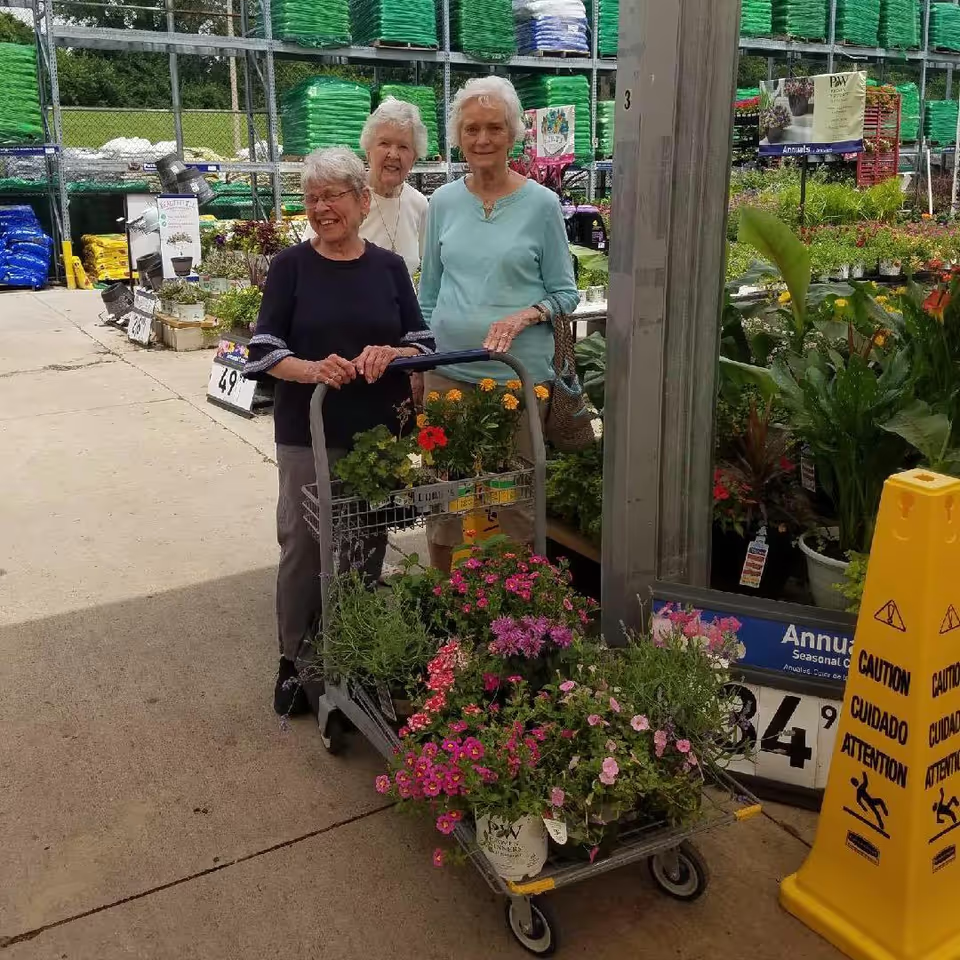
Activities and atmosphere: The facility receives consistent praise for its activity offerings — exercise classes, memory activities, games, and special events — and for a generally cheerful communal environment. These programs are a clear strength for residents seeking engagement and socialization.
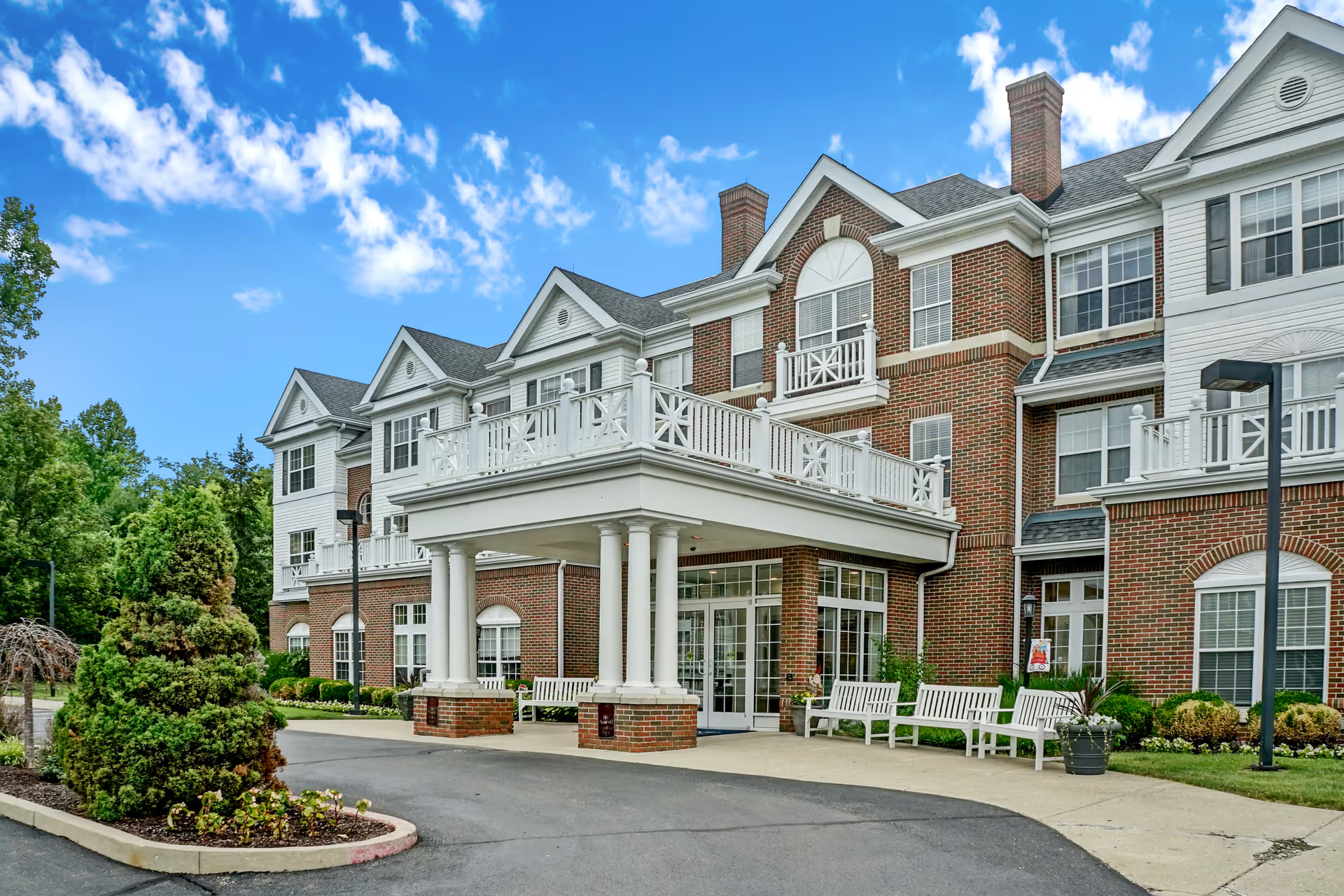
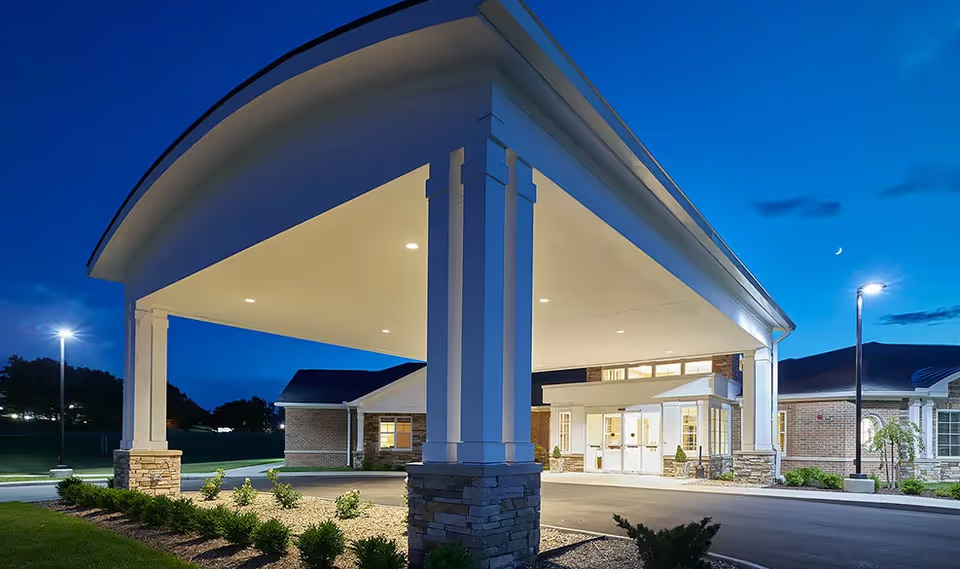
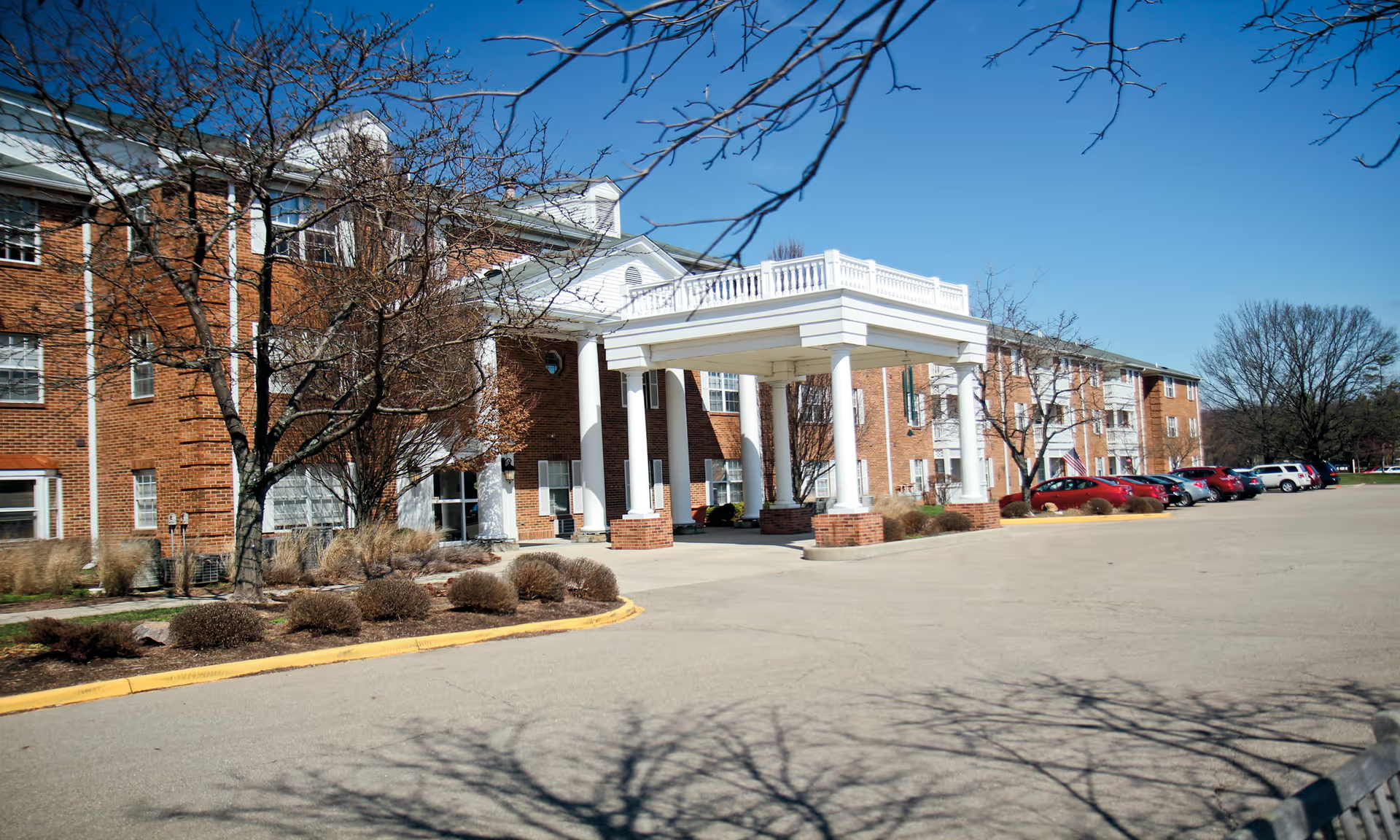
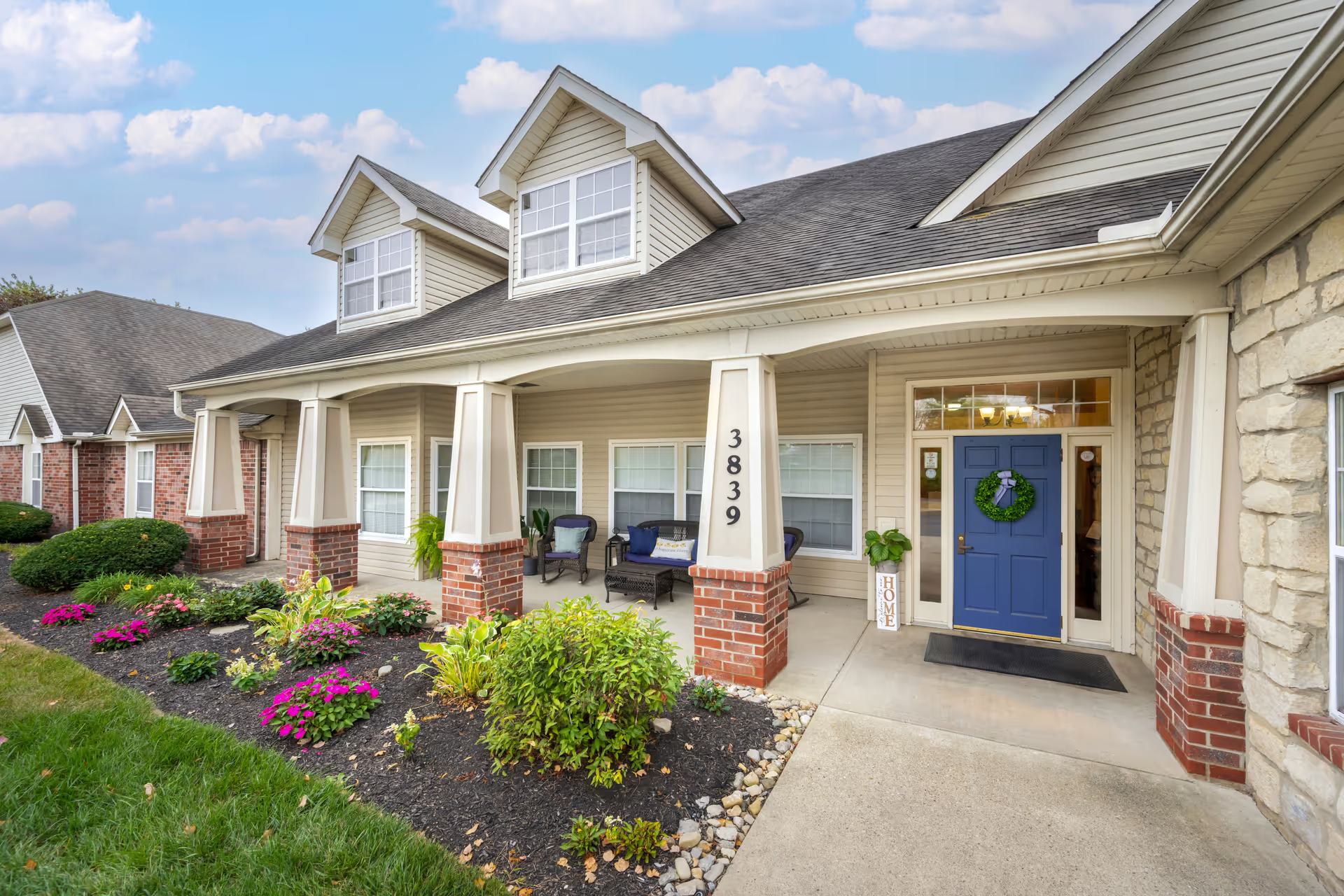
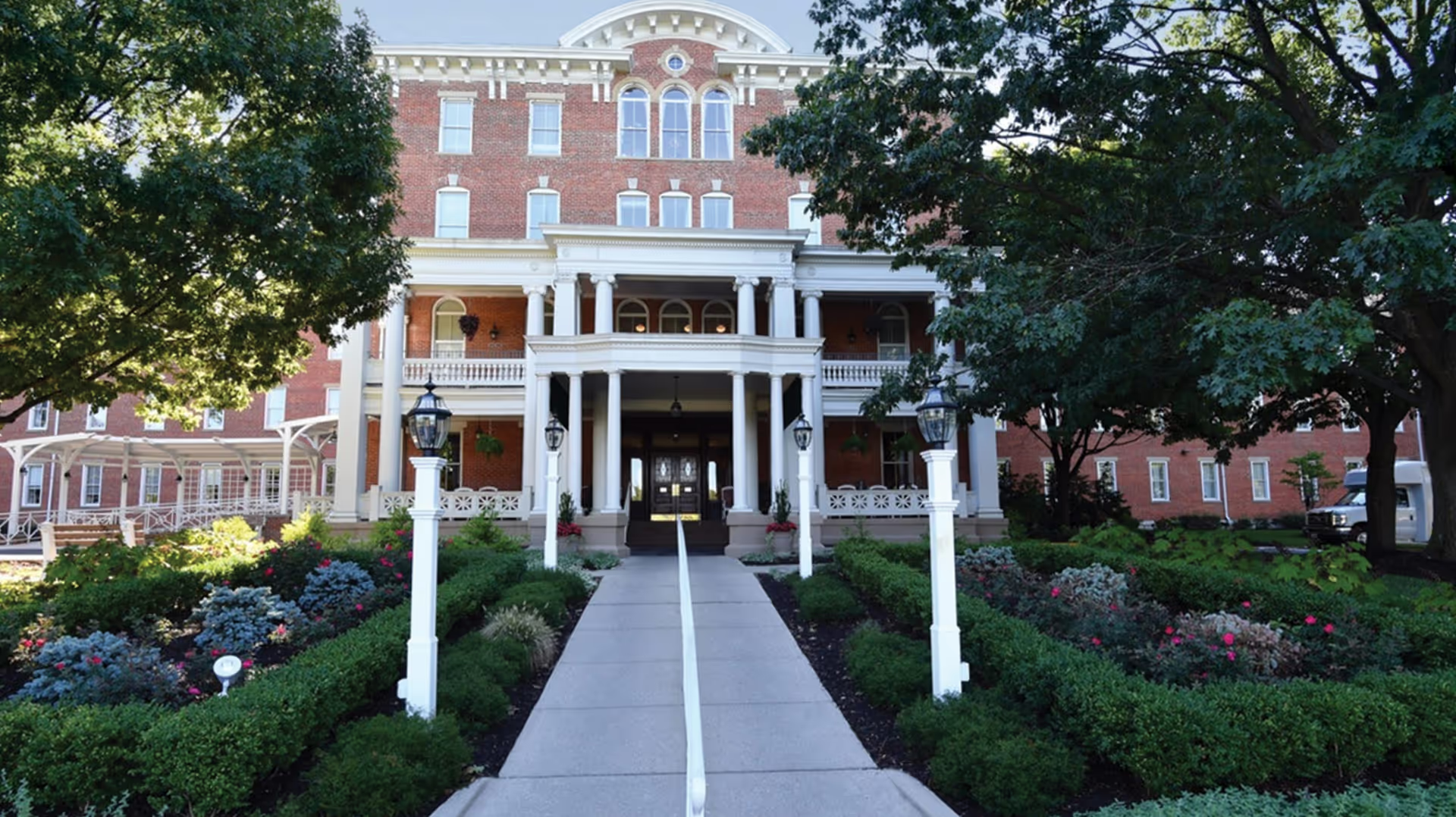
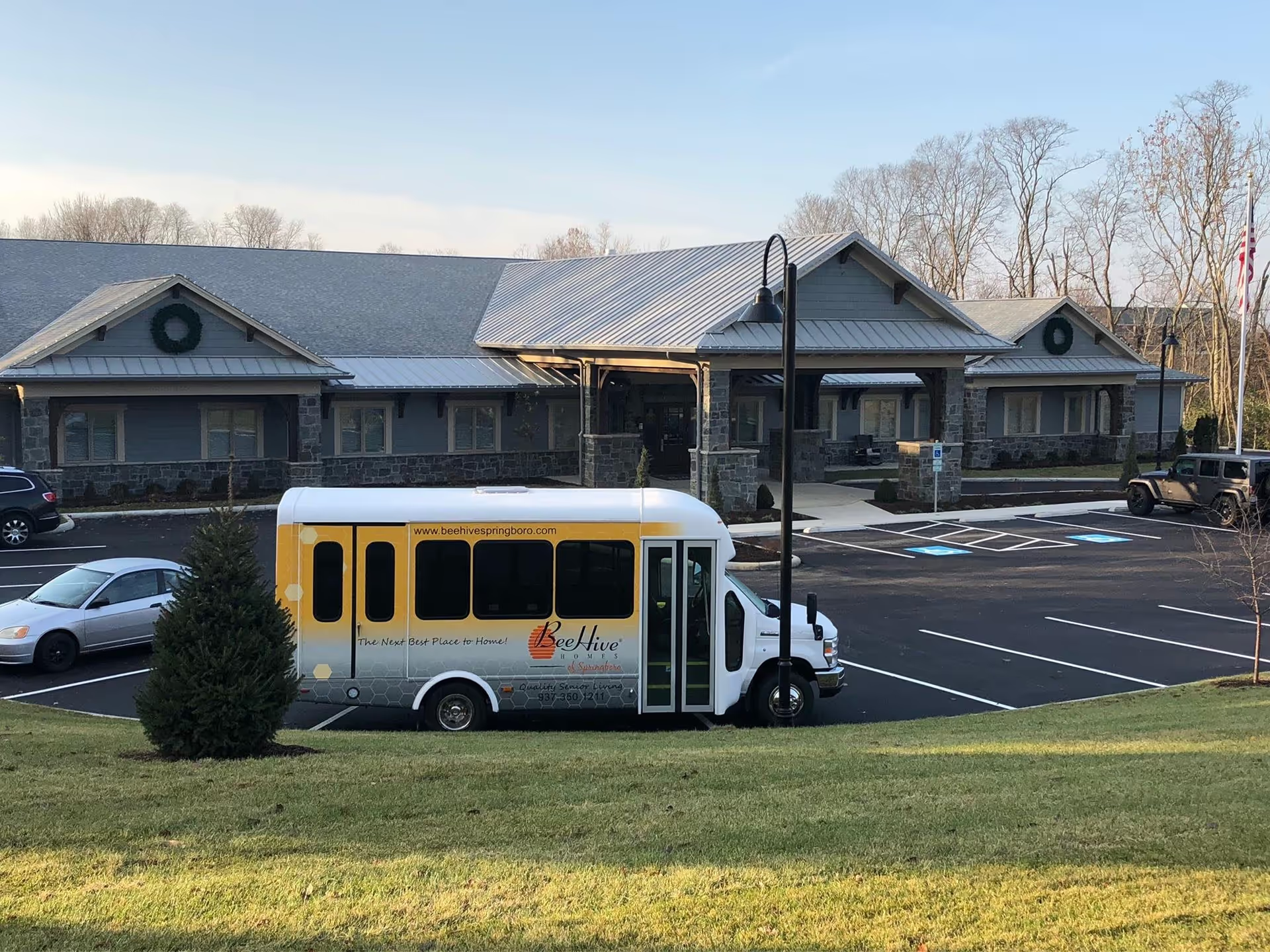
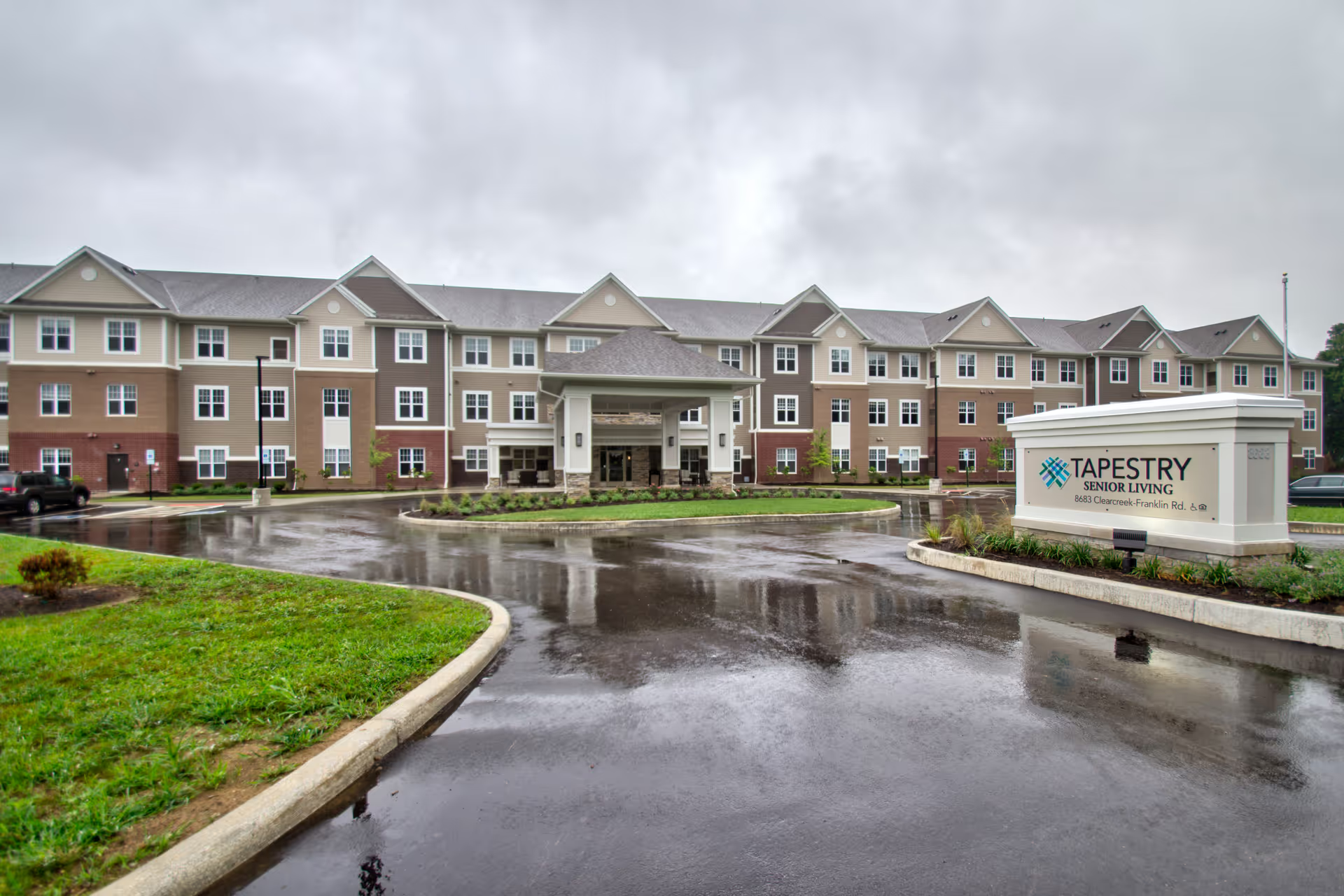
Facilities and cleanliness: The building and grounds are often described as modern, bright, and well maintained, especially rehabilitation areas and upper floors. However, cleanliness and housekeeping consistency vary by unit: some reviews cite sanitation and pest-control concerns and uneven housekeeping performance, particularly on lower floors or long-term care areas.
Management, communication, and operations: Communication and administrative follow-through are notable weak points. Families report difficulties scheduling care conferences, unpredictable transfers or relocations, transportation no-shows, and delays in responding to family concerns. Financial and HR processes (payroll, reimbursements, documentation) were described as inconsistent by both staff and family reviewers. Together these issues contribute to a perception of weak operational oversight.
Notable patterns and guidance: The most consistent positive signals are strong rehab/therapy services, engaging activities, and many examples of compassionate front-line caregivers. The most consistent negatives are operational: staffing levels, medication processes, sanitation/housekeeping consistency, dietary accommodations, and management communication. Prospective residents and families should consider direct questions about staffing ratios, medication administration protocols, pest-control and housekeeping oversight, therapeutic-diet procedures, and differences in standards between rehab and long-term care units. If possible, arrange a visit to the specific unit under consideration, ask to speak with therapy staff and nursing leadership, and request documentation of care plans and recent quality or inspection reports.