Bridgetown Nursing and Rehabilitation presents a mixed picture. Many families and residents describe the facility as small and personable, with an intimate, family-like atmosphere. The therapy and rehabilitation program earns consistent praise — several accounts describe major functional improvements and rapid, effective discharges credited to skilled therapists. Nursing staff and personal-care aides are frequently characterized as caring and attentive, and reviewers highlight staff members who appear to enjoy their work and who make individualized efforts (for example, learning a new language) to communicate with residents.
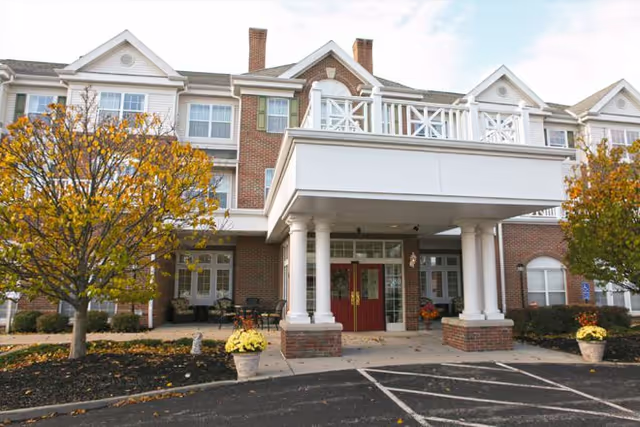
Activities, dining-adjacent spaces, and amenities are strengths for this facility. Reviewers note an active calendar (bingo, movie nights, puzzle stations, happy hour, and meaningful programs), on-site church services, a workout room, and a pleasant lunchroom. The facility’s interior features — including a welcoming lobby, a large fish tank, and spacious resident rooms with included TV and phone — contribute to a calming environment. Outdoor grounds and garden areas are described as large and well-maintained, and accessibility features (automatic doors, level entrances) were specifically mentioned.
Care quality perceptions are varied. Positive accounts emphasize timely care, respectful treatment, and successful rehabilitation outcomes. At the same time, other families describe operational issues that affect day-to-day care: inconsistent staffing and scheduling problems, delays in attending to personal-care needs, and concerns about the professionalism or communication tone of certain staff and managers. These operational challenges appear to be intermittent but significant when they occur, and several reviewers connected them to periods of management change.
Management, billing, and governance are notable areas of concern. Multiple reviewers described unclear billing communications, unexpected out-of-network charges, promises of waived out-of-pocket costs that were later reversed, and aggressive collection activity; such accounts include descriptions of liens or collection calls. These financial and transparency issues have led some families to pursue complaints with regulatory authorities. Additionally, reviewers pointed to management turnover, perceived declines in oversight following leadership changes, and instances of limited responsiveness from administration.
Facility condition and infection-control approaches show a split in perception. Many reviewers praised a clean, odor-free, comfortable environment, while others raised sanitation concerns in parts of the building. The campus includes older infrastructure in places, which some families noted alongside otherwise pleasant common areas. Infection-control policies (including strict masking or visitation rules) have been described as rigid by some families, which may affect family access and experience during heightened public-health periods.
Overall, Bridgetown Nursing and Rehabilitation offers strong rehabilitative care, an active activities program, and many compassionate staff members who create a welcoming environment for residents. Prospective residents and families should weigh those strengths against operational risks observed by others: clarify billing and contract terms in writing, ask about current staffing patterns and leadership stability, tour relevant care units, and inquire specifically about sanitation practices and visitation/infection-control policies before committing. Doing so can help align expectations with the facility’s current practices and recent leadership dynamics.