Bridgeway Pointe presents as a small, non-profit assisted living community with a strong emphasis on a home-like atmosphere and clinical connectivity through a University Hospital/UC Health affiliation. Many families praised the staff as compassionate and attentive, and the facility is consistently described as attractive, quiet, and conducive to social engagement. The dining program is frequently called out positively for varied, bountiful meals and attentive dining-room staff. On-site therapy, rehabilitation services, and daily communication with families are also strengths that support resident health and family peace of mind.
Care quality and staffing: Overall impressions of caregiving are favorable — staff are described as warm, family-oriented, and responsive by many families. At the same time, a pattern of operational limitations emerges around coverage and responsiveness: reviewers raised concerns about nighttime and weekend staffing levels and slower response to call lights or care requests. These indicate potential gaps in consistent staffing and responsiveness that prospective families should assess directly during a visit and when reviewing staffing schedules.
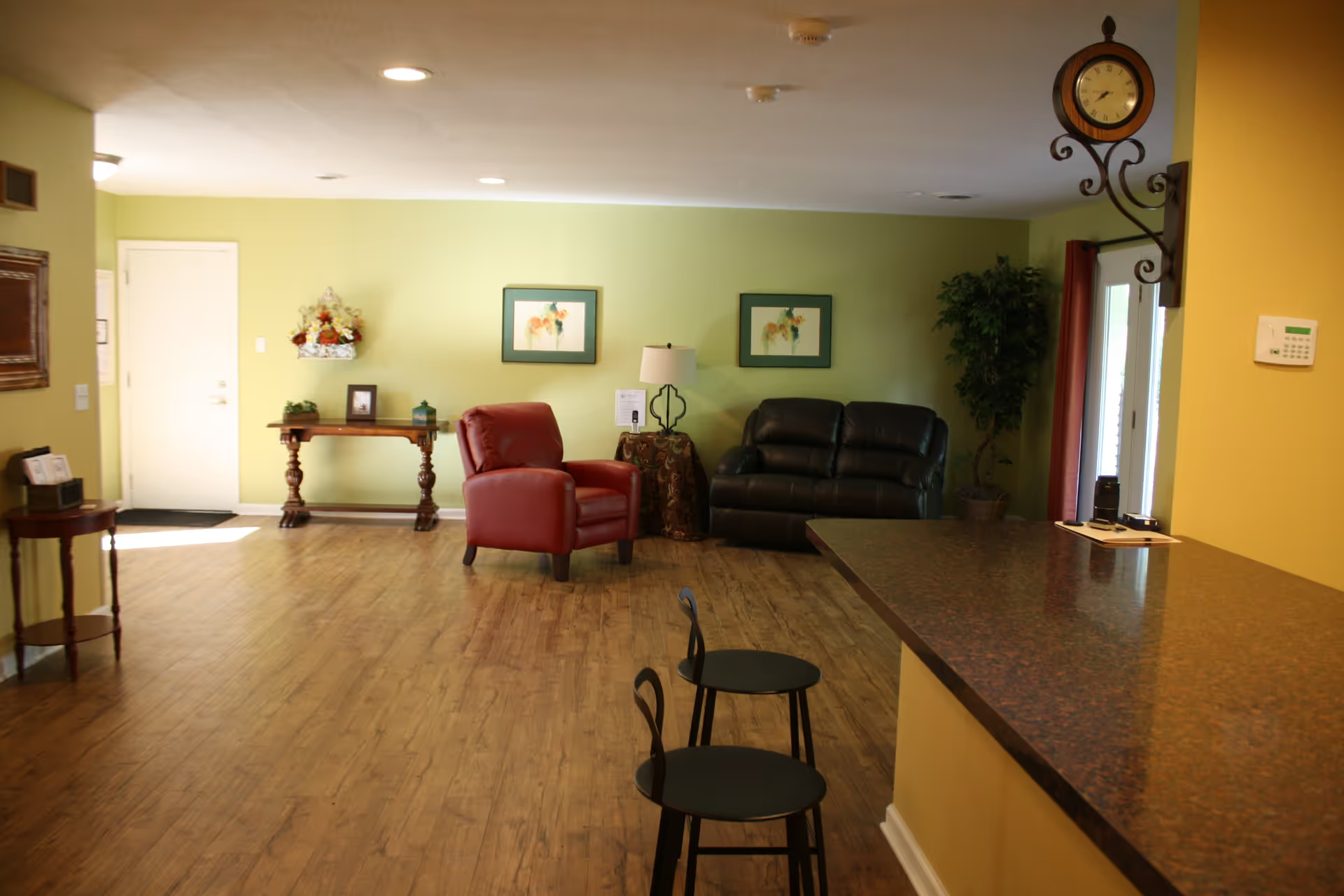
Dining and activities: Dining is a clear positive for most residents; food quality and the restaurant-style dining experience are frequently praised. Activity offerings are robust — the community has a large activity room, library, gym, pool table, and a variety of social events that support friendships and engagement. However, activity reliability can be uneven: scheduling announcements may be inconsistent, weekend programming is reportedly lighter, exercise-class quality varies by instructor, and therapy-animal visits appear limited. Families who prioritize a highly structured or daily therapeutic activity schedule should confirm current calendars and instructor consistency.
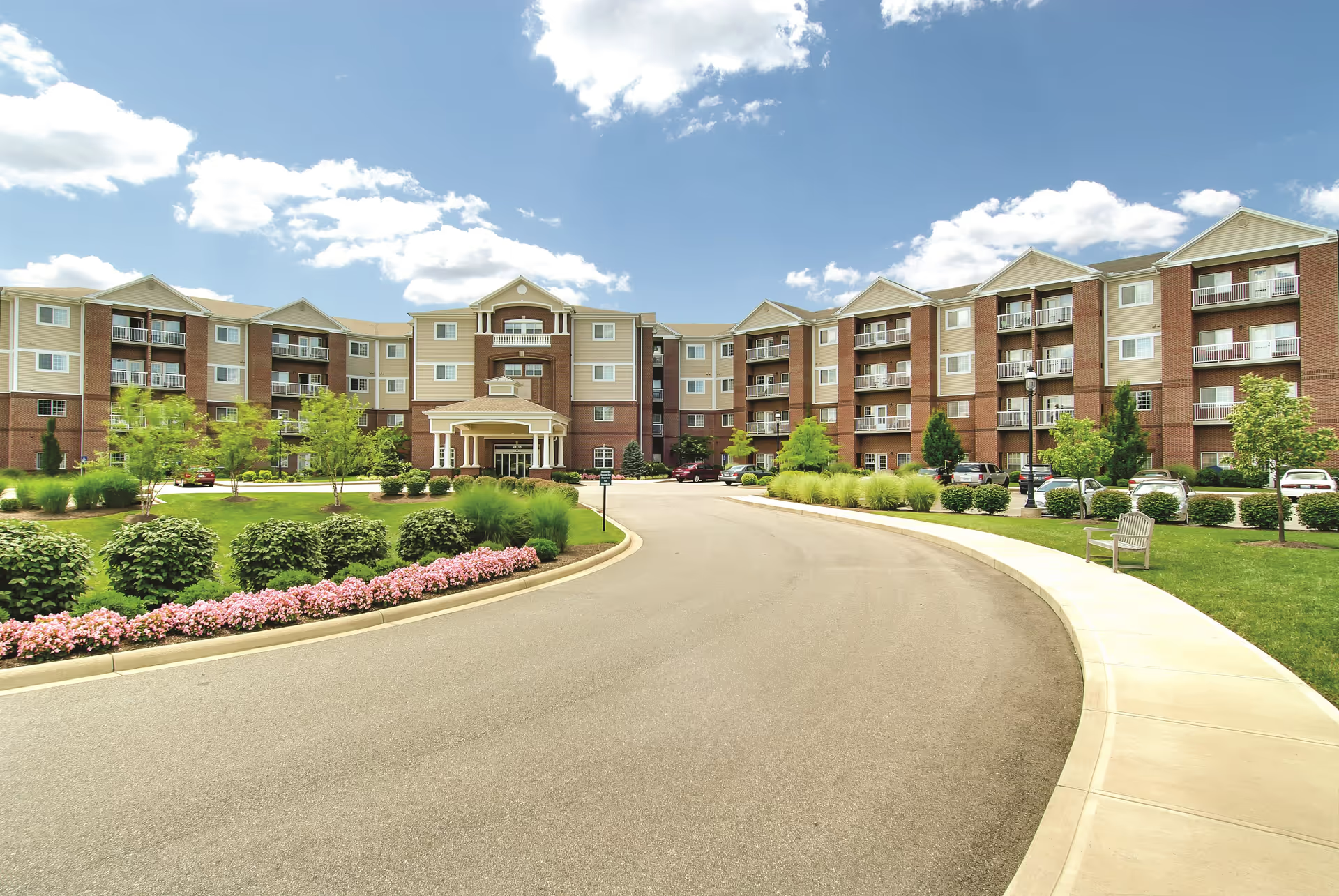
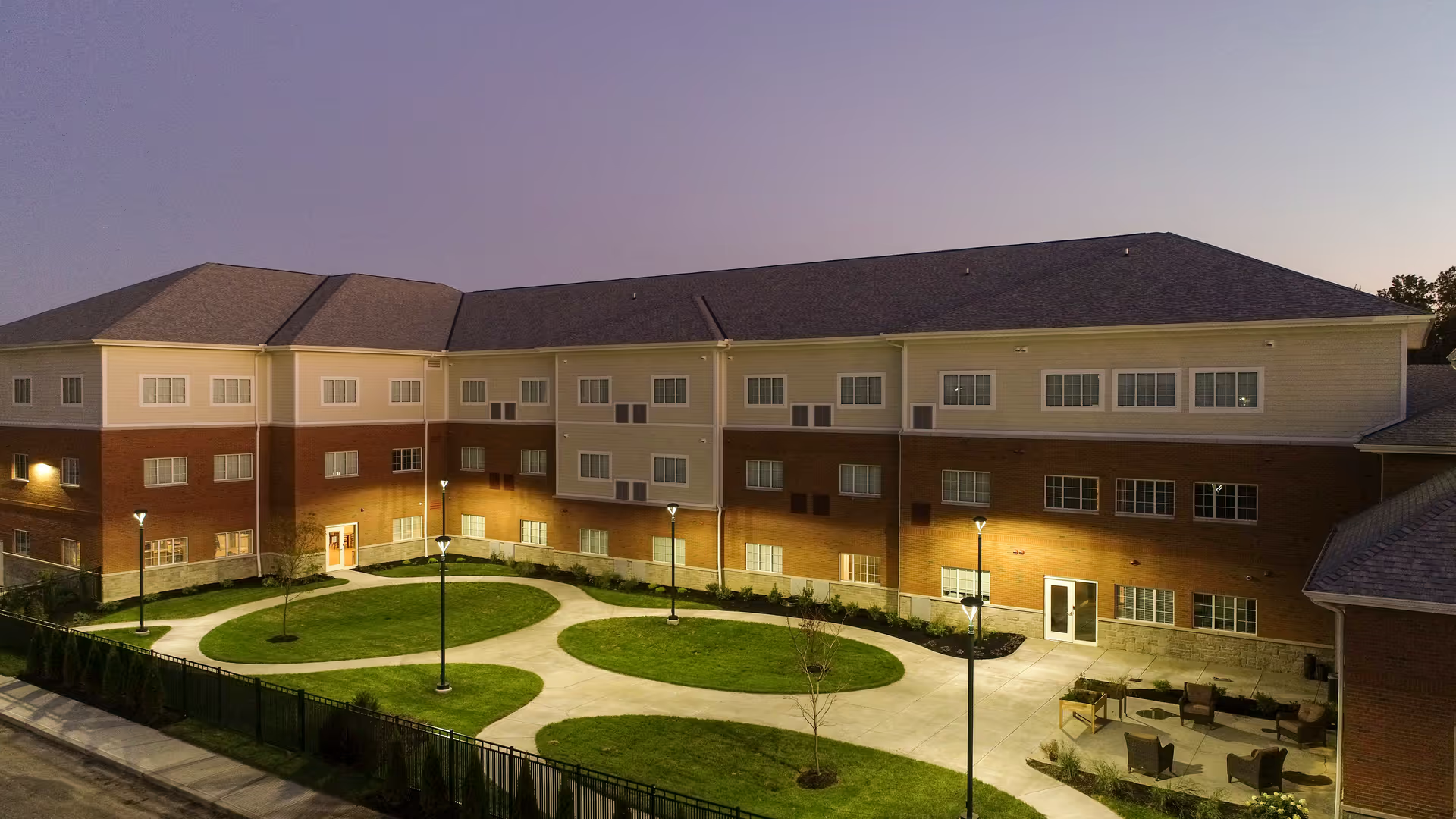
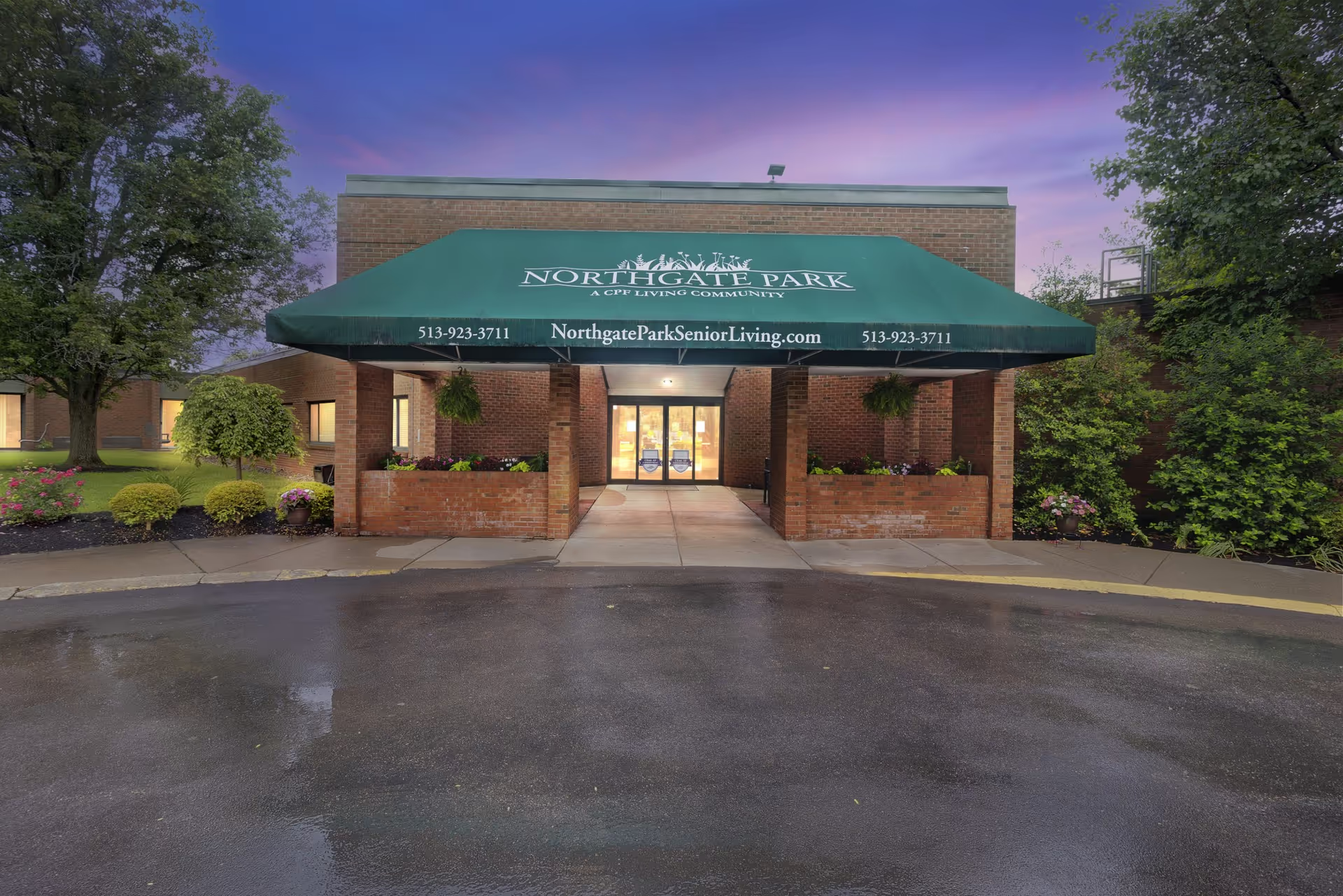
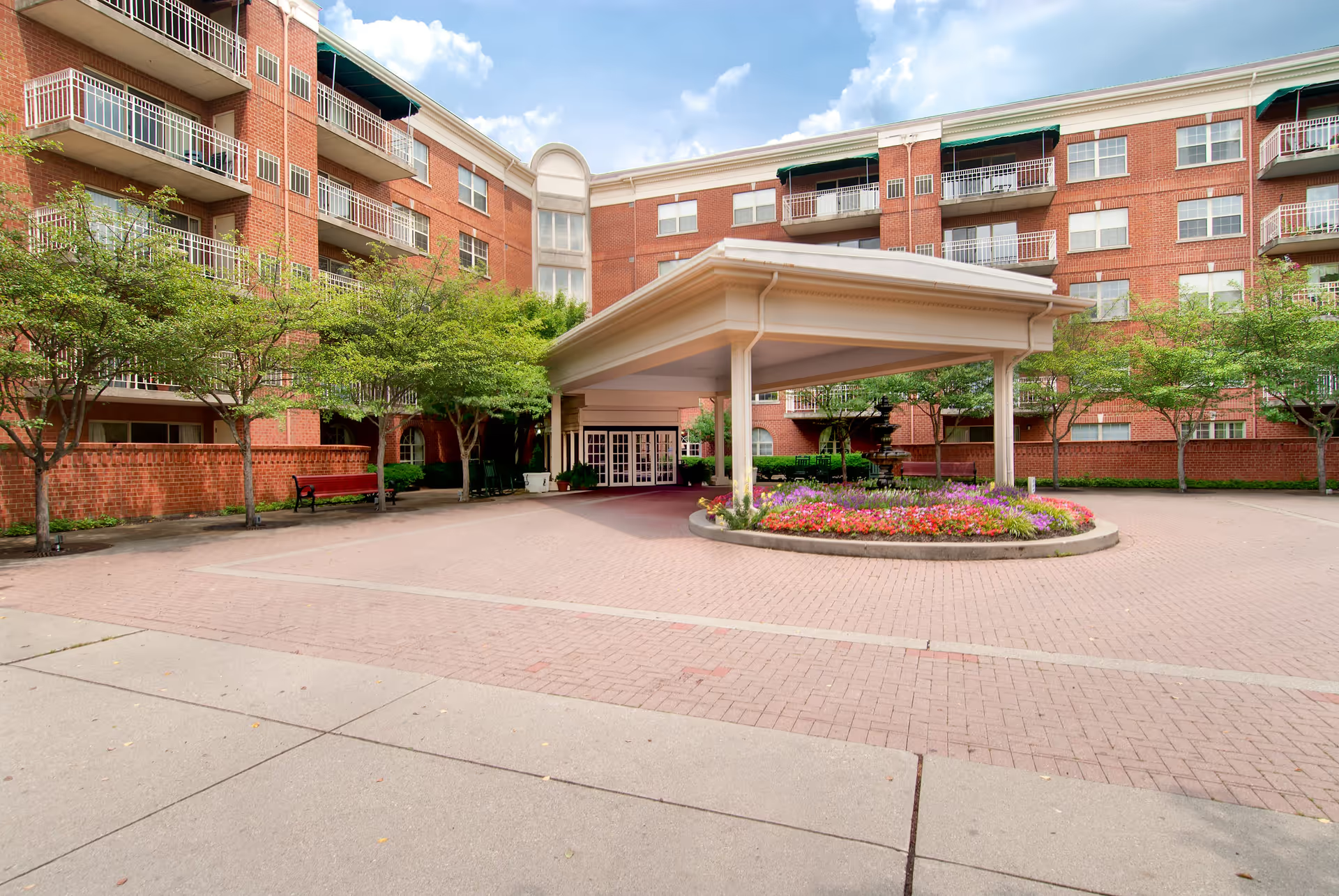
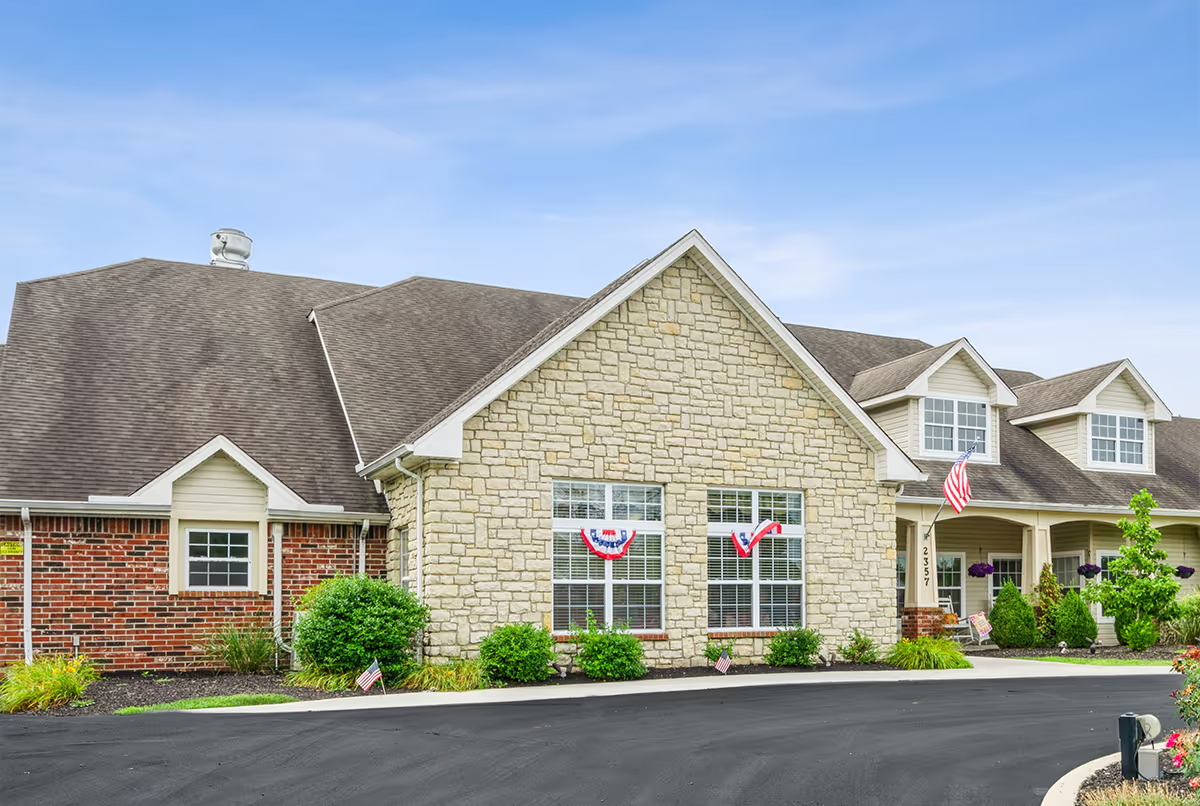
Facilities and maintenance: The building, grounds, and courtyard receive strong positive attention for aesthetics and peacefulness, contributing to a residential feel. Unit amenities tend toward private, well-appointed apartments but with limited kitchen capabilities in many units (microwave-only or no full-size refrigerator/stove), which makes the community feel closer to assisted-living than independent-apartment living for those who expect full kitchens. Several reviewers described cosmetic and maintenance issues at the unit level — scuffed walls, flooring edges, blinds and lighting repairs, and similar deferred maintenance — and families report occasional delays in getting those items addressed.
Management and transitions: Administrative responsiveness is characterized as excellent by many families; staff and leadership are often credited with smooth move-ins and supportive family communication. Nevertheless, there are notable exceptions where families experienced abrupt transitions, delayed documentation, or coordination problems with third-party payers. These isolated but significant administrative concerns suggest potential variability in transition management and record-keeping practices; prospective residents should ask about move-in processes, documentation timelines, and prior examples of complex transitions.
Notable patterns and recommendations: Bridgeway Pointe suits people seeking a smaller, clinically connected community with strong social programming, quality dining, and attentive staff. Key operational weaknesses to probe during a tour include night/weekend staffing levels and average call-light response times, unit-level maintenance turnaround, the extent of weekend and therapy programming, and the specifics of apartment appliance packages. Cost and affordability perceptions vary; clarify current pricing, what is included, and any potential for additional charges. Overall, the prevailing impressions are positive with targeted operational areas that merit direct inquiry prior to placement.