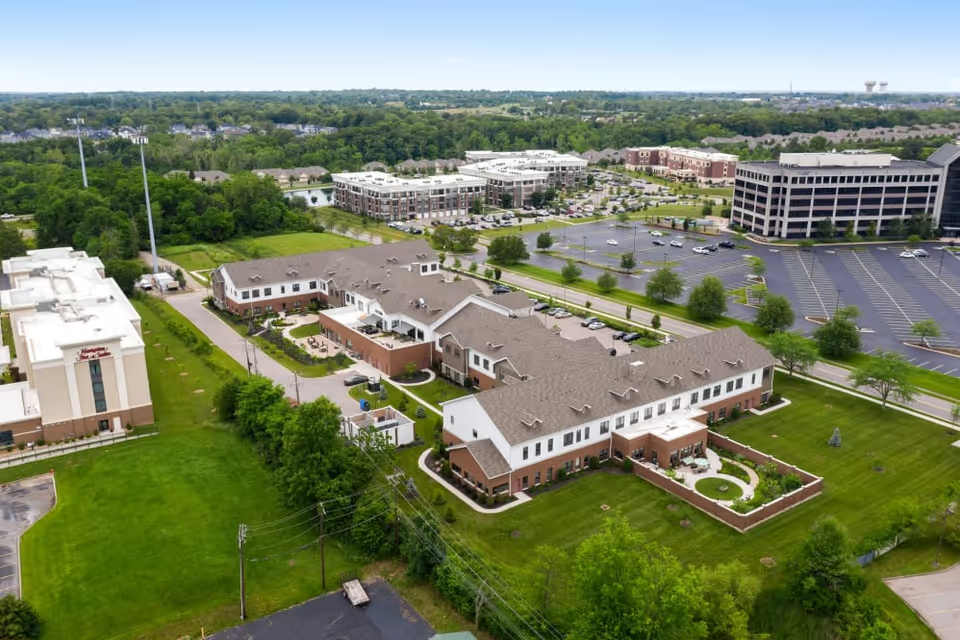
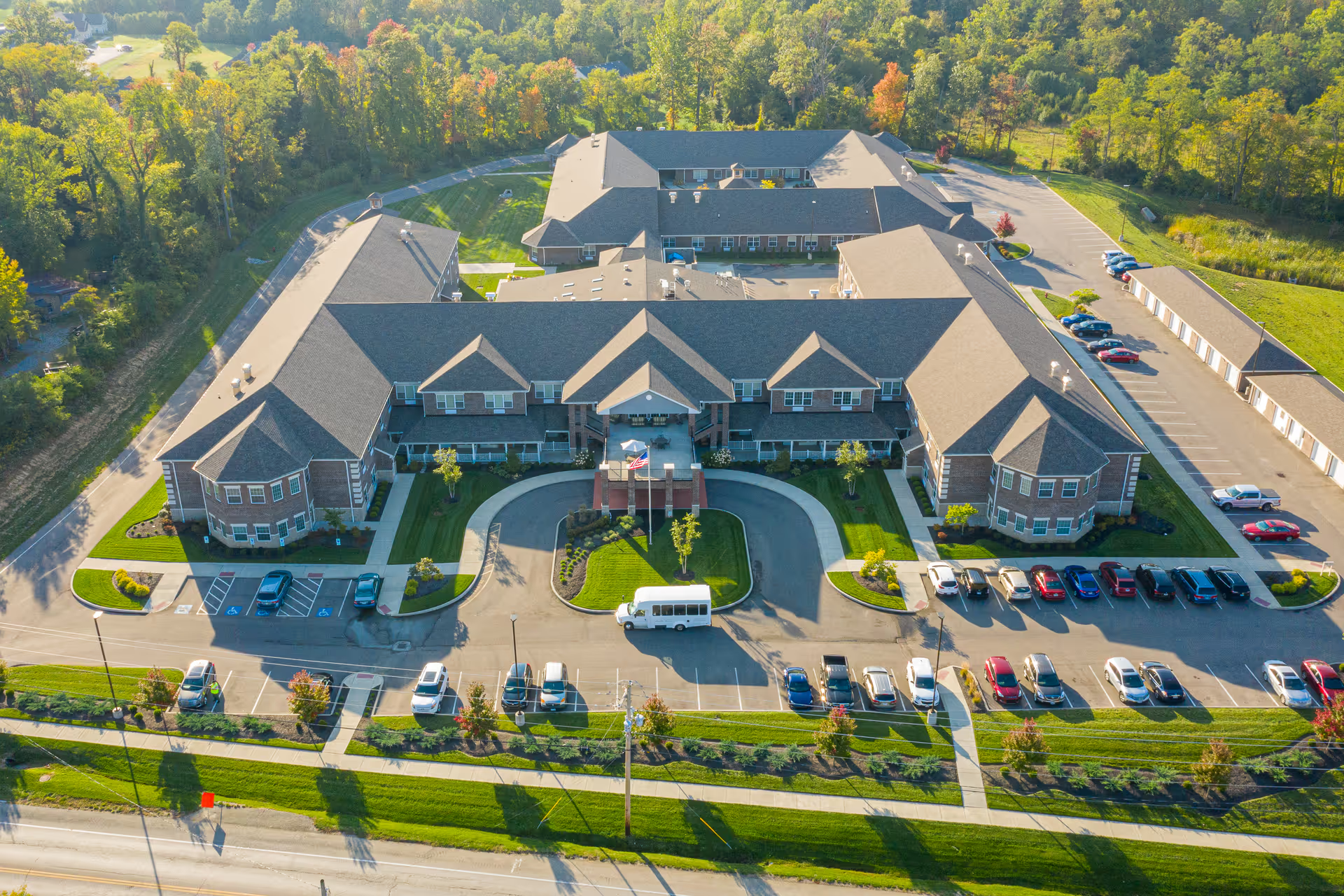
Overall impression: Reviews present a mixed and highly polarized picture. Several families and visitors describe caring, helpful staff members—particularly front-desk receptionists and certain nursing aides—and note positive recent changes linked to new leadership. At the same time, a number of reviews describe operational patterns that suggest inconsistent day-to-day performance across clinical care, sanitation, communication, and administrative oversight.
Care quality and clinical concerns: Multiple accounts point to variability in clinical responsiveness and monitoring. Reported examples include delayed lab work, concerns about hydration and urinary infection management, and hospital transfers. These indicate potential gaps in timely clinical follow-up and monitoring on some shifts. Conversely, some caregivers are characterized as attentive and effective; those positives coexist with accounts of missed or delayed care, creating an uneven overall impression of clinical reliability.
Staff behavior and communication: There is a notable split in staff-related experiences. Positive comments highlight compassionate aides, engaged nurses on certain shifts, and a reception team that assists families efficiently. Negative accounts emphasize inconsistent professionalism, poor introductions at intake, eye-rolling or dismissive tones, staff socializing at the front desk, and difficulties reaching staff by phone. Night-shift supervision and staff verification are called into question in a few reports, suggesting variability in training and oversight.
Dining, activities, and facilities: Dining receives criticism for inconsistent quality and an apparent lack of dedicated dietary management; reviewers requested more consistent staffing and culinary oversight. Activity programming and the resident community receive favorable mentions in some accounts, with references to ongoing events and an engaged resident population. Sanitation and housekeeping concerns are raised regarding common areas and post-illness cleaning, indicating uneven environmental maintenance.
Safety and operational issues: Several operational safety issues are raised, including concerns about animals on premises, an instance of an unsecured animal presence, and reports suggesting insufficient enforcement of staff credentialing or supervision. Short staffing is described as impacting care continuity and requiring family members to provide supplemental care in some cases. Communication systems—particularly phone access and timely callbacks—appear unreliable from multiple perspectives.
Management and administrative patterns: Reviews reference substantial administrative instability for some families: company takeovers, new ownership, and both positive and negative accounts of management change. There are serious allegations concerning financial management, including claims about missing funds; these are characterized here as allegations that merit verification and possible regulatory review. Conversely, some comments indicate improvements under new leadership and increased responsiveness in certain areas.
Notable patterns and guidance for families: The data show a facility with distinct variability: pockets of strong, compassionate care and effective reception work coexist with operational gaps in clinical follow-up, sanitation, dietary management, staff supervision, and phone accessibility. Prospective residents and families should confirm the facility's current staffing ratios, turnover rates, clinical protocols for lab work and infection monitoring, dietary management structure, and processes for safeguarding resident funds. Visiting in person, asking for recent inspection/complaint history, and speaking directly to nursing leadership about supervision, staff training, and animal policies will help assess whether recent management changes have addressed the highlighted deficiencies.