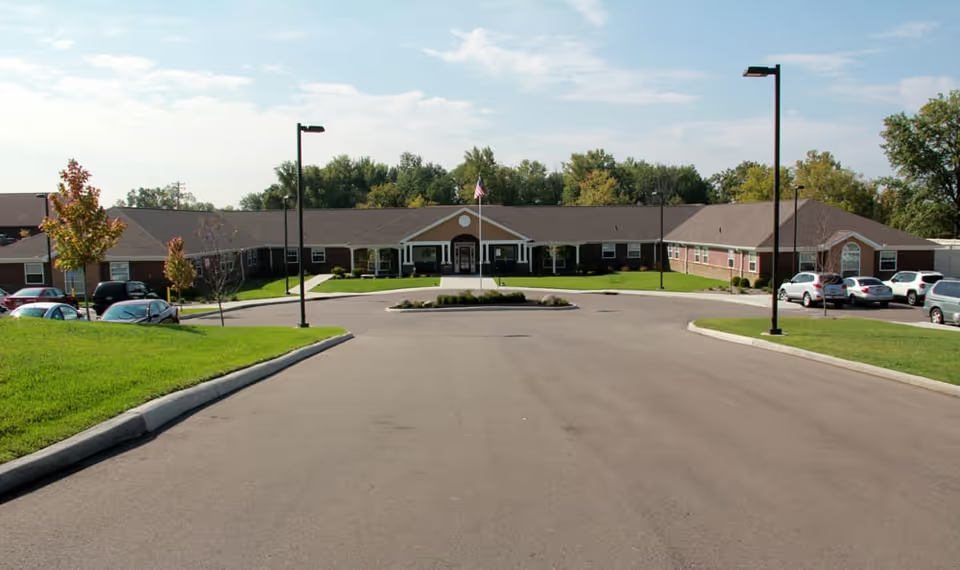
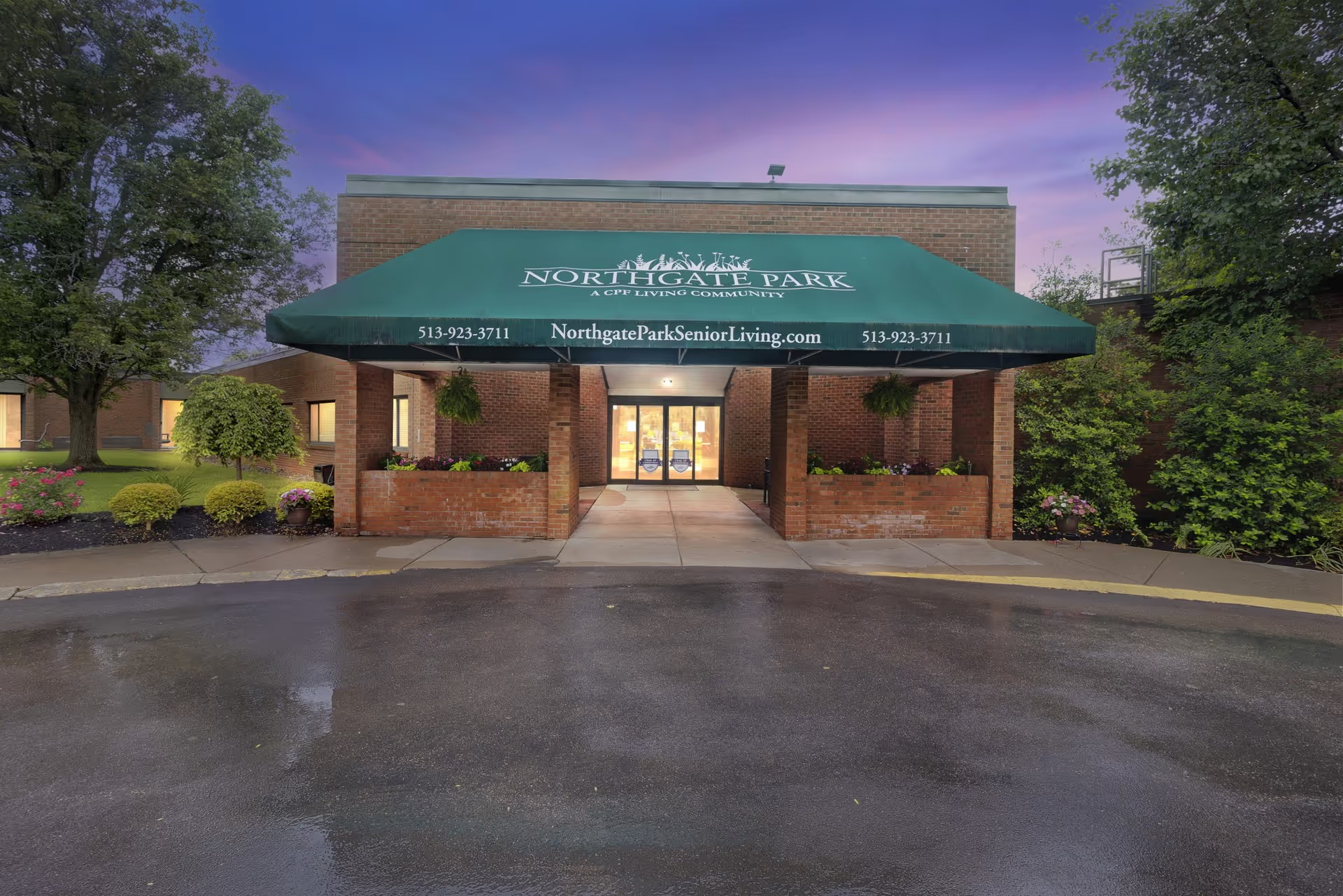
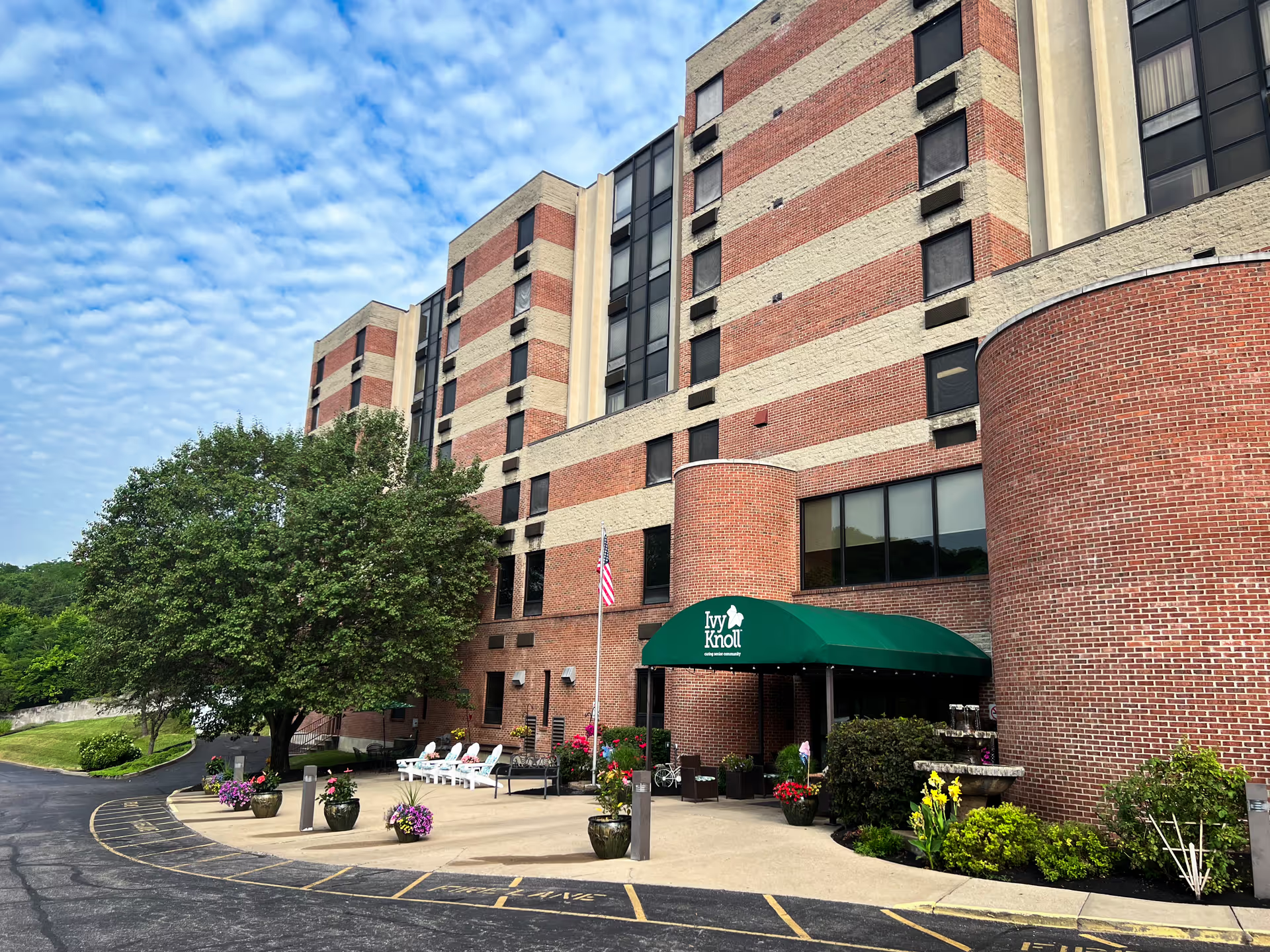
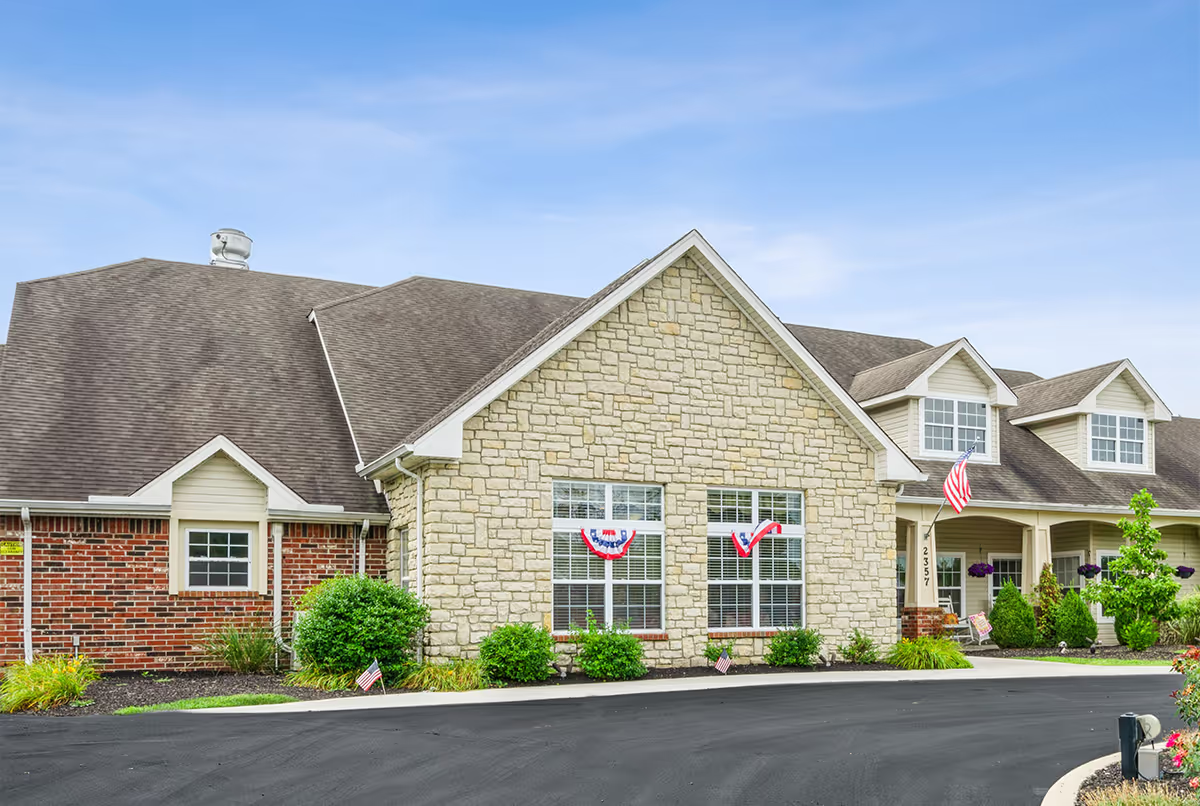
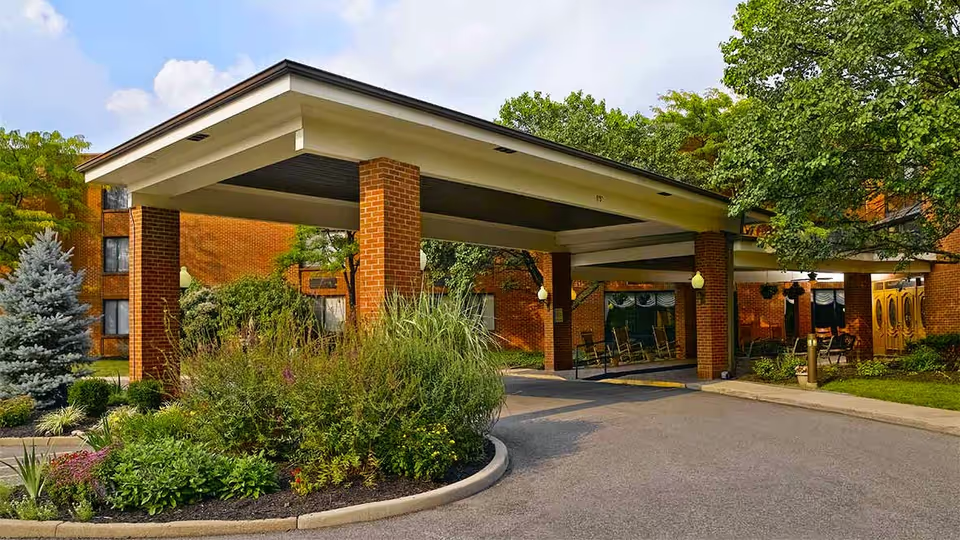
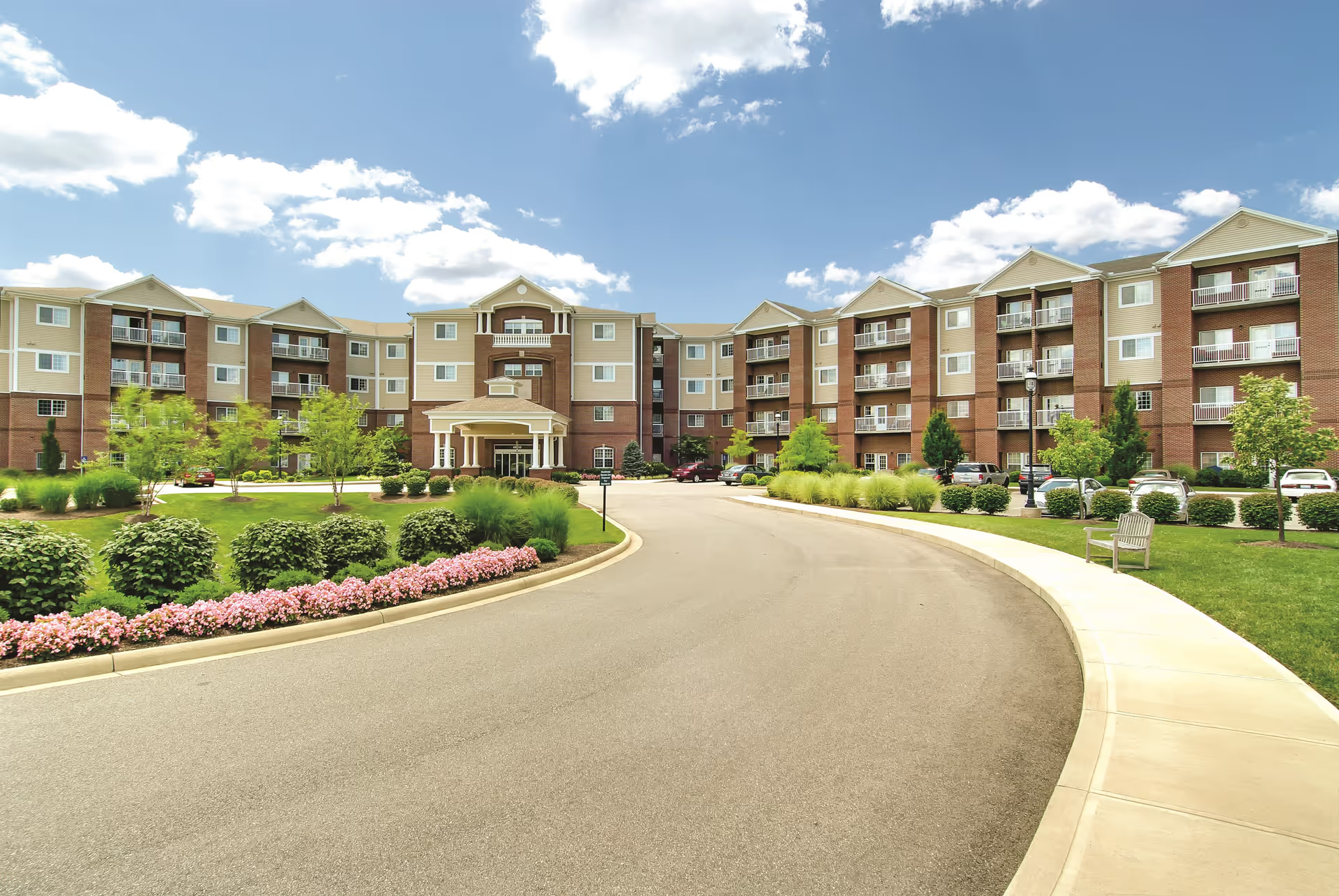
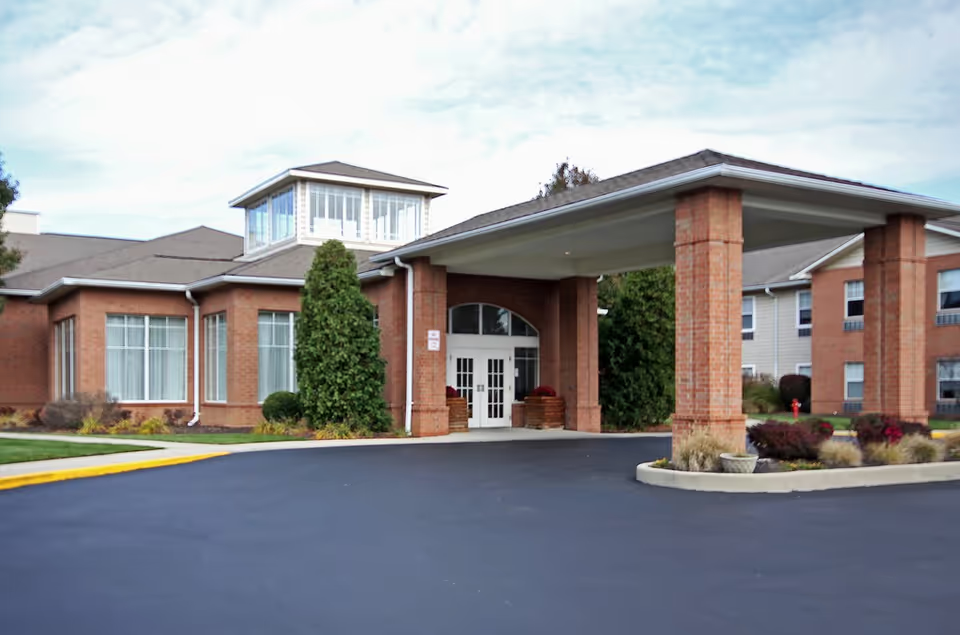
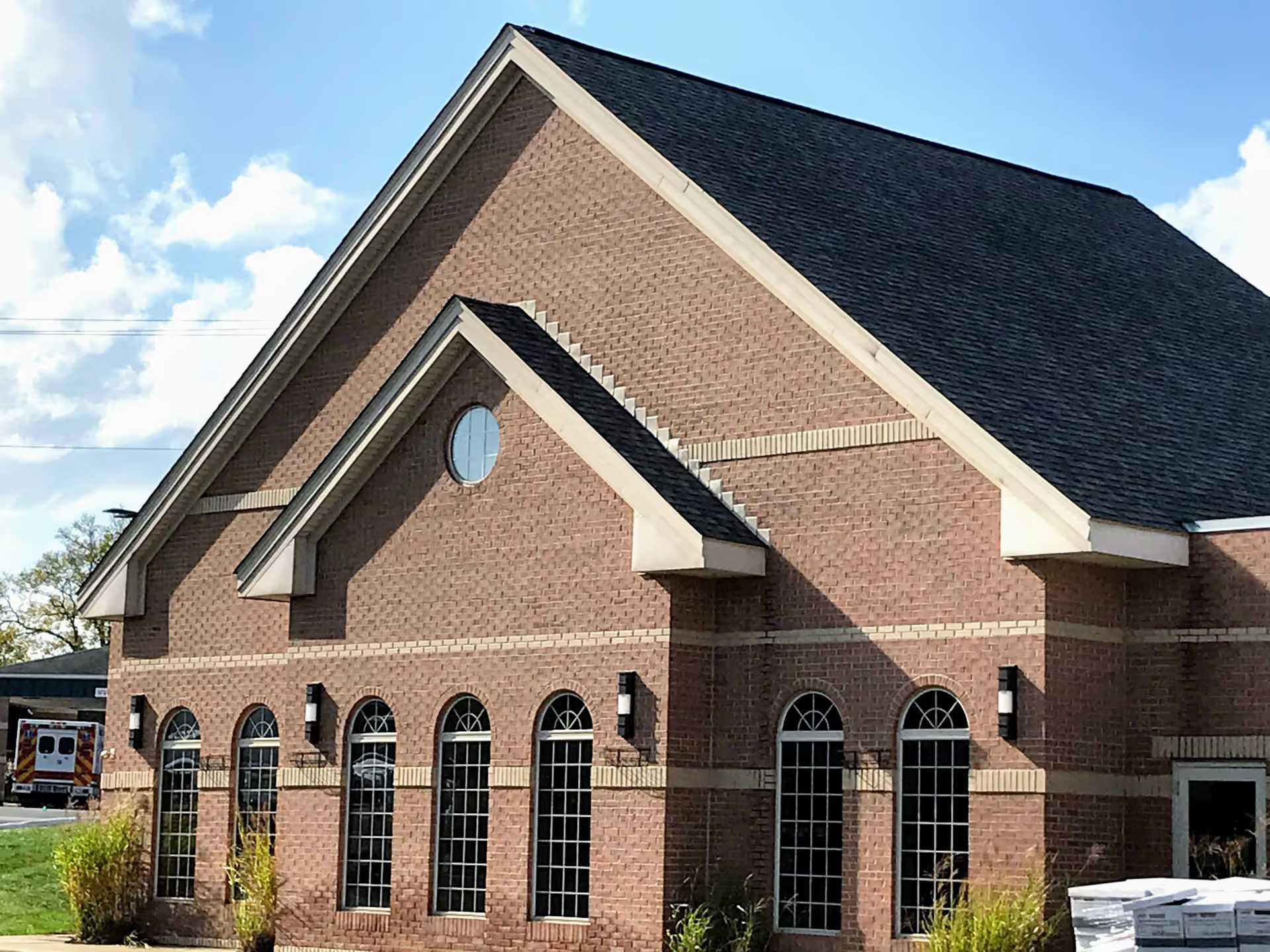
Covenant Village presents a strong physical environment: reviewers consistently note a new, attractive building, well-kept grounds, spacious private rooms with oversized bathrooms and good storage, multiple dining areas, private assessment spaces, and accessible therapy facilities including pools. The facility’s rehabilitation resources are a clear strength for many residents—physical and occupational therapy teams are frequently praised for effective, outcomes-focused work that helped residents regain mobility. Activity staff and certain frontline personnel (receptionists, some aides and nurses) receive positive mention for friendliness and engagement, and a number of families cite a clean, comfortable atmosphere that supports recovery.
At the same time, uneven operational performance is a recurrent theme. Staffing consistency is a primary concern: reviewers describe frequent use of agency staff, staffing shortages, and supervisory gaps that contribute to variable care continuity. That variability manifests as delayed responses to call lights, inconsistent assistance with hygiene and ambulation, and delays in medication administration or pain-control dosing. Several accounts point to scheduling and communication problems with therapy (missed visits, delayed starts, limited progress feedback) and to infrequent physician presence or delayed physician orders, which can complicate timely clinical decision-making.
Dining and housekeeping show mixed results. Some reviewers praise occasional homemade meals and report recent improvements under a new chef, while others describe repeated meal errors, missed special-diet deliveries (for example, diabetic meals), and lackluster food quality. Housekeeping is similarly inconsistent: many describe spotless units and courteous environmental staff, but others note sticky floors, delayed laundry pickup, and housekeeping staff distracted by personal devices. These mixed reports suggest uneven implementation of service standards across units or shifts.
Communication and management responsiveness emerge as an important pattern. Families and residents frequently cite difficulty reaching supervisors or administrators, delayed callbacks, and insufficient explanation of policies (admissions, discharge, infection-control notifications). There are also more serious individual-level claims that should prompt careful inquiry: allegations regarding theft or mishandled personal items, discarded dentures, delays in transfers for acute illness, and concerns following a resident’s death. While these appear less uniformly described than the operational issues above, they represent high-severity concerns for affected families.
For prospective residents and families: Covenant Village offers notable amenities and a capable therapy program that can support rehabilitation goals, especially for those prioritizing facility comfort and strong PT/OT services. At the same time, variability in staffing, medication processes, meal service, and managerial communication means outcomes can differ significantly by unit and time of day. When evaluating the community, ask targeted questions about staff-to-resident ratios, use of agency nurses, medication-administration protocols, physician coverage, procedures for escalating family concerns, meal/dietary management, and examples of how the facility addresses staffing or quality shortfalls. A tour that includes conversations with therapy leadership, nursing supervisors, and the activity director — plus direct observation of shift handoffs and dining service — will help determine whether the facility’s strengths align with a prospective resident’s needs.