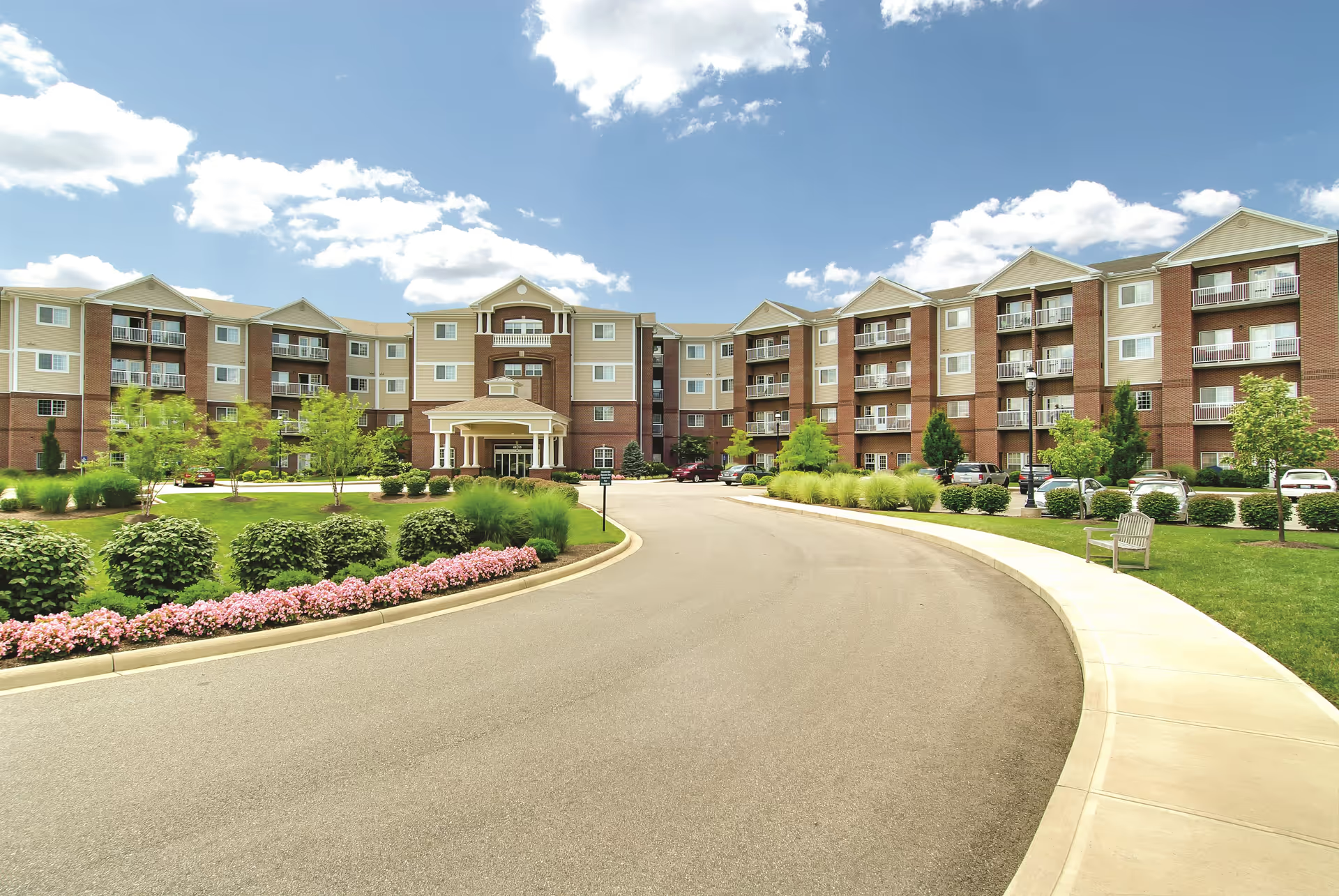
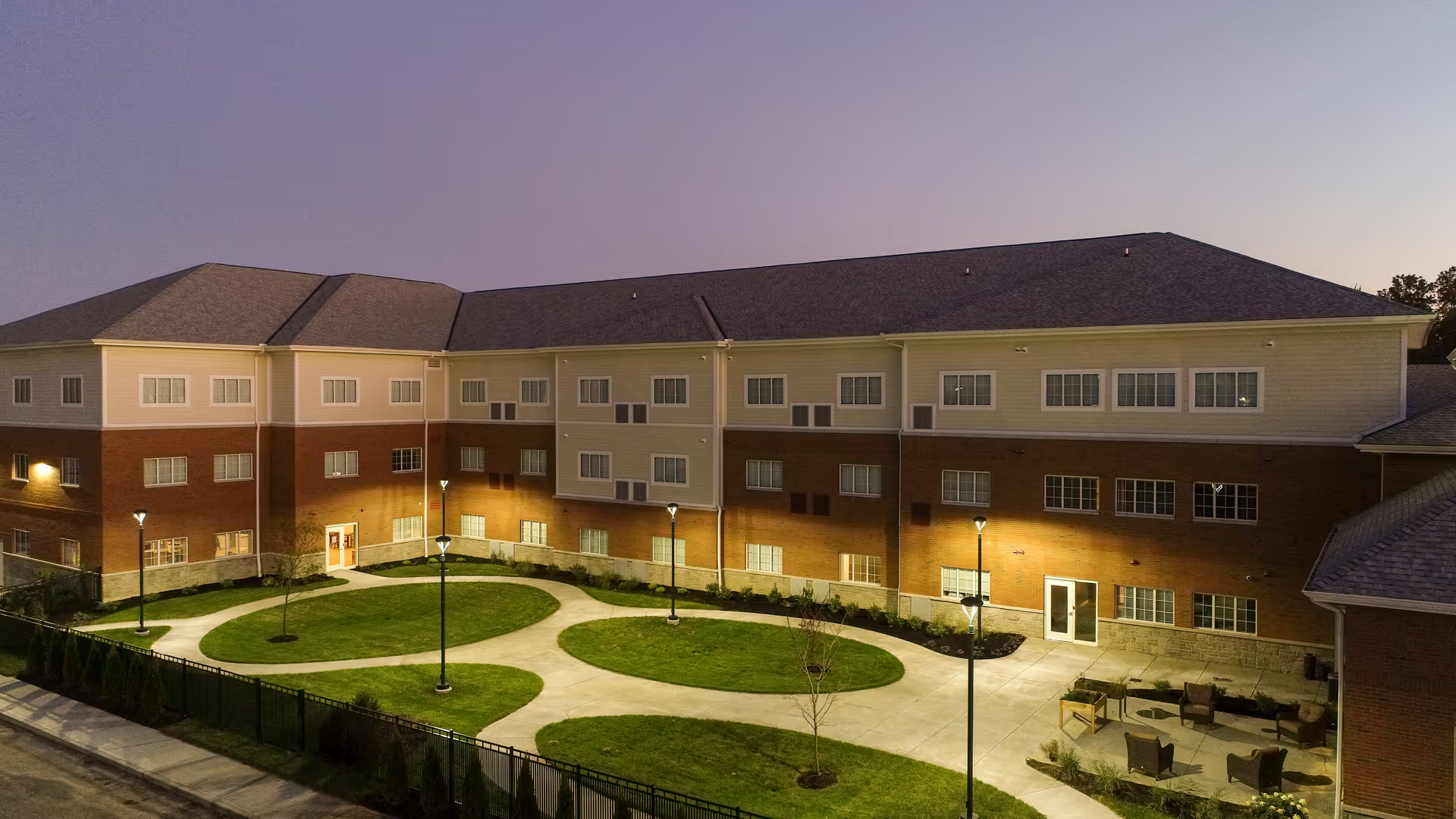
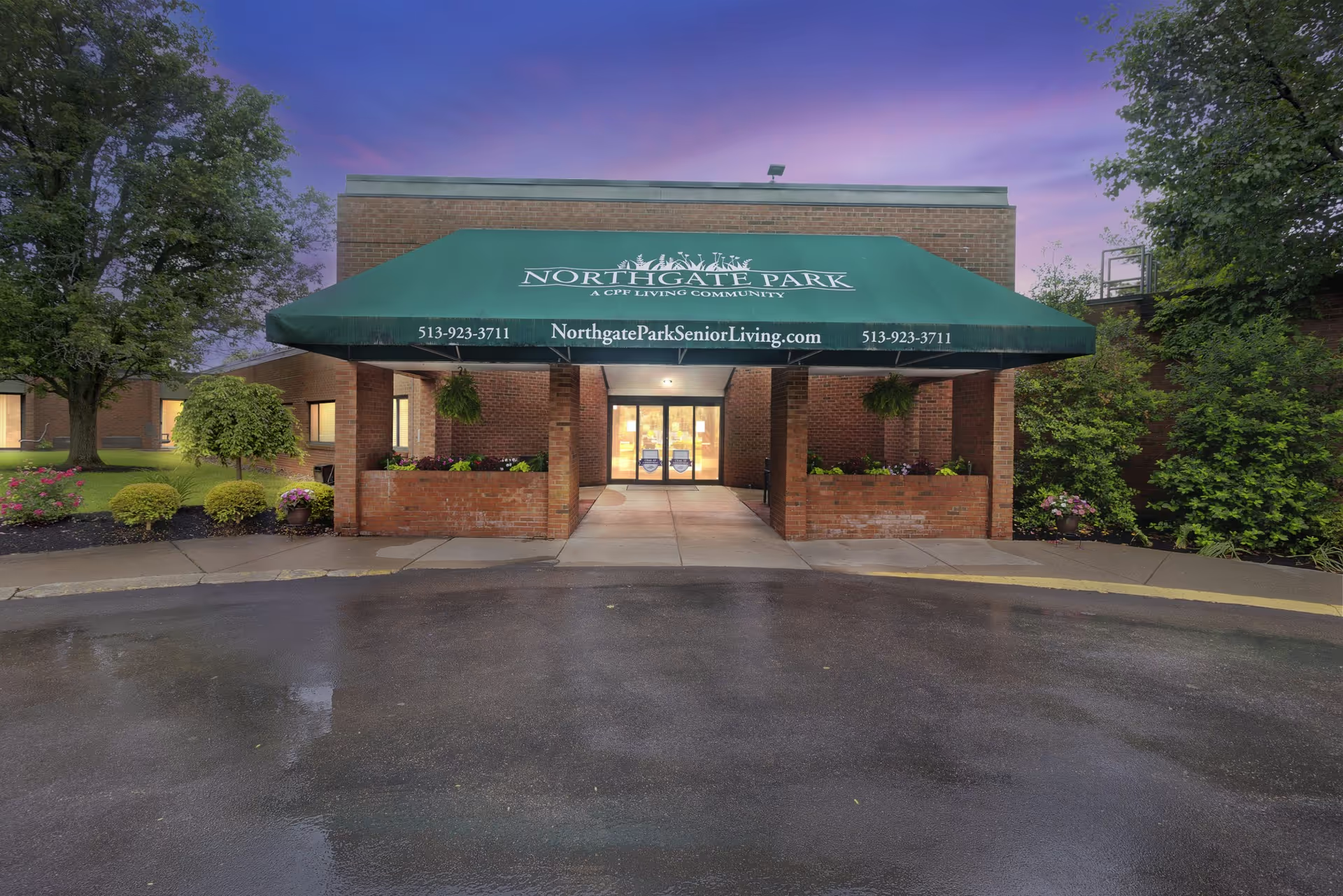
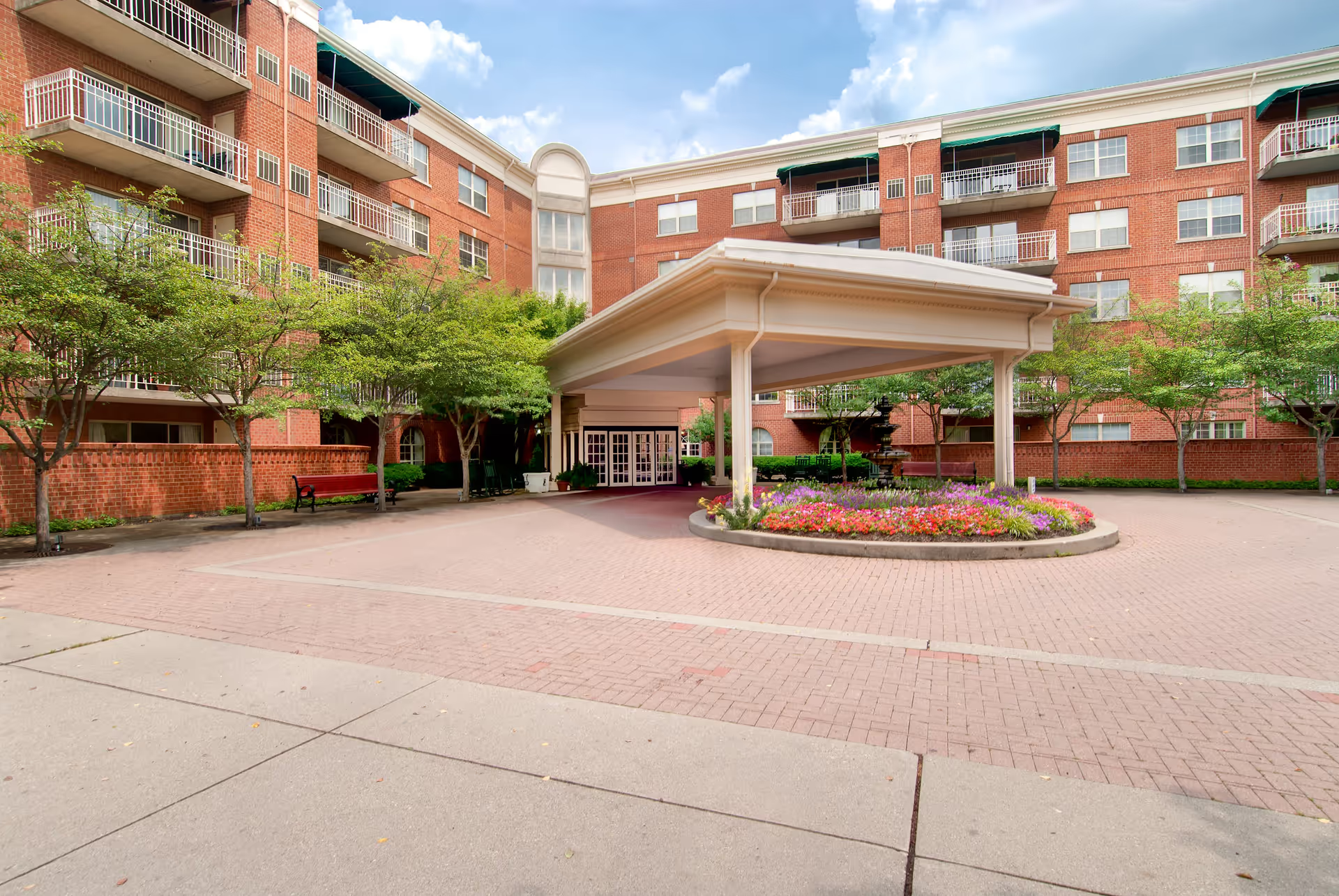
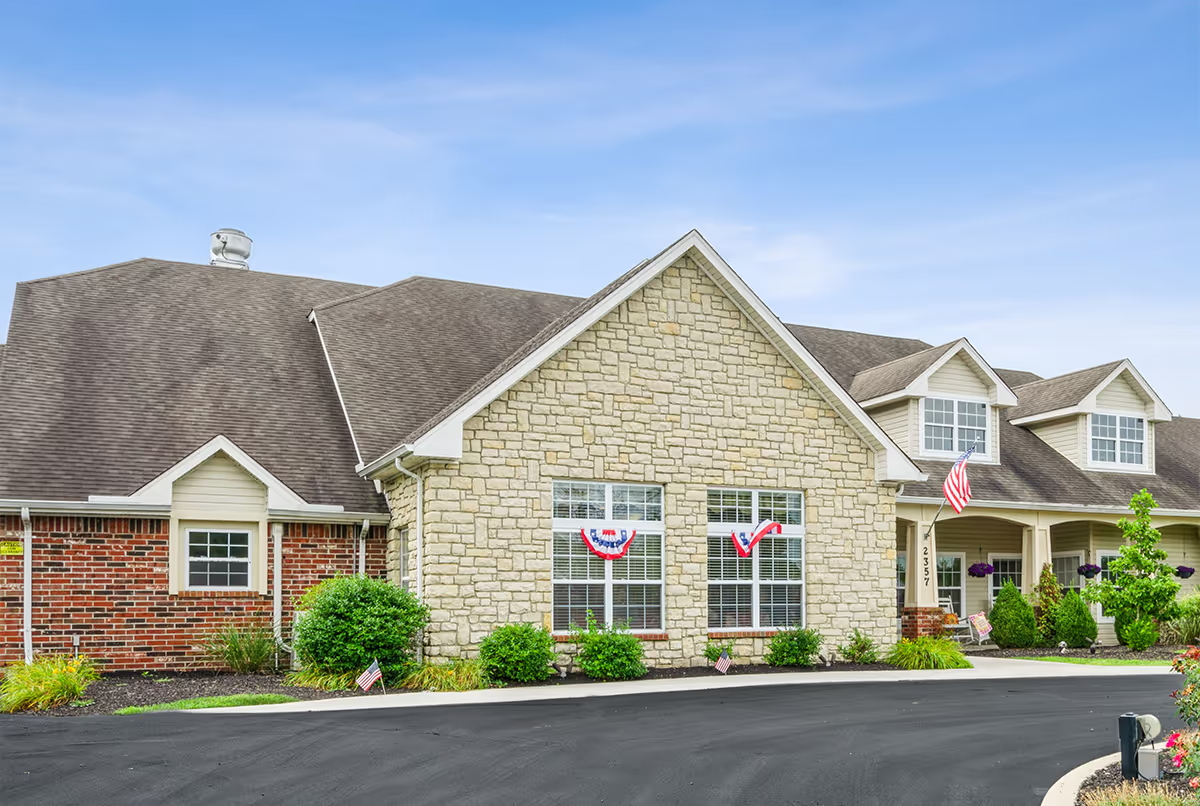
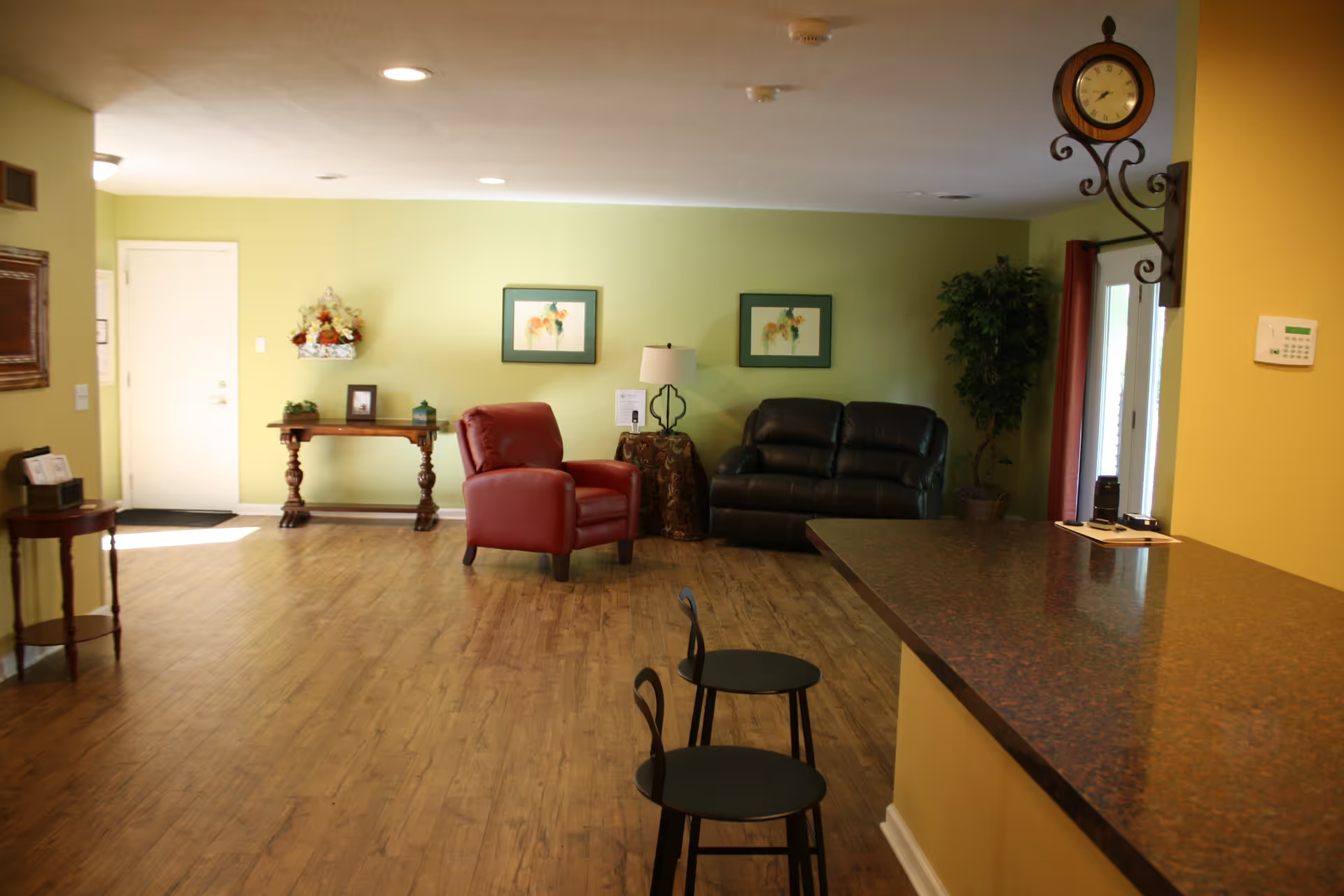
Evergreen Retirement Community elicits strongly mixed impressions. Many residents and families praise the campus for its attractive, park-like grounds, varied housing options (including roomy cottages with in-unit laundry), and a wide array of amenities such as a pool, auditorium, beauty salon, and multiple social spaces. The community offers a full continuum of care on one campus, which several families found convenient. Activity programming is robust and diverse — arts and crafts, sports, current-events groups, gardening, musical entertainment, outings and trips are frequently highlighted — and the activities leadership is often singled out as an asset.
Front-line staff receive a large portion of positive feedback: reviewers describe many employees as warm, attentive, and committed. The facility also has notable clinical strengths in rehabilitation and therapy; multiple accounts credit a strong therapy department and positive rehab outcomes. At the same time, reviewers describe uneven clinical performance outside of therapy. Staffing shortages and turnover are recurring themes and are commonly linked to longer call-response times, delays in clinical care or medication administration, and variability in assistance with activities of daily living. Families should assess current staffing levels and on-shift clinical coverage during tours, especially if assisted living or memory care is under consideration.
Dining and food service are inconsistent across accounts. Some reviewers describe restaurant-style dining, special culinary events, and excellent meals; others report a post-pandemic decline in quality, small portions, late or missed meals, and variable service. Housekeeping and maintenance are similarly mixed: many units and common areas are noted as clean and freshly updated, while other reports indicate sanitation concerns in specific rooms and slower-than-expected maintenance responses. Infrastructure reliability is a concern in some reports — intermittent HVAC failures, elevator outages, pool or guest-quarter closures, and delayed repairs have been cited.
Communication and management follow-through emerge as a significant pattern. Positive experiences with helpful admissions and relocation support exist alongside repeated comments about unclear billing, unexpected charges, and promises made during sales that were not consistently fulfilled. Several reviewers describe difficulty getting timely responses from management, inconsistent leadership, or frequent leadership changes; a smaller number raised serious safety and incident-related concerns, including transportation-related injuries and clinical events. These more serious claims have been characterized as isolated allegations within the overall dataset but warrant careful inquiry during a family’s evaluation (ask for incident logs, recent survey results, and transportation safety policies).
Overall, Evergreen offers many features attractive to independent-living residents who can afford the community and prioritize campus lifestyle, activities, and therapy services. Prospective residents and families should balance the campus strengths against the documented operational weaknesses: verify current staffing ratios and turnover trends, review recent maintenance and safety records, ask for details on dining-service hours and meal guarantees, confirm billing and refund policies in writing, inspect assisted and memory-care neighborhoods in person, and request references from current families. Doing these targeted checks will help determine whether the community’s strong amenities and therapy reputation align with an individual’s care needs and expectations for operational reliability.