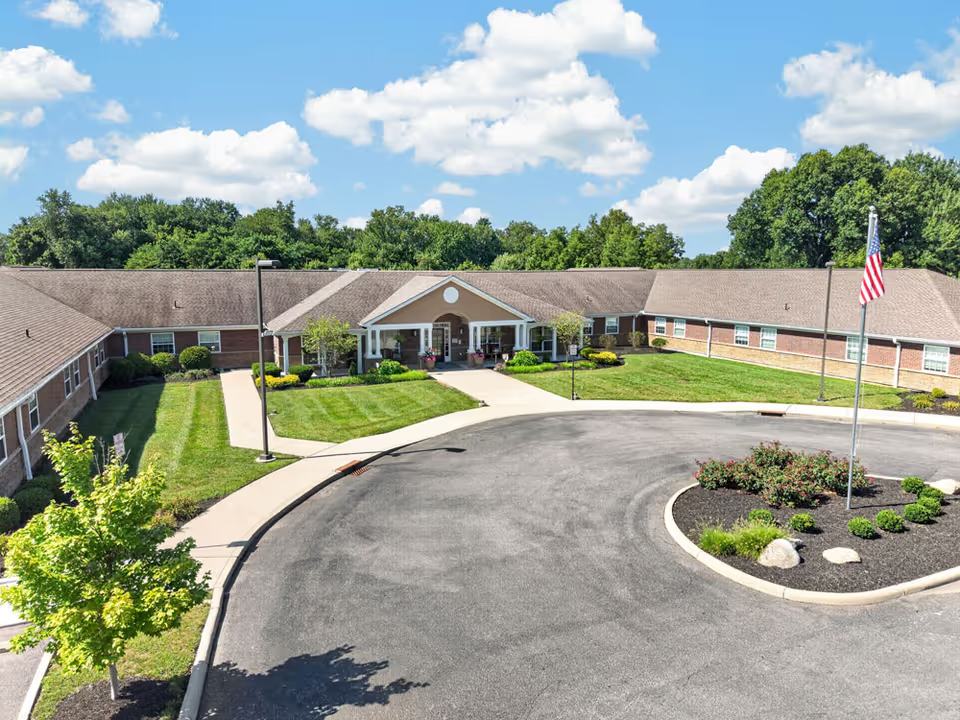
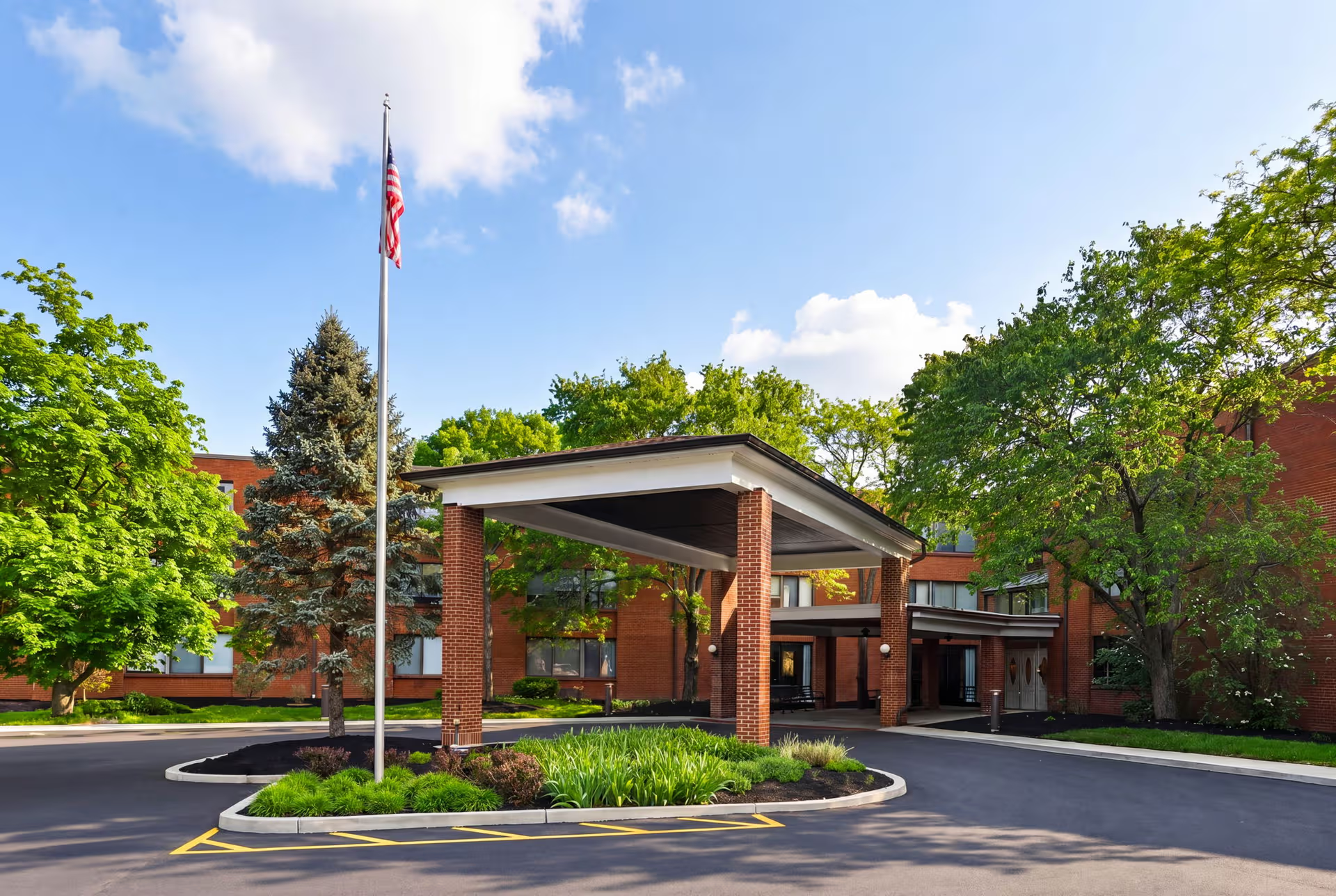
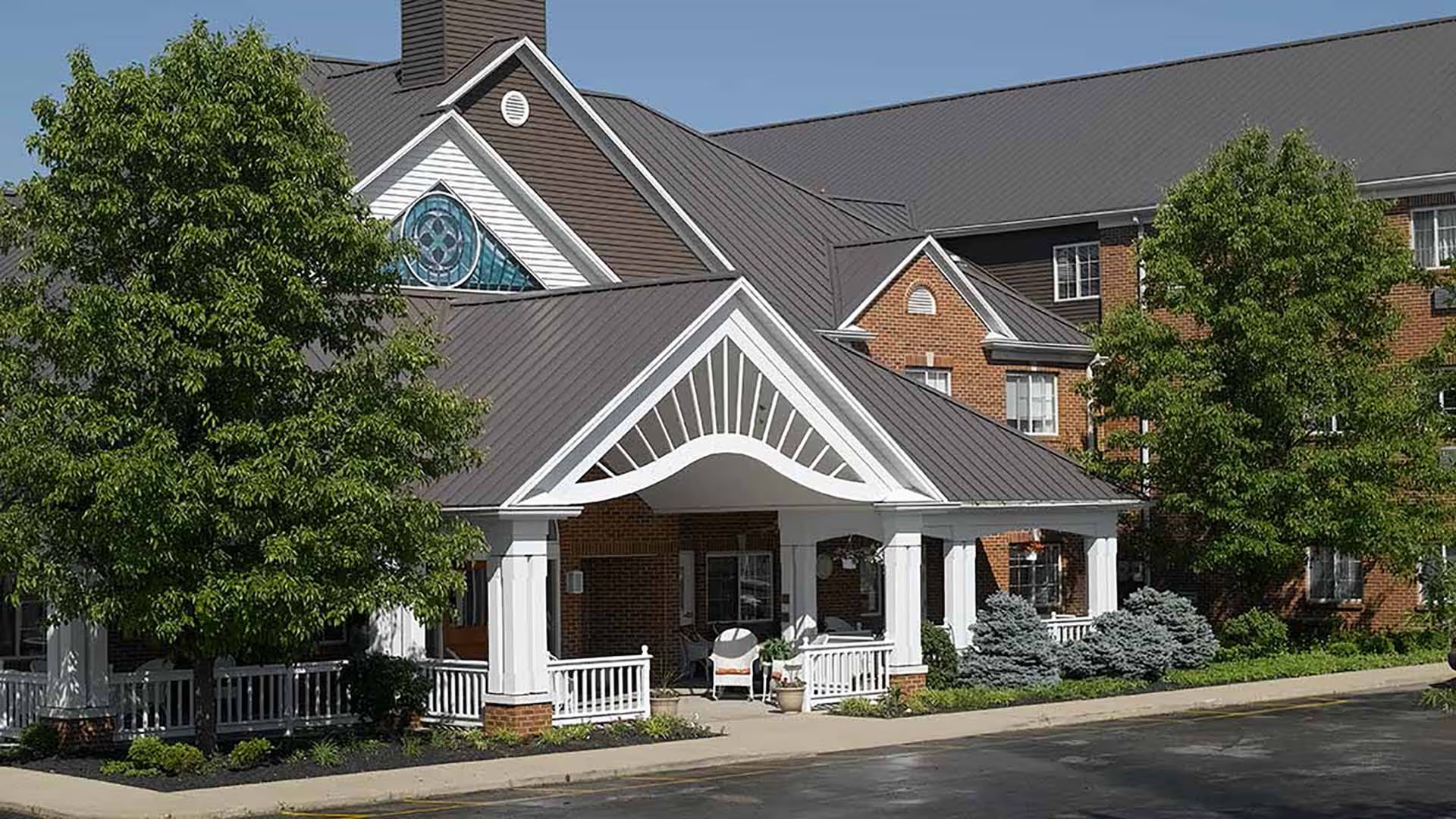
Reviews of Ivy Woods Healthcare Center describe a facility with several clear strengths alongside notable operational weaknesses. Positively, the building's single-floor layout and recent interior renovations (including new flooring) create an accessible, updated environment. Families and residents frequently praised compassionate, long-tenured nursing and aide staff and a therapy team that many characterized as responsive and proactive in rehabilitation. The dining program is generally regarded as satisfactory, and the facility offers a small outdoor courtyard plus regular activities such as bingo and movies that contribute to social engagement.
However, reviews also identify a pattern of inconsistent care and operational gaps. Staffing and performance appear variable by shift: daytime staff are commonly described as friendly and attentive, while night-shift coverage and responsiveness were increasingly cited as weaker. Several reviews raised concerns about delayed clinical response and emergency handling, along with specific equipment issues, which together indicate gaps in clinical responsiveness and equipment maintenance. There are also recurring concerns about the facility's approach to residents with cognitive impairment, including inconsistent behavioral-management practices and staff training related to dementia care.
Facility and support services show mixed performance. While some families describe clean, well-maintained common areas, others reported sanitation and odor concerns in portions of the facility and instances of missing personal items; these comments point to inconsistent housekeeping and personal-property controls. Therapy services are praised for staff effort and outcomes, yet the physical therapy space and equipment were described as small and limited, and there is limited accommodation for larger residents. Communication and management practices are uneven: some nurses are noted for thorough family updates and proactive communication, while others describe an unresponsive phone system, limited front-desk coverage, and challenges reaching leadership or the director of nursing. Billing and insurance coordination problems and perceptions of extended post-acute stays were also mentioned.
For prospective residents and families, the facility's strengths in individualized, compassionate care and rehabilitation support can be meaningful, particularly when working with engaged staff members. At the same time, the mixed reports about shift-to-shift consistency, clinical responsiveness, sanitation, equipment maintenance, and administrative communication suggest areas to probe during a tour and intake discussion. Recommended questions include: how the facility staffs night shifts and manages handoffs, protocols for dementia care and behavioral episodes, emergency response procedures and equipment checks, housekeeping and property-loss prevention policies, and how discharge planning and insurance coordination are handled.