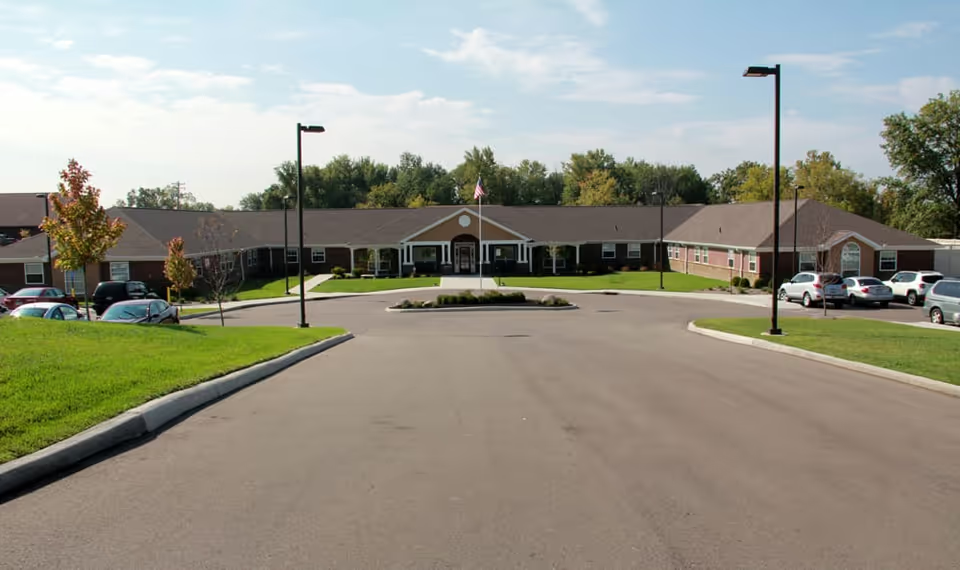
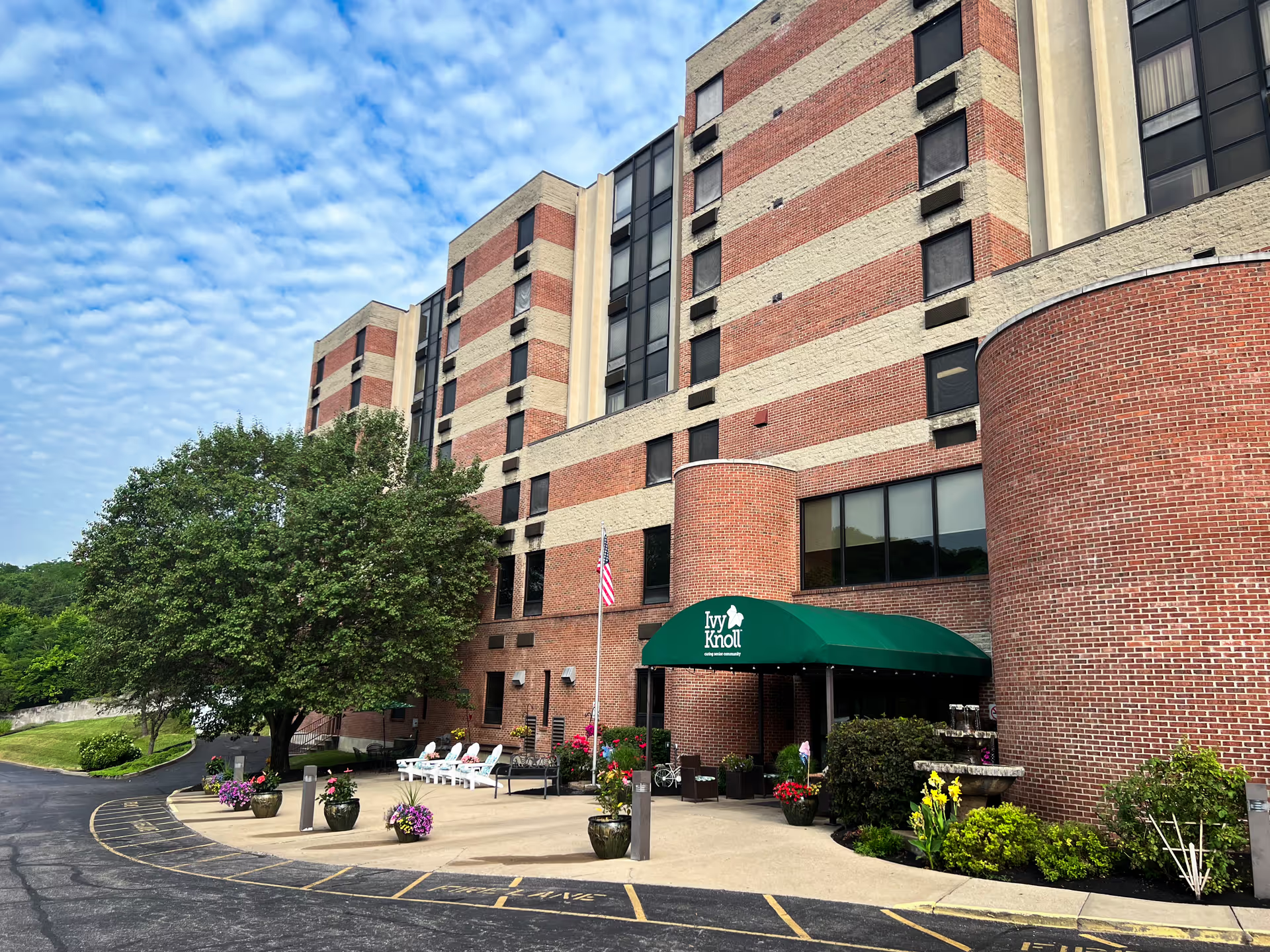
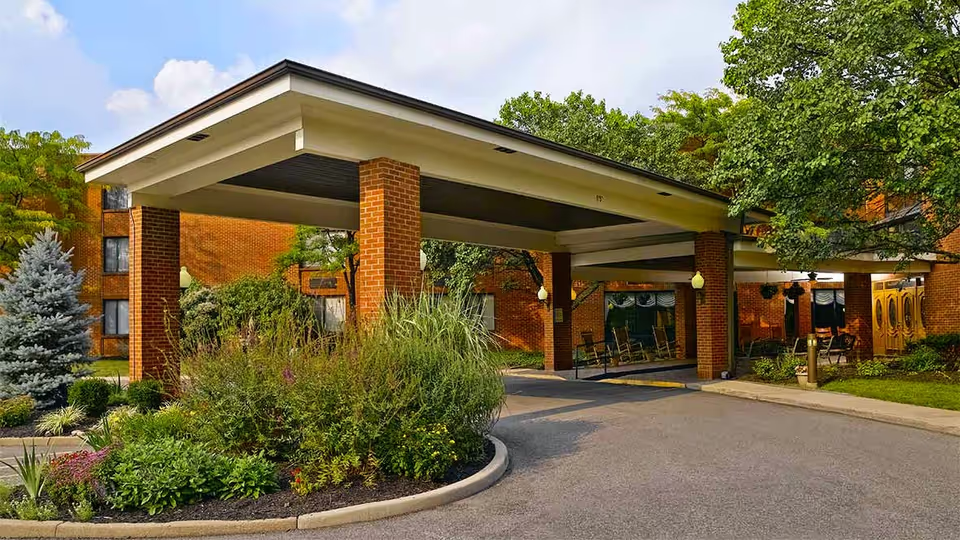
Reviewer feedback for this facility is markedly mixed, with clear examples of both strong, person-centered care and serious operational concerns. Positive accounts highlight individual staff members who provide compassionate, attentive care and go beyond expectations to support families during admission and transitions. The facility offers multiple levels of care (assisted living, nursing, and a dementia unit), active recreational programming, and several residents and families describe a home-like environment, regular grooming services, and convenient location and landscaping. These strengths suggest that parts of the staff and some units are capable of delivering good daily experiences and individualized attention.
At the same time, a substantial portion of the commentary raises facility-level issues that prospective residents and families should weigh carefully. Staffing consistency is a recurring concern: reviewers describe insufficient coverage, staff appearing overworked, and variability across shifts that correlates with differences in care quality. Linked to staffing are delays in responding to call lights and care requests and reports of incontinence-care delays and delayed wound management. Several accounts point to gaps in medication and clinical protocol adherence, including concerns about timely medication administration, diet-related medication coordination, and management of infections and wounds.
Facility upkeep and infection-control practices are additional areas of concern. Multiple reviewers describe aging, worn infrastructure and maintenance needs; there are repeated references to cleanliness and odor concerns in common areas and resident units. Some reports also note inconsistencies in infection-control and wound-care practices, which families should explore with facility leadership. Security and access-control weaknesses (for example, unsecured entrances) were mentioned and may pose safety considerations, particularly for residents with cognitive impairment.
Communication and leadership responsiveness show a split pattern. Some families praise admissions staff who provide excellent communication and hands-on assistance; others describe difficulty reaching nursing leadership, unanswered calls, and slow administrative follow-up. This variability appears to affect how clinical issues and family concerns are escalated and resolved. The dementia unit drew particular attention for supervisory and room-management inconsistencies, with some accounts indicating inadequate oversight during certain periods.
Dining and activities receive mixed feedback: recreational programming, bingo, and group events are frequently cited as positives, and some residents report varied, good-quality meals and enjoyment of food. Contrasting accounts raise concerns about meal quality and diet management — including specific diet and carbohydrate-control needs — so confirm dietary oversight and menu options if nutrition or specialized diets are important.
Overall, the pattern is one of pronounced variability: pockets of strong, compassionate care and good programming exist alongside systemic operational weaknesses in staffing, clinical consistency, cleanliness, and communication. Prospective residents and families should request up-to-date information on staffing ratios, medication and wound-care protocols, recent health-inspection findings, infection-control policies, security measures, and examples of how the administration handles clinical escalations and family concerns. A focused tour with direct questions about these topics, and conversations with current families where possible, can help determine whether the facility’s strengths align with an individual’s care needs.