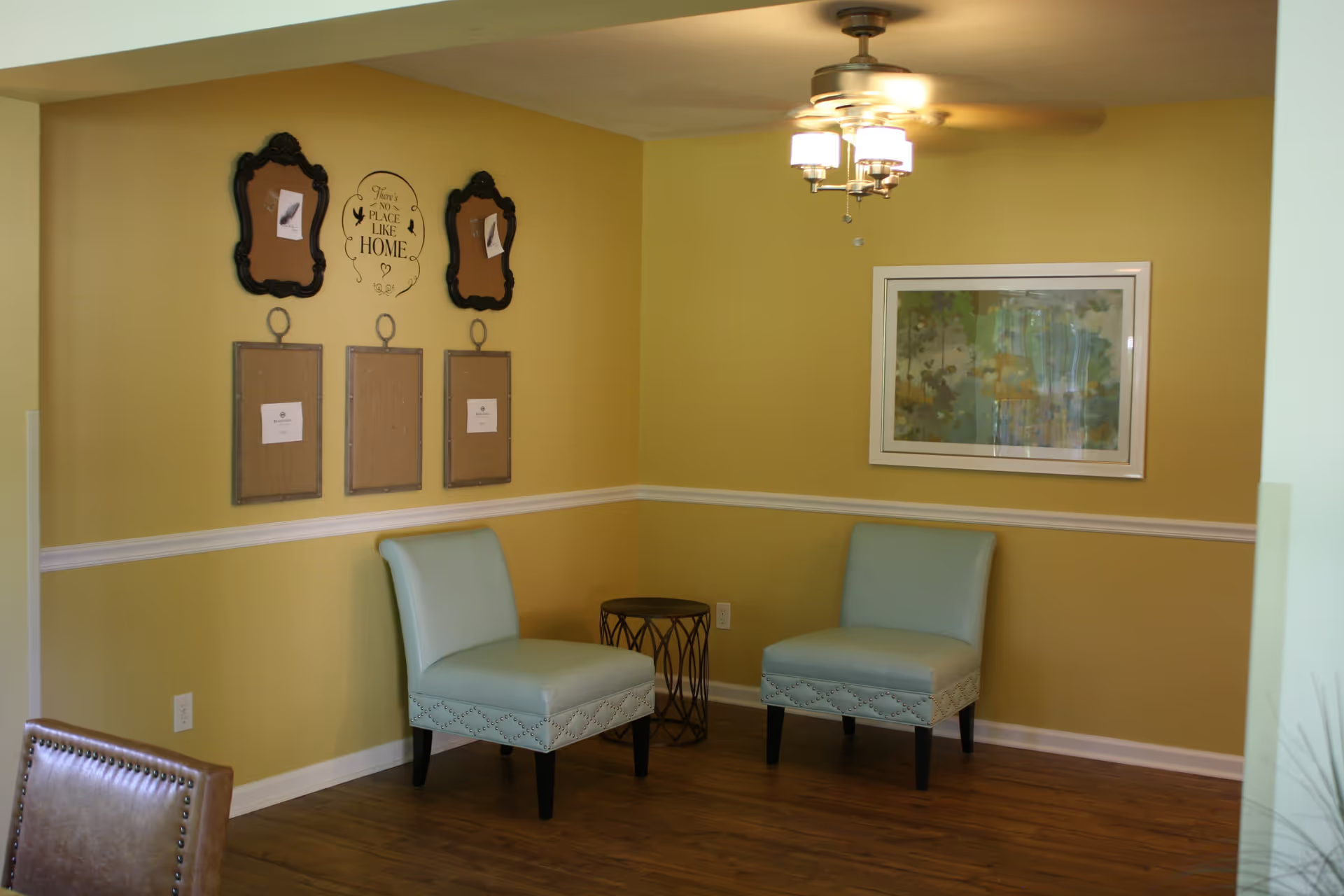
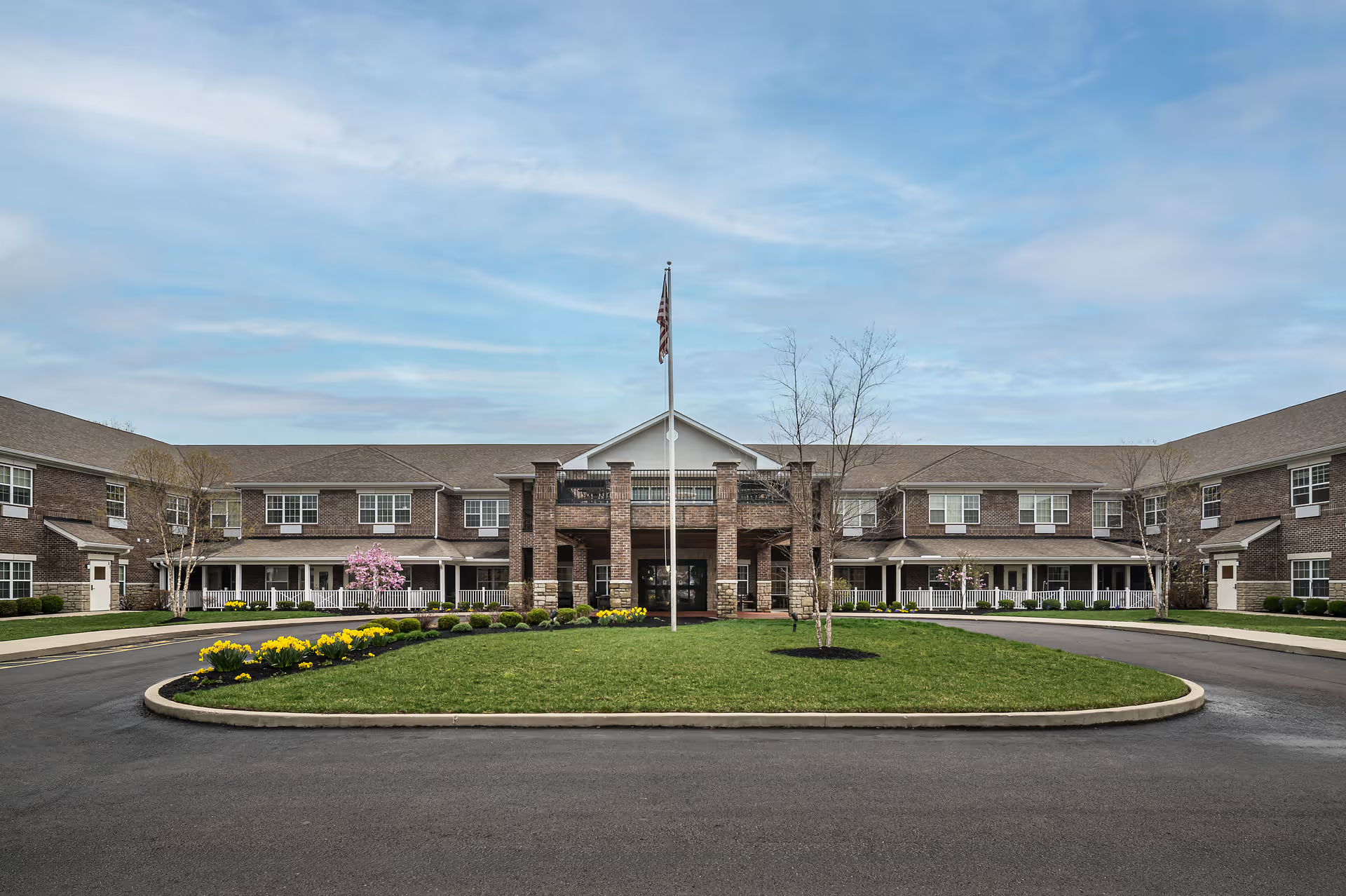
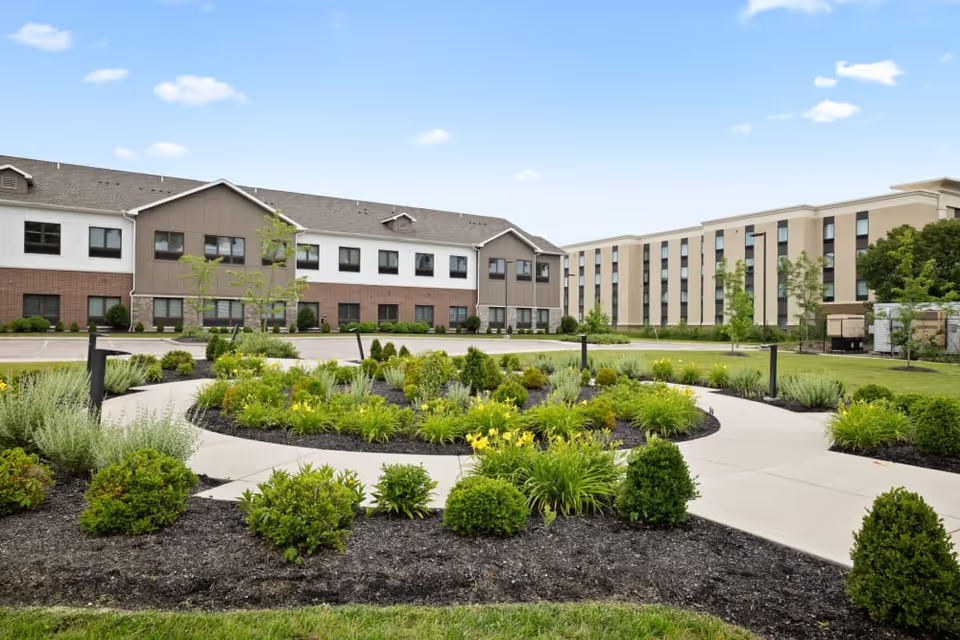
Reviews for Kenwood Healthcare Center present a polarized picture. A consistent strength across many accounts is the therapy program and direct-care aides: physical and occupational therapy teams receive frequent praise for effective rehabilitation, and numerous caregivers are described as compassionate and attentive. Several reviewers highlighted comfortable private rooms, remodeled bright units in parts of the building, an efficient admission/intake process, and active social programming that supported recovery and resident engagement.
At the same time, recurring operational weaknesses are evident. Staffing shortfalls and scheduling inconsistencies appear to place heavy workloads on nurse aides and nursing staff, contributing to long call-light waits and perceived delays in assistance. Clinical oversight is described as inconsistent, with limited physician availability and gaps in follow-up care after discharge; this pattern contributed to concerns about post-operative complications and timely physician interaction. Medication administration delays and occasional medication-management errors were also described, indicating the need for strengthened medication-safety processes.
Dining and activities produced mixed reactions. Some families praised meal quality, pleasant dining experiences, and enjoyable activities such as bingo, while others reported inconsistent food quality, lack of dietary accommodations, and cold or poorly presented meals. Therapy intensity was similarly variable: many residents benefited from robust PT/OT, but a subset of reviewers felt sessions were short or insufficient for complex rehab needs.
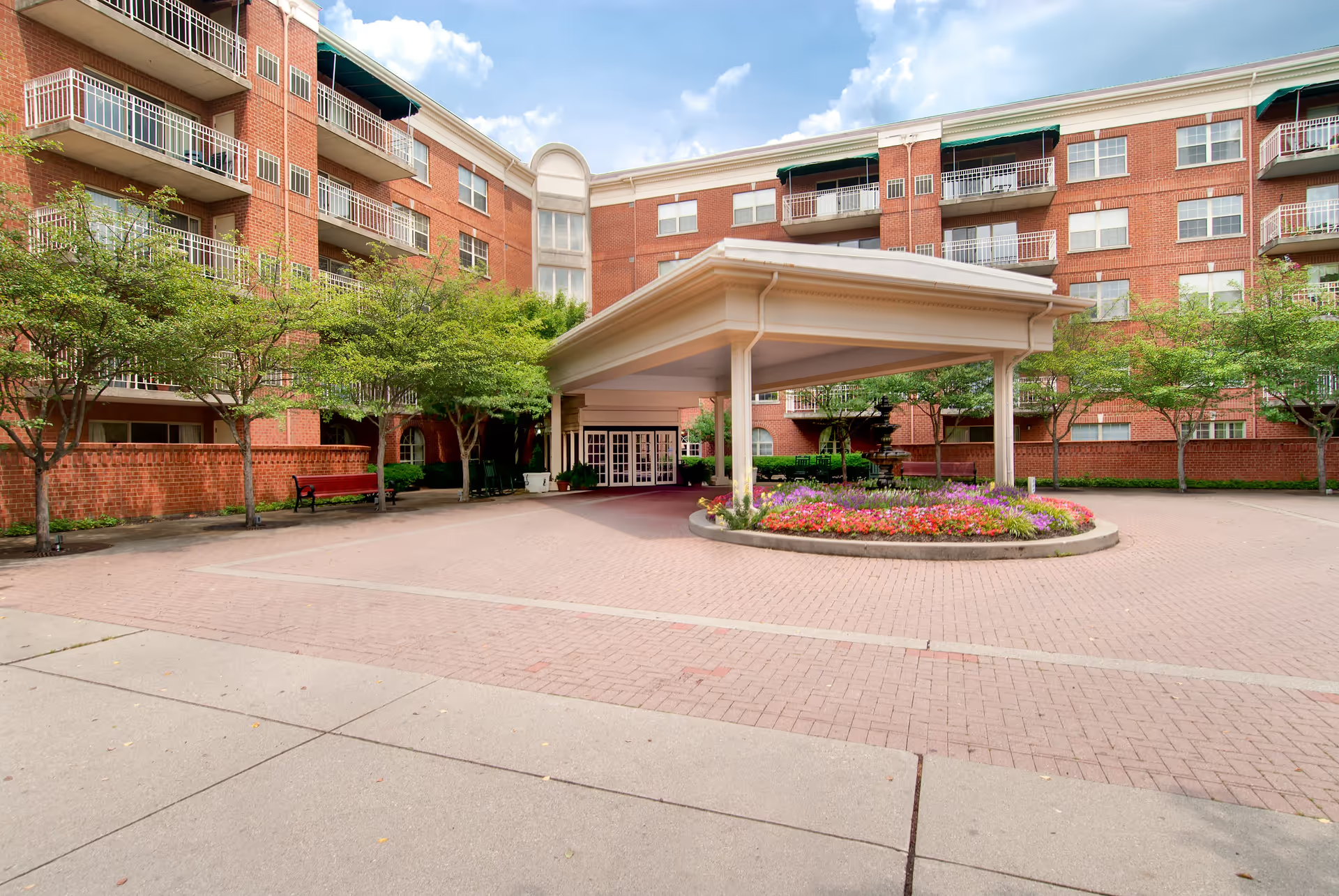
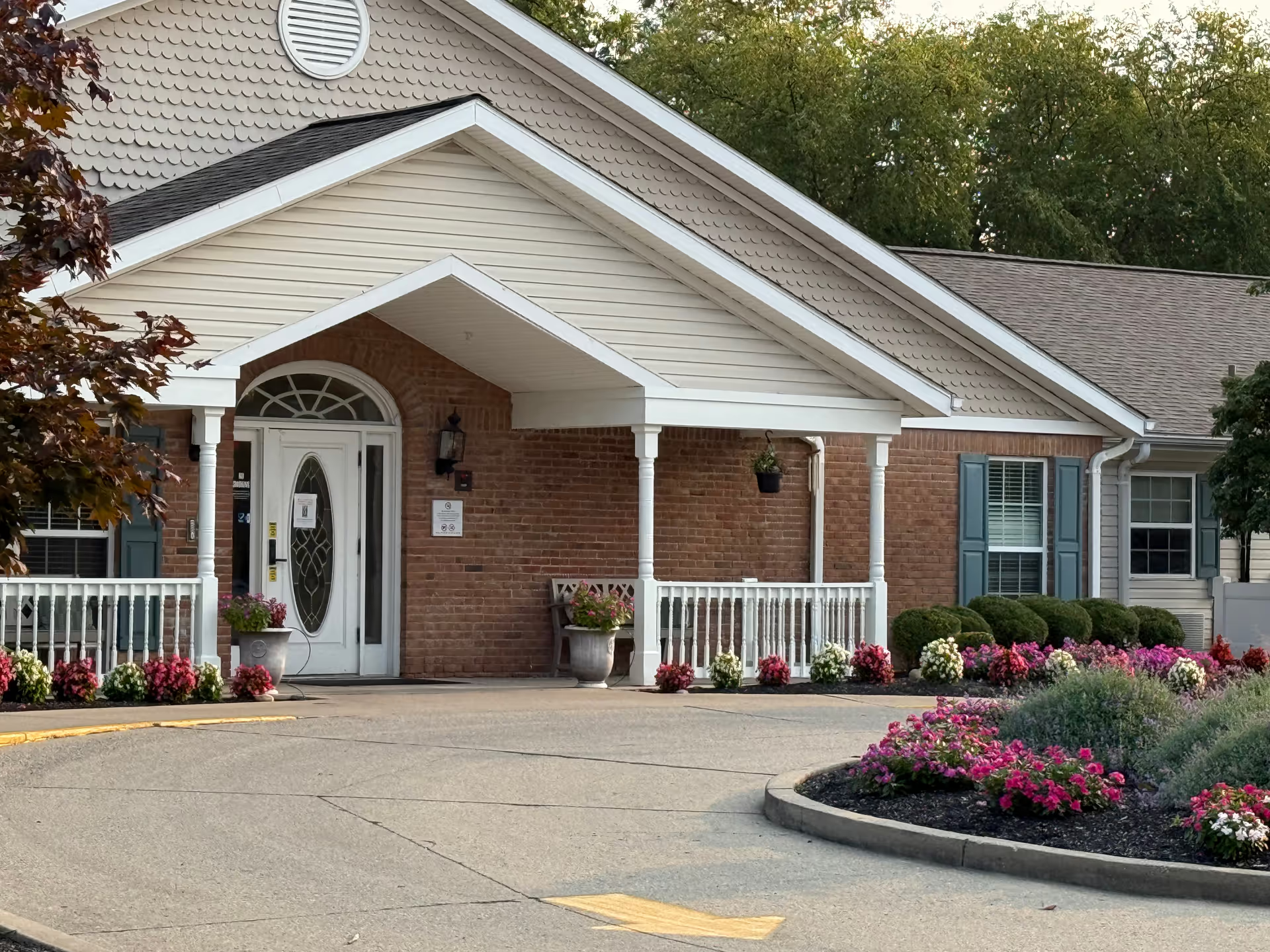
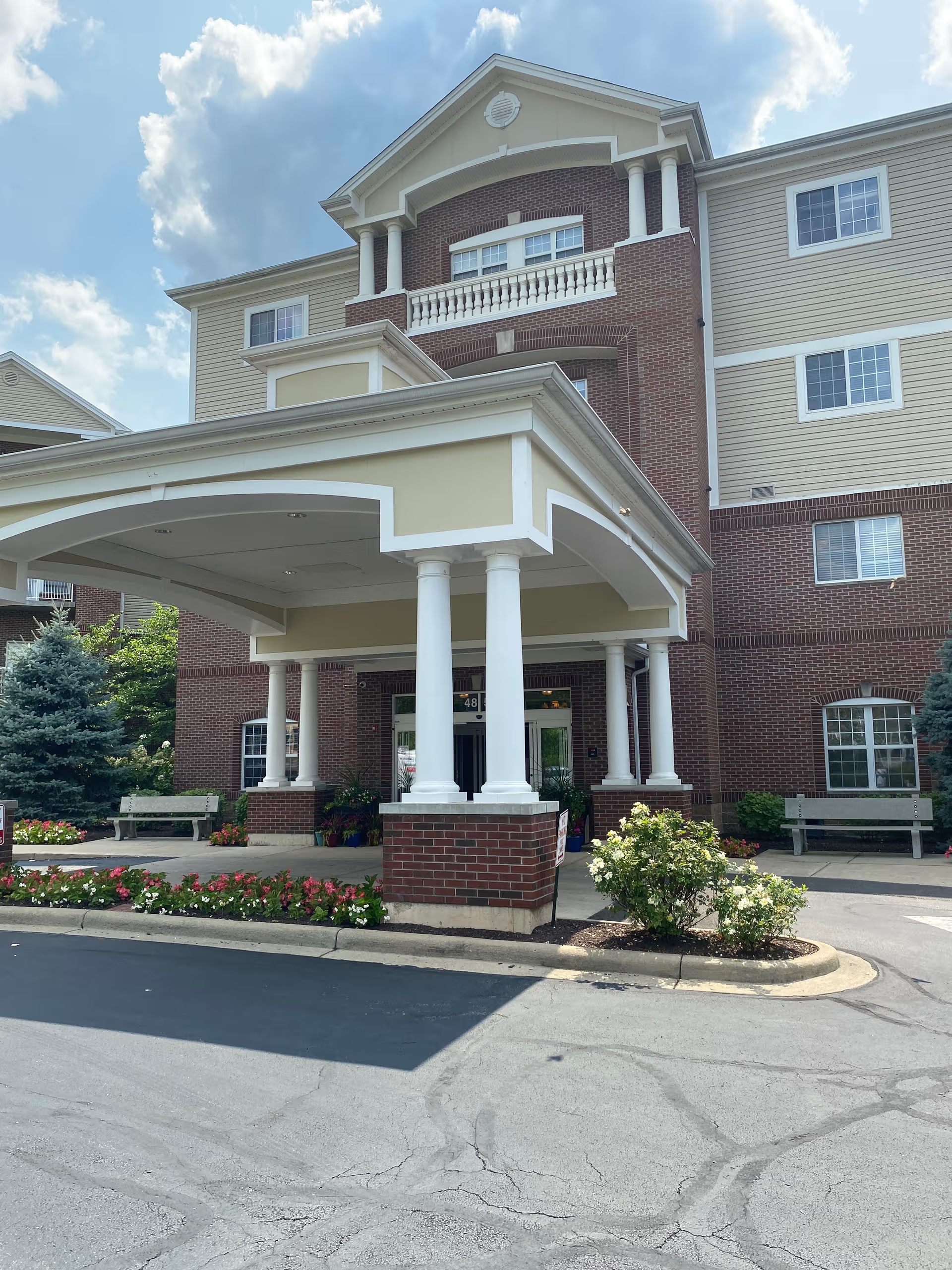
Facility and management issues were another theme. While portions of the campus are well-maintained and home-like, other areas were characterized as darker, older, or in need of maintenance. Sanitation and odor concerns, along with pest-control and housekeeping inconsistencies in certain units, were mentioned. Families also described problems with transportation coordination, discharge handoffs, and resident tracking during incidents. Administrative responsiveness and accountability were commonly criticized—examples included slow corporate communication, billing/refund disputes, and perceived cost-cutting measures that affected services and amenities.
Overall pattern: Kenwood appears capable of delivering high-quality short-term rehabilitation when therapy and direct-care staff are available and engaged, but systemic issues—principally inconsistent staffing, management and communication gaps, and variable clinical oversight—create risks for residents with more complex medical needs. Prospective residents and families seeking rehab-focused, therapy-centered care may find strong benefits here, but those requiring intensive medical management, reliable medication administration, or consistently managed long-term care should seek specific assurances about staffing, physician coverage, and administrative responsiveness before placement.